Chemical Peel in Dubai: Best Ones for Each Concern, Prices, and Procedure | VLCC
Chemical Peels
Chemical Peel in Dubai: Best Ones for Each Concern, Prices, and Procedure
V
VLCC
Dec 21, 2025
If you live in Dubai, your skin is working overtime. Between the year-round sun, high temperatures, blasting air-conditioning, and the occasional dust storm, it’s normal to notice a tan that never really fades, patches of pigmentation, clogged pores, or that dull, “tired” look, even when you take care of your skin. Sunscreen and moisturiser help, but they can only do so much when your skin is constantly under stress.
That’s where chemical peel treatment can make a difference. Many people hear the term “chemical peel” and immediately think of something harsh or painful. In reality, it’s a fairly controlled procedure that a skin specialist performs. A solution is brushed on your skin for a short time and then removed, which helps the tired, damaged top layer shed, revealing a new layer of refreshed skin.
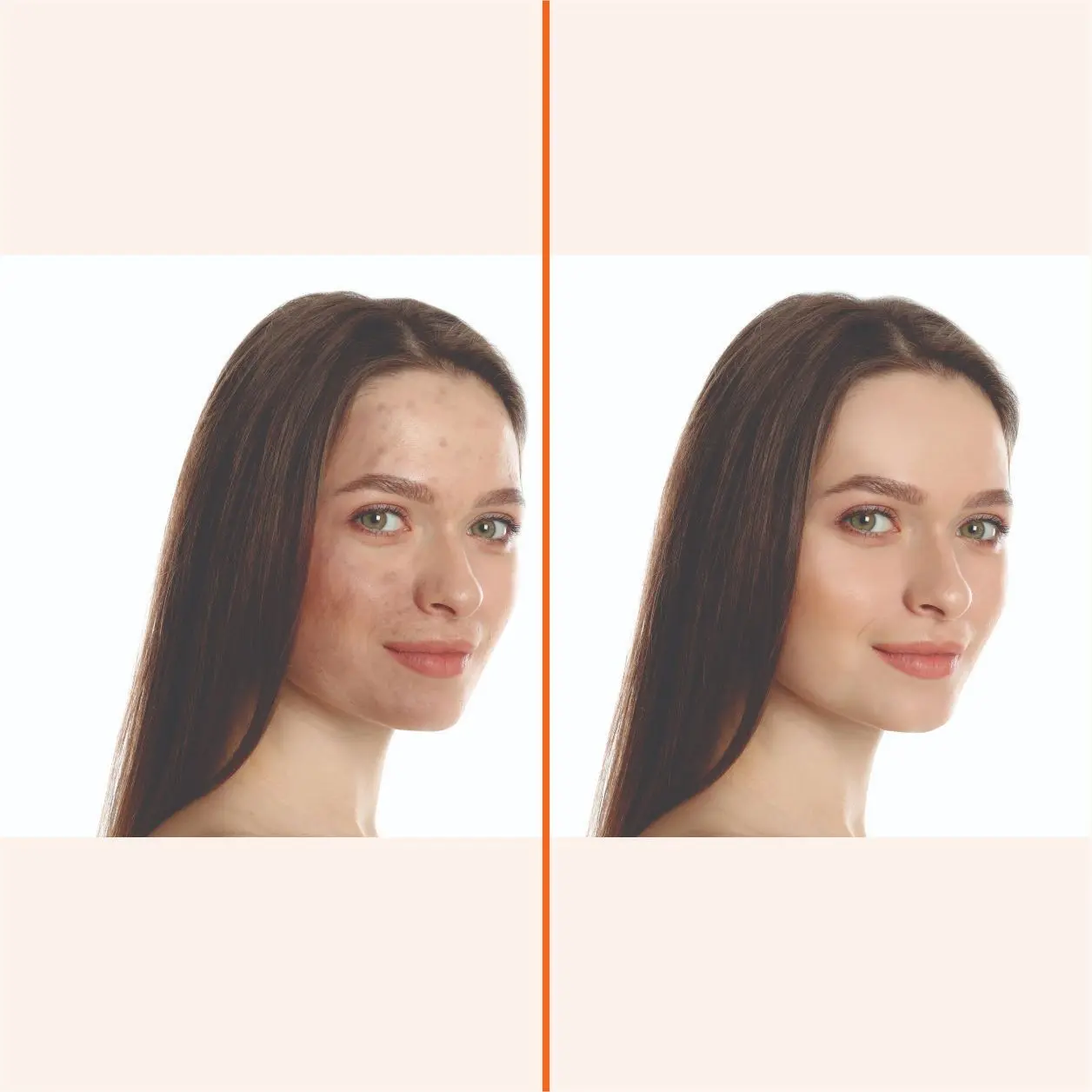
You usually do it over a few sessions rather than all at once. This can soften old acne marks, smooth out rough or bumpy patches, lighten sun spots, and calm down that extra oiliness. Overall, your skin will look clearer, more even, and less dull than before. It’s important to choose a peel that suits your skin type, concerns, and day-to-day routine. Whether it’s a light glycolic or salicylic peel or a more targeted option for melasma or scars, there is usually a way to work with your skin rather than against it.
Understanding Chemical Peel Treatment: How It Works at a Skin Level
In Dubai, people focus more on aesthetics, looks, and actively seek ways to improve their overall health, skin, and lifestyle. People also seek this procedure because of medical advancement, apart from enhancing their looks. A chemical peel treatment is very popular not only among locals but also among tourists. It exfoliates and removes the damaged outer layer of the skin's surface with the help of chemical solutions. It makes your skin healthier and smoother, not just from the outside but also from the inside. This procedure deals with issues such as fine lines, hyperpigmentation, acne scars, and sun damage by renewing the skin cells.
This procedure is commonly performed on the face with wrinkles, acne scars, and uneven tone. In addition to the face, a chemical peel can be performed on the neck, chest, and hands, as well as on larger or thicker-skinned areas such as the back, arms, jawline, legs, and even on stretch marks on the abdomen, while avoiding the eyes and lips during the procedure. Chemical peels work by creating a superficial injury to the skin using an acid. When the solution is applied, it breaks down the bonds holding the dead skin cells together, and this causes the outer layers of skin to peel, known as exfoliation.
At the cellular level, acids such as glycolic acid, TCA, or phenol denature skin proteins and impact keratinocytes, sending a message to the skin that an injury has occurred. The body then initiates its natural wound-healing process. Inflammation, along with the release of chemical mediators, which expedite cell proliferation and signal fibroblasts to produce fresh collagen and elastin. As the skin heals, it replaces the damaged skin cells with new ones, spreads melanin more evenly, and remodels collagen to help make the skin firmer and smoother. Therefore, it can improve fine lines, acne scarring, irregular pigmentation, and skin discoloration.
The depth of peeling depends on the type and strength of the chemical employed:
Superficial peels affect only the outer layer of the skin
Medium peels penetrate to the upper dermis
Deep peels go deeper for bigger results
This controlled skin renewal, if done properly, leaves the skin clearer, smoother, and firmer without scarring, thus promoting healthier and more even skin.
Chemical Peel vs Other Skin Treatments: When Is a Peel the Better Choice?
Understanding different procedures and knowing which concerns they are best suited to help is very important before choosing a skin treatment. All three treatments, such as chemical peels, HydraFacial, and microneedling, basically target skin quality, but they vary a lot in their depth of action, results, downtime, and treatment goals. The table below gives an easy, real-life guide that helps the readers figure out which option can be the most suitable for their skin problems and the level of their expectations.
Aspect
Chemical Peel
HydraFacial
Microneedling
Mechanism
Acid-induced exfoliation removes damaged outer layers and triggers collagen renewal through controlled injury.
Vortex suction cleanses and extracts impurities, then infuses hydrating serums with mild acids.
Controlled micro-injuries stimulate fibroblasts to produce collagen and elastin without removing the skin surface.
Best For
Acne scars, hyperpigmentation, fine lines, and sun damage (especially with glycolic or medium-depth TCA peels).
Dullness, congestion, mild dehydration, and instant radiance across all skin types.
Deep acne scars, wrinkles, skin laxity, and stretch marks through dermal remodeling.
Depth
Epidermis to upper dermis (superficial to medium peels).
Superficial cleansing only.
Dermis (adjustable depth of approximately 0.5–2.5 mm).
Downtime
3–10 days of peeling or redness, depending on peel depth.
None; skin appears refreshed immediately after treatment.
1–3 days of redness and mild swelling.
Pain / Sensation
Mild to moderate stinging or burning during application.
Relaxing and painless.
Prickling sensation; usually performed with numbing cream.
Skin Types
Fitzpatrick I–IV respond the best with caution advised for V–VI due to post-inflammatory hyperpigmentation risk.
Suitable for all skin types, including sensitive skin.
Suitable for all skin types with a relatively low risk of PIH when performed correctly.
Chemical peels should be your choice if your skin needs a deep repair and renewal rather than just a temporary glow. In fact, they are the most effective for issues such as acne scars, dark spots, melasma, sun damage, skin roughness, enlarged pores, and oily or congested skin. To rescue the skin from the surface, which only cleanses or hydrates, chemical peels work on the skin by undoing damaged skin layers and facilitating the natural cell renewal process. As a result, the effects take more time to wear off. The skin becomes clearer, the texture becomes smoother, and the tone gets more even and brighter. For example, pigmentation and mild acne scars improve significantly.
Types of Chemical Peels Commonly Used in Dubai Clinics
When most people hear the term “chemical peel,” it can sound a bit intense. But in reality, there are different types of peels, and most are gentle and highly customizable. Dermatologists select the right peel based on your skin concerns, sensitivity, and goals. Each one is designed to target specific issues and is tailored to your skin type and the results you’re looking for. Let’s break down the most common options in a simple, straightforward way.
Glycolic Chemical Peel
A glycolic peel is a light (superficial) chemical peel made from glycolic acid, which comes from sugarcane. The small size of the molecule helps the acid to penetrate the skin's outer layer quickly and release dead skin cells for easy removal. Glycolic peels treat the textural issues on your face caused by acne, dark spots on the skin, melasma from sun damage, oily skin, clogged pores, blackheads, and dull-looking skin. Glycolic peels speed the cell turnover process of your skin and clear up your blocked pores. They will provide cumulative results each time if performed regularly, such as reducing fine lines (which can cause wrinkles), smoother-looking skin, and better oil control.
Glycolic peels are widely available and are commonly performed in India and the UAE, where people usually have medium to deep skin tones and frequently use sun protection to maintain skin health. This procedure has less downtime, but you might notice mild redness that typically goes away after a day. When performed regularly, they will provide cumulative but evident improvement in the texture and brightness of skin tone and help with oil control on the face. The purpose of the glycolic peel is to provide gentle exfoliation, which rejuvenates your skin and supports its natural production of collagen, increasing elasticity and firmness. It decreases oiliness and provides even color across the entire skin surface.
Other Clinically Used Peels
Apart from glycolic peel, other types of peel are used by clinics and spas according to the skin’s needs:
Salicylic acid: Salicylic acid peels are most effective for oily and acne-prone skin types. Being oil-soluble, salicylic acid can penetrate deep into the pores to dissolve excess oil, dirt, and dead skin cells that contribute to acne breakouts. This helps unclog pores, reduce inflammation, and improve overall skin texture, leaving the skin feeling clearer, smoother, and less greasy.
TCA Peel: Medium-depth peels that reach deeper skin layers can remove damaged skin, allowing new skin to take its place. It improves acne scars, light to moderate wrinkles, dark patches, sun damage, and uneven skin tone.
Lactic Peel: A light peel for dry or sensitive skin, it exfoliates gently and imparts moisture. It brightens the skin, fades mild pigment, softens fine lines, and improves overall texture.
Cosmelan Peel: Strong peel, mainly used for stubborn pigmentation. It acts to slow down the production of extra melanin, which tones down melasma, hormonal pigmentation, and sun spots. Treatment consists of an in-clinic peel, together with a home care routine, for the best results.
Perfect Derma Peel: This medium-strength peel is a multi-tasking blend of ingredients that brightens the skin, controls acne, improves the appearance of scarring, smooths fine lines, and protects against pollution and sun damage.
Carbon peel: A light laser-based peel that cleans pores and controls oil without visible peeling; reduces acne, tightens pores, improves glow, and lightly lightens pigmentation with little to no downtime.
Choosing the Right Chemical Peel for Different Skin Concerns
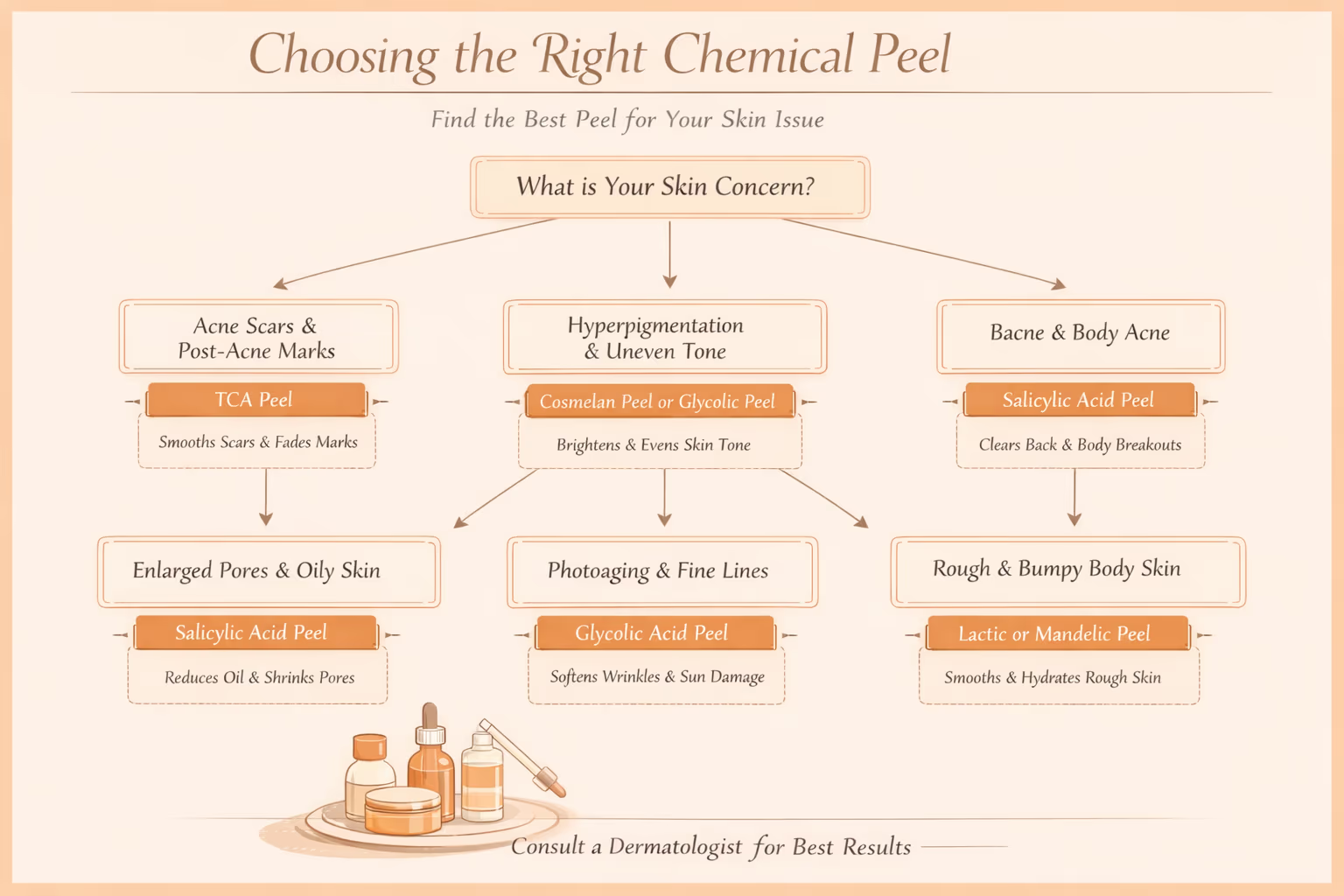
Before choosing chemical peel treatment, you need to address the skin issues you are facing. This can be done by consulting a dermatologist or an expert. By checking out whether your skin concern such as getting a chemical peel for acne scars, hyperpigmentation, bacne, or uneven skin tone, you can get the right treatment.
Chemical Peel for Acne Scars and Post-Acne Marks
You can consider going for a TCA peel, which is a medium-depth peel. It works best for acne scars and post-acne marks. It reaches the upper layer of the skin to help collagen remake itself, thus smoothing deep pits like icepick or rolling scars. In addition, it fades red or brown post-inflammatory hyperpigmentation by quickening skin turnover over 4-6 sessions.
Chemical Peel for Hyperpigmentation and Uneven Skin Tone
Cosmelan or azelaic acid peels of medium depth are strong here as they inhibit the enzyme tyrosinase to break up melanin clusters in conditions like melasma, sun spots, or freckles. Glycolic peels, being superficial, are good for milder cases by shedding the pigmented cells, while lactic acid helps to hydrate sensitive skin and brighten it.
Bacne Chemical Peel and Body Skin Concerns
For bacne, salicylic acid peels work best for bacne on thicker back skin, as superficial to medium is quite effective. Bacne chemical peel dissolves the oily stuff in clogged follicles to reduce active cysts, whiteheads, and scars.
Enlarged Pores and Oily Texture
For enlarged pores and oily texture, salicylic acid peel ot bacne chemical peel works best for dissolving sebum in follicles, improving the appearance of pores, and controlling oils on the T-zone or body areas such as the chest and back.
Photoaging and Fine Lines
Superficial peels with glycolic acid are the best. They accelerate skin renewal and stimulate increased collagen in the dermis to soften sun-induced wrinkling, rough texture, and yellowish discoloration on the face, neck, and hands. Do every 2-4 weeks for lasting anti-aging results without downtime.
Enlarged Pores and Oily Texture
Salicylic peels, from superficial to medium, serve the purpose of dissolving oil in the hair follicles, shrinking pore size, and controlling oil on the T-zone or body areas like the back and chest. Good for combo skin to prevent future clogs.
Rough Body Skin
Superficial peels, enhanced with lactic or urea, gently smooth out bumpy arms and thighs by hydrating and exfoliating the keratin plugs. Mandelic acid is good for sensitive skin, giving an even tone without irritation on thicker body skin. These are some of the most common issues that are addressed by the chemical peel procedure.
Who Is an Ideal Candidate for Chemical Peel Treatment
Chemical peels are ideal for people who are healthy overall, have reasonable expectations, and want to improve their skin issues without surgery. If you have acne scars, dark spots, fine lines, sun damage, or uneven skin texture, and you want a gradual skin rejuvenation rather than a sudden, dramatic change, then they are the right choice for you.
Who can undergo a chemical peel?
If you show early signs of aging, such as fine wrinkles or dullness, have acne or post-acne marks, melasma, enlarged pores, or rough skin texture, a chemical peel treatment may be the right solution for you. Your skin shouldn't be infected, and you should be willing to follow sun protection and aftercare instructions. Light or medium peels work best for those who have not recently taken strong acne medications and whose skin tolerates basic skincare well.
Who should stay away from chemical peels?
If you have cold sores, open wounds, eczema, or rosacea flare-ups, then chemical peels may not be suitable for you, as these conditions may get aggravated with the treatment. Individuals who scar easily or develop keloids should be very careful. A deeper peel may not be recommended for very dark skin tones due to a higher risk of pigmentation issues. Chemical peels are normally not performed during pregnancy or while breastfeeding and are not an option for those expecting results similar to Botox or surgery. A consultation helps determine whether a peel is safe and suitable for your skin.
Chemical Peel Procedure, Recovery, and How Results Develop
Whether you’re getting a chemical peel for hyperpigmentation or bacne, proper skin preparation is required 2 to 4 weeks before the chemical peel, which helps evenly distribute the results of the peel, reduces the chances of irritation or patchy results, and improves the overall outcome.
Before the Chemical Peel: Skin Preparation and Assessment
The first step is to consult a dermatologist who will evaluate your skin type, concerns, and medical history. They might even perform a small patch test 2-3 days before the procedure to see if there is any reaction. A priming routine might be suggested, which could consist of using a mild retinoid to aid in the thinning of the outer skin layer and, for pigmentation-prone skin, a lightening agent. The use of strong active products is usually stopped about a week before the peel.
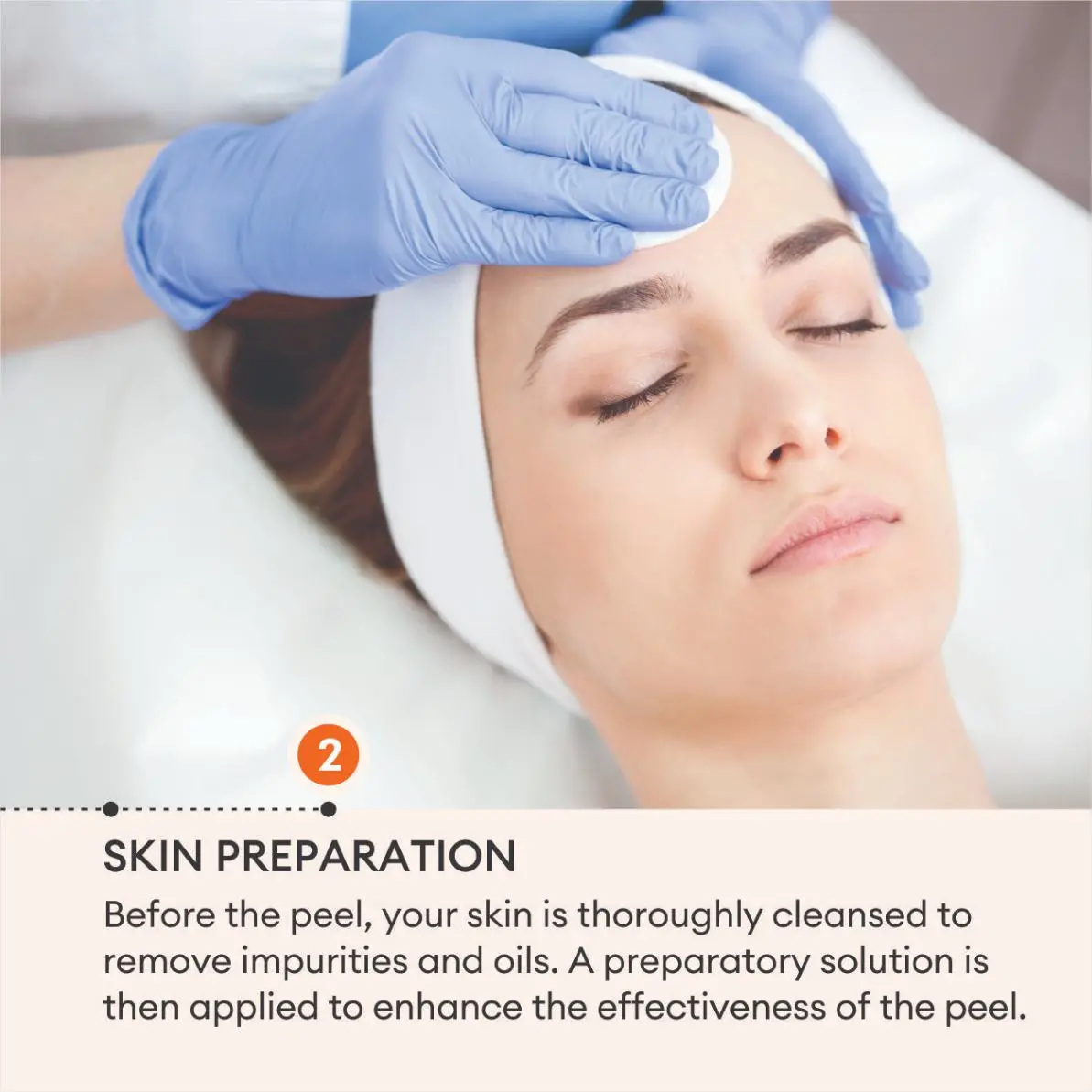
Before the chemical peel procedure, exfoliating agents, acne medications, waxing, and sunbathing should all be avoided. You should use gentle moisturizers and broad-spectrum sunscreen every day, and by the time you come in for the peel, your skin should be clean and free of any makeup. If you have booked a stronger peel, you may be asked to fast, and it is a must to tell the doctor about all the medications you are taking. Just before the peel, the skin undergoes thorough cleansing and degreasing, protection is given to sensitive areas such as the eyes and lips, and you are seated in a comfortable position so that the procedure can be carried out safely and evenly.
During the Chemical Peel Procedure
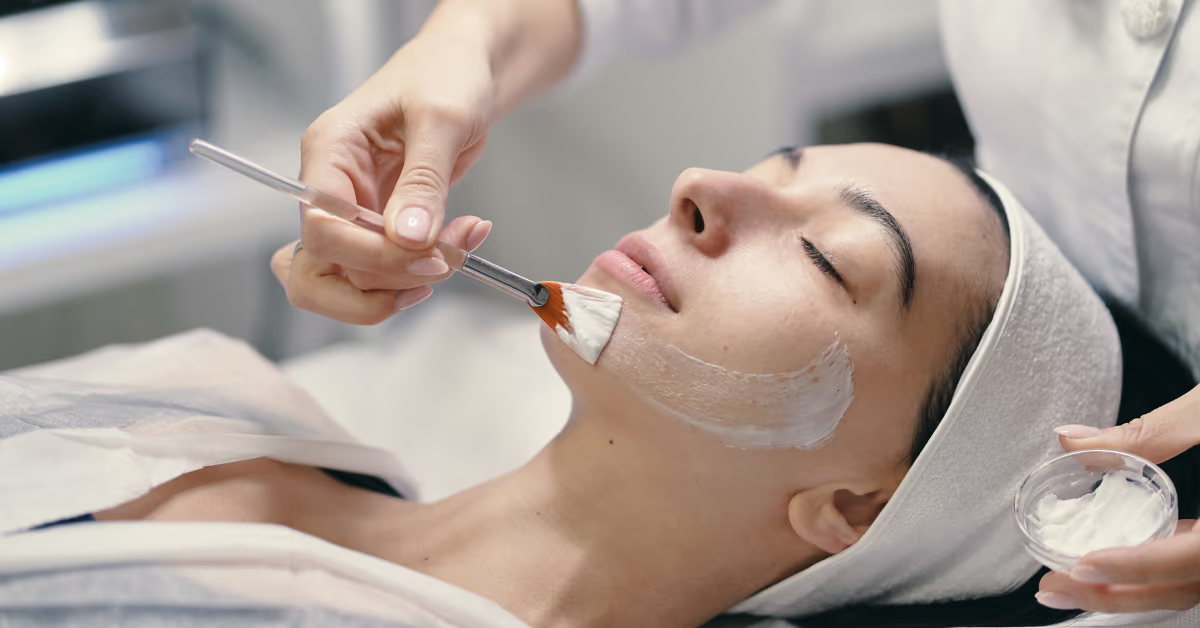
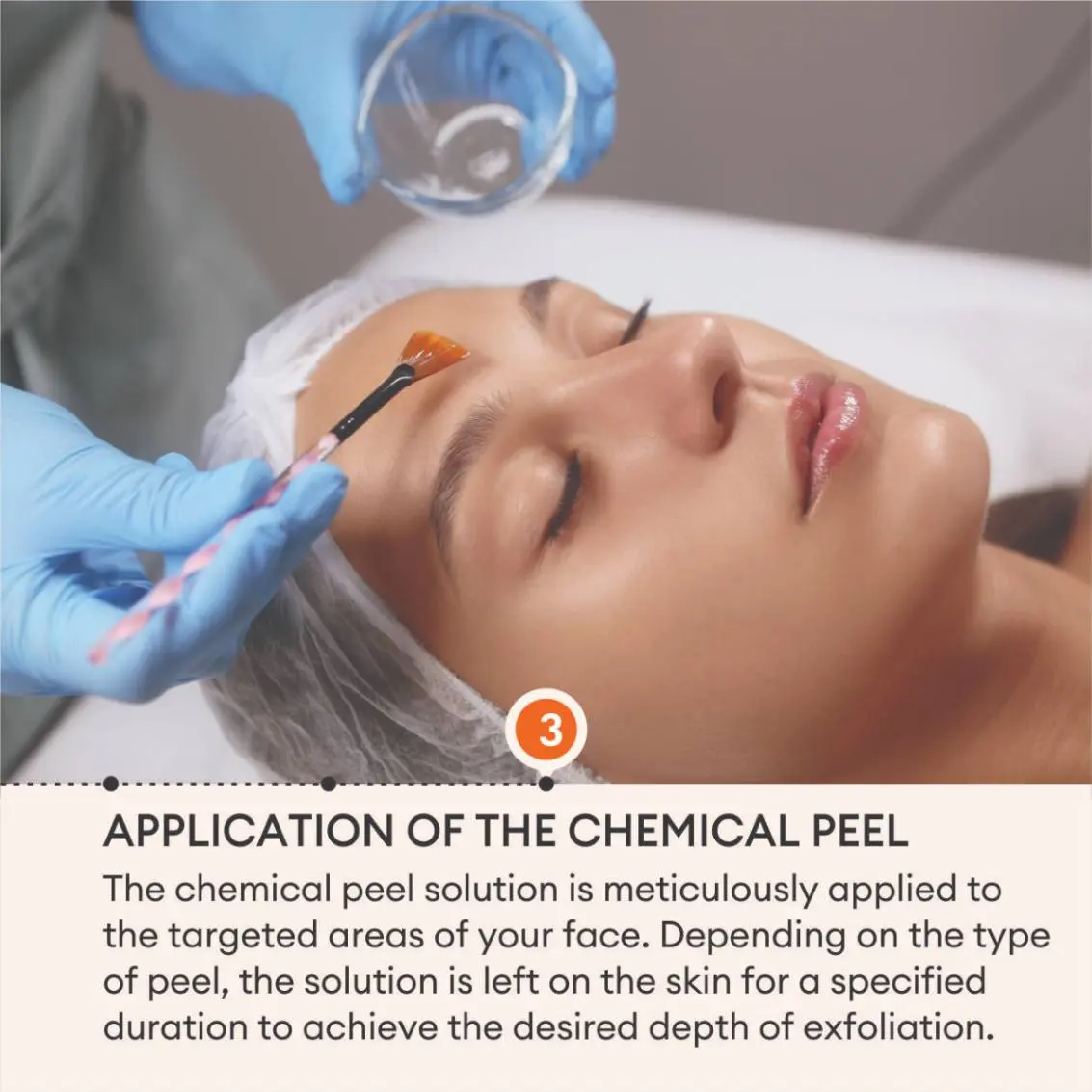
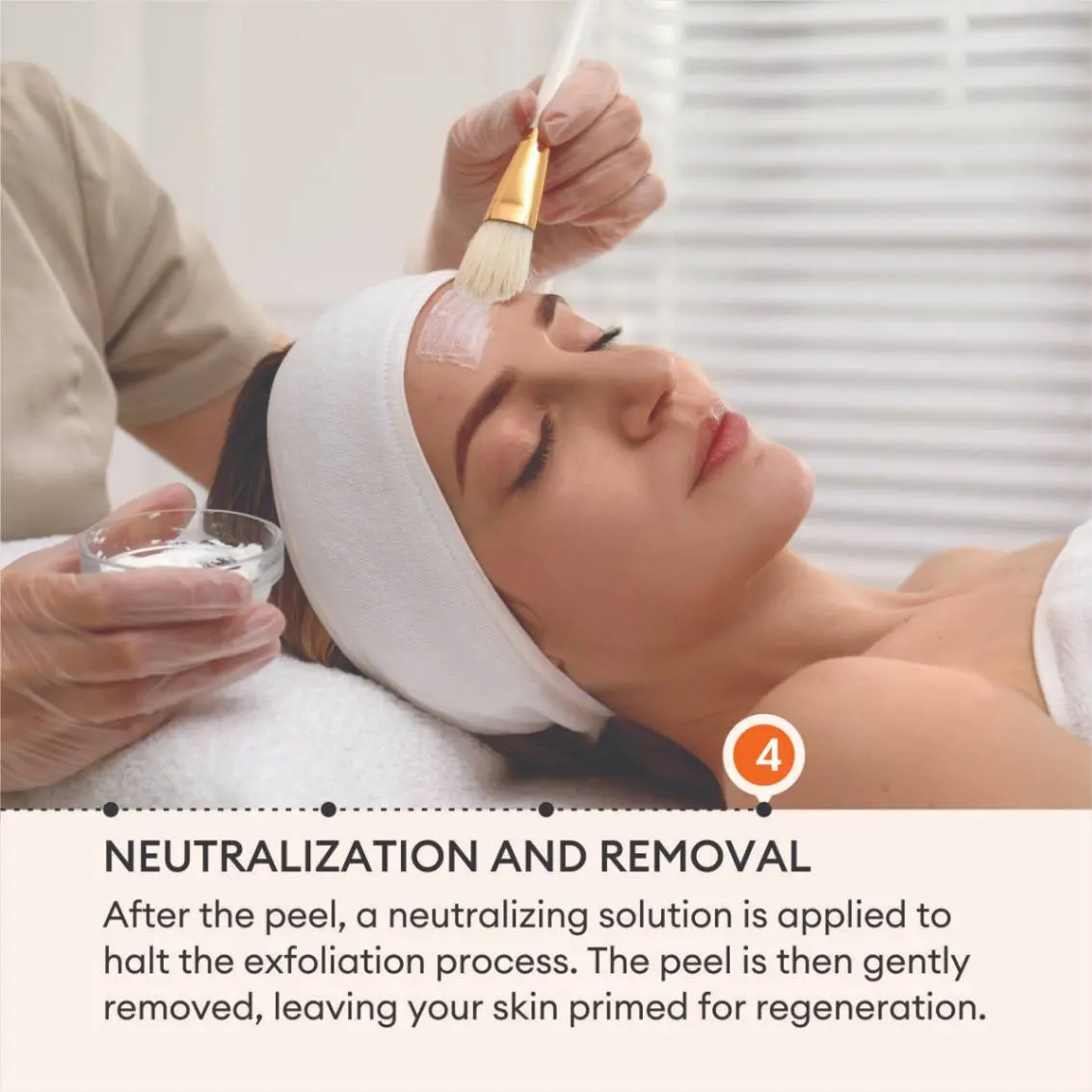
The skin is subjected to controlled chemical exfoliation during a chemical peel that is preceded by cleansing, and the sensitive areas, like the eyes and the lips, are protected. A clinical environment is where this treatment takes place, and the duration of the procedure typically ranges from 10 to 90 minutes, depending on the peel’s depth. If you’re getting a superficial peel first, the skin is double cleansed and degreased, with acetone being the commonest choice. Glycolic or salicylic acid is then brushed, gauzed, or applied with cotton pads evenly over the entire face, starting from the forehead and cheeks, moving to the nose and chin. The eyes and lips are being protected with petroleum jelly. The skin may experience mild tingling or warming as a reaction, while light frosting appears in a 2–10 minute time frame. Afterward, the acid is neutralized using either water or sodium bicarbonate solution, followed by the application of cool compresses and soothing moisturizer.
But in the case of a middle-depth peel, the TCA solutions are applied in layers, and with each layer of leakage, you will feel burning or a stinging sensation that would last for a short period of 3–5 minutes until the gray-white frosting appears. These peels are self-limiting and thus do not need to be neutralized. Cooling measures are then taken by the expert to quieten the discomfort, while a protective ointment or mild steroid cream is applied afterward to assist the healing process. Whereas if you’re getting a deep chemical peel, it is done under local anesthesia or IV sedation, with heart monitoring done continuously. Phenol is applied step by step in 15-minute intervals, with the full face treatment being up to 90 minutes to minimize the risk of toxicity. Your skin may become white or gray as the solution does its magic, and water neutralizes that particular area. Subsequently, thick ointments or protective dressings are applied to the area for recovery support.
After the Chemical Peel: Day-by-Day Skin Response
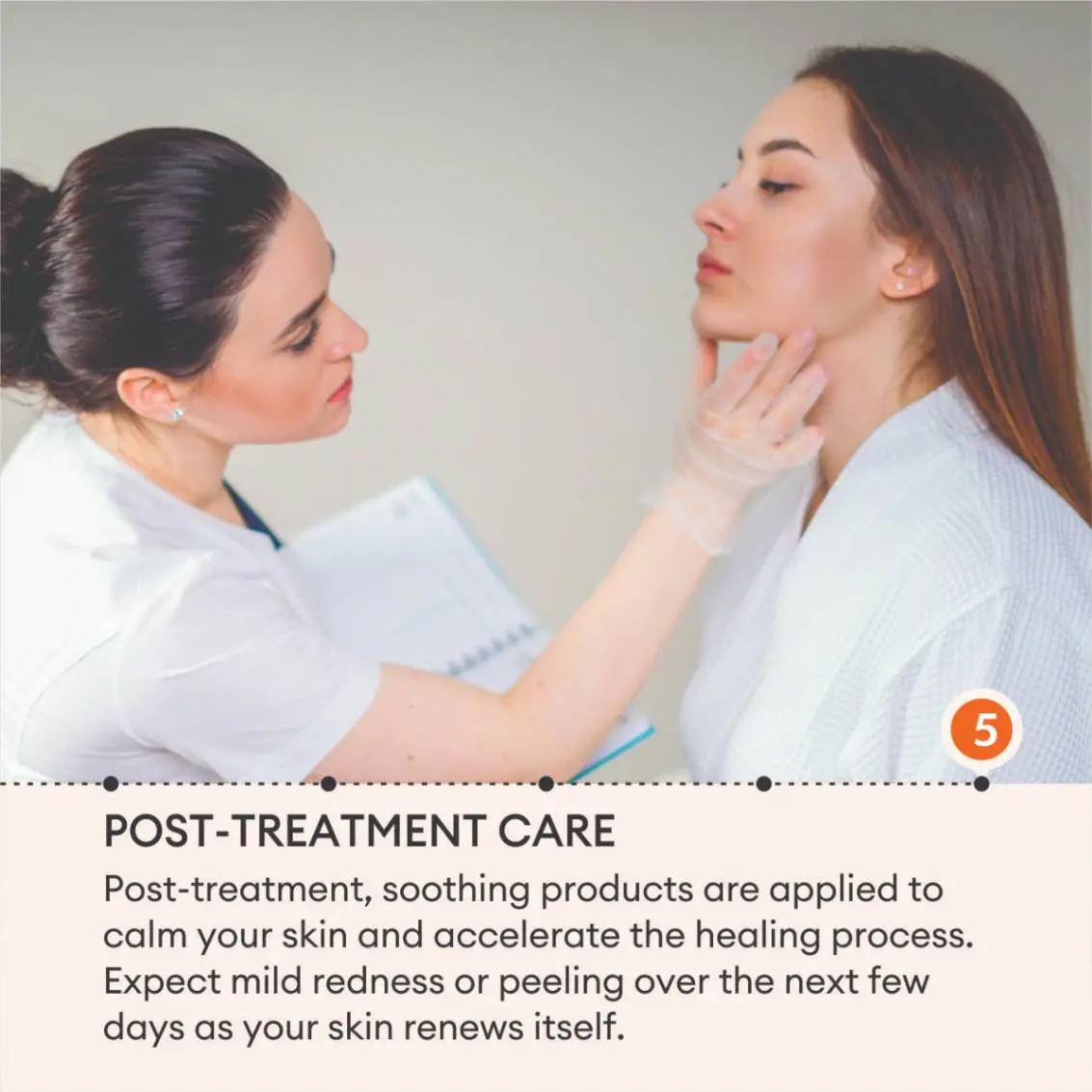
After the chemical peel treatment, your skin will appear frosty, tight, and red as the superficial peels can lead to mild stinging, which is relieved by cool compression, while medium and deep ones require ointment such as petroleum-based or hydrocortisone to seal and protect your skin. You should avoid touching your skin and should not apply makeup. If you wish to wash your face, lukewarm water is recommended. Avoid the sun and reapply sunscreen every 2 hours.
How Does the Result Show After a Chemical Peel Overtime
Timeframe
What to Expect
Days 1–3
Skin feels tight, red, and sunburn-like, with possible mild stinging. Superficial peels may show subtle flaking by days 2–3, while medium peels remain intact but tender with no visible shedding yet. Dryness is common and should be managed with frequent moisturizing.
Days 4–7
Peak peeling phase. Small to large white or yellow flakes appear, especially on the cheeks and forehead. Skin may look patchy or uneven, as around 30–70% of treated skin sheds in medium peels. Avoid picking to prevent scarring or infection. Deeper peels may show heavier crusting.
Days 7–10
Residual flaking gradually resolves. New pink, baby-soft skin becomes visible and is more sensitive to touch and sunlight. Full shedding is typically complete for superficial peels, while medium peels may still be finishing the process.
Weeks 2–4
Redness continues to fade, skin texture smooths, and pigmentation begins to even out. Gentle active ingredients such as vitamin C can be introduced. Medium peels may still have mild lingering pinkness.
Month 1 and Beyond
Collagen remodeling continues, improving acne scars and fine lines. Optimal glow usually appears at 4–6 weeks, with 80–90% improvement after a full treatment series. Deep peels may take 2–3 months for scars to mature. Strict sun protection and consistent moisturizing remain essential to prevent post-inflammatory hyperpigmentation (PIH).
How Many Chemical Peel Sessions Are Usually Needed?
To see the best result after a chemical peel, multiple sessions are required, which depend on the peel depth. Individual response and skin concern. Superficial treatments need more sessions compared to the deeper ones, as they yield lasting results.
Peel Type
Sessions Needed
Spacing Between Sessions
Best For
Superficial (Glycolic / Salicylic / Lactic)
4–8
Every 2–4 weeks
Mild acne, uneven texture, light pigmentation
Medium (TCA / Jessner’s)
3–6
Every 4–8 weeks
Acne scars, fine wrinkles, and melasma
Deep (Phenol)
1–2
Every 6–12 months
Severe sun damage, deep wrinkles
When people ask how many chemical peel sessions they’ll need, there really isn’t one fixed number. It depends a lot on your skin and what you’re trying to fix. Some people only need a couple of visits, while others end up doing a full series over a few months. Gentle or light peels are usually done several times, because one session on its own doesn’t change the skin that much. They slowly improve texture, brightness, and mild marks when you repeat them regularly. Medium peels are stronger, so most people don’t need as many. A deep peel is usually reserved for serious damage and is often done once, then possibly repeated after a long gap if needed.
Your main concern also changes the plan. Someone with just a bit of dullness or light tanning might notice a difference quickly. On the other hand, if you have acne scars, old dark spots, or years of sun damage, you’ll usually be told upfront to expect more sessions to see the kind of result you want. Skin type matters too. Oily and acne-prone skin often tolerates peels better. Sensitive, dry, or darker skin tones usually need more space between appointments and a softer approach so the skin doesn’t get irritated or develop extra pigmentation.
Your doctor also reviews your lifestyle and health details, how fast your skin usually heals, your age, how much time you spend in the sun, whether you smoke, and how carefully you follow aftercare. All of these factors affect how many peels make sense for you. Some people are focused on fixing a specific issue, while others just want to maintain results every now and then. In most clinics, the dermatologist won’t lock you into a fixed number from day one. They’ll suggest a starting plan, watch how your skin reacts over the first few sessions, and then decide with you whether you should continue, slow down, or switch to a different treatment.
How Chemical Peel Benefits You and What Are The Long-Term Advantages
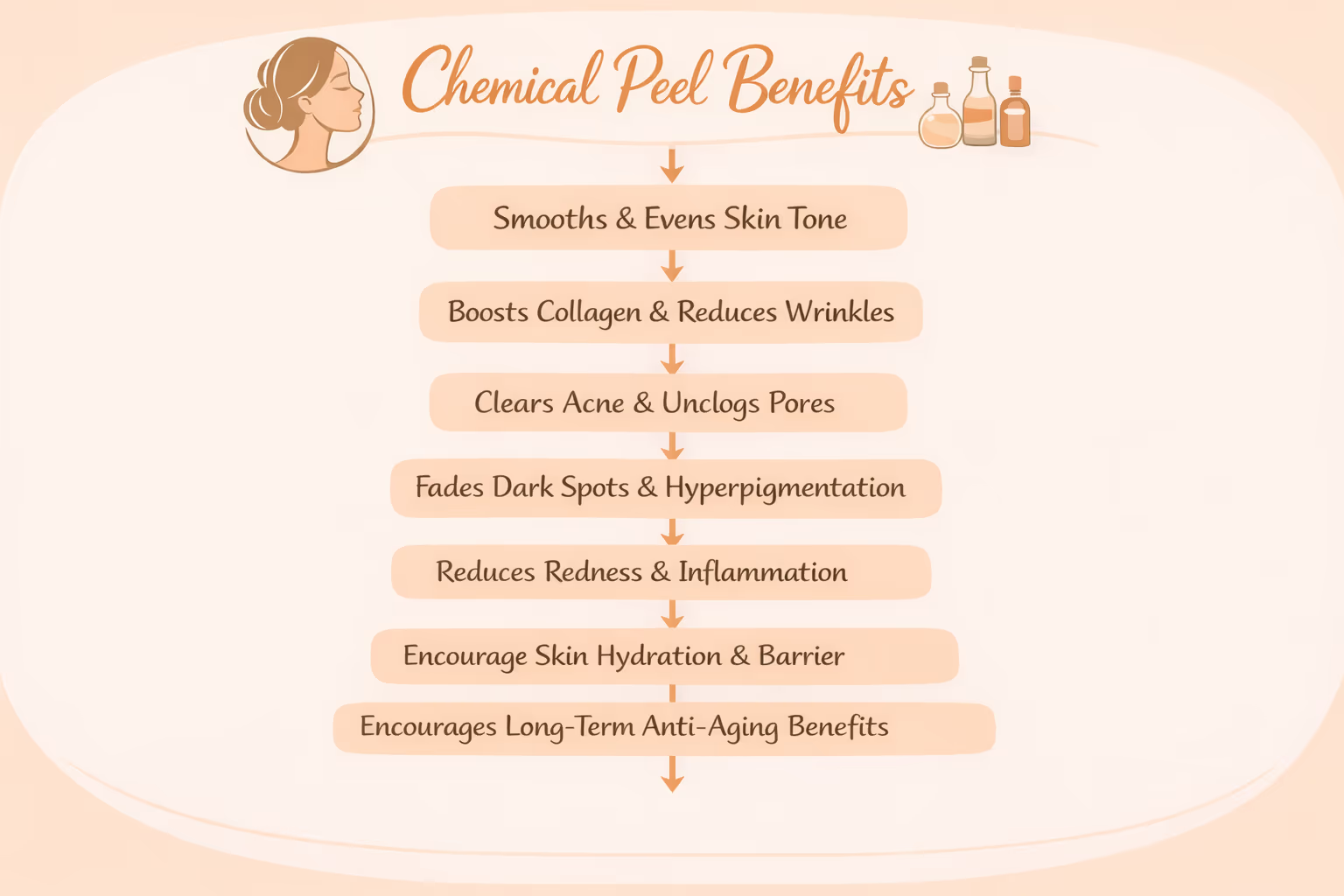
Chemical peels have various benefits, such as removing dead skin cells that have built up, making the texture smoother, and helping skin look more even in tone. It boosts the collagen of your skin and elastin, especially with light to medium peels, reducing fine lines, early wrinkles, and light acne scars over time. You can get rid of oily skin because chemical peel benefits by cut down on extra oil, unclog pores, and improve mild to moderate acne and marks left from acne. Getting regular peels helps in fading sun spots, melasma, uneven tones from tanning, and post-inflammatory hyperpigmentation by speeding up the shedding of pigmented cells. This will lead to an even complexion and may reduce dullness for a brighter appearance.
You should apply sunscreen properly to maintain the tone so it can last for years. Over several sessions, chemical peel benefits from the collagen growth will make your skin thicker and smoother, slowing aging, reducing fine lines, and roughness. A few deeper peels also treat precancerous sun-related lesions (actinic keratoses), reducing the risk that these will progress to squamous cell carcinoma. Chemical peel provides advantages such as surface buildup, pigment correctors, absorb more effectively, enhancing long-term results from the remainder of the routine.
If you go for peels with humectant acids, such as lactic or mandelic acid, draw moisture into the skin and really help to increase hydration. This continues long after the treatment is completed and leaves the skin looking plumper. Chemical peel provides advantages such as increasing the skin barrier through ceramide production. It can lead to sensitivity being lowered, resulting in less water loss over time and with successive treatments. Medium peels reduce redness from conditions such as rosacea or broken capillaries by normalizing the blood vessel activity and reducing inflammation. Salicylic-based peels calm active inflammatory acne and can reduce future flare-ups through antibacterial effects, by renewing the lining around pores. Better penetration of topicals such as antioxidants and peptides means better defense against free radicals and faster repair, preparing the skin for anti-aging benefits from daily care.
You will notice the breakouts have decreased, and your skin is more balanced. Beyond facial skin, peels address keratosis pilaris of the arms and legs, can smooth the rough hair follicles, and lighten related discoloration. On the scalp, they remove buildup to make for healthier hair growth and reduce flaking from seborrheic dermatitis.
Chemical Peel Dubai Price: Cost Factors and Treatment Planning
The average chemical peel Dubai price is around AED 400-1,000 per session for superficial types like glycolic or salicylic, rising to AED 1,200-3,000 for medium and deep peels like TCA or Cosmelan, with packages of 3-6 sessions at AED 4,500-12,000 in Dubai.
Average Cost of Chemical Peels in Dubai
Chemical peel pricing varies depending on the type of peel used, its depth, and the expertise of the clinic, like VLCC. The table below gives an estimated chemical peel Dubai price range per session for commonly used chemical peels.
Peel Type
Average Cost (AED / session)
Glycolic
400 – 800
Salicylic
500 – 900
Lactic
400 – 850
Mandelic
500 – 999
TCA
600 – 1,500
Cosmelan
1,200 – 3,000
These costs usually apply to single sessions, and multiple sessions may be recommended for long-term skin improvement.
Chemical Peel Price In Dubai As Per Treatment Area
Apart from the peel type, the total cost also depends on the area being treated. Larger areas or body peels require stronger solutions and more product, which can increase the price.
Treatment Area
Average Cost Range (AED)
Full Face
500 – 900
Neck / Décolletage
1,200 – 2,500
Hands
1,000 – 1,800
Back / Chest
2,000 – 3,500
Small Areas (Elbows, Knees, Spot Treatment)
300 – 800
A consultation helps finalize the exact cost by assessing skin condition, treatment area, and the number of sessions required for optimal results.
What Can Influence The Cost Of Chemical Peel Treatment
The chemical peel Dubai price is influenced by multiple factors, such as the degree of personalization and the expertise involved.
Peel Type and Depth: The price varies greatly depending on the type of peel chosen. Lighter chemical peels like glycolic or salicylic are usually less expensive because they are gentler and take less time. Medium and deep peels, such as TCA, Cosmelan, or phenol peels, tend to be more costly as they penetrate deeper into the skin; stronger formulations and close monitoring are required.
Treatment Area and Number of Sessions: The size of the treatment area influences the final chemical peel Dubai price. Full-face peels are common, but larger areas like the back or chest cost more due to the amount of product and strength used. Small areas like elbows or knees typically cost less. Many skin issues, such as pigmentation or acne scars, need multiple sessions, which can increase the total price, although some clinics offer bundled packages.
Expertise and Treatment Quality: Prices can vary based on the professional’s experience and the level of care provided. Choosing an experienced provider means procedures are performed by highly trained specialists using advanced techniques, which may cost more but also ensure safer treatments and more consistent results.
Other Factors: The severity of the skin issue, use of pre- or post-treatment products, combined treatments, and special offers can also affect the cost. A consultation is recommended to determine what is needed and to get a more precise estimate specific to your skin type.
Why Receive Chemical Peel Treatment from VLCC in Dubai
reel2.0
If you’re thinking about getting a chemical peel in Dubai, VLCC can be a great fit. Whether you’re just starting to explore peels or have specific issues like acne marks or pigmentation in mind, we help you choose a treatment that actually makes sense for your skin, not just a trend.
At VLCC Dubai, our chemical peel treatments are designed to help you achieve smoother, brighter, and healthier-looking skin in a way that feels realistic and manageable. We use dermatologist-approved peels, such as glycolic and salicylic acids, and start with a simple consultation to understand your skin, your lifestyle, and your main concerns. Whether you are dealing with acne scars, pigmentation, or rough, uneven texture, each session is adjusted to suit your skin type and comfort level, so the plan feels personal rather than “one-size-fits-all.” With our careful approach, you see visible improvement while keeping downtime as low as possible.
Alongside classic chemical peels, many VLCC centers also offer advanced options like the Carbon Laser peel, which can help boost glow, refine pores, and support collagen with virtually no downtime. Sessions are usually quick and fit easily into a busy schedule, with most appointments taking around 30 minutes. What people tend to appreciate most is the structure and follow-up. You are guided on how many sessions you may realistically need, what kind of results to expect, and how to maintain those results at home with simple skincare and sun protection.
Whether you are looking for a more corrective treatment plan or just want to keep your skin looking fresh and well-maintained, VLCC’s combination of professional supervision, hygiene-focused protocols, and ongoing support aims to keep your skin looking more even-toned, smoother, and naturally radiant over time. Ready to give your skin the care it deserves? Book a consultation at VLCC today and let our experts guide you to the chemical peel that’s just right for your skin. Whether you’re tackling acne marks, pigmentation, or just want a brighter, smoother complexion, we’ll create a safe, personalized plan that fits your lifestyle and goals.
Conclusion
Chemical peels offer more than just a cosmetic upgrade. They are a smart, doctor-guided way to give your skin a reset in a city like Dubai, where strong sun, heat, and dust are part of daily life. By gently lifting away damaged outer layers and waking up fresh cell growth and collagen, peels can slowly soften acne scars, fade stubborn pigmentation, smooth rough patches, and refresh both facial and body skin.
The real magic happens when the peel is chosen to match you: your skin type, your main concern, and how much downtime you can actually handle. Instead of chasing whatever is trending, working with an expert who understands your sensitivity, your schedule, and your long-term goals usually leads to results that feel more natural and last longer. Good assessment, simple prep, and clear aftercare turn a single appointment into a genuine step forward for your skin.
If you are tired of quick fixes that fade in a few days and want steady, visible improvement, chemical peels can be a fun, confidence-boosting addition to your routine. With the right guidance and realistic expectations, they can help your skin stay clearer, smoother, and more even-toned, and they also help the rest of your skincare work harder for you over time.
FAQS For Chemical Peel
1. Can I get a chemical peel if I have active acne or breakouts?
Yes, but a peel of what kind is a significant matter; only selected chemical peels, particularly those based on salicylic acid, are engineered to heal acne as they go deep into the pores filled with sebum and lessen the swelling. That said, if there is inflamed cystic acne, infection, or open wounds, then the treatment has to be changed or postponed altogether. Getting a consultation helps to understand whether a peel will soothe the breakout or worsen it, and whether acne has to be stabilized first before proceeding.
2. Will a chemical peel make my skin thinner or more sensitive over time?
Though it is often worried about, a chemical peel, which is correctly done, does not make skin thinner, contrary to what is believed. If a peel is from light to medium, it actually supports collagen generation, and thus, the skin structure is strengthened gradually. The sensitivity phase is short, and it is part of the healing process from the chemical peel process day by day, but most of the time, thinning results from done-at-home peels, which are too frequent, incorrect use, or lack of supervision. The skin barrier will not be compromised if a doctor is in charge.
3. Is it safe to do chemical peels regularly in Dubai’s hot climate?
Chemical peels are a safe option all year round in Dubai, but taking a sunblock is a must. After an exfoliation, if the person does not use sunblock rigorously, the UV exposure will bring post-inflammatory pigmentation in the treated area. To lessen this possibility, clinics often control peel strength, urge patients to avoid the sun completely, and take appointments and time of day into consideration. There is nothing wrong with the weather for safe treatment as long as the aftercare is done properly.
4. Can chemical peels be combined with laser treatments or injectables like Botox?
Yes, but the time between procedures is very important. Peels may be done along with or as a supplement to skin treatments like Botox, laser, microneedling, or injections. Usually, doctors perform peels both before and after the other procedure,s leaving some time in between for recovery. If one self-indulgently takes multiple treatments without medical advice, the skin will get irritated, so a professional should always be in charge of the planning.
5. What happens if I stop chemical peel treatment after completing a treatment series?
The results of the treatments that you have accomplished by means of chemical peels are not going to be reversed when you decide to quit the series of treatments. While the skin will not deteriorate all of a sudden, it will slowly go back to normal aging and pigmentation processes as time passes. Some people prefer to do a few maintenance treatments every three or four months in order to keep the results, while others count on good skincare routines as well as sun protection to retain the improvements.