If you’ve started to feel like your skin isn’t as firm as it used to be, you’re definitely not alone. Maybe you’ve noticed faint lines around your eyes, your jawline isn’t as sharp as before, or the skin on your face and neck feels a bit looser. These are common changes when people are in their 30s, 40s, and even earlier. The tough part is that most of us want to see a real difference in the mirror without surgery, long recovery time, or a face that looks obviously “worked on.” That’s one big reason so many people in Bangalore end up exploring laser skin tightening. It’s designed to help your skin look firmer and smoother with minimal downtime, which is ideal if you have work or family life.
If you’re noticing early signs of ageing, loose skin after weight loss, or simply feel that your face looks a bit tired and less lifted, laser skin tightening offers a middle ground: more effective than basic creams, but far less invasive than surgery. By getting a laser skin tightening treatment in Bangalore, you can achieve a tighter and more refreshed skin.
What Is Laser Skin Tightening Treatment?
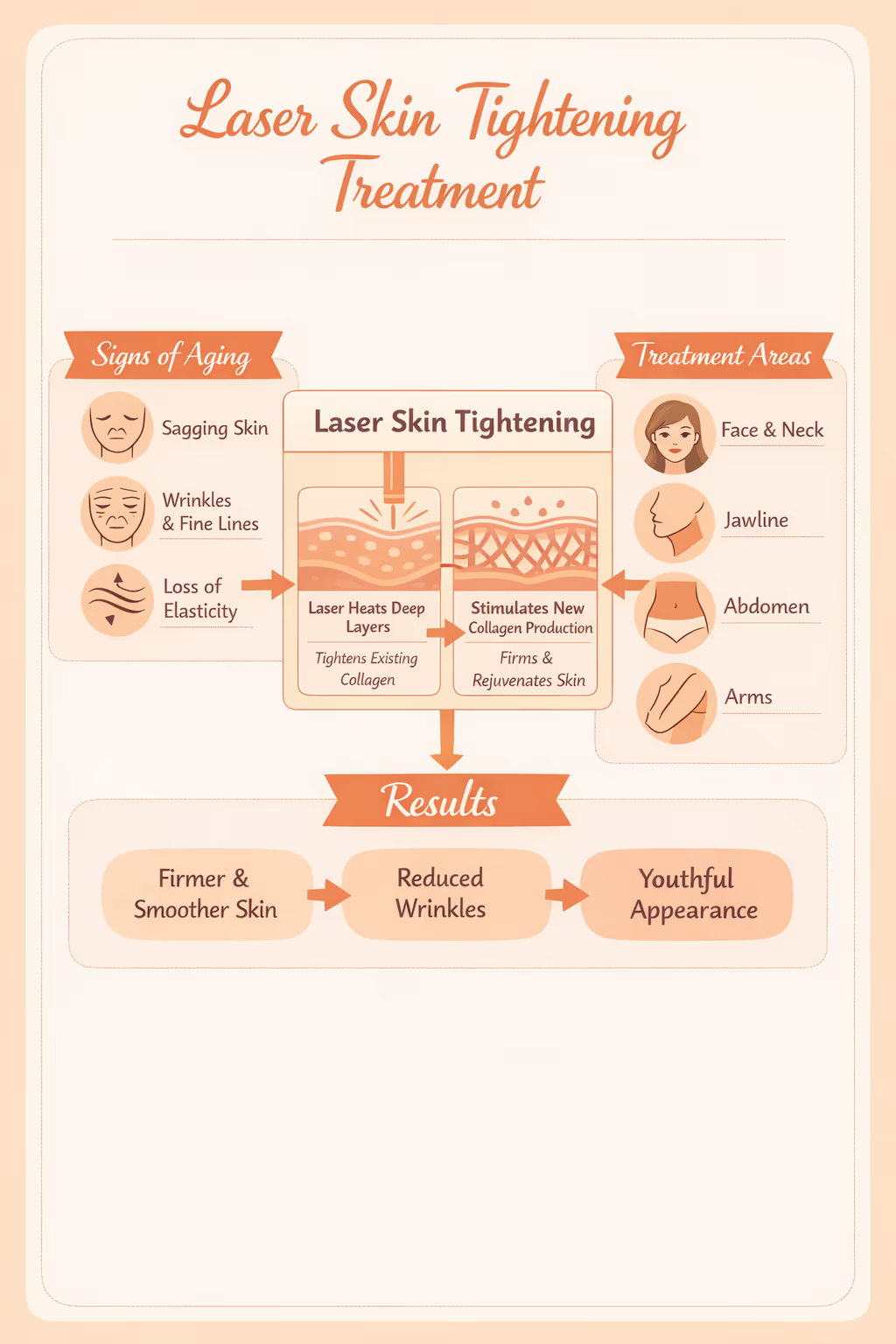
Two proteins, collagen and elastin, are responsible for our skin remaining firm and bouncy. Collagen acts as inner support for your skin. It gives shape, strength, and fullness, so your skin looks smooth and plump. Elastin allows your skin to stretch, like a rubber band, and then return to normal. This is how collagen and elastin work together, which lets your skin appear thick, strong, and young As we get older, our bodies produce less collagen and elastin. That can result in thinner skin, fine lines, wrinkles, and sagging, making it less firm, especially in the face, neck, and jawline areas
This is where laser skin tightening is beneficial, as it is a non-surgical procedure to deal with these signs of ageing. The focused laser gently heats the deeper layers of skin. The heat tightens the existing collagen and, over time, signals your body to make new collagen. So, your skin will progressively become firmer, smoother, and fresher-looking. This treatment is ideal for mild to moderate laxity, rhytids, crepey skin, or textural irregularity. Common areas of treatment include the face, neck, jawline, abdomen, and arms. This treatment supports and hastens your skin's own repair system. It also enhances your skin's natural healing process; there are no cuts, stitches, or general anaesthesia.
How It’s Different from Other Procedures
Laser skin tightening, as well as radiofrequency (RF) skin tightening, are both non-invasive procedures that encourage collagen production, resulting in firmer and youthful skin. But, they are different in several ways, such as electric energy source, skin layer depth, and the issues that can be solved.
Aspect | Laser Skin Tightening | Radiofrequency (RF) Skin Tightening |
Energy Source | Focused light or laser beams | Radiofrequency (electrical) waves |
How It Works | Delivers concentrated light energy that heats targeted skin layers, causing collagen fibres to contract and triggering new collagen production through controlled micro-injuries | Uses radio waves to generate uniform heat in deeper skin layers, tightening existing collagen and stimulating gradual remodelling without damaging the surface |
Temperature Range | Around 66°C, enough to contract collagen precisely | Approximately 50–75°C, depending on device and depth |
Penetration Depth | Surface to mid-dermis; allows precise targeting | Deeper dermis and subdermal layers; more uniform heating |
Effect on Skin Surface | Can be ablative (removes outer skin) or non-ablative | Always non-ablative (skin surface remains intact) |
Skin Type Suitability | Best suited for lighter skin tones; higher risk of pigmentation issues in darker skin | Safe for all skin tones |
Primary Concerns Treated | Fine lines, wrinkles, uneven texture, pigmentation, acne scars, and sun damage | Skin laxity, sagging, mild volume loss, loose skin |
Results Timeline | Faster and more noticeable improvement, especially for surface issues | Gradual, progressive tightening over multiple sessions |
Downtime and Recovery |
If you are looking for a visible improvement in skin texture and superficial concerns, then laser procedures would be perfect for you. On the other hand, RF therapies can penetrate deeper to tighten the skin with less recovery time and are great for regular maintenance or body treatments.
How Laser Skin Tightening Works on Your Skin
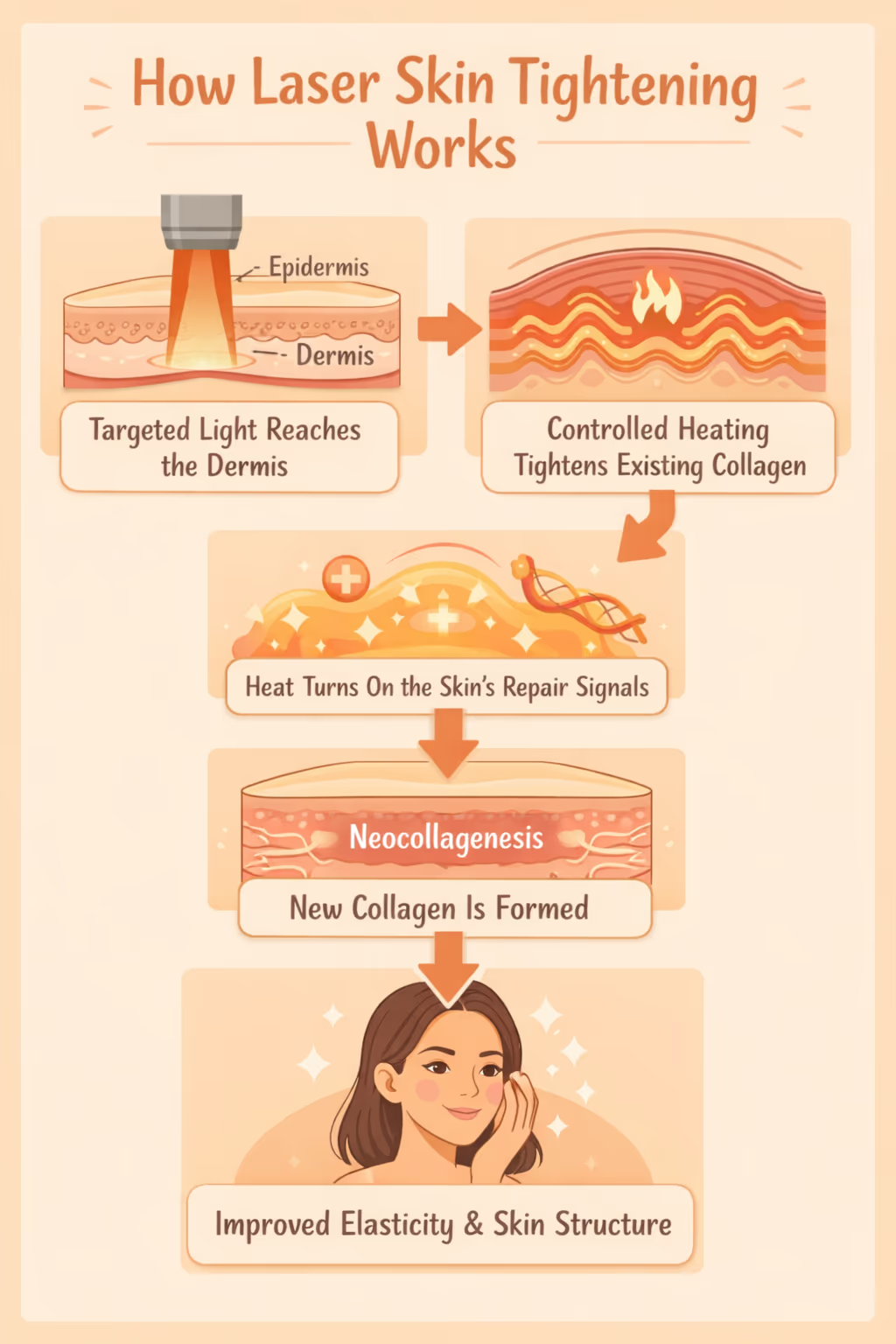
Laser skin tightening uses something called selective photothermolysis. In plain terms, it uses controlled heat to target deeper skin layers without harming the surface. The heat helps the skin heal itself, leading to firmer skin over time.
Targeted Light Reaches the Dermis.
The laser produces certain wavelengths of light that preferentially heat the water in the skin. Energy penetrates into the deeper layers of the skin where collagen is found, while cooling protects the outer skin. This allows for accuracy and safety in treating the condition.
Controlled Heating Tightens Existing Collagen.
Heating the dermis to about 60–70°C makes collagen fibres loosen a bit, so they shrink and tighten right away. You may feel the skin firm up a bit after the session.
Heat Turns on the Skin's Repair Signals
Specific heat signals, such as heat-shock proteins, cytokines, and growth factors. These will, in turn, tell skin cells to heal and stimulate the fibroblasts (the cells that make collagen) to multiply and work more during the next few days.
New Collagen Is Formed (Neocollagenesis)
Over the following weeks, fibroblasts produce more collagen, namely Types I and III. Collagen-degrading enzymes are reduced, and stronger collagen can build up. This remodelling aspect can continue for several months and allows for further skin thickening and tightening.
Improved Elasticity, Skin Structure
As collagen renews, elastin fibres realign, and more moisture-binding molecules are created, such as GAGs. In fractional laser treatments, small treated spots are made while the surrounding skin remains intact, thus speeding healing and boosting overall skin quality. In other words, laser skin tightening gently warms deeper layers of skin, causing the existing collagen to tighten and the growth of new collagen. In time, the skin becomes firmer, smoother, and more resilient, but with its surface mainly intact.
Why Choose Laser Skin Tightening Instead of Surgery
Laser skin tightening works by gently heating the collagen beneath the surface of the skin. Since there is no cutting, removal of tissue, or stitching involved, it leaves no visible scars. This is quite contrary to surgery, which involves cuts along areas like the hairline or jaw and sometimes may heal in larger scars or keloids. Recovery after laser skin tightening is rapid and easy. Most people develop mild redness that resolves in days, and they can return to normal activities quite soon. Because general anaesthesia is not used in the process, there are no such side effects related to anaesthesia, like nausea or postoperative tiredness, which persist for a longer period.
Laser treatments also boast fewer complications. They bypass the common surgical risks of infections, heavy bleeding, nerve damage, or facial unevenness. The laser provides controlled, targeted heat to particular layers of the skin while it leaves the surrounding tissue unharmed. Side effects, should they occur, are usually temporary and include slight redness or slight changes in skin colour. Another plus point of getting laser skin tightening is that it can be repeated safely over time. This makes it suitable for ongoing upkeep, since the skin keeps ageing without raising long-term risk. Surgeries are usually a one-time procedure and are not easily repeated. Laser skin tightening results in gradual changes in collagen occurring over a period of many months, yielding subtle and natural firmness. This slow improvement helps to avoid the overly tight, "overdone" look, whereas surgical lifting often looks unnatural when skin is pulled too hard.
Different Types of Laser Skin Tightening Treatments
There are different laser skin tightening treatments. Different laser treatments may penetrate the skin to distinct depths and are used for separate issues such as laxity, texture, wrinkles or scars. Knowing the common laser types employed in skin tightening guides in selecting the proper treatment for your skin type, objectives, and post-treatment downtime.
Fractional Lasers
Fractional lasers treat only a fraction of the skin at a time and leave surrounding areas intact. This results in microscopic treatment zones scattered over the surface of the skin, resembling small dots, separated by healthy skin that assists in the faster healing while giving effective results. It ranks as the best laser skin tightening treatment as it stimulates more collagen and visible firming for wrinkles or laxity. Fractional lasers can be ablative or non-ablative. Fractional ablative lasers remove tiny sections of the outer skin (the epidermis) while heating the deeper skin (the dermis). Fractional non-ablative lasers heat the dermis without breaking the skin surface. Because only small areas are treated, fractional ablative lasers have much less downtime than fully ablative lasers. They do a nice job of improving skin tightening, texture, and tone. This balance of results and recovery makes fractional treatments very popular.
Ablative lasers
Ablative lasers, such as those made of CO₂ and Erbium: YAG, remove the superficial skin layer-the epidermis-while heating the underlying dermis. This controlled injury induces the fibroblast cells to produce new collagen during the healing process, which manifests as clearer improvements in skin texture, tone, and elasticity over the succeeding weeks and months. These lasers are great for deep wrinkles, acne scarring, rough texture, and some pigment problems, including melasma, in suitable candidates. But because they actually remove skin, ablative treatments require more downtime and aftercare when compared to their non-ablative cousins. There are mainly two types of ablative laser skin procedures, which are the CO2 laser and Er: YAG laser. Both treatments remove superficial controlled layers of skin and heat the underlying dermis, resulting in collagen stimulation and a tightening and smoothing of the skin.
CO₂ Laser Systems
CO₂ lasers emit at a 10,600 nm wavelength, a frequency that water in the skin easily absorbs. It allows vaporisation of the epidermis with heat provided to the deeper dermis. Treatment depth is precisely controllable, so CO₂ lasers are successful for deep wrinkles, marked skin laxity and advanced photoaging. Such lasers can provide measurable firming, usually between moderate and significant firming, with a longer downtime of about 10–14 days. People with Dark skin are more prone to changes such as pigmentation. Most patients need one or two sessions to reach the desired results.
Erbium: YAG Lasers
Erbium: YAG lasers work at the wavelength of 2,940 nm, which gives very superficial and precise ablation with very little heat being transmitted to the tissue around the area. Erbium: YAG lasers excel for precise resurfacing on delicate areas, offering effective results with faster healing. This makes them kinder than CO₂ lasers, yet they produce an increase in collagen production. Erbium: YAG lasers provide shallower penetration, and they are recommended for issues such as fine lines, skin surface texture irregularities, and mild to moderate skin laxity. Recovery time is generally shorter, averaging 5–10 days, and they are considered safer for Indian and darker skin tones when performed appropriately. Results are usually achieved over two to three sessions.
Non-Ablative Lasers
Non-ablative lasers work by heating the dermis, without damaging or removing the epidermis, and are good for people who want results with a minimum of downtime. The controlled heat elevates the tissue temperature to approximately 50–65°C, thereby shrinking the existing collagen and exciting fibroblasts via heat‑shock proteins. New collagen is thus slowly laid down over three months to six months. During treatment, the skin surface remains intact and is protected by cooling systems.
Nd: YAG and diode lasers are widely used for skin tightening, and both fall under non-ablative treatments. It means the surface of the skin stays intact, nothing is peeled off or burned away, so most people can fit these sessions into a normal week without needing much recovery time. These devices send longer wavelengths of light into the skin, where the deeper layers warm up and the collagen there responds.
Nd: YAG Laser
An Nd: YAG laser reaches quite deep into the skin, so the tightening effect starts from within rather than just on the surface. Because this wavelength doesn’t react strongly with melanin, it is generally considered suitable for darker complexions, including Indian skin.
The warmth from the laser makes existing collagen fibres contract and also nudges the skin to gradually build fresh collagen over the next several weeks. The change is steady and subtle, so the skin looks firmer and lifted without that “pulled” look. Usually, more than one session is planned, but people can almost always get back to work or their daily tasks right after an appointment.
Diode Laser
Diode lasers act a little closer to the surface compared with Nd: YAG, but they still leave the outer layer of the skin intact. Clinics often rely on them to deal with uneven texture, enlarged pores, and early signs of looseness. The controlled rise in temperature tightens collagen fibres and supports new collagen over time, which gradually improves smoothness and firmness. You can notice a bit of redness right after treatment, but it tends to settle within a few hours to a day. Diode lasers are frequently used on the face, and, as with Nd: YAG, results usually build up over a short series of sessions rather than a single visit.
Who Is an Ideal Candidate for Laser Skin Tightening?
If you're someone looking to get laser skin tightening in Bangalore, there are some criteria you should meet to get this procedure done. you should be an adult aged 30 to 65 with mild to moderate skin laxity. Your skin should have good elasticity, and the dermis should be responsive for optimal collagen response.
Your BMI (around 30 is preferred and weight should be stable and ideal. You should have realistic expectations from laser skin tightening treatment and also understand how your results will appear. You shouldn't be a smoker, or you should be willing to quit, along with no active skin disease or infection. Lasers work best on those individuals with wrinkles, sun-damaged or leathery skin, or fine lines and wrinkles around the eyes, mouth, and forehead, acne or chickenpox scars that are very shallow, and sagging skin that is at a mild degree only.
Laser skin tightening may not be suitable for everyone. It is usually avoided during pregnancy or breastfeeding due to limited safety data, and it should not be done on areas with active skin infections, cold sores, severe acne, or suspicious moles. People who have recently used isotretinoin may have fragile skin and a higher risk of scarring, so treatment is typically delayed. Caution is also needed for those taking medicines that increase sun sensitivity, those with a tendency to form keloid scars, autoimmune or collagen-related conditions, or recently tanned skin. Darker skin tones can be treated safely, but only with proper preparation and experienced supervision to reduce the risk of pigmentation changes.
What Happens During a Laser Skin Tightening Procedure
Laser skin tightening needs some preparation beforehand to keep it safe and help you achieve the best results you're looking for. Your provider will give proper instructions to follow before the treatment.
Pre-Treatment Consultation
The first phase involves consultation with the doctor, during which your medical history is reviewed, goals are discussed, and a skin assessment is conducted. You will talk about the medicine you take, sensitivity, any past skin treatment, and the doctor will also perform a skin patch test. As per the requirement, they may prescribe preventive medicine to avoid infections.
You will be advised to avoid direct sunlight, UV exposure, and tanning bedsfor one to two weeks before treatment. Don't get any treatment such as chemical peels (for at least 2 weeks before the session), avoid exfoliants, retinoids, and strong skincare products for a week to one month before the treatment. Inform your provider if you take blood thinner or medicine that makes your skin sensitive to light. A day before the treatment, hydrate yourself.
The Treatment Process
On the day of treatment, come with clean skin without any makeup, cream, sunscreen, or oils. You would be given protective eye covers, and a numbing cream would be applied 30 to 60 mins before for your comfort.
A laser skin tightening session usually takes about 30 to 90 minutes for each area. It is done as an outpatient procedure. You can go home right after. Most people find it quite comfortable and easy to sit through.
Initial Contact
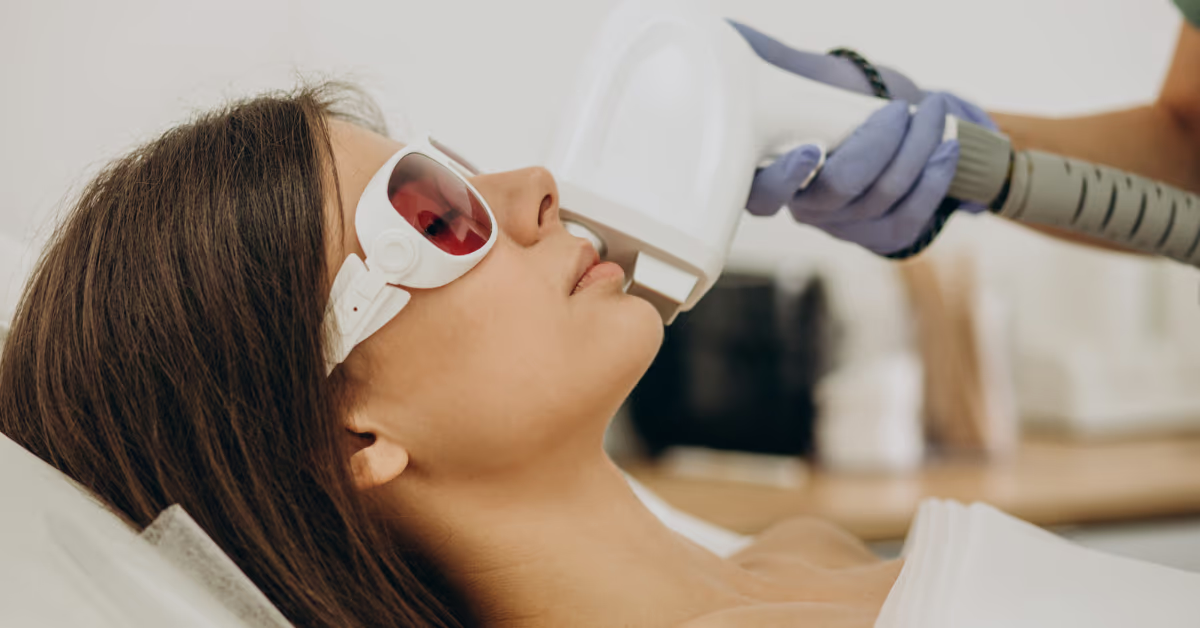
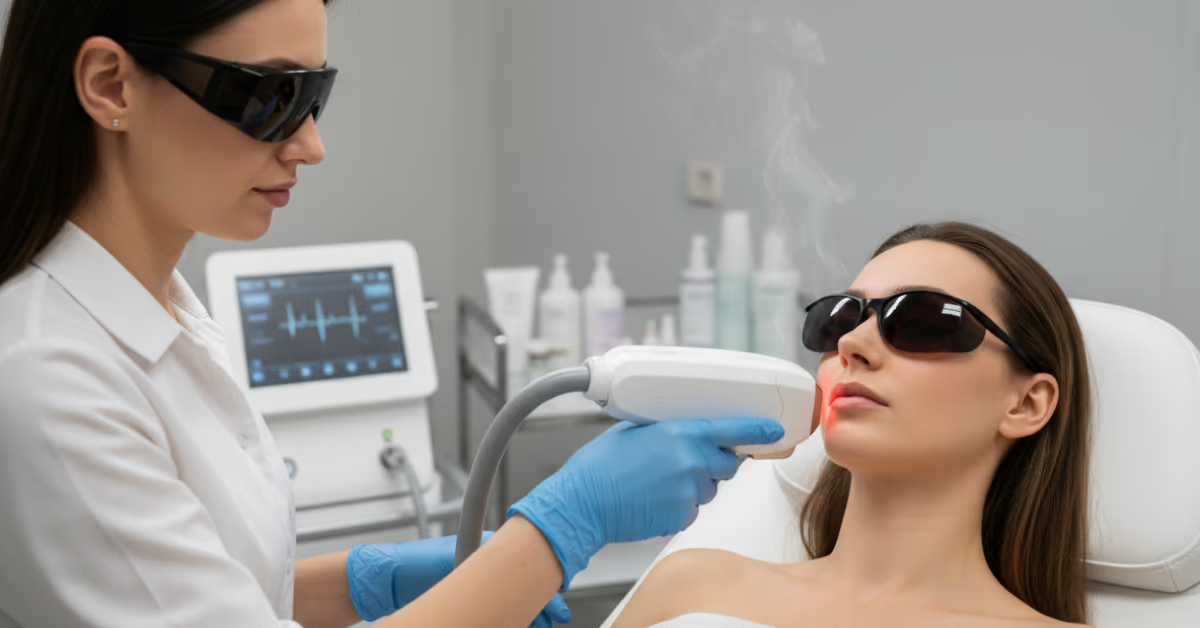
When your session begins, the practitioner puts a small handheld laser on your skin. You will feel a mild warmth, something similar to a warm heating pad or a light hot stone massage. This warmth originates from infrared energy that gets into the deeper layers of your skin, where the collagen is, without burning the surface.
Pulse Delivery
The device then starts to deliver short pulses of laser energy. Each pulse may feel like a quick snap or light pinch, followed by warmth that slowly builds as the treatment goes on. This heat targets the collagen fibres under the skin, making them tighten right away and helping the area feel a bit firmer.
During the Passes
The practitioner moves the device slowly across the treatment area, such as your face, neck or jawline, in small, overlapping sections. As the session proceeds, the treated area may get warm and possibly a little tingling or stinging; however, most people find it quite easy to tolerate. Most modern machines have built-in cooling that blows cool air or gives short bursts of cooling between pulses. This protects the outer layer of skin and can help keep any discomfort at tolerable levels. Your provider can adjust the settings as needed to keep the treatment within a safe and comfortable range for you.
Types of Lasers Used
- Non-ablative lasers heat the deeper layers of skin without removing the top layer and are usually safe for any skin tone.
- Fractional lasers produce thousands of tiny, controlled heat zones in the skin to help form new skin and new collagen.
How the Skin Responds
The warmth from the laser makes the existing collagen fibres contract right away, which can give a mild, early tightening effect. At the same time, it signals your skin to start producing new collagen over the next few months. This steady collagen renewal is what leads to gradual and longer-lasting firmness.
After the Session
Immediately after treatment, your skin may look a little pink or feel warm, such as a mild sun flush. This usually settles down fairly quickly. Your provider may apply a cooling gel, a cold compress or an ice pack to soothe the area. There are no needles, cuts or bandages involved, and most people return to work or normal daily activities the same day. You might notice a slight improvement in firmness quite early, but the full results appear gradually over about three to six months as collagen continues to rebuild.
Post-Treatment Care
For the first 15–30 minutes, apply cool compresses or mild gels, like aloe vera, to soothe heat and redness. For the following 24 to 48 hours, avoid touching the treated area, wearing makeup, or taking hot showers. Gently wash affected areas with lukewarm water or saline solution 2 to 5 times a day. Dab dry and apply a fragrance-free moisturiser or petroleum jelly liberally to prevent drying and peeling; continue this process for approximately 5 to 7 days.
Protect your skin from the sun by using a broad-spectrum sunscreen of at least SPF 30 every day. If you are going out, reapply it every 2 hours, and use a hat for further protection. Avoid direct sun exposure as much as possible for 1-2 weeks to prevent changes in pigmentation. Avoid saunas, strenuous exercise, retinoids, exfoliants, and alcohol for 48 hours to one week as instructed by your provider. If you experience extreme swelling, blistering, increased pain, or any signs of infection, contact your provider immediately.
What to Expect After Laser Skin Tightening Treatment
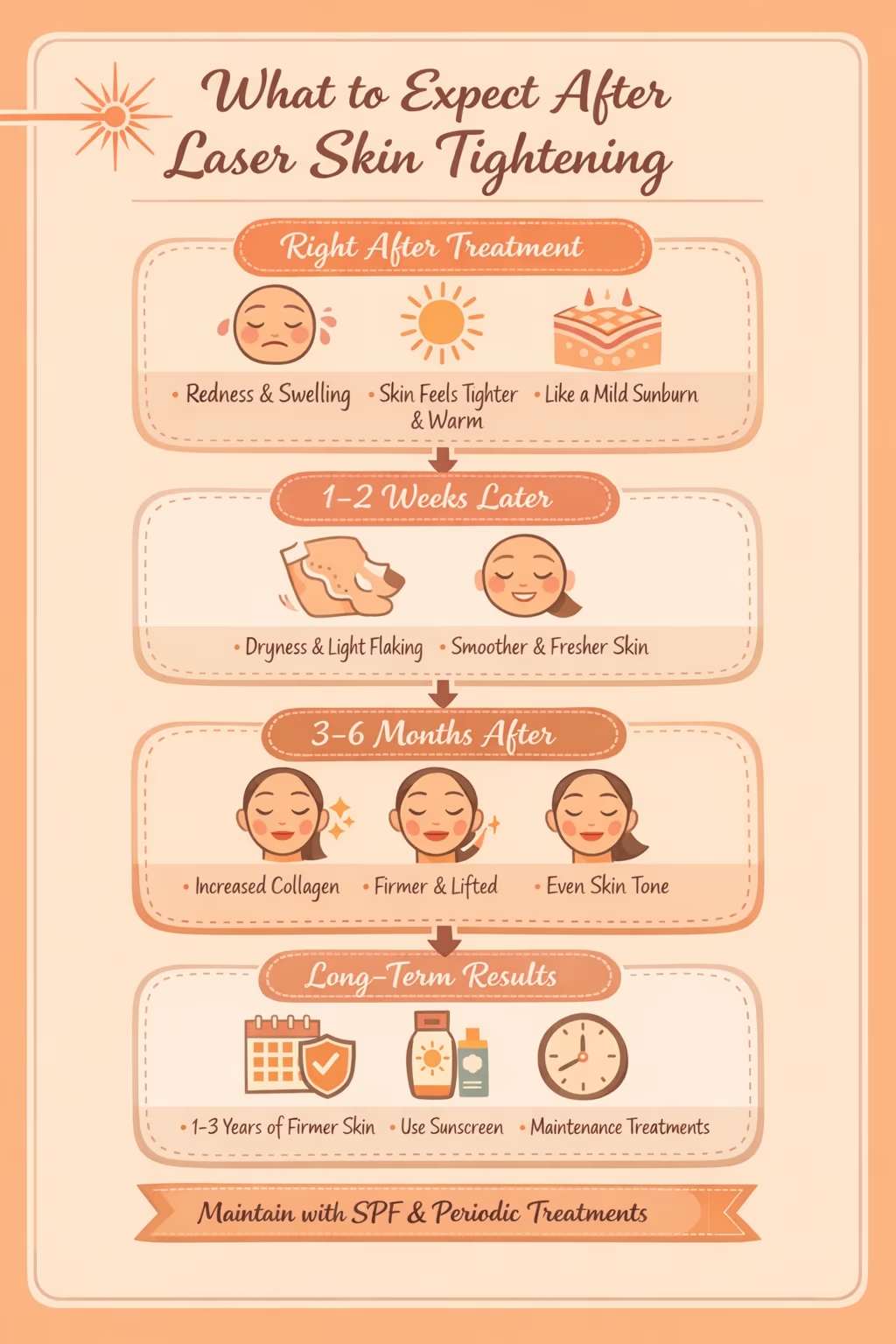
Laser skin tightening works gradually as your skin builds up its collagen stores. You might notice minor changes within days, but the bulk of results come throughout the following months. Also, this treatment does not cause damage to the skin, has less downtime, and improvements happen naturally. In the first few days after treatment, your skin may feel tighter, warmer, or a bit sunburned. Mild redness or swelling is common. The early tight feeling comes from the tightening of collagen and usually goes away in two to three days.
In the first week or two, skin may feel dry or lightly flaky as it renews. Many people comment on how much smoother their skin feels and that it looks healthier with a subtle boost in firmness. Within three months, the production of collagen increases. Fine lines gradually soften; skin feels more elastic, and the tone appears more even. It can provide a subtle lifting effect around areas such as the jawline or cheeks.
Results are generally better between three and six months. The skin appears to be firmer, tighter, and more youthful with better definition and less sagging. In some cases, the skin will improve for up to a year. Results will last from one to three years, depending on age, lifestyle, and skincare practices. Results are longer when combined with regular use of sunscreen and periodic maintenance treatments every six to twelve months.
Laser Skin Tightening Before and After: What Results Can You Expect
Before getting a laser skin tightening procedure, your skin might appear loose or crepey, with fine lines, uneven texture, and mild sagging. Areas such as the jawline, neck, and around the eyes may be less defined, and the overall skin tone can appear slightly dull because of reduced collagen and a thinning dermis. However, right after treatment, you may notice some mild redness or slight swelling, especially if a stronger laser has been used. Many people also feel a gentle tightening almost immediately, as existing collagen fibres contract. Most visible changes take time, but the deeper layers of the skin may begin responding straight away.
Over the next few weeks, your skin gradually looks smoother and more refined. Your skin texture begins to improve, pores may appear smaller, and fine lines start to soften as your natural repair processes switch on. The treated areas will feel firmer, and features such as the jawline and neck often appear a bit more defined. In the months that follow, as collagen continues to remodel, the improvements become more noticeable. Your skin tends to feel thicker, springier, and more lifted, with better elasticity and a more even tone. Fine lines and early sagging are reduced, resulting in a fresher, well-rested look rather than drastic or artificial changes.
How Many Sessions Are Needed and When Will You See Results
Most people in Bangalore require 3 to 6 sessions of laser skin tightening for good results. Sessions are usually spaced out 2 to 4 weeks apart, but the exact number depends on your age and skin looseness, along with the type of laser used. A great number of clinics, not excluding the really popular ones like VLCC, also plan the number of sessions after a personal consultation with each individual because everyone's skin reacts differently.
Mild sagging requires about 3 sessions, while for moderate laxity, which happens often, 4 to 6 sessions are common because collagen builds slowly with each treatment. Non-ablative lasers like Nd: YAG usually require more sessions since they work gently and have little to no downtime. It is for this reason that they are popular for the face and neck in Bangalore. These fractional lasers, such as Fractional CO₂ or Erbium, may require a series of 3 to 6 treatments separated by about 4 to 6 weeks. They are more effective for wrinkles and visible laxity but may involve more downtime than non-ablative options.
Generally, most clinics advise 3 to 8 sessions, performed at 2- to 6-week intervals for optimal tightening and collagen boost. In Indian skin types, and more so in dark skin, physicians often prefer multiple gentle sessions and a few strong ones to reduce the risk of potential pigmentation problems. After results are achieved, 1 to 2 maintenance sessions per year can help keep the skin firm; depending on skincare, sun protection, and lifestyle, results usually last for a time span of 1 to 2 years.
How Safe Is Laser Skin Tightening?
Thinking about getting laser skin tightening in Bangalore, especially fractional laser treatments, is quite common now. Look for a dermatologist with proper qualifications who works with good machines, not outdated or unregulated ones. Many long-standing skin clinics in the city now use newer, FDA-approved systems that are designed to heat the deeper layers of the skin in a controlled way. In a fractional laser session, the doctor does not blast the entire skin surface at once. Instead, tiny spots of the skin are treated, leaving normal skin in between. This healthy skin helps the treated areas repair themselves more quickly. Because of this, people usually recover faster and face fewer problems than they would with older, more aggressive lasers that remove the full outer layer of skin.
Indian skin often tans and pigments easily, so doctors usually plan these procedures more carefully. They may start by preparing the skin with specific creams, test a small area first, and then adjust the settings so that they suit darker tones. When this is done with care, the chances of patchy colour, dark marks, or stubborn spots after treatment go down a lot. Right after the session, the skin may feel warm and look a bit red or puffy. This is expected and usually settles on its own within a short time, anywhere from a few hours to a couple of days. Problems like burns, scars, or severe colour changes are unusual when the treatment is done by someone experienced and when you follow the aftercare instructions that are given to you. So, for many people, laser skin tightening is a practical way to improve mild sagging and uneven texture. The important part is not just the machine, but the person using it and the clinic you trust for your treatment.
Risks and Safety of Laser Skin Tightening You Should Know About
Generally, laser skin tightening in Bangalore is safe when completed by a qualified dermatologist or trained laser specialist using FDA-approved equipment and following strict protocols by reputable clinics that allow for laser skin tightening on a variety of skin types.
Common Side Effects
Any side effects are generally mild and temporary, such as a mild sunburn-like reaction, as the laser will use a combination of heat and light to stimulate the production of collagen in the skin. Normally, this reaction can be treated quickly with proper care after the session. The redness and swelling of the skin immediately after treatment will subside within a few hours to a few days of receiving the laser skin tightening treatment, although you will still notice visible redness and swelling in the skin for a few days to a week after treatment. Cooling measures are taken before and after treatment, which reduces this effect.
Most people experience mild warmth, tingling, or tightness in the treated area immediately after treatment. These sensations typically last for a short time following the treatment and are considered normal responses due to the contraction of collagen in the skin during the skin-tightening process. Pain relief is generally not required after treatment for most patients. Over the next few days, as the skin continues to renew itself, many people will notice that their skin feels dry or lightly flaking, and using a moisturising cream is beneficial for keeping the skin comfortable. In particular, it is very important to avoid scratching or peeling the skin.
Doctors working with people in Bangalore who tend to have medium or darker skin tones take extra precautions with Laser Treatments by adjusting machine settings and prepping the skin before treatment to minimise any pigmentation issues as a result of sensitivity to the sun. As sensitivity to the sun may increase, laser skin tightening is considered safe when performed at an established clinic by qualified and experienced staff and has minimal side effects that are predominantly short-lived and easily managed.
Rare Complications and How They Are Handled
The rare complications associated with Laser Skin Tightening are due to improperly set laser settings, poor post-treatment care, or unsuitable treatment candidates. Fortunately for residents of Bangalore, qualified and experienced dermatologists are trained to identify and treat the causes of these complications promptly, effectively preventing prolonged adverse effects.
Once treated with Laser Skin Tightening, some patients may notice an increase in pigmentation (darkening) of the treatment area, especially with deeper skin tones. This will gradually resolve and can be readily addressed with prescribed creams and appropriate sun protection until the skin tone normalises. Some patients may develop burns or blistering due to overheating of the skin, and while this is uncommon with the proper cooling of the skin during and after treatment, it can occur. If this should happen, these patients are treated with topical soothing or medicated creams, and the resultant burns or blisters heal quickly without scarring.
There is the possibility of developing scars or light patches after laser tightening, although this is very infrequent and more common for those who have keloid tendencies, especially if aggressive settings are being used for the procedure. Treatment over time with medical therapy can improve these conditions. Infections are infrequent and generally occur when an individual does not follow proper hygiene or aftercare instructions. Infections that do occur will respond quickly when treated with the appropriate medications. Reputable clinics like VLCC offer proper sterilisation and safety practices to reduce the risk of infection. Serious complications from laser skin tightening are rare, especially when the procedure is performed by an experienced professional in Bangalore.
Cost of Laser Skin Tightening Treatment in Bangalore
The average cost of laser skin tightening in Bangalore ranges from ₹15,000 to ₹35,000 per session for the face, as per the type of laser, area treated, and clinic treatment. Packages for three to six sessions usually reduce the per-session cost.
Cost As Per Treatment Type
The cost of laser skin tightening in India can vary based on the type of laser used, the number of sessions, and the area being treated. Below is an estimated price breakdown of different laser skin tightening options to give you a clear idea of the investment needed for visible, long-lasting results.
Laser Type | Average Cost per Session (₹) | Sessions Typically Needed | Estimated Total Package Cost (₹) |
Non-Ablative Lasers (Nd: YAG / Diode) | 10,000 – 25,000 | 4 – 6 sessions | 40,000 – 1,50,000 |
Fractional CO₂ Laser (Ablative) | 20,000 – 50,000 | 3 – 5 sessions | 60,000 – 2,50,000 |
Erbium YAG Laser (Ablative) | 10,000 – 60,000 | 1 – 3 sessions | 30,000 – 1,80,000 |
Pulsed Dye Laser (Vascular-Focused) | 7,000 – 20,000 | 3 – 6 sessions | 25,000 – 1,00,000 |
RF Microneedling (Hybrid Technology) | 15,000 – 35,000 | 4 – 6 sessions | 50,000 – 2,00,000 |
Cost As Per Body Area
Prices for laser skin tightening in Bangalore depend on the body part being treated. Face treatments are the cheapest, and larger zones are the most expensive due to the time and energy spent.
Area Treated | Average Cost per Session (₹) | Notes |
Full Face | 15,000 – 35,000 | Most commonly treated area; suitable for non-ablative and fractional lasers |
Face + Neck | 25,000 – 50,000 | Popular combination package for comprehensive tightening |
Around Eyes and Crow’s Feet | 8,000 – 20,000 | Targeted treatment for fine lines; often uses low-intensity lasers |
Jawline or Chin | 12,000 – 25,000 | Focuses on skin laxity and contour definition |
Abdomen | 20,000 – 40,000 | Larger treatment area; may require higher energy levels |
Arms and Hands | 15,000 – 30,000 | Typically priced per pair |
Thighs and Legs | 25,000 – 60,000 | Full-area body tightening treatment |
Factors Affecting Treatment Cost
Laser skin tightening prices in Bangalore can vary quite a bit. The final cost depends on the type of machine being used, how advanced the clinic’s setup is, and your own skin concerns. Most clinics will only share an exact quote after an in-person consultation, once they’ve assessed your skin and planned a treatment that’s both safe and effective for Indian skin tones. Understanding these cost factors helps you choose a clinic more confidently, so you can balance your budget without compromising on safety or results.
- Cost range: Laser skin tightening in Bangalore is generally influenced by the clinic, technology applied and the treatment area.
- Type of laser technology: Fractional CO₂ lasers are high-end and costly due to deeper skin penetration skills; non-ablative lasers such as Nd: YAG provide a time- and budget-friendly alternative with less downtime.
- Combination therapies: Laser combined with radiofrequency generally costs more, as that method can treat the superficial and the deeper skin layers for added tightening.
- Size of treatment area: Costs are lower for areas such as the under-eye area or jaw line, and higher if the entire face, neck, or body is treated, as the session lasts longer and uses more energy.
- Clinic location within Bangalore: Clinics in prime or upscale areas usually charge more because of higher rents, better interiors, and overall operating costs. Clinics in slightly less central or outer areas often offer more budget-friendly pricing.
- Clinic reputation and setup: Well-known chains and established dermatology centres generally cost more, as they invest in trained staff, strict hygiene, standardised protocols, and reliable safety measures.
- Doctor’s qualifications: Sessions done by experienced dermatologists are usually priced higher than those handled mainly by technicians, but this also helps reduce the chances of side effects such as burns or post-inflammatory pigmentation.
- Number of sessions required: If you have only mild skin laxity, you may need fewer sessions. Moderate to more noticeable looseness usually needs multiple sittings spread over a few months, which increases the overall cost.
- Package pricing: Many clinics in Bangalore offer package deals when you book several sessions together. This often brings down the per-session price compared to paying for each visit separately.
- Pre-treatment assessment: Some clinics may charge a separate fee for detailed skin analysis, doctor consultations, or imaging. While this adds to the upfront cost, it helps customise the settings for Indian skin tones and makes the treatment safer and more effective.
Why VLCC India Is a Preferred Choice for Laser Skin Tightening in Bangalore
Laser skin tightening at VLCC is a less intimidating option for those who may be uncertain about using lasers for skin tightening. VLCC provide a calm, inviting environment, easy-to-schedule appointments, and a holistic type of treatment that plays a huge part in making laser skin tightening less stressful on all levels for someone who has never received an aesthetic treatment before. VLCC creates a treatment plan specifically for your needs. Rather than treating everyone with the same laser session, the staff will spend time getting an understanding of your skin type, issues, lifestyle, and what you want to achieve. VLCC provides the best laser skin tightening treatment in Bangalore with solid aftercare follow-ups, including daily sessions to help you maintain consistency and check in as needed. We also provide pair options such as skin boosters, nutrition, and body contouring, along with the treatment.
Ready to get started? Book your laser skin tightening consultation at VLCC today.
Final Thoughts
If you want to achieve firmer, smoother skin without going under the knife or taking a lot of time off work, laser skin tightening is a great choice. It uses heat energy to stimulate existing collagen in the deep layers of your skin and create new collagen as your body continues to grow new tissue, giving you gradual results over time. The best candidates for this procedure are those with mild to moderate sagging who have realistic expectations and are willing to commit to following good pre- and post-treatment care. Because every kind of laser and different skin types have different issues to address, you must schedule a consultation with a qualified doctor to discuss your goals and determine which approach will work best for you. If you have started noticing the beginning stages of ageing or want a more youthful, refreshed look but can't afford to take weeks off to recover from surgery, Laser Skin Tightening is a great option for you in Bangalore. You will love your results and still look like yourself.
Frequently Asked Questions About Laser Skin Tightening
- Can laser skin tightening be combined with other treatments?
Yes, it is generally safe to combine laser skin tightening with other treatments, such as chemical peels, injectables and skin boosters, depending on one's skin type and treatment objectives. Treatments will be performed on a staggered basis in order to optimise results while limiting discomfort. A dermatologist will most likely use a phased approach as opposed to doing all of the treatments at once.
- Does laser skin tightening improve pore size and complexion?
While laser skin tightening improves skin firmness, it has an added benefit of enhancing skin quality through increased collagen production. As more collagen is produced, new collagen replaces old damaged collagen, resulting in smaller pores, smoother skin and a reduction in dull complexion. The effect of laser skin tightening on pore size will not be as evident as other pore minimisation treatments.
- Is laser skin tightening uncomfortable?
Most individuals feel mild to moderate warmth and have periods of occasional tingling or snapping sensations during these treatments. Newer lasers often utilise cooling mechanisms to help alleviate discomfort, as well as the use of topical numbing cream before the treatment. Most individuals tolerate treatment discomfort, and procedures do not require any type of anaesthetic or sedation.
- Can laser skin tightening prevent future sagging?
Laser skin tightening does not stop ageing, but it can slow down visible sagging by strengthening the skin’s collagen framework. Regular maintenance sessions, sun protection, and a good skincare routine can help preserve results and delay the need for more invasive procedures in the future.
- How do I choose the right clinic for laser skin tightening in Bangalore?
When selecting a clinic, look for qualified dermatologists, FDA-approved laser devices, transparent pricing, and personalised consultations. Clinics that customise settings for Indian skin tones and provide structured aftercare tend to deliver safer and more consistent outcomes than those offering generic, one-size-fits-all treatments.