Tummy Tuck in Abu Dhabi: Cost, Benefits, and More | VLCC
Weight Loss
Tummy Tuck in Abu Dhabi: Cost, Benefits, and More
V
VLCC
Nov 23, 2025·38 min read
Living in Abu Dhabi, it’s natural to feel that pressure of looking and feeling your best, whether it’s slipping into comfortable everyday wear, enjoying a beach day at Saadiyat, or simply feeling confident during busy city life. Sometimes, no matter how much you watch what you eat and exercise consistently, try new workout plans from social media, YouTube, or your gym trainer. It feels like never enough when the results we're looking for don't show. Especially for those who desire to achieve a smooth and toned tummy even after losing all the stubborn weight. Even though it's completely normal, it has many reasons why it refuses to go, like aging, weight fluctuations, or pregnancy.
Due to this, all the efforts you put into losing body fat are not directly visible in your appearance. But a tummy tuck or Abdominoplasty in Abu Dhabi can be the solution you are looking for. The city offers highly skilled surgeons, modern clinics like VLCC, and treatments designed for individuals seeking genuine, long-lasting results, rather than quick fixes. It’s not only about beauty; it’s about finally seeing the results you’ve worked so hard for and feeling at ease in your own body again.
What is a Tummy Tuck?
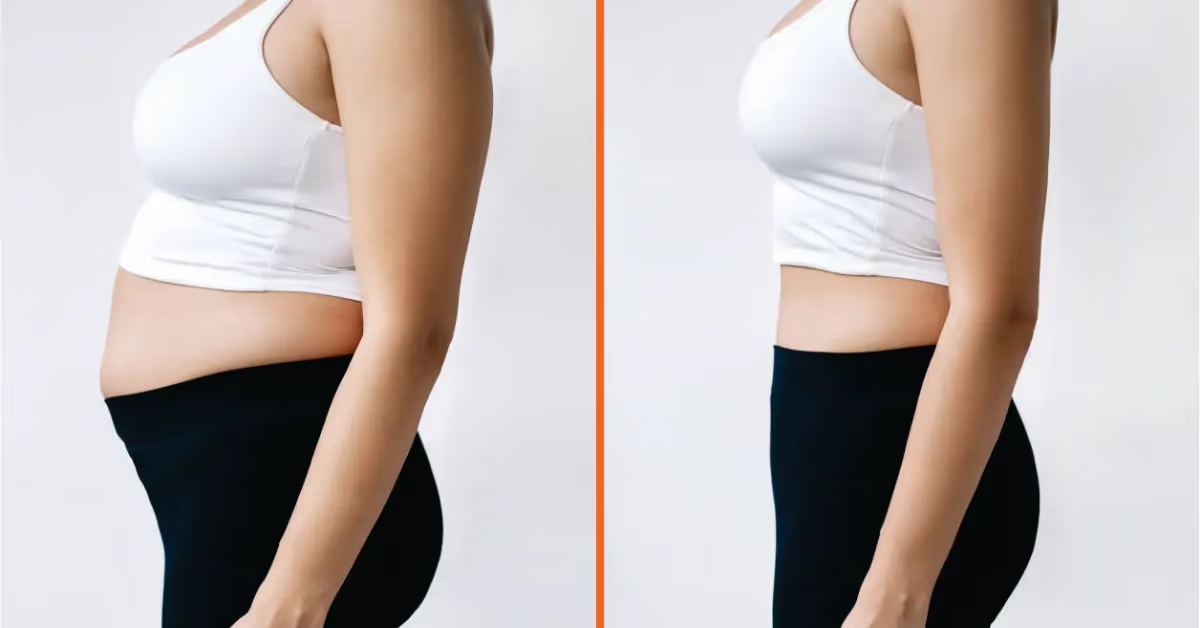
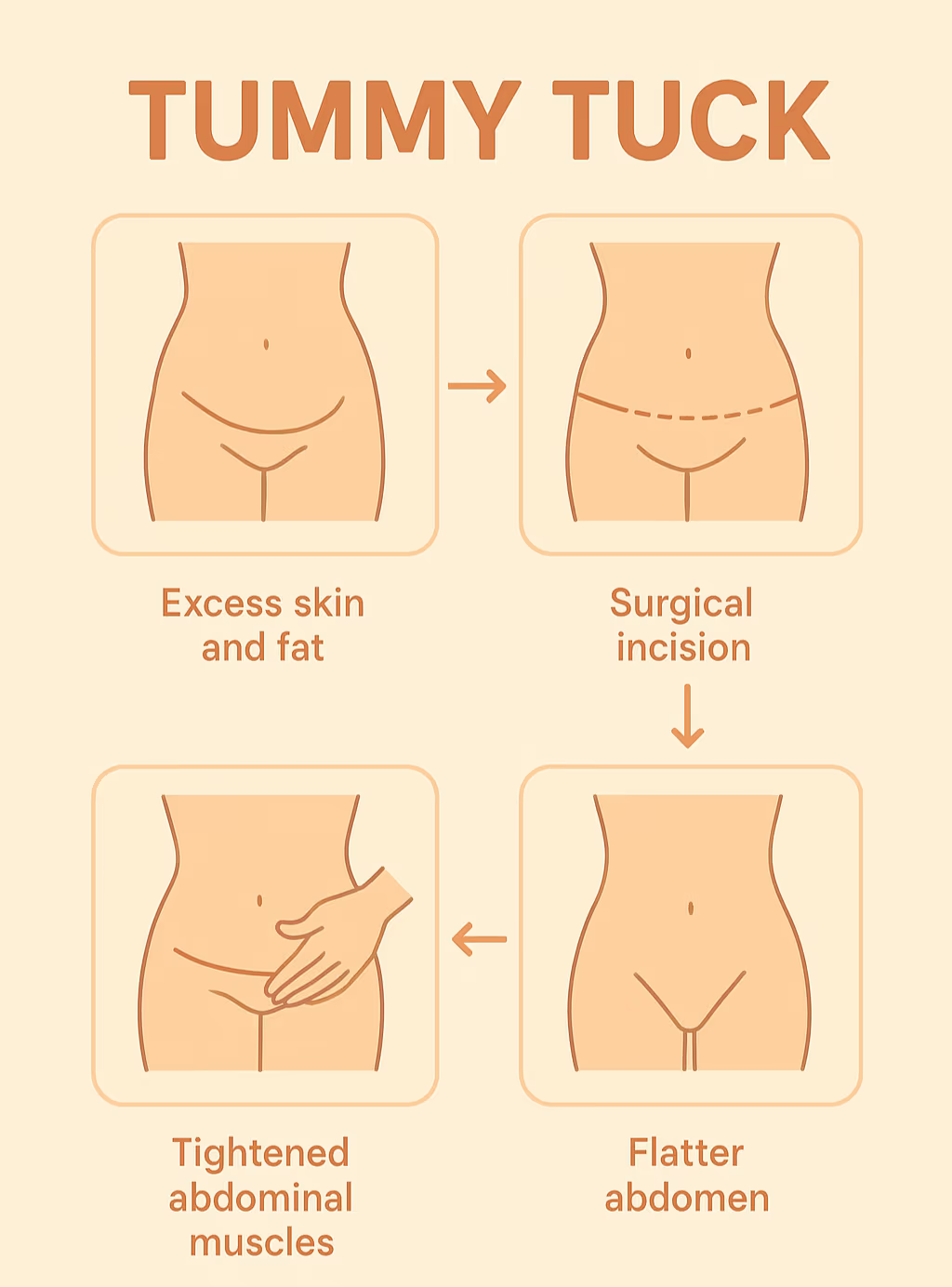
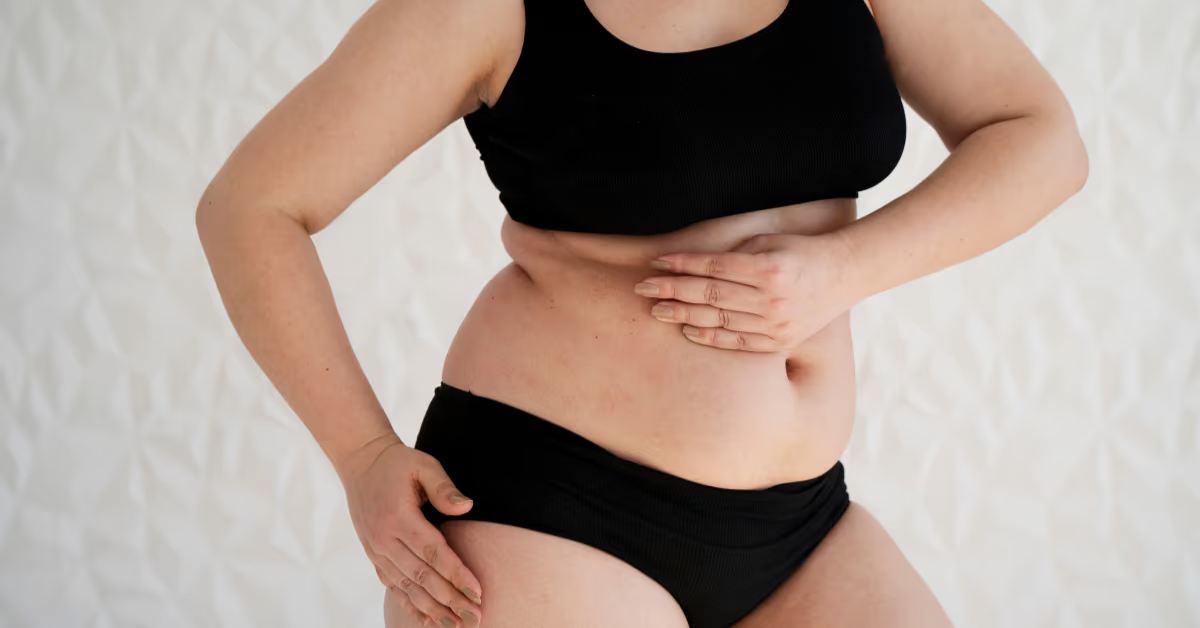
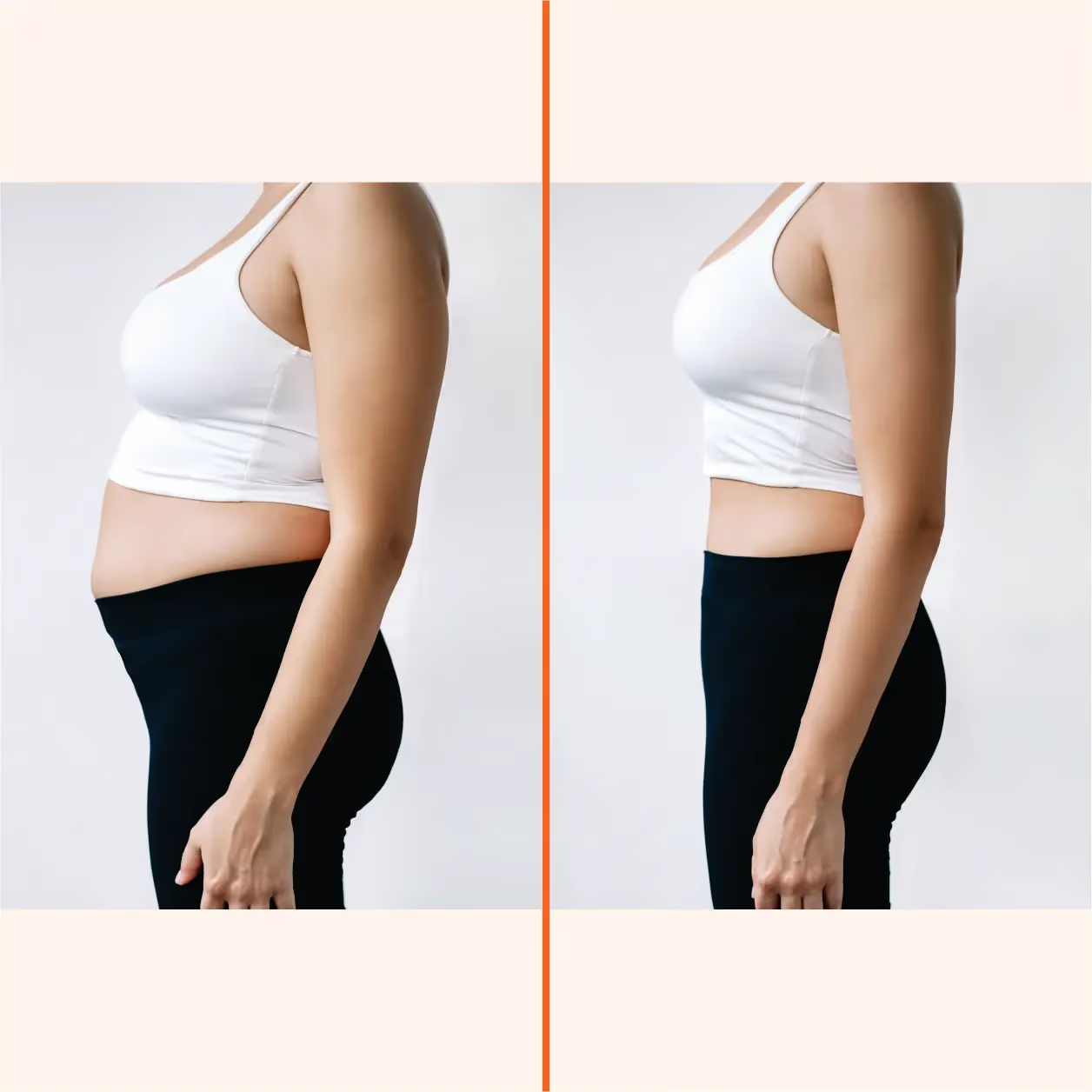
A tummy tuck is a surgical process that can help you improve the appearance and shape of your belly. This process involves removing excess skin and fat from the abdominal area, as well as tightening the abdominal muscles, to create a firmer, toned, and flatter abdomen.
This surgical procedure is commonly performed on individuals who have loose or sagging skin after significant weight loss. Pregnancy, aging, or abdominal surgeries can all contribute to loose or sagging skin. Tummy tucks can improve the contour and function of the abdominal wall after significant weight changes.
What are the Types of Tummy Tuck You Can Get
There are several tummy tuck procedures available, as per different needs as well as conditions:
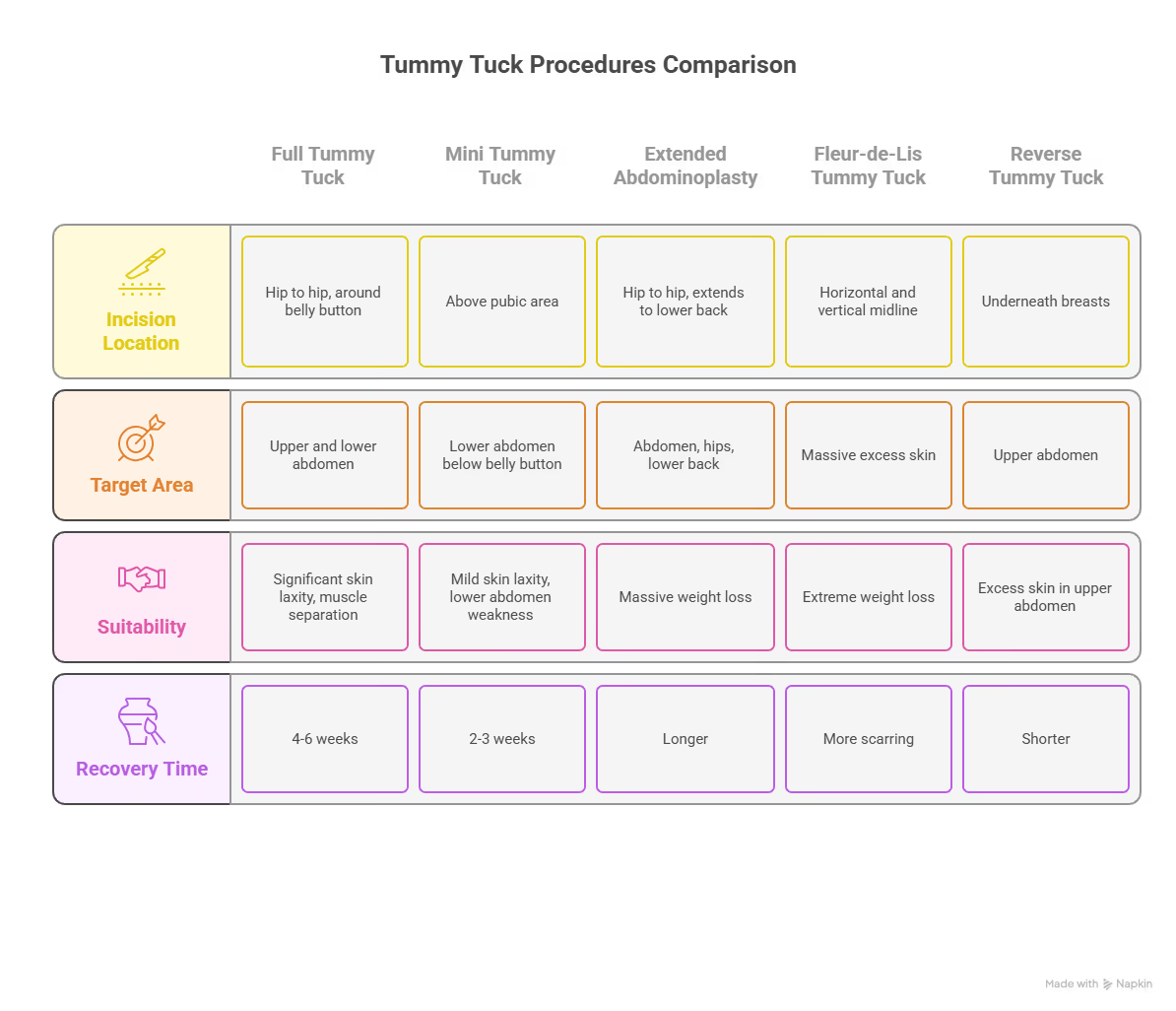
Full Tummy Tuck (Traditional Approach): The Full Tummy Tuck procedure involves a horizontal incision from hip to hip, and a second incision around the belly button. The excess skin and fat would be removed from both the upper and lower abdomen. This leads to tightened abdominal muscles and repositions the belly button. It is suitable for individuals seeking significant skin laxity and muscle separation. The Recovery usually takes about 4-6 weeks after the procedure.
Mini Tummy Tuck: In a mini tummy tuck, smaller incisions are made just above the pubic area, which targets only the lower abdomen below the belly button, and in this procedure, there is no need for repositioning of the belly button. It is most effective for mild skin laxity and some muscle weakness of the lower abdomen. The recovery is quicker and faster, typically taking 2-3 weeks.
Extended Abdominoplasty: Extended Abdominoplasty is similar to a full tummy tuck, but the incision extends around the sides to the lower back. This procedure is done to address excess skin and fat in the abdomen, hips, and lower back. This surgery is often used when someone has a massive weight loss. The recovery period is longer because of a larger treated area.
Fleur-de-Lis Tummy Tuck (Vertical Tummy Tuck): The vertical tummy tuck, also known as Fleur-de-Lis Tummy Tuck, is a combination of a horizontal incision with a vertical incision down the midline of the abdomen, which gives an inverted "T" shape. It removes excess skin both horizontally and vertically, typically in patients who have undergone massive weight loss and are left with significant excess skin. The results of this surgery are more scarring, as it allows the removal of more skin.
Abdominoplasty (Reverse Tummy Tuck):Abdominoplasty is widely known as a reverse tummy tuck. It is a procedure that targets only the excess skin in the upper abdomen. During the process, an incision is made underneath the breasts, pulling the skin upward. A reverse tummy tuck is often combined with breast procedures, and it has a shorter recovery time.
Tummy Tuck with Liposuction: It is a combination of skin removal and muscle tightening procedure with liposuction for fat contouring of the abdomen and flanks. It provides more sculpted results than any other procedure.
Can You Get a Tummy Tuck?
If you're someone looking to get a tummy tuck, there are a few things you should consider:
You should have a stable weight, below a BMI of 30. You should be able to maintain a stable body weight for 6 to 12 months before undergoing surgery.
You should not be diagnosed with any major medical conditions that might impair healing, such as uncontrolled diabetes, cardiovascular disease, or autoimmune disorders.
You should be a non-smoker or but if you aren't, then you should refrain from smoking at least six weeks before and after the surgery.
You should have realistic expectations regarding the results of the procedure.
Women should have completed their family planning and thus would not get other future pregnancies that negate the surgery's results.
If you're someone who has loose, sagging, or excess abdominal skin that has not improved with exercise. Then this is a sign that you should consider getting a tummy tuck.
You should be psychologically prepared for surgery with a clear goal in mind.
Who Should Not Get a Tummy Tuck?
Not everyone is a suitable candidate for a tummy tuck, especially if you meet these conditions:
Have severe obesity, with a higher BMI, then you should consider losing some weight before considering a tummy tuck.
Having any chronic conditions, such as a lung disorder, autoimmune disease, diabetes, or cardiovascular disease, can be risky for you.
If you’re planning to have children within a few years, then you should put surgery on hold since pregnancy can reverse the outcome.
If you’re an active smoker, smoking reduces blood flow and increases the risk of poor wound healing, skin necrosis, and infection.
You have unrealistic ideas regarding the procedure and the results. Or if you're emotionally unstable.
If you have already had abdominal surgeries, then you should reconsider since the scarred tissues can complicate the surgery.
The Science Behind How a Tummy Tuck Works
A tummy tuck works because your body can only bounce back to a certain point. When the skin and the deeper tissues in your abdomen stretch beyond their natural limit, especially during pregnancy, major weight gain, or sudden weight loss, they don’t fully shrink again. The collagen fibers lose firmness, the elasticity reduces, and the skin starts to sit more loosely around your midsection. This has nothing to do with how disciplined you are; it’s simply how human tissue behaves over time.
There’s also the deeper layer people don’t usually think about. Inside your abdomen, there’s a strong sheet of connective tissue that supports your core. When this gets overstretched, the muscles separate slightly, allowing the stomach to naturally push forward. Even if you’re working out regularly or eating clean, this stretched support system won’t tighten on its own. The tummy tuck works by restoring this internal structure, which is why the stomach appears flatter and more toned afterward, not due to surface changes, but because the foundation underneath becomes strong again.
Tummy tucks come with their own set of benefits:
It relieves physical discomfort caused by excess skin, including rashes, chafing, and infection from skin folds. The excess skin and fat from the abdominal area are removed, resulting in a flatter and firmer stomach. It is quite helpful after pregnancy, weight loss, or as you age. You can develop core strength and stability, improve your posture, and benefit from better spine support; you may even notice a significant reduction in back pain. This procedure helps individuals achieve their ideal body, boosting self-esteem, body confidence, and enhancing body image. It may also help remove stretch marks and improve the appearance of scars associated with C-sections or hysterectomies.
What Happens Before And After The Tummy Tuck Procedure
Before the procedure takes place, you will go through a consultation with an expert who will assess your abdomen, medical history, discuss goals, provide guidance, and check for suitability for surgery. You may receive instructions that include dietary guidance and medical adjustments. You would be asked to perform a fast starting from midnight before the surgery and would be instructed to stay hydrated and avoid alcohol. Medical tests may be conducted as needed.
During the tummy tuck procedure, the client is given anesthesia for comfort and to ensure they are asleep and feel no pain during the surgery. A horizontal incision is made near the abdominal area. The length and the shape depend on how much skin needs to be removed. In a full tummy tuck, an extra incision is made around the belly button to free it from the tissue that surrounds the area. The surgeon lifts the skin to expose the abdominal muscles, which are usually separated or weakened. They pull these muscles together and stitch them to create a firm abdominal wall and a narrow waistline.
The excess skin is removed from the area, liposuction is part of the procedure, and the contour is performed from the sides and front. The upper abdominal is pulled downward, and excess skin is trimmed, and the rest of the skin is sutured together. A new belly button opening is created, and the belly button is brought together and sutured in place. The incisions are closed with sutures, tapes, clips, or skin adhesives. They may also insert temporary drainage tubes to prevent fluid accumulation.
After the surgery is performed, you may feel tired and disoriented as the anesthetic wears off, and your abdomen will feel sore after the procedure. You will be monitored closely as you wake from anesthesia, and medications will be provided for pain management. Once the anesthesia subsides, you can call someone close to you to drive you home. You will be asked to wear compression garments until you have fully recovered to reduce swelling and provide support to your abdomen. Your physical activities would be limited as well, and no exercise should be performed, as it can strain the areas.
You will need to visit for follow-up appointments consistently so the experts can monitor your healing journey. During these visits, sutures and drains will be removed, and any complications will be addressed. It would take several months to recover and see the final, visible results once the swelling and pain subside. So just remember to take it easy. You are advised to maintain a healthy lifestyle, including a balanced diet and regular exercise, to sustain your results.
How Much Time Does It Take to Recover After Getting a Tummy Tuck
Recovering from this procedure may take time, typically 6 to 8 weeks for most individuals who have undergone the tummy tuck procedure. Recovery happens step-by-step, and this is how it looks:
First week: You can expect pain, bruising, and swelling. Draintubes usually stay in place and would be removed after 5 days. You should limit your movement, but a light walk is encouraged for proper circulation.
2 to 4 weeks: The swelling slowly starts to subside, and you can gradually resume some light activities, but make sure to avoid strenuous exercises and heavy lifting. Compression garments should be worn to support the healing process.
4 to 6 weeks: By this time, the swelling, bruising, and pain noticeably decrease, and you may receive clearance from your surgeon to start increasing your physical activities slowly, which may include light exercises.
6 to 8 weeks: Many patients usually feel well enough to start returning to work and resume their normal routine by this time, including moderate exercises.
In 3 to 6 months: You will recover fully with the swelling and pain resolved and achieve the final contoured abdominal.
The recovery time depends on various factors such as the quality of your skin, age, surgical extent, and sticking to aftercare guidance. It is best to follow the advice given by your expert for a smooth and better recovery.
How Does Your Body Change After a Tummy Tuck
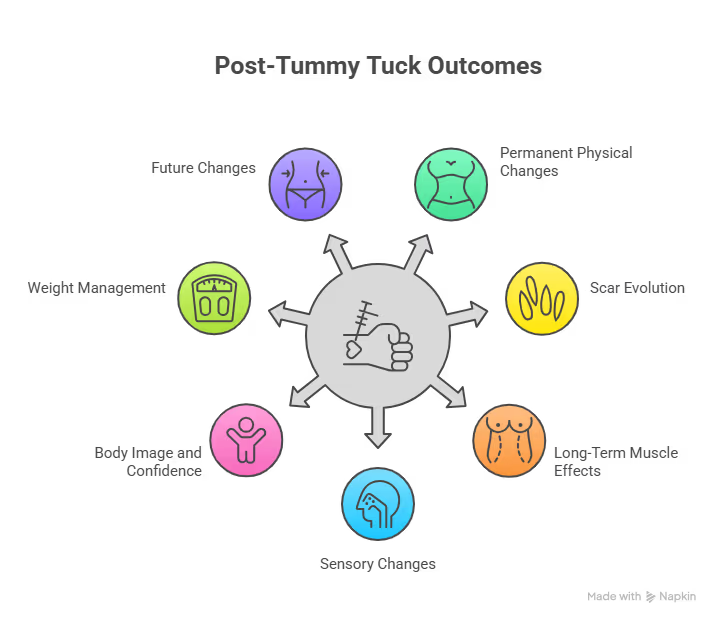
Once the abdominoplasty procedure is finished, several important things happen beyond the immediate recovery phase:
Permanent Physical Changes: Removal of excessive skin and tightening of abdominal muscles result in a flatter and firmer abdomen. You will have scars, typically running horizontally along the lower abdomen, which tend to fade but may remain faintly visible long-term.
Evolution of Scars: Scars generally evolve and become less noticeable, but sometimes they thicken or develop into raised keloid scars. The exposure to the sun can cause scars to darken, while weight changes or pregnancy can cause them to stretch.
Long-Term Muscle Effects: The tightened abdominal muscles usually stay firmer for several years, but natural aging, weight fluctuations, or future pregnancy can weaken them again, potentially leading to recurrence of muscle separation (diastasis recti) or hernias.
Sensory Changes: Some numbness or altered sensation around the treated area may persist long-term from nerve disruption at the time of surgery. This may improve over months to years, but can occasionally be permanent.
Impact on Body Image and Confidence: Many patients report sustained improvements in self-esteem and body confidence due to the enhanced abdominal contour.
Weight Management: Some studies suggest that patients may continue to lose weight over time after surgery, most of all from those with higher pre-operative BMI, helping to maintain a better body shape.
Possibility of Future Changes: Natural aging, significant weight gain or loss, or pregnancy can alter the results of the tummy tuck, possibly requiring revision surgery in the future.
Limit Processed Food: You should limit the processed food, excess salt, and added sugar to prevent weight gain and bloating.
Aim for proper Sleep: You should aim for sleep for 7 to 9 hours of quality sleep every day to help in repairing the tissues and proper regulation of hormones.
Don't stay in the Sun for too long: Avoid staying in the sun for longer periods of time, as it can damage skin and scars. When you go out, apply SPF to protect your abdominal skin.
No strenuous work: Avoid heavy lifting and any core strain on your body, even after the initial recovery, otherwise it could put stress on the repaired muscle.
What are Some Lifestyle Tips to Maintain Results
It is essential to make some lifestyle changes after the tummy tuck procedure is done. Even if your wounds have healed, you have recovered, and achieved the desired result, you must maintain the results you have achieved. You should maintain a stable weight and try to avoid sudden weight gain or weight loss, as it can stretch your skin and muscles. Engaging in regular workouts that include both strength training and cardiovascular training helps keep your abdominal muscles toned. Apply moisturizing cream and sunscreen to the area where surgery was performed. You can also use silicone sheets or gel to minimize the appearance of scars. Ensure a balanced diet rich in nutrients to support skin elasticity and overall health.
Keeping yourself hydrated promotes healing. It is essential to manage stress in your day-to-day life, as high stress can impact your weight and hormones. To maintain a healthy stress level, it is best to incorporate stress-relief techniques such as meditation, yoga, pilates, and music. Attend all your follow-up appointments and adhere to your surgeon's recommendations, including the use of compression garments, wound care, and restrictions on your activities. You can even join support groups or therapy to manage your expectations of yourself and enhance your mental well-being related to body changes and self-image.
What is the Tummy Tuck Cost in Abu Dhabi
The average tummy tuck cost in Abu Dhabi varies from AED 20,000 to AED 46,000. The cost of a tummy tuck depends on which clinic or medical spa you approach, as well as what type of tummy tuck you want to get. The average cost of a mini tummy tuck may cost you around AED 20,000 to AED 30,000, and AED 30,000 to AED 46,000 for the full tummy tuck.
What is The Cost of a Tummy Tuck As Per Body Area
The cost of a tummy tuck will vary based on the specific procedure and the area of the abdomen that requires the work. Here is a description to help you understand an approximate price for each tummy tuck type and what it addresses.
Procedure
Area Treated
Details
Ideal For / Suitable For
Estimated Cost (AED)
Mini Tummy Tuck
Lower abdomen (below the navel)
Focuses on the lower abdomen, which involves minimal skin removal and mild tightening of the abdominal muscles.
People with a slightly lower belly bulge, minimal excess skin, or post-pregnancy lower-abdomen looseness.
35,000 – 40,000
Full Tummy Tuck
Upper and lower abdomen
It removes excess skin and fat from both upper and lower abdominal areas and tightens the abdominal muscles.
Individuals with moderate to significant skin laxity, postpartum changes, or major weight-loss-related looseness.
30,000 – 46,000+
Extended Tummy Tuck
Abdomen, flanks, hips, lower back
It covers a wider area, including the sides and lower back, and is ideal for reshaping the torso due to extensive skin laxity.
People who have large amounts of loose skin across the torso typically after major weight loss or multiple pregnancies.
Higher than a full tummy tuck (varies)
Lipo Abdominoplasty
Abdomen
It combines liposuction with a tummy tuck to remove fat and tighten loose skin, creating a more sculpted belly shape.
Individuals with stubborn fat pockets + loose skin; those wanting both contouring and tightening together.
9,000 – 18,000
What are The Factors That Affect the Cost of a Tummy Tuck?
When you consult various clinics, medical spas, or surgeons' prices, it is common to find different pricing across the market. Here are various reasons why this happens
Surgeon's Expertise: The experienced and board-certified surgeon asks for higher fees because of their skills and reputation.
Type of Tummy Tuck: If you're getting a full tummy tuck, it costs more than the mini tuck that is done only in the lower abdomen. If any procedure, such as fat freezing or lipolazer, is combined, it can increase the overall cost.
Patient’s Health Condition: If you have any medical issues or any medical difficulty arises during the surgery, it can extend the cost of the tummy tuck.
Geographical Location: There are various clinics within Abu Dhabi, which means that the cost of a tummy tuck may differ from one another.
Pre- and Post-Operative Care: You don't just undergo surgery and then move on; you also receive proper aftercare. In some clinics, the charge for texts, medications, garments, and follow-up visits may be included in the overall pricing.
Things You Should Know Before Getting a Tummy Tuck
There are several common risks and complications that can arise during or after surgery, including bleeding, fluid accumulation, infection, and poor wound healing. You may also feel numb, or a change in skin sensation can be noticed, as well as swelling. Even though it is very uncommon to see any serious complications such as cardiac pulmonary issues, death due to fatty issues, or anesthesia-related complications. It would take time for your wounds to heal. You should understand the recovery process when undergoing a tummy tuck and be aware that other surgeries can increase the risks.
Many people also believe that a tummy tuck is a weight-loss surgery, which is not true, as it only removes loose skin. While it may not seem worth it since the results don't last long, however, that's only true for those who don't follow a healthy lifestyle. But if you regularly diet and exercise, your results will stick with you. Remember that recovery takes a few weeks, but most people manage the discomfort well with the right care. Exercise can’t fix loose skin or muscle separation. A tummy tuck is the only way to repair those issues. Your body treats you the way you treat your body.
What You Can Do to Ensure a Safer Recovery
Choose an experienced board-certified surgeon or therapist who has a strong track record. You should address chronic health issues and stop smoking to reduce any complications and improve healing. You should follow all the operative instructions given before and after the operation, which may include mobility guidelines, wound care, and attending follow-up visits. Avoid combining the surgery with other major procedures unless it is advised by the therapist to reduce the risk of complications.Maintain a healthy weight and make sure your body condition is stable. Report every change or concern with your surgeon just after the surgery.
What You Should Know When Choosing the Right Clinic and Surgeon
Choosing a clinic, surgeon, or medical spa can be a challenging task, especially when there are quite a lot of options available in Abu Dhabi. Apart from cost, the treatment, recovery period, and different clinics, such as VLCC, there are several factors to consider when consulting a surgeon. There are important tips you should keep in mind when visiting.
You should verify that the surgeon is board-certified in plastic surgery from a recognized board. Look for surgeons who specialize in body contouring procedures and have considerable experience with tummy tucks.Review the before-and-after photographs of previous abdominoplasty patients to assess the surgeon's skill and artistic judgment. Select a clinic or surgical center that is accredited by relevant health authorities to ensure the implementation of strict safety and hygiene standards. Confirm that the facility has current surgical equipment with competent staff, including anesthesiologists.
Always check the quality of the consultation. When consulting a surgeon, try to understand how they communicate. They should be able to explain everything clearly to you, such as what to realistically expect, and answer all your questions. Also, check if the surgeon conducts a thorough assessment of your medical history, physical state, risks involved, and post-operative recovery steps. If they develop a custom surgical plan concerning your anatomy and goals, this means it's a good indicator.
Ensure you go through reviews and reputation, and also read patients' testimonials on independent sites to understand others' experiences. Ask for referrals from trusted sources or friends who have undergone cosmetic surgery. The clinic should be transparent about the cost of the procedure and clearly explain what the cost covers. Ensure that they provide proper follow-up care services and support after surgery is done. Ensure that you discuss how the clinic, surgeon, or medical spa handles complications, should any arise.
Decide upon a surgeon and clinic with whom you feel comfortable, confident, and feel that you can trust. Always trust your instincts when it comes to professionalism and care of the team. Ultimately, choosing a clinic and a surgeon involves more than just cost and convenience; it's about safety, experience, competence, trust, and comfort. You can come to a sensible decision by researching, asking questions, and trusting your judgment. An experienced and qualified team will support and guide you throughout every stage of your tummy tuck journey, ensuring you feel reassured, supported, and cared for while achieving the best possible outcomes.
Why You Should Trust VLCC for Your Tummy Tuck
Sometimes the skin loses elasticity, or the abdominal muscles drift apart, and no amount of crunches or cardio can bring them back together. That’s when a tummy tuck becomes the most reliable and effective solution to achieve the shape you’ve been working toward.At our clinic, we don’t just help you get rid of the belly; we help you reshape your entire midsection and improve your overall wellness. Along with the surgical results, we guide you through personalized nutrition plans, lifestyle coaching, metabolic support, and long-term wellness strategies so you can maintain your results effortlessly. Every treatment plan is tailored to your body type, goals, and health needs, ensuring results that feel natural, balanced, and truly “you.”
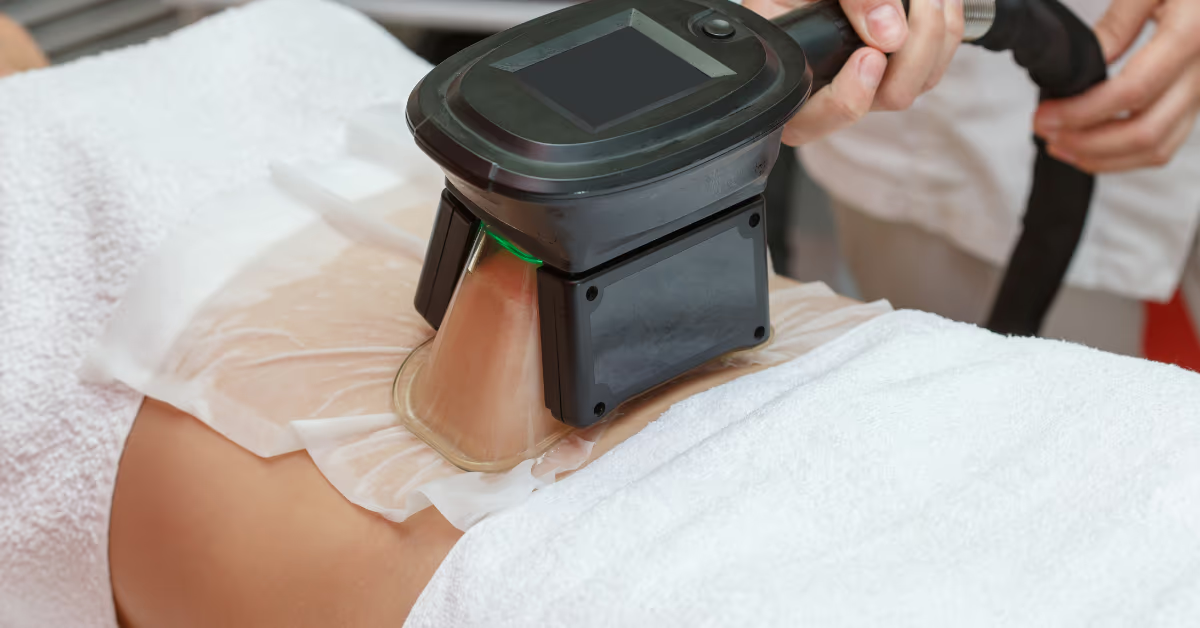
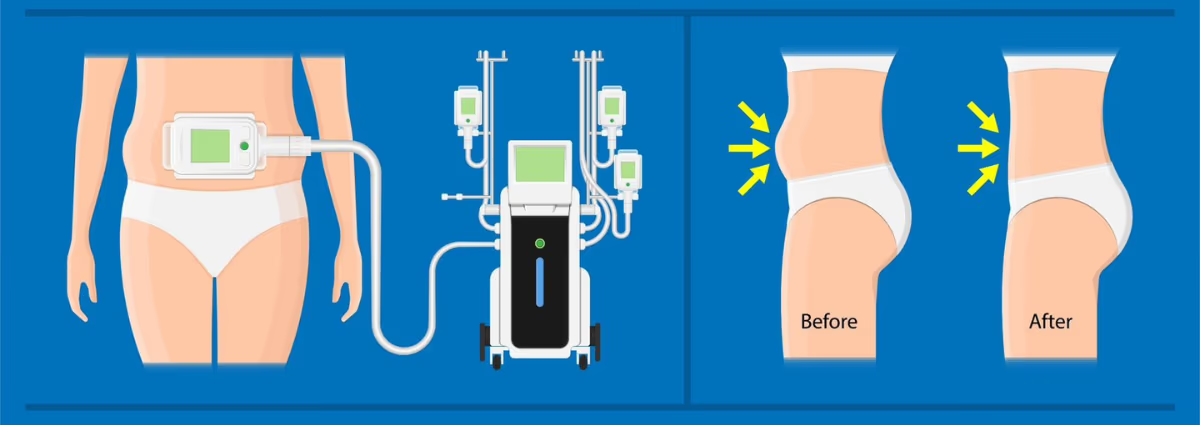
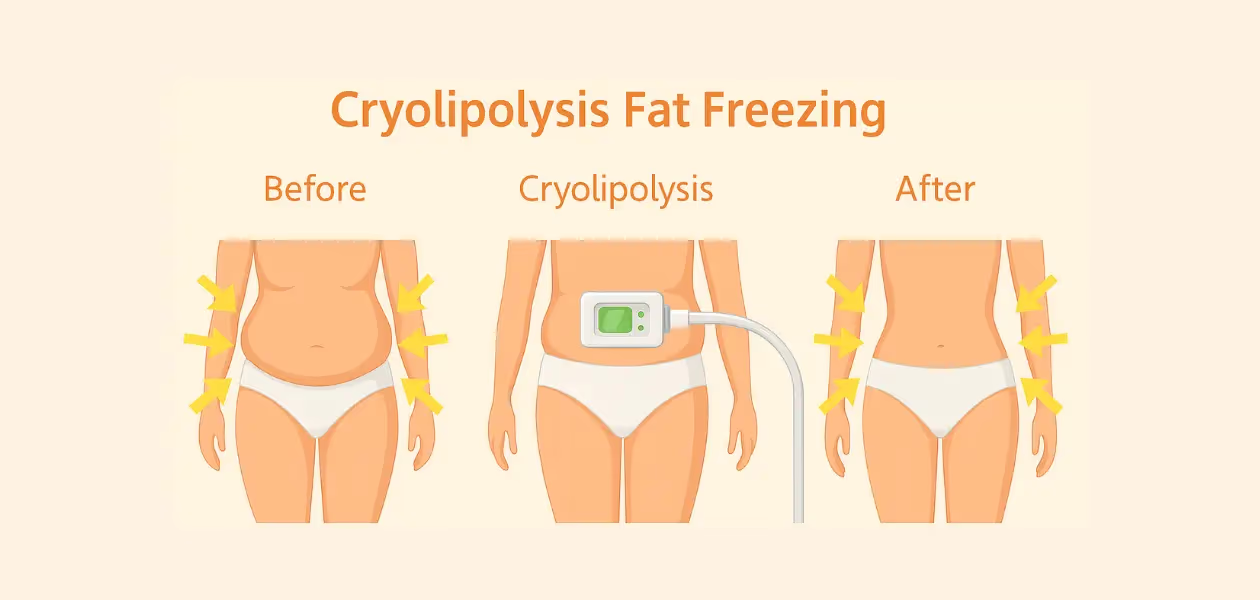
For those who are not ready for surgery, we also offer minimally invasive options such as tummy-tucking therapies and advanced fat-reduction technologies. These treatments involve little to no downtime and still help you get closer to a toned, contoured silhouette. Our goal is to give you safe, effective choices, all under one roof, with experts who genuinely care about your journey and confidence. We’re committed to helping you feel confident, energized, and proud of your body every step of the way.
Book your consultation now at VLCC UAE to begin your journey to a flatter, firmer you!
Conclusion
A tummy tuck is not a quick fix or a shortcut to losing weight, but rather about correcting what exercise and diet cannot achieve, such as weakened muscles, loose skin, or changes caused by time, pregnancy, or significant weight loss. The procedure offers long-term benefits if it is performed for the right reasons and with realistic expectations.
It is essential to understand the procedure and the risks involved, as well as the time it will take to return to your usual routine. When approaching the surgeon, prioritize your safety and follow the surgeon's advice and guidelines. Always remember that everybody is different, so are their needs, and the result can vary slightly. If your goal is a stronger, firmer, and balanced abdomen, this result comes from informed choices and guidance provided by an expert. Take the time to ask questions, understand the available options, and, most importantly, prepare yourself not only physically but also mentally. This will make a huge difference in your progress. A tummy tuck is about feeling more comfortable in your own body, restoring strength and balance to your core. Always carry yourself with confidence and pride, no matter the outcome.
FAQS
To provide you with a better understanding of what to expect regarding the procedure, recovery, and end result of a tummy tuck, we have compiled some frequently asked questions that address your concerns and desires. These answers will provide you with a clear understanding of tummy tuck procedures and hopefully help you make a well-informed decision before your surgery.
How long does a tummy tuck actually last?
A tummy tuck can last for many years, with the results being relatively stable as long as your weight remains constant. The muscles and skin tightened will not loosen of their own accord, but natural aging and major weight changes can affect the outcome. People who keep a steady routine usually enjoy long-term results.
Does an abdominoplasty correct an apron belly - hanging abdomen?
Yes, it can. The tummy tuck removes the extra skin and fat hanging over the lower abdomen, especially after pregnancy or major weight loss. The removal of this heavy fold provides a smoother, lighter-appearing stomach. Additionally, it can help improve posture and reduce skin irritation or infections caused by the overhanging tissue. Many patients also notice an easier time with clothing fit and enhanced confidence in their daily activities.
Does a tummy tuck help with back pain?
For many individuals, it does. Contraction of the abdominal muscles strengthens the core and supports the spine better. It reduces strain on the lower back and may also improve your posture while making everyday movement more comfortable.
Will my stomach feel tight or stiff after surgery?
Feeling tight is completely normal. As the skin and muscles are brought closer together, the abdomen may feel stretched or firm for a number of weeks as swelling reduces and the tissues settle. This sensation usually eases gradually as healing progresses, and gentle movements recommended by your surgeon can help restore flexibility. Most patients find that by a few months post-surgery, the tightness significantly diminishes while the toned results remain.
Do tummy tucks affect digestion?
No, they don’t. A tummy tuck works on the outer layers, the skin, fat, and muscles. It doesn’t involve the stomach or intestines, so your digestion continues as usual. Some people may feel a little pressure or tightness while eating in the early weeks, but this is temporary.
Can I get pregnant after a tummy tuck?
Yes, it is. The surgery does not affect fertility at all. However, pregnancy can stretch the muscles and skin again and thus reverse the result; surgeons often suggest completing family planning first. Planning pregnancy after recovery ensures you maintain the best possible outcome from your tummy tuck.
Is a tummy tuck worth it if I’m not overweight?
Of course, there's not always a question of weight when it comes to loose skin or muscle separation. Pregnancy, aging, and genetics may alter the abdomen even in people of healthy weights. A tummy tuck helps correct concerns that exercise alone cannot fix.
On a scale of 1–10, how painful is the tummy tuck?
Pain in the first few days is usually moderate; for most, it's around 5 to 7. It feels deep, like muscle soreness or tight pulling. The discomfort reduces steadily with medication, rest, and the use of compression garments. Most patients find it manageable and short-lived as healing progresses.
When can I walk normally following a tummy tuck?
Light walking usually begins within the first day or two. People often walk slightly bent at first, and gradually straighten up as healing progresses. Most can walk normally by the end of the second week. Gentle movement helps reduce swelling and supports a smoother recovery.
Are there any non-surgical alternatives to a tummy tuck?
The non-surgical methods available today include fat freezing, radiofrequency, and laser tightening, and they can assist with mild fat and mild laxity of the skin. However, none of these options will remove excess skin or repair separated muscles. These approaches can help with gentle contouring, but only a tummy tuck can be relied upon for a truly firm, flat abdomen.
What is the average weight loss after a tummy tuck?
A tummy tuck is not intended for significant weight loss, so the amount lost is small. Most people will lose 2-6 pounds from the removal of excess skin and some fat. The emphasis is on improving the contour of the muscles and flattening and firming the abdomen, rather than weight loss. While visual change is apparent, the scale number is often less significant.