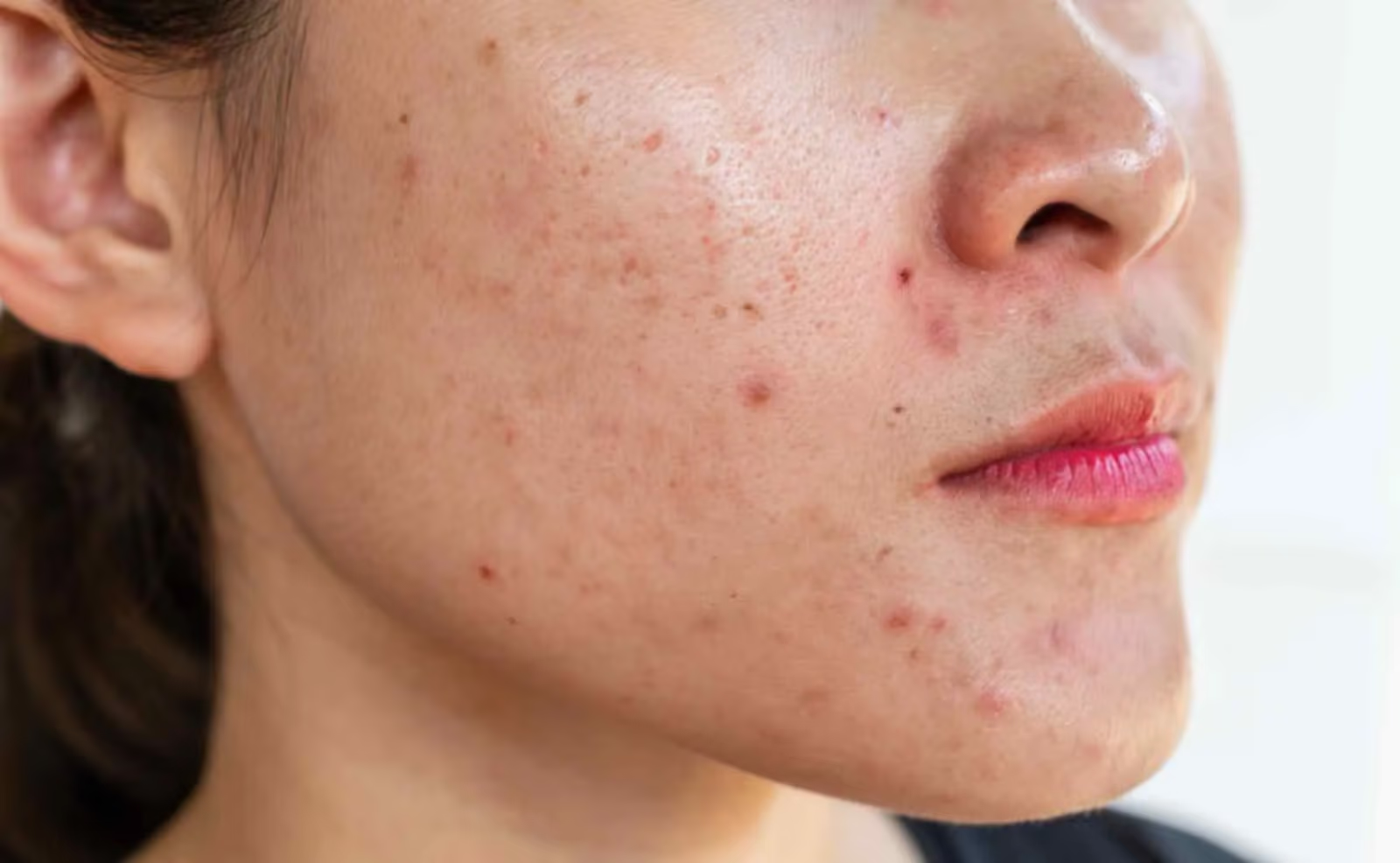
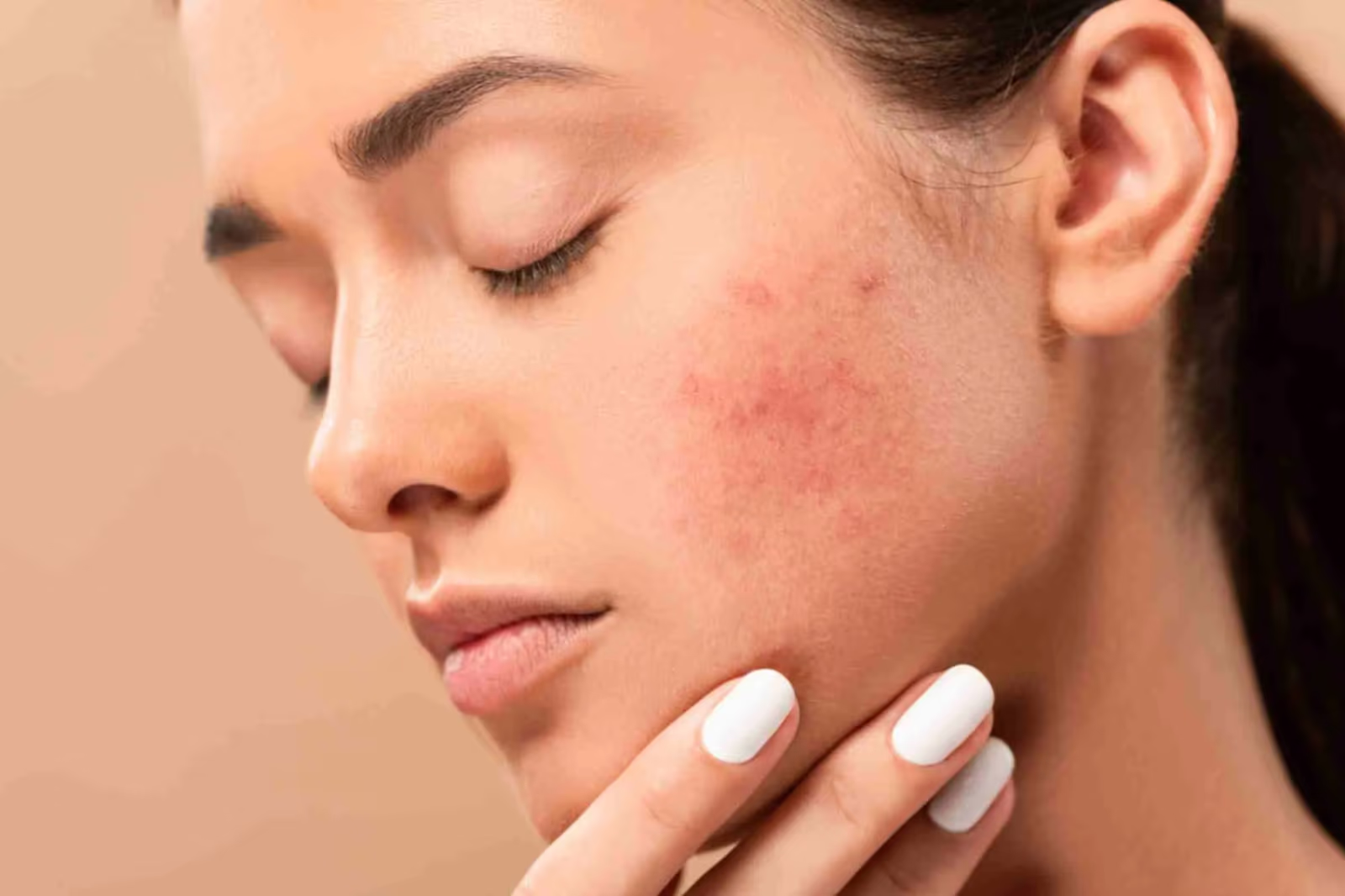
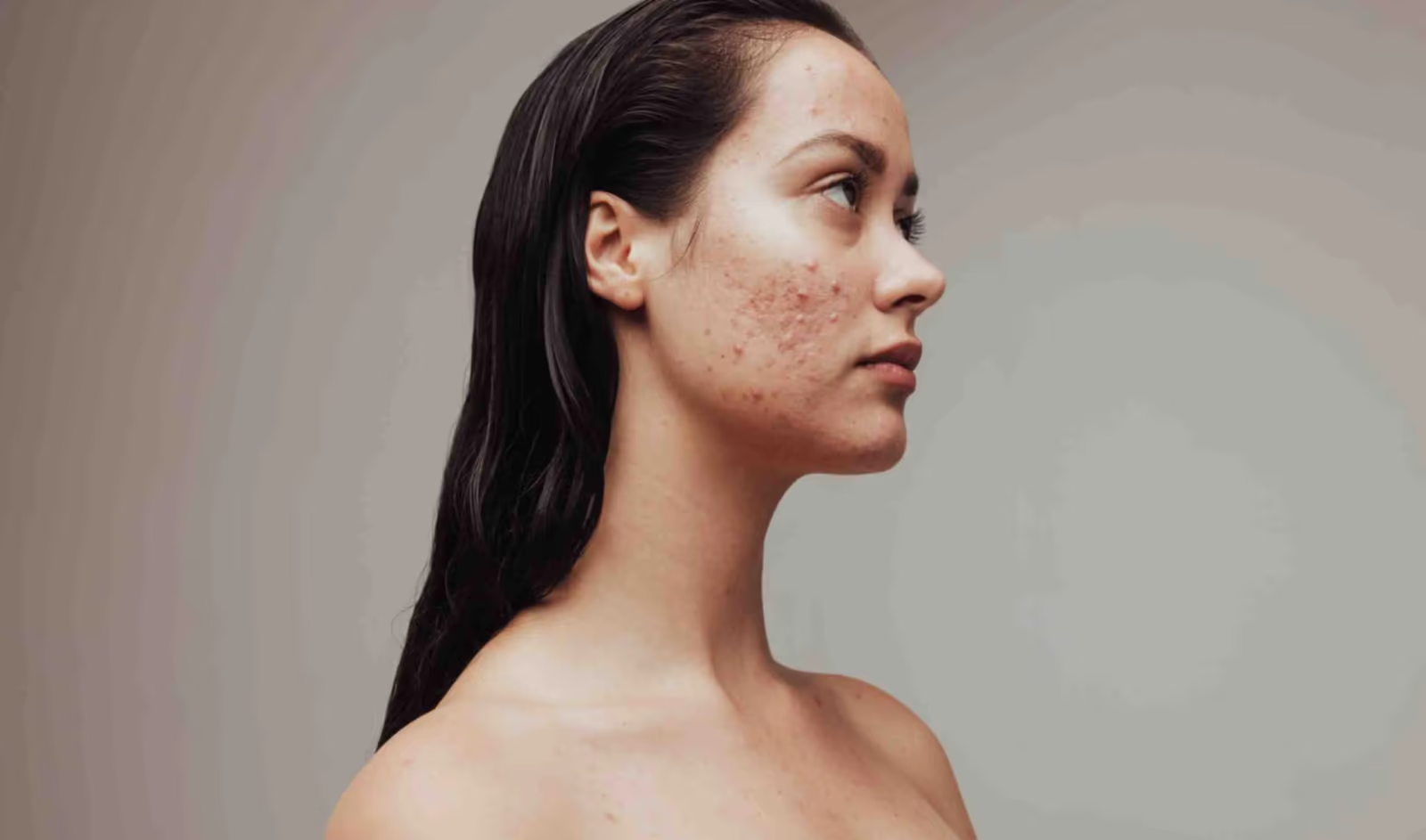
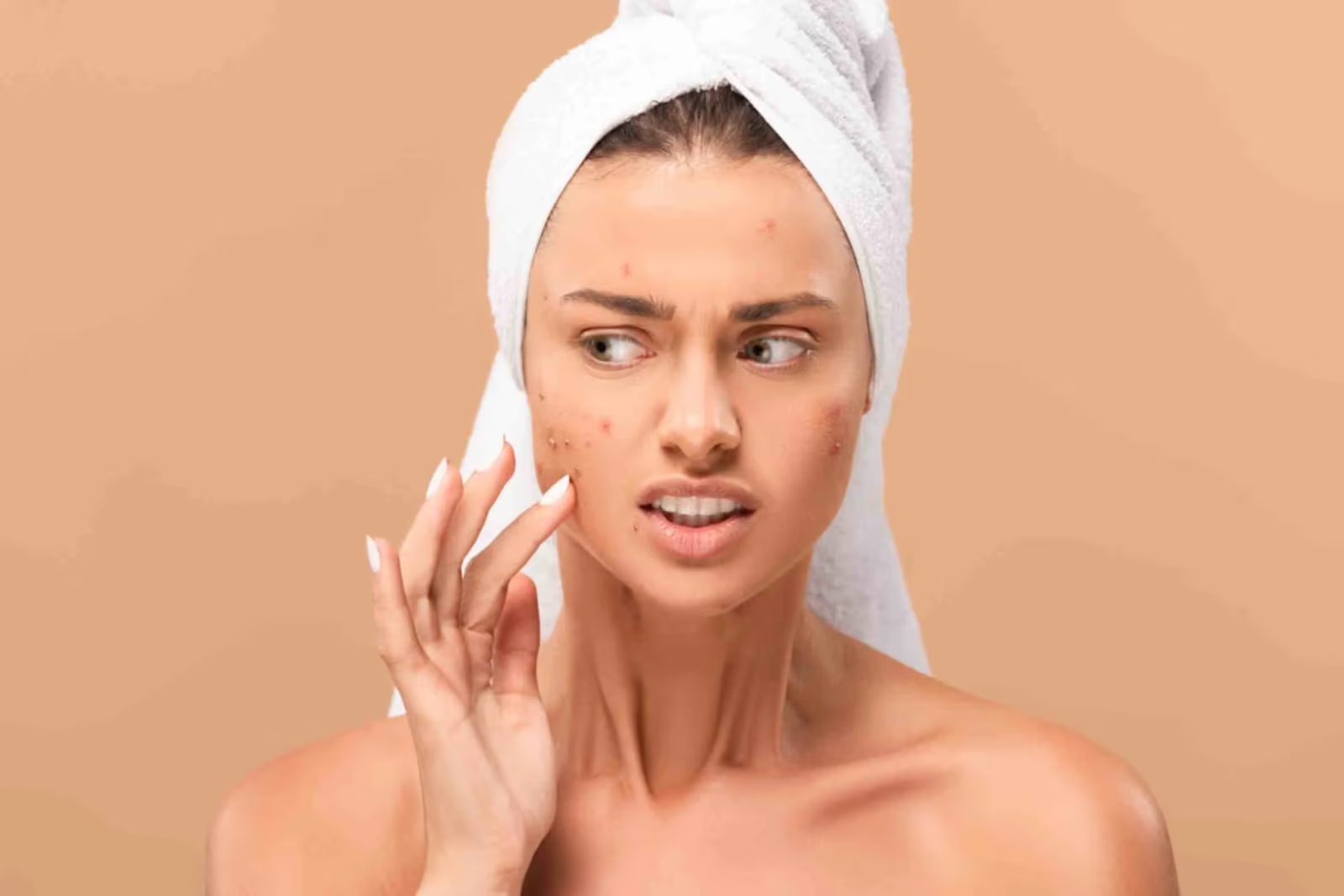
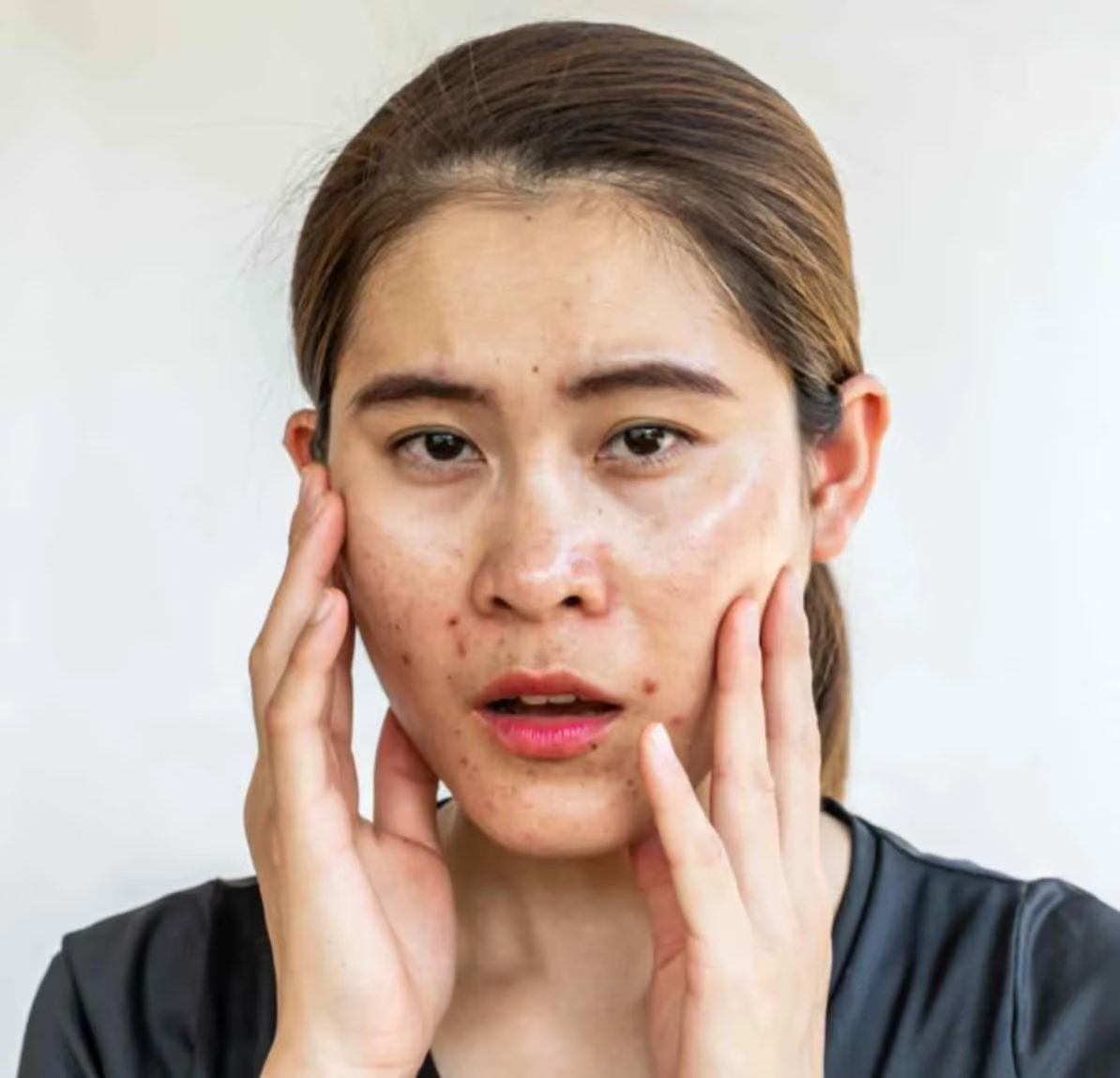
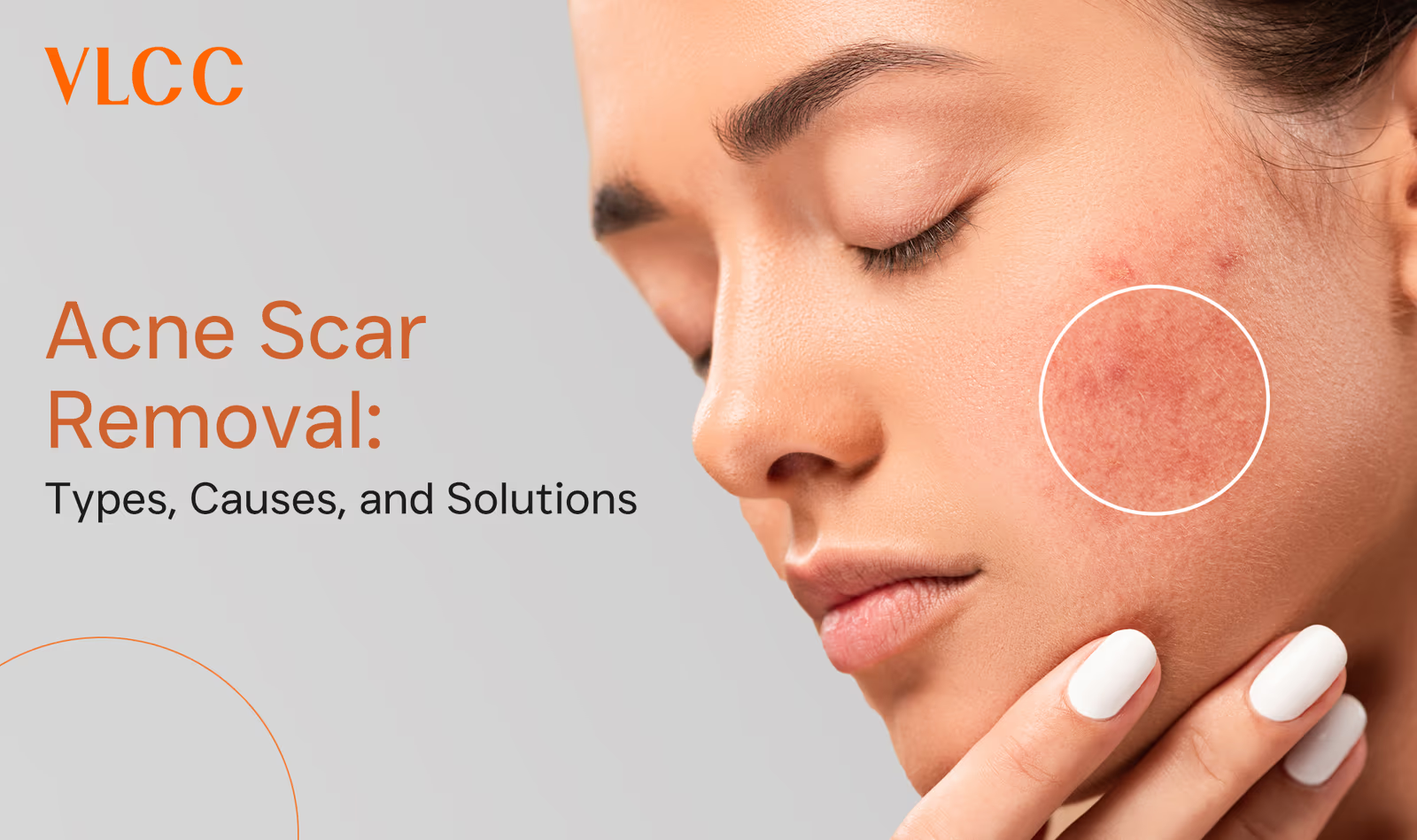
Acne scars are among the most infuriating skin concerns many people face. While the acne can be temporary, usually the scarring becomes permanent in nature to remind one of the problems.
In today's world, where so much social interaction, let alone communication, is done through visual media, acne scarring can leave a person feeling less confident and self-conscious. Advanced acne scar treatments in Bangalore are thankfully here.
Understanding Acne Scars
Scarring due to acne results from inflammation of the pores in the skin, which become clogged with oil, dead skin cells, and bacteria. When the pore swells and breaks, the body begins its natural healing process.
New collagen is produced to repair the site; this process is not always perfect, hence leading to the formation of scars due to acne. Depending on the production of collagen, the scars might be raised-hypertrophic scars or depressed-atrophic scars.
Types of Acne Scars
Ice Pick Scars: These are deep, narrow scars that give the appearance of holes made by an ice pick. They generally occur on the cheeks and are tough to treat.
Boxcar Scars: Broad depressions with sharp edges are caused by them, resulting in an irregular texture of the skin. They often happen on the bottom portion of the cheeks and along the jawline.
Rolling Scars: Caused by damage deeper in the skin, they are wave-like scars. They are more common on the cheeks and within the area of the lower face.
Hypertrophic Scars: These are raised scars, essentially from the overproduction of collagen during its healing process. Generally, these occur on the chest and back.
Keloid Scars: A more serious version of hypertrophic scars, keloids continue to grow beyond the original wound and take the form of large lumps.
Dark Spots (Post-Inflammatory Hyperpigmentation): Actually not scars, these are just dark spots left after acne is healed because of the overproduction of melanin.
The best options to treat acne scars at VLCC, Bangalore, shall be directed at restoring smooth, blemish-free skin. Treating acne scarring is never a one-size-fits-all process, our dermatologists realize.
The skin needs of every patient vary, and more often than not, a patient has more than one type of scarring. That is why we customize our treatments; we will combine the most effective options that will target various types of scars.
Other Options for Acne Scar Treatment in Bangalore
Laser Treatment of Acne Scars in Bangalore
Laser treatments aimed at either the superficial layers of skin or stimulation of new generations of skin cells, which will cover the damaged tissue - are feasible and efficient approaches to the treatment of acne scars in Bangalore. Depending on the severity and type of the scars, the following options are available:
Ablative lasers ablate the epidermis or the top layer of the skin, heat the dermis, and subsequently stimulate skin tightening by the production of collagen. Examples include CO2 and erbium YAG lasers.
Non-ablative lasers stimulate collagen production in the dermis without causing surface damage to the skin and are thus less invasive and have quicker recovery.
Fractional lasers are those that target only a small percentage of the skin's surface, leaving the remaining tissue intact. This leaves room for faster healing and makes it possible to conduct the treatment on superficial and deep acne scars.
Laser treatment offers a better and more personalized option to deal with different types of scars for acne scar treatment in Bangalore.
Dermabrasion and Microdermabrasion Acne Scar Treatment in Bangalore
Dermabrasion: This is a surgical procedure wherein the top skin layers are removed with the use of a rotating tool to make way for new, smoother skin. It applies to deeper scars; however, the patient will need more time to recover than when using other treatments.
Microdermabrasion: This acne scar treatment entails a less invasive sandwiching of tiny crystals on the skin surface. This is quite effective for superficial acne scars and has so far been able to make gradual improvements in the texture of the skin.
Microneedling: This is a minimally invasive procedure where fine needles are used to make micro-trauma to the skin. It over-stresses the skin into overdrive by overproducing collagen and elastin to the point of smoothing out the skin texture. The skin texture improves as it reduces acne scars in a number of sittings. Good for superficial and deep scars.
PRP for Acne Scars:PRP works against acne scarring by using the patient's own blood. Drawing a small volume of blood, it is then processed to extract the PRP, which comprises growth factors and healing proteins at high levels. The plasma is further injected into scar tissue or even applied after microneedling.
PRP stimulates the production of collagen, regenerates skin, hence improving texture and aesthetic look. The PRP treatment is effective for both atrophic and hypertrophic scars and is natural and minimally invasive, with fewer side effects and less downtime.
Chemical Peels: This is the process by which acidic solutions remove damaged skin's superficial layers to grow a new healthy layer of skin. VLCC golden peel and mango peel are equally effective in the treatment of superficial scars and improvement in the tone and texture of skin.
Injections for Acne Scars in Bangalore
Keloid and hypertrophic scars, which are raised and thick, may very much respond well to injections of corticosteroids. These acne scar treatment shots have remarkable effects on time to flatten down the scar and soften it. Multiple sessions might be needed depending on severity for better results.
Skincare's Role in Boosting Acne Scar Treatments in Bangalore
While advanced acne scar treatments in Bangalore like laser therapy, microneedling, and chemical peels can dramatically minimize acne scarring, proper skincare plays an important role. Good skincare will enhance the results of treatment, increase the speed of healing, and aid in preventing new scars. Pre- and post-treatment care will prepare the skin for such treatments, enabling better long-term improvements.
Pre-Treatment Care of Skin for Acne Scar Treatment in Bangalore
Pre-treatment preparation involves getting your skin ready for the best results of any acne scar treatment. This is inclusive of a nice skincare routine that features:
Cleansing: Cleanse your skin frequently to eliminate impurities.
Moisturizing: Keep your skin well hydrated.
Sun Protection: Protect your skin with sunscreen.
Avoid Harsh Products: Avoid aggressive skin care products.
Skin Care After Treatment
Acne scar treatment in Bangalore will be followed by good after-care, which will aid the healing process. There are a few things you must keep in mind for your skin care.
Mild Cleansing: Cleanse your skin with gentle products only.
Hydration: Keep your skin hydrated to help it recover.
Sun Protection: Continue with the sunscreen application to protect your skin from sun sensitivity.
Avoid Irritants: Avoid all possible irritants.
Professional acne scar treatments coupled with regular skincare will go a long way in achieving a smoother and clearer skin tone, avoiding scarring in the future as well, and ensuring that it is long-lasting.
Cost of Acne Scar Treatment in Bangalore
The average cost of acne scar treatment in Bangalore falls between Rs. 1500 - INR 18,000 per session, and the price depends on the treatment area, the severity of the scars, the number of sessions needed and the type of treatment selected.
It is always better to contact your nearest acne scar treatment clinic in Bangalore to know the exact costing.
Why VLCC Acne Scar Treatment in Bangalore?
VLCC offers expert-led acne scar treatments in Bangalore for visible and long-lasting results. Our approach is also to first treat active acne, which will prevent further scarring during or after treatments.
If you are looking forward to the bestacne scar treatment in Bangalore, visit VLCC, and after consultation with our expert dermatologists, we will develop your personalized treatment plan which would work best for your skin's needs.
Let Us Help You Get Your Confidence Back with Clear and Scar-Free Skin!
Other VLCC Skin Care Solutions in Bangalore
Apart from acne scar treatment, VLCC Bangalore offers a broad set of advanced skin treatments, including:
Frequently Asked Questions About Acne Scar Treatment in Bangalore
How much does microneedling for acne scars cost in Bangalore?
The cost of microneedling for acne scartreatment in Bangalore ranges from INR 4,500 to 20,000 per session, which would depend on the treatment plan.
What are the side effects and risks involved with acne scar treatment in Bangalore?
Treatments for acne scars in Bangalore can cause redness and swelling, irritation of the skin. Rare side effects might include hyperpigmentation or, at worst, worsened scarring.