

Getting Botox or dermal fillers is a great way to refresh your look, but no one wants to deal with an injection bruise afterward. While bruising can happen, there are simple ways to prevent it and handle it if it does show up. So, without further ado, here’s what you need to know if you want to prevent bruised injection sites or already have one.
What is a Cosmetic Bruise?
A cosmetic bruise (or contusion) is a small blood vessel that gets damaged during a cosmetic treatment, like Botox or fillers. This causes blood to leak under the skin, causing a bruise. Bruising can happen after certain cosmetic treatments like Botox injections, dermal fillers, Mesotherapy, Platelet-Rich Plasma (PRP) therapy, and lip augmentation.
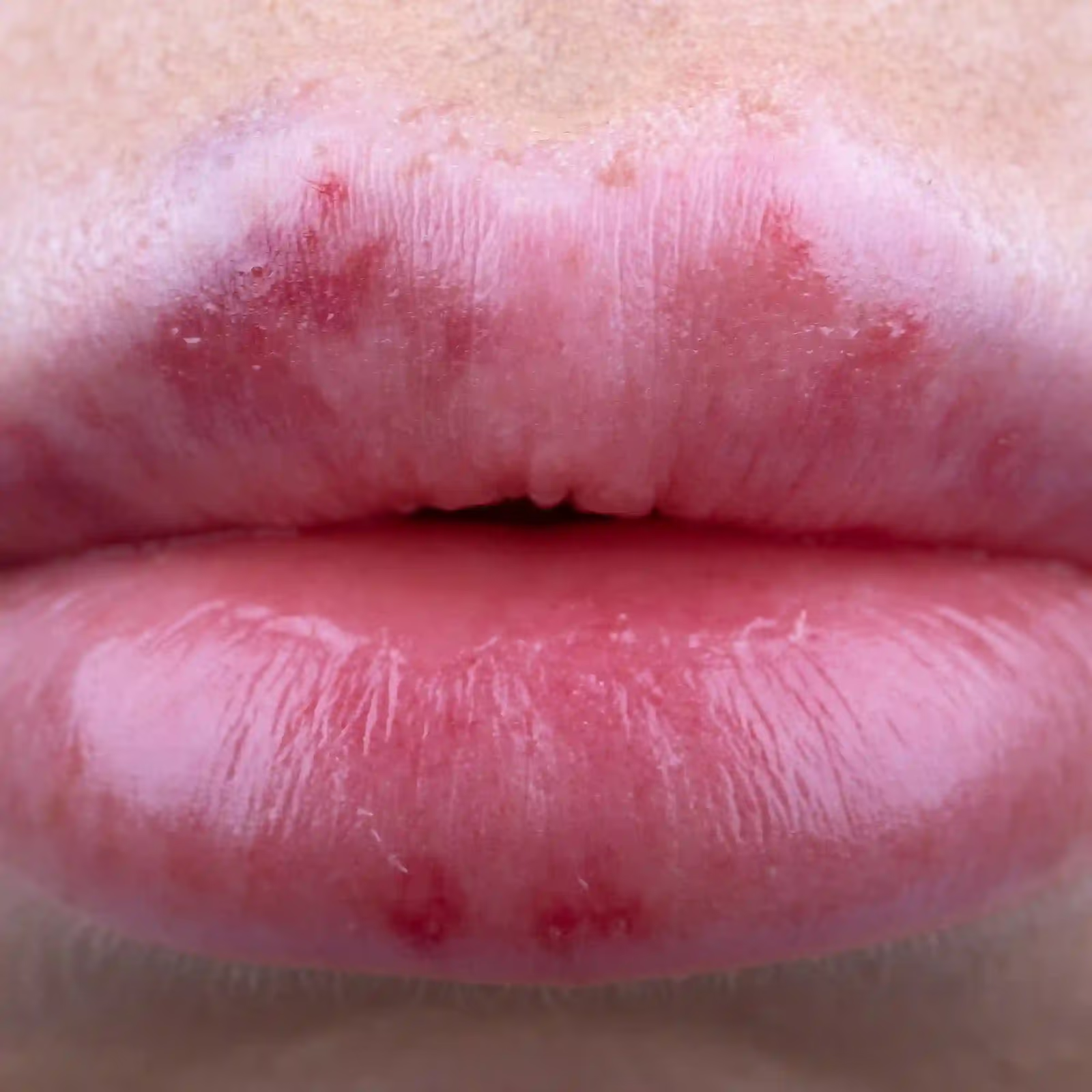
But the good news is, most bruising is minor and fades on its own within a day or two. In fact, studies show that nearly 24% of injectable patients experience some degree of bruising. Luckily, there are simple steps you can take to reduce the chances (and severity) of bruising.
Other things that increase your chances of bruising include medications (like aspirin or blood thinners), vitamin deficiencies (like vitamins C or K), and even some herbal supplements (like fish oil or high-dose Vitamin E).
5 Factors Contributing to Bruising
Now, let's get into the key factors that contribute to bruising during these procedures:
- Thin Skin
Thinner skin is more prone to bruising as the protective layer is reduced. If you’ve noticed that your skin bruises easily, this could be a contributing factor.
- Medications and Supplements
Certain medications, such as aspirin or ibuprofen, thin the blood and increase the likelihood of bruising. It’s recommended that you avoid these before and after treatment.
- Dehydration
Dry and dehydrated skin is more susceptible to bruising. Staying hydrated is essential for maintaining healthy, resilient skin.
- Genetics
Some people are naturally more prone to bruising due to genetics. If others in your family have the same issue, it may carry over to you.
- Procedure Depth
Deeper injections, especially with thicker fillers like hyaluronic acid, are more likely to cause bruising compared to surface-level treatments like Botox.