You’ve tried everything: inner thigh workouts from YouTube, juice cleanses, random fitness challenges, and maybe even silently cursing your thighs for not “shrinking” fast enough. Every time you sit, you feel your thighs touch. Every time you wear fitted clothes, that area feels like a stubborn guest who just won’t leave.
And the worst part? You’re doing all the right things, but the results are slow… painfully slow.
That’s because thigh fat isn’t just about exercise. It’s about how your body stores fat, your hormones, your diet, your daily routine, and your mindset. And yes, your genetics, too. But that doesn’t mean it’s impossible. It just means it takes a smarter, more sustainable, more compassionate approach.
So, if you’re tired of surface-level advice and want a deep, realistic, and doable plan for reducing thigh fat quickly and safely, you’re in the right place. We’re going to talk through this like two friends, with honesty, clarity, and a lot of encouragement.
Let’s go.
Why Losing Thigh Fat Is So Hard
Whenever we try to lose weight, the first place we notice changes is usually the face or the tummy. But the thighs? They take their own sweet time. And honestly, it’s not your imagination; it’s how our bodies are wired.
For women especially, the thighs are like the body’s favourite storage locker. Estrogen, the main female hormone, actually guides fat to settle around the hips and thighs. That’s why this part fills out quickly and slims down painfully slowly. In fact, researchers have even confirmed that women naturally carry more lower-body fat compared to men (study link). So if you’ve ever felt like you’re doing everything right and still struggling here, it’s not just you; it’s biology.
But what’s really interesting is that the fat cells in your thighs are different. They’re not as eager to burn off fat from other areas. Why? Because they have more alpha-2 receptors and fewer beta-2 receptors. To put it simply:
Beta-2 receptors are like the accelerator; they help speed up fat burning.
Alpha-2 receptors are like the brakes; they slow the process down.
And since thigh fat cells are loaded with more “brakes” than “accelerators,” they hold on tighter. That’s why even when your face starts looking sharper or your arms feel leaner, your jeans might still be screaming at the thighs.
YOU can lose it. Stubborn doesn’t mean forever. It just means this part of the body takes patience and consistent effort. And once it finally starts to shrink, the change is not only visible but also super rewarding. Because science may slow things down, but it doesn’t stop them.
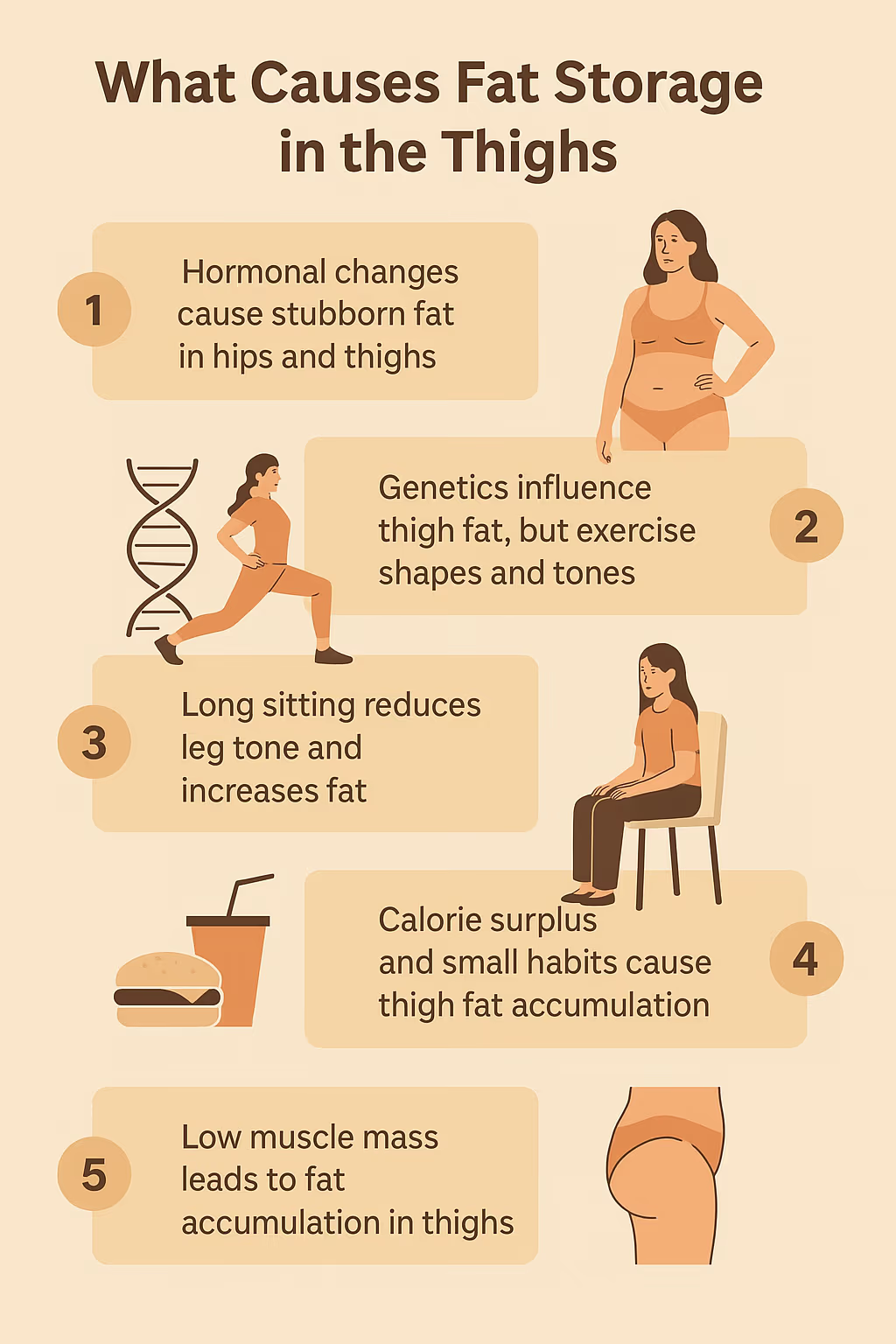
Understanding the root causes of thigh fat can help you address the issue at its core. Fat doesn't just show up overnight; it's a gradual buildup influenced by several physical, emotional, and lifestyle-related factors. Here's why it accumulates, especially in the thigh region:
1. Hormonal Fluctuations
Hormones play a central role in determining where your body stores fat. For women, especially, estrogen is responsible for directing fat storage around the hips, thighs, and buttocks. This was once biologically essential for reproduction and childbirth, but in today’s sedentary lifestyle, it often leads to stubborn lower body fat.
Hormonal changes can occur due to:
Puberty: When estrogen levels rise, the body naturally deposits fat in the lower body, including thighs, hips, and buttocks. This is why teenage girls often notice fat in these areas first.
Pregnancy: The body stores extra fat to support fetal development, and the thighs are a common area for this buildup. Some of this fat can be difficult to lose postpartum.
Menopause: Dropping estrogen levels may shift fat distribution. Even if overall weight remains stable, fat may settle more in the thighs and abdomen.
Medical conditions: Conditions like PCOS or hypothyroidism can disrupt hormonal balance, leading to unusual fat accumulation in specific areas.
Hormones also affect metabolism, appetite, and fat-burning efficiency. That’s why even with the same diet and exercise, two women may have very different thigh shapes and sizes.
2. Genetics
Some people are simply genetically predisposed to store more fat in their thighs. If your mother or grandmother had thicker thighs, your body will likely naturally deposit fat in that area as well. While genetics can’t be changed, you can influence how your body looks by building lean muscle and reducing overall body fat. Genetics may determine your body’s shape, but they don’t control your strength, muscle tone, or definition. This means that with proper exercise, your thighs can still look firm and sculpted, even if fat tends to accumulate there.
3. Sedentary Lifestyle
Sitting for long hours, at a desk, in a car, or on the couch, leads to decreased blood circulation and muscle activity in the legs. When you don’t use your leg muscles actively, they lose tone, and the surrounding fat becomes more prominent.
Modern lifestyles (especially post-pandemic) have made it even worse:
Remote work = more sitting
Lack of daily commutes = fewer steps
Constant scrolling or binge-watching = prolonged inactivity
Even small lifestyle changes like taking short walks, stretching, or using stairs instead of elevators can significantly improve muscle tone and reduce fat accumulation over time.
4. Calorie Surplus
At the core of fat accumulation is this simple formula: If you eat more calories than you burn, your body stores the excess as fat. And for many, especially women, that extra fat tends to settle in the thighs.
This doesn’t always mean overeating. Sometimes, subtle habits like
Snacking while distracted (TV, phone, or work)
Sugary drinks like sodas, juices, or coffee beverages
Eating out frequently or finishing extra portions at home
Even if you exercise regularly, consistently consuming more calories than your body uses can lead to fat accumulation in areas prone to storage, commonly the thighs, hips, and abdomen.
5. Poor Nutrition Choices
It’s not only about how much you eat, but also what you eat. Diets high in sugar, refined carbs, and trans fats spike insulin levels and encourage fat storage.
Common culprits include:
White bread, pastries, or noodles that digest quickly and turn into fat
Sugary snacks that cause energy crashes and trigger cravings
Low-protein, low-fibre diets that leave you hungry between meals
Excess fried and oily foods, which are calorie-dense and slow down fat burning
Sugary beverages like soda, packaged juices, and sweetened teas that add hidden calories
Highly processed, ready-to-eat meals that are high in refined carbs, unhealthy fats, and sodium
A consistently poor diet can lead to insulin resistance, which makes fat more likely to accumulate in stubborn areas like the thighs and lower body.
Over time, this dietary pattern makes your body insulin-resistant, meaning it stores more fat, especially in the lower body.
6. Lack of Muscle Mass in the Thigh Area
Muscle burns more calories than fat, even at rest. So if your legs lack muscle tone because of inactivity or lack of strength training, your thighs are more likely to accumulate fat.
When your thighs have more lean muscle, they:
Look firmer and smaller
Burn more fat throughout the day
Are less likely to appear “jiggly”
That’s why bodyweight workouts, squats, lunges, and stair climbing can make such a visible difference.
7. Stress & Emotional Eating
Chronic stress increases cortisol, a hormone that encourages fat storage, particularly in the belly and thighs. Combine that with emotional eating, and you’ve got a recipe for excess fat.
You might notice:
Cravings for high-fat or sugary foods when stressed
Snacking mindlessly to cope with emotions
Eating late at night (when metabolism is slower)
These behaviours often become habits, and slowly, fat begins to settle in the lower half.
8. Ageing and Slowed Metabolism
As we age, our metabolism naturally slows down. Muscle mass decreases, hormone levels change, and fat storage becomes easier.
This is why you might find it easier to gain weight in your 30s and 40s, especially around the thighs, even if your diet hasn’t changed much.
The key? Strength training + high-protein meals + smart daily habits.
9. Poor Sleep Patterns
Sleep affects hunger-regulating hormones leptin and ghrelin. Inadequate sleep can increase appetite, cravings, and fat storage. People who regularly sleep less than 6–7 hours are more prone to weight gain and stubborn fat in areas like thighs, hips, and belly.
10. Inflammation in the Body
Chronic inflammation can seriously interfere with your body’s ability to burn fat efficiently, making stubborn areas like thighs more resistant to slimming down. Inflammation often occurs due to a combination of poor diet, stress, lack of physical activity, and even environmental toxins. When your body is inflamed, insulin sensitivity can decrease, hormones get disrupted, and fat storage, especially around the lower body, tends to increase.
Let’s Talk Spot Reduction (Because It’s a Lie)
You can’t choose where your body loses fat first. You could do 500 inner thigh lifts, but if your body isn’t burning more calories than it consumes, nothing will happen.
What you can do is:
Focus on overall fat loss, so your thighs slim down naturally.
Do strength training to tone the muscles under the fat, so when the fat reduces, your legs look sculpted and strong.
Think of fat loss like draining a pool. You can’t pick which part of the pool drains first. But you can keep draining until it’s gone.
Lifestyle Overhaul (Not Just Gym Time)
Losing thigh fat isn’t about crash diets or punishing yourself with hours of cardio. It’s about building a daily lifestyle that gently encourages fat loss while keeping you strong, happy, and consistent.
Let’s break it down:
A. Fix Your Diet
You don’t need fancy supplements or strict meal plans. Just real food and a mindful approach.
Start with protein: Include eggs, lentils, paneer, tofu, chicken, or fish in every meal. Protein keeps you full and supports muscle building.
Choose complex carbs: Go for brown rice, oats, quinoa, jowar, and bajra. Carbs aren’t the enemy!
Add healthy fats: Nuts, seeds, olive oil, avocado. These are great for hormones and satiety.
Fill half your plate with veggies: Raw, cooked, stir-fried, or in soups, they’re full of fibre.
Stay hydrated: Sometimes, we mistake thirst for hunger. Drink 8–10 glasses daily.
Eat in a way that feels sustainable, not like a punishment. You may like to check out this 1000 calorie diet plan too.
B. Move Smart, Not Just Hard
Yes, workouts matter. But it’s not about exhausting yourself, it’s about moving consistently.
1. Cardio to Burn Calories
Try:
Brisk walks (30–45 minutes)
Dancing or Zumba
Swimming or cycling
Skipping or hiking
2. Strength Training to Shape the Thighs
Muscles give your legs definition. Don’t skip this.
Squats (regular + sumo)
Lunges (forward + side)
Glute bridges
Leg raises
Resistance band workouts
3. Stretch & Recover
Yoga, pilates, and stretching help improve blood flow, reduce tightness, and aid recovery. Try warrior poses, downward dog, and pigeon pose.
C. Prioritise Rest & Stress Management
Recovery is where your body repairs and improves.
Sleep 7–8 hours
Meditate for 5–10 minutes daily
Take screen breaks
Laugh more (seriously!)
When your nervous system is calm, your body burns fat better.
Here’s What Not to Do
If you're on a mission to lose thigh fat fast, it’s easy to fall into common traps. Here’s what you absolutely want to avoid:
Don’t fall for fat-burning pills or detox teas: Most are unregulated, full of caffeine or laxatives, and mess with your digestion and hormones.
Don’t starve yourself: Eating too little slows your metabolism and leads to muscle loss.
Don’t compare your journey: Your body, hormones, and genetics are yours. What works for your friend may not work for you.
Don’t ignore posture and daily movement: Sitting for long hours without breaks slows circulation and fat metabolism. Simple habits like standing up, stretching, or walking a few minutes every hour make a difference.
Don’t rely solely on “spot exercises”: Thigh lifts and inner thigh workouts alone won’t burn fat from that area. Fat loss happens overall, so focus on a combination of balanced diet, full-body workouts, and consistent movement.
Fat loss isn’t a race, it’s a transformation. Stay consistent, stay kind to yourself.
Non-Surgical Treatments to Reduce Thigh Fat Quickly and Safely
When diet and workouts don’t seem to make a dent, many people start searching for how to reduce thigh fat or how to get rid of fat pockets on thighs without surgery. Modern aesthetic treatments have made it possible to slim down this stubborn area quickly, safely, and with minimal downtime.
Let’s look at each of the most popular non-surgical treatments for reducing thigh fat in detail.
Termoslim Fat Loss Treatment
Termoslim is a non-invasive body contouring treatment designed specifically for stubborn fat. Instead of needles or surgery, it uses a clever combination of heat, massage-like stimulation, and fat-dissolving creams to shrink fat cells and tighten the skin. It’s a warm, intensive fat-melting massage that not only works on slimming but also leaves your skin firmer and smoother.
How it Works – Step by Step
The Termoslim process is a bit of a multi-step ritual:
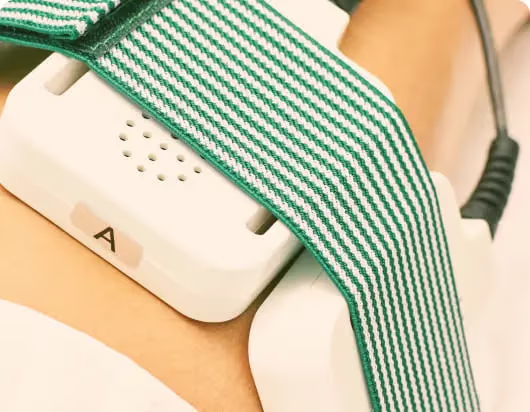
Trim Therapy with a G5 Appliance – This device gives your thighs a deep, vibration-based massage. It targets the stubborn fat deposits directly, helps soften the fat tissue, and improves circulation in the area. It feels a bit like a strong, rhythmic massage that’s surprisingly relaxing.
FDS Appliance with Lipolytic Cream – After trim therapy, the next step involves applying a special fat-burning (lipolytic) cream. This cream penetrates into the fat layer to help break down fat cells. The FDS (Fat Dissolution Stimulation) device then stimulates the area, boosting oxygen and nutrient supply to your muscles while also enhancing the fat breakdown process.
Osmotic Film Application – Once the cream and stimulation are done, an osmotic film is applied to the treated area. This layer helps retain heat, increase circulation, and intensify the fat-burning effect.
Over the following days and weeks, your body gradually flushes out the broken-down fat cells through its natural lymphatic system.
Results You Can Expect
This isn’t one of those treatments where you leave the clinic and instantly look two sizes smaller, but the results do build up beautifully. Here’s what most people experience:
Spot reduction of 4 to 6 cm per area over a course of sessions.
Weight loss of 300–500 grams per session (yes, that’s almost half a kilo gone in just one sitting!).
Thighs feel slimmer and jeans fit more comfortably.
Skin looks tighter, smoother, and less “dimpled.”
Of course, results vary from person to person depending on body type, lifestyle, and how many sessions you complete.
Are You an Ideal Candidate?
Termoslim is best suited if:
You’re near your healthy weight but still dealing with stubborn thigh fat that refuses to go away.
You’re struggling with specific fat bulges like inner thighs that rub or saddlebags on the outer thighs.
You want visible results without needles, surgery, or downtime.
It’s not really meant for those looking to lose a large amount of overall weight quickly, but it’s perfect if you’re asking yourself how to reduce thigh fat in targeted areas.
Benefits Beyond Fat Loss
What makes Termoslim unique compared to other treatments is that it’s not just about inch loss. It also offers:
Skin tightening thanks to collagen stimulation.
Improved circulation for healthier-looking skin.
Muscle nourishment because the FDS stimulation improves oxygen and nutrient delivery.
Relaxation, the treatment genuinely feels like a deep, warm massage.
So while you’re working on how to get rid of excess thigh fat, you also walk away with smoother, firmer thighs that look and feel better overall.
Safety and Side Effects
Termoslim is completely non-invasive and very safe. The most you might feel is warmth during the procedure (like a hot stone massage) or mild redness afterwards, which usually disappears within a few hours. No needles, no pain, no downtime.
After-Care Tips
To make the most of your session, your therapist will give you simple after-care advice:
Hydrate well to help flush out broken-down fat cells.
Avoid too much sun exposure immediately after treatment.
Take a light walk to boost circulation and support fat elimination.
How Many Sessions Do You Need?
Most clinics recommend 3–6 sessions spaced one to two weeks apart for best results. Some people start noticing changes as early as the second session, but the magic really happens when you complete the full course.
Cost
The price of Termoslim varies depending on the clinic and city, but on average, it ranges between ₹3,000 to ₹6,000 per session in India. Considering the fact that each session can help with spot reduction of up to 6 cm and weight loss of 300–500 grams, most people find it a worthy investment compared to endless gym memberships or fad diets.
2. CoolSculpting
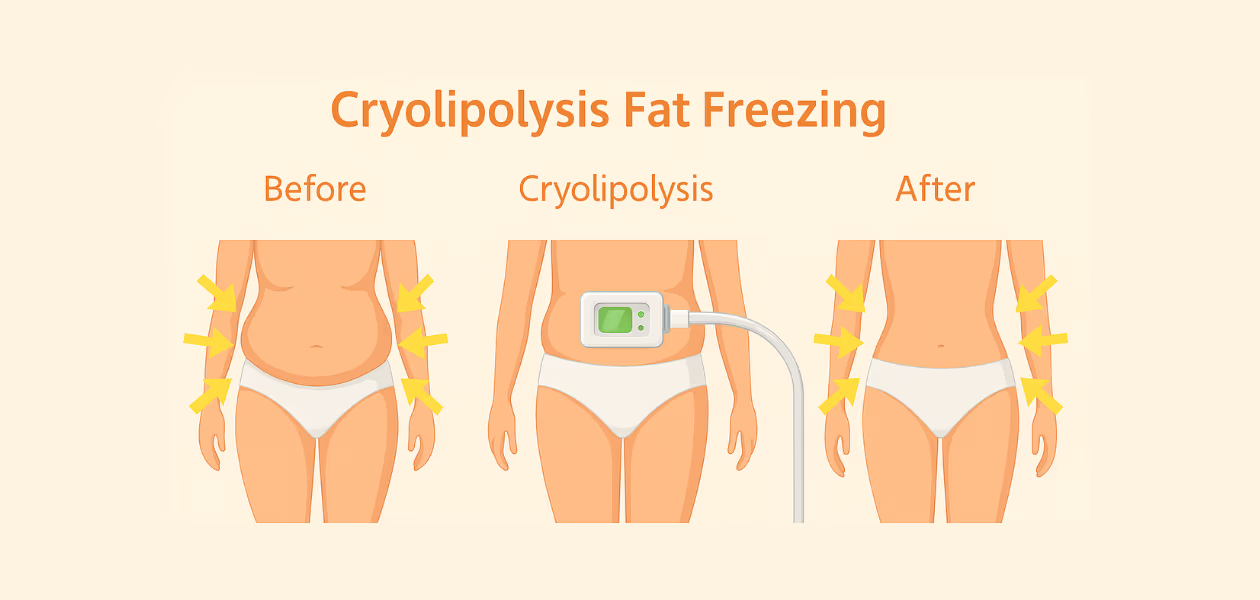
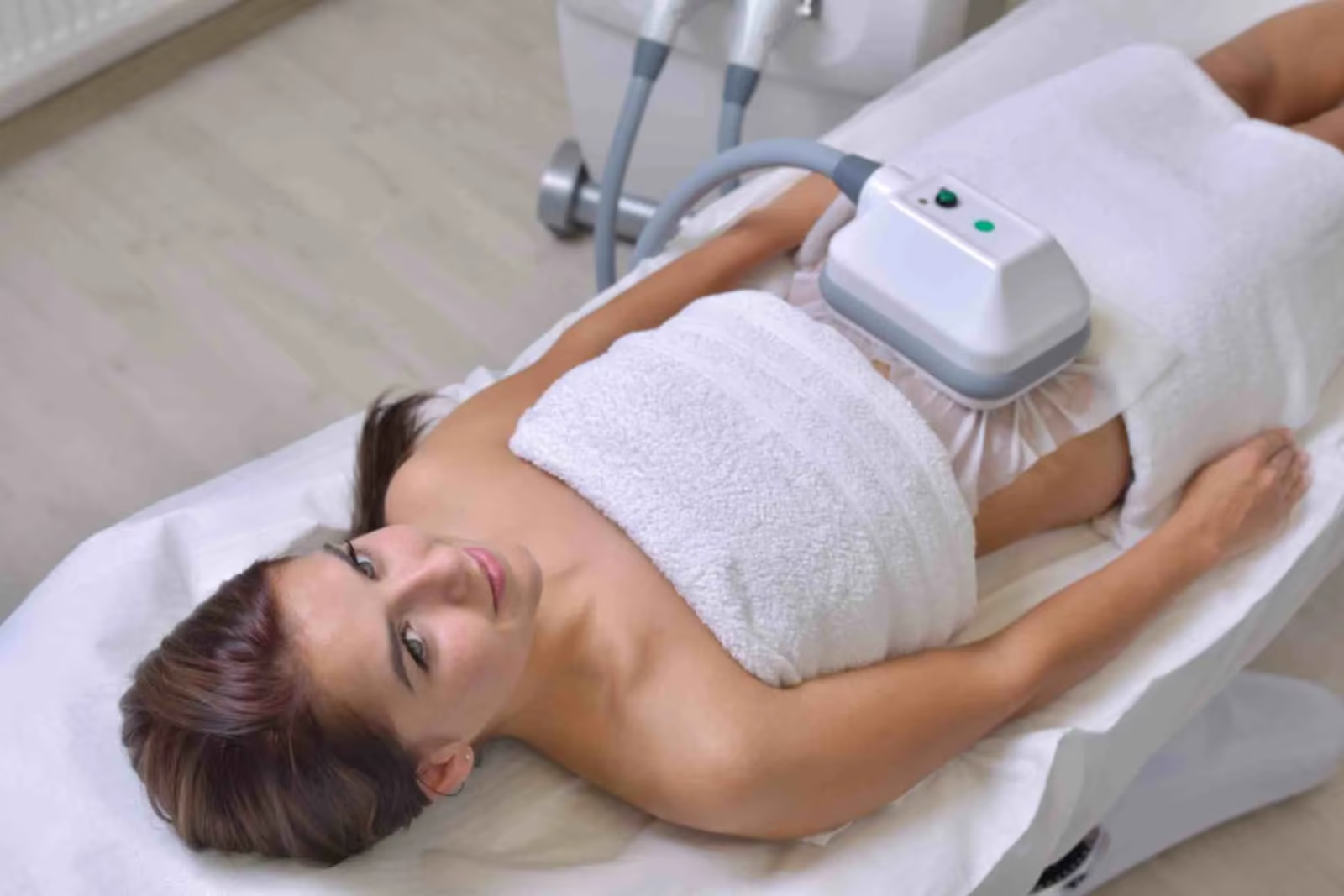
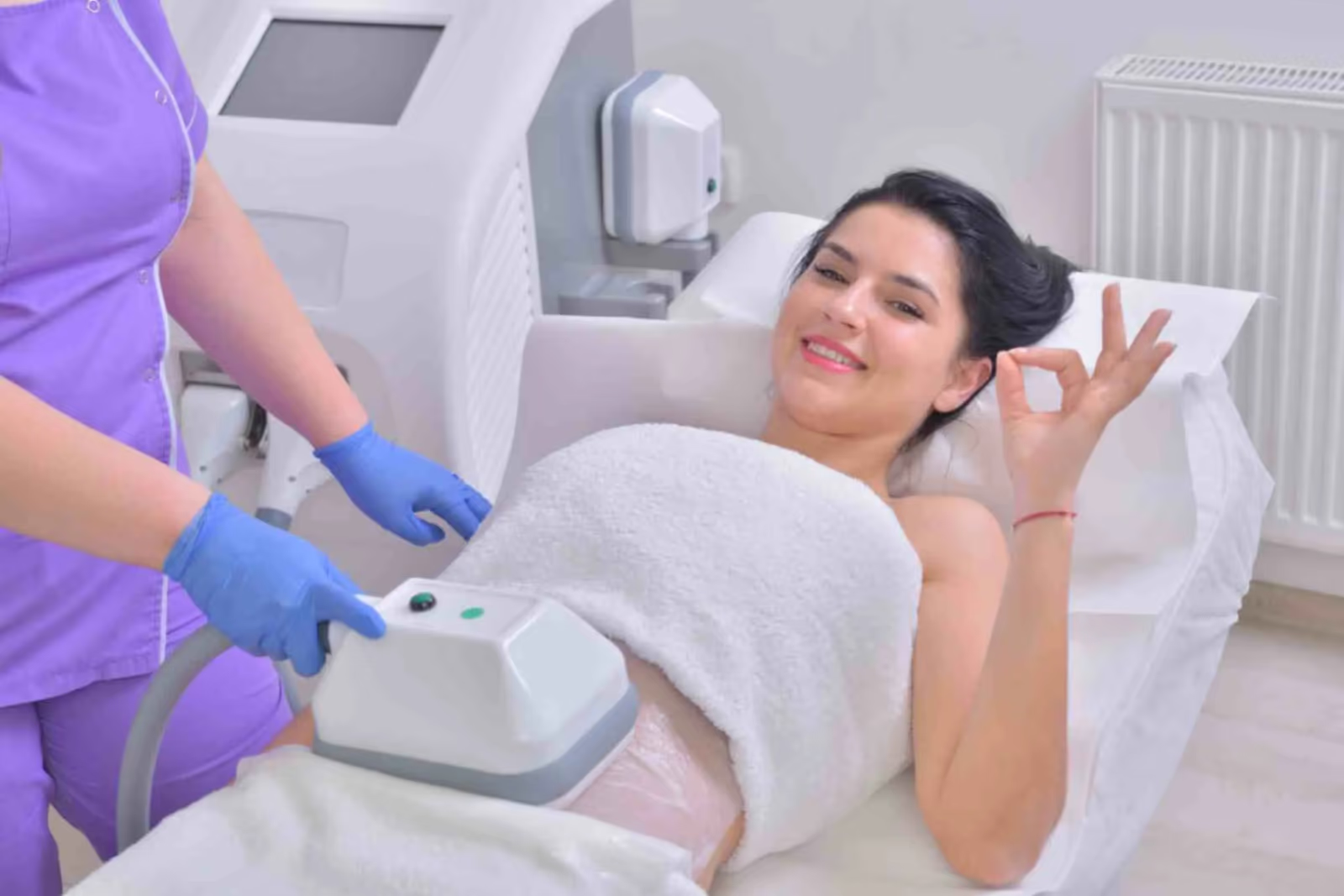
CoolSculpting, also called cryolipolysis, is one of the most popular non-surgical ways to reduce thigh fat when diet and workouts just aren’t cutting it. Instead of heat, it works with controlled cooling. And the science behind it is surprisingly simple: fat cells hate the cold.
How It Works
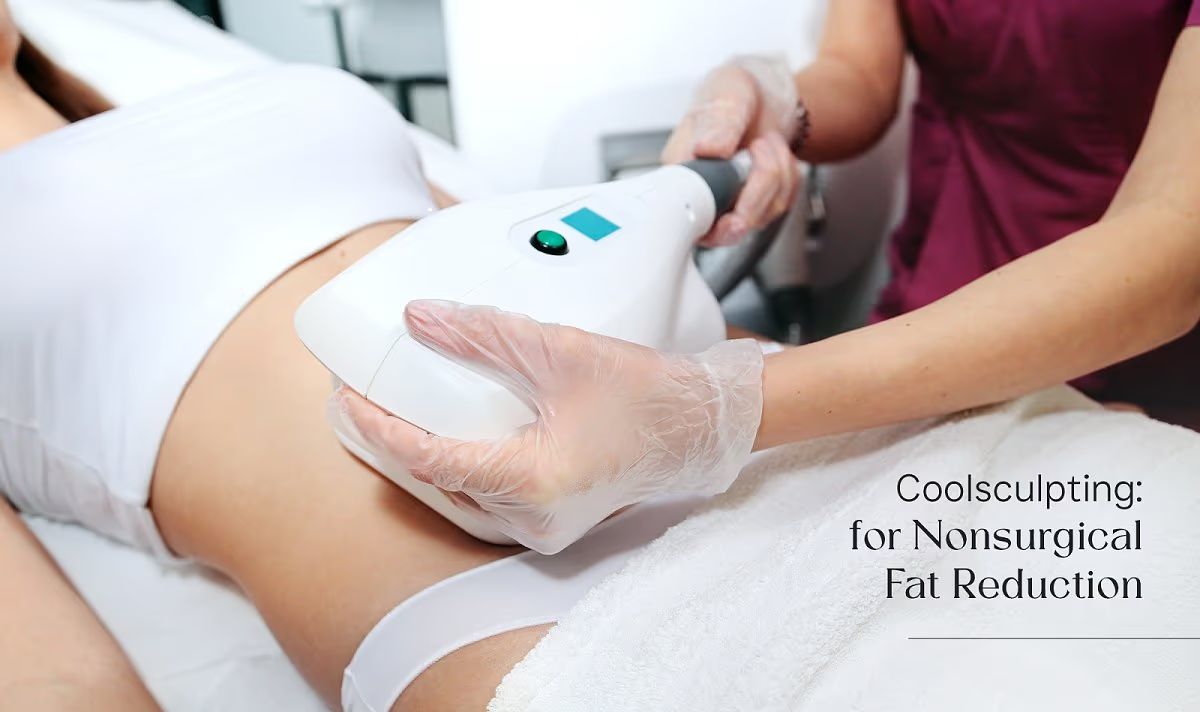
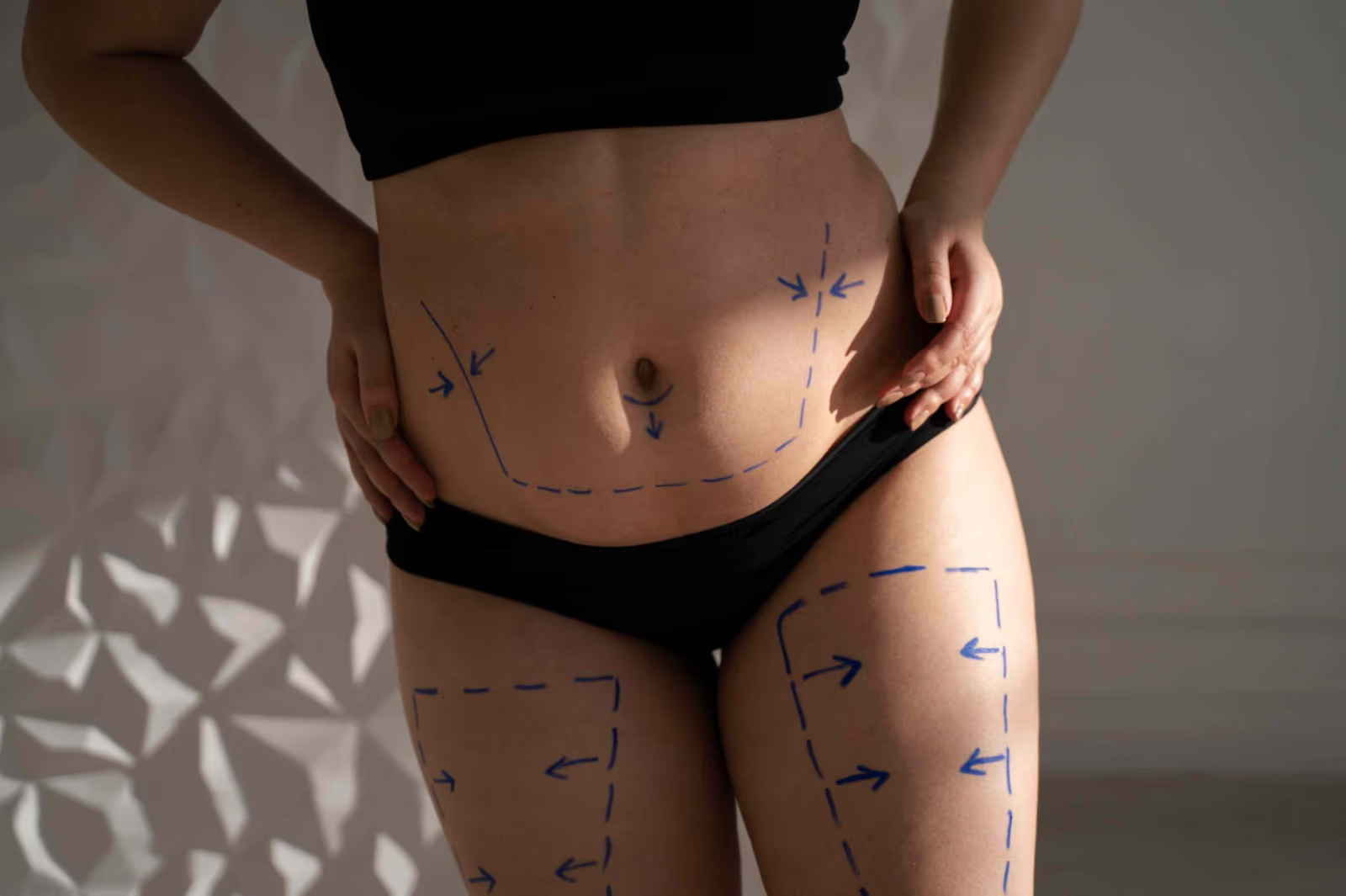
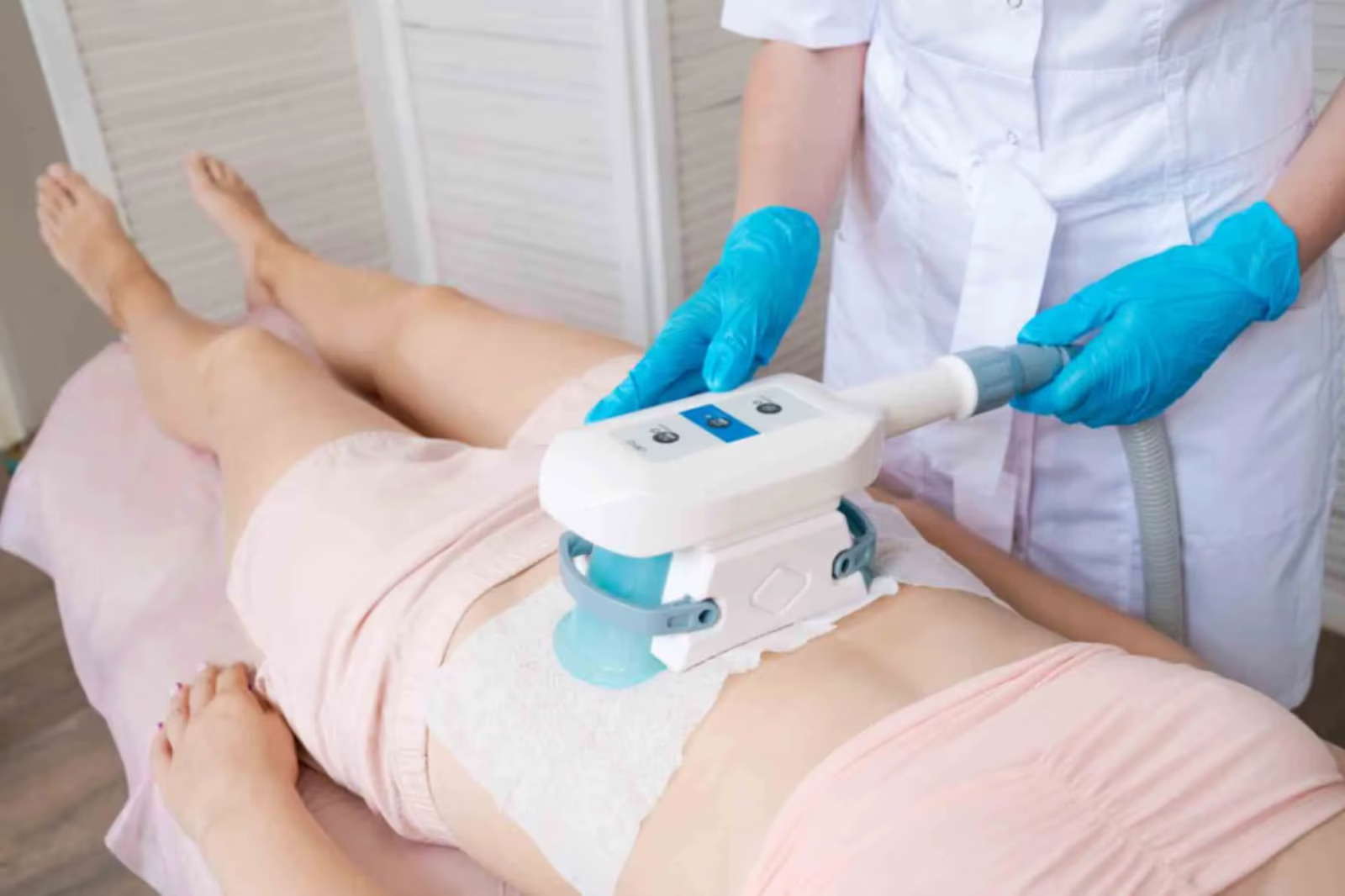
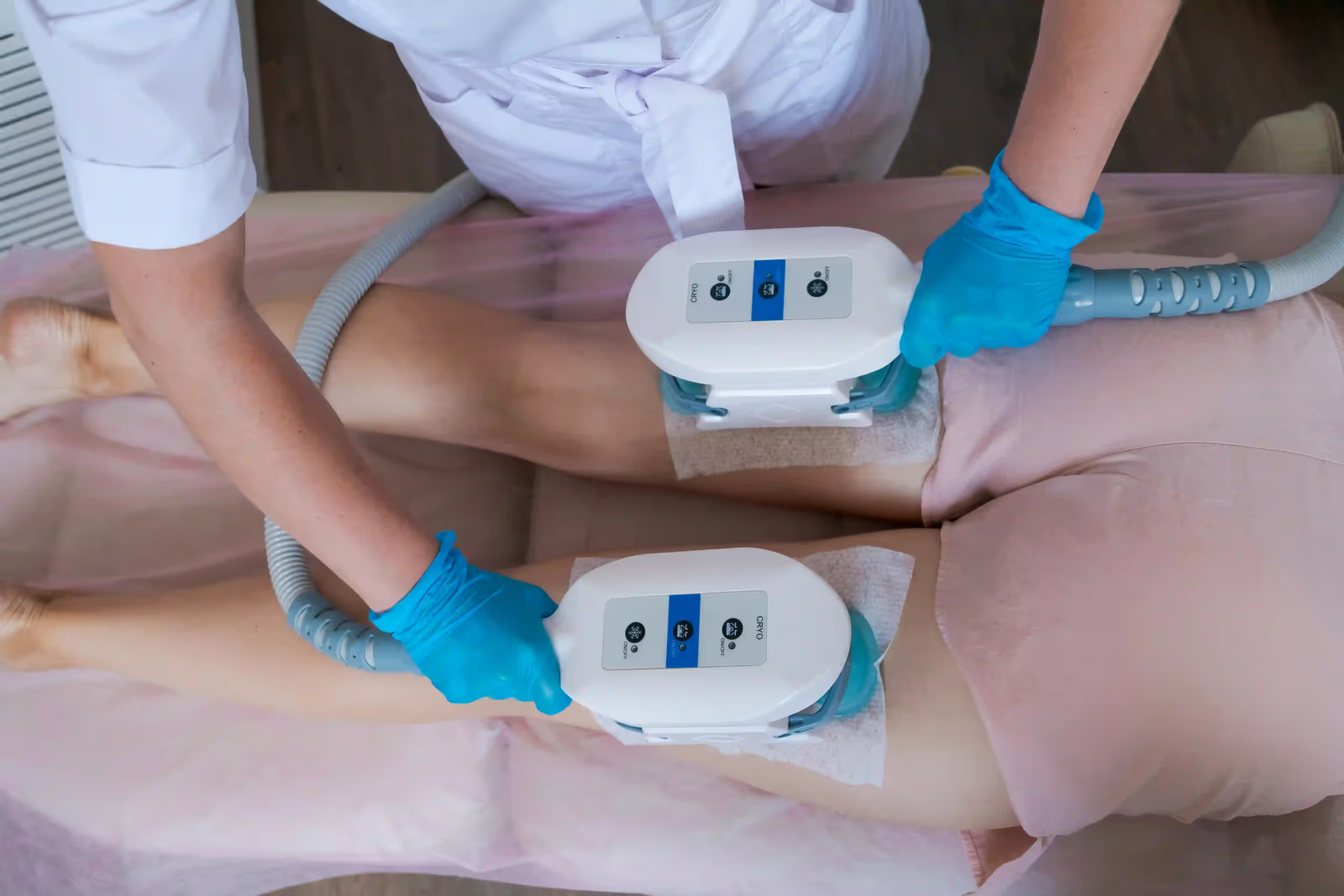
The treatment starts with a specialist marking out the problem areas on your thighs, could be those inner folds that rub together, or the outer “saddlebags” that never seem to shrink. Then, an applicator (a curved device that looks a bit like a vacuum cup) is gently placed on that area.
Here’s what happens next:
The applicator pulls in the skin and fat between two cooling plates.
These plates bring down the temperature just enough to crystallise and damage fat cells, without harming the skin or muscles.
Over the next few weeks, your body naturally processes and flushes out those damaged fat cells.
No needles. No anesthesia. No downtime. Most people read, nap, or even work on their laptop during the session.
It’s not an overnight fix. But once the fat cells are gone, they’re gone for good. Usually, you’ll notice slimming in 4–6 weeks, with full results in about 8–12 weeks. On average, one session reduces fat by around 20–25% in the treated area. And unlike generic weight loss, where the fat cells just shrink, CoolSculpting actually eliminates them.
One published clinical study even showed that cryolipolysis is both effective and safe for localised fat reduction, with high patient satisfaction levels. So, yes, this isn’t just hype, it’s backed by science.
Are You an Ideal Candidate?
CoolSculpting or Fat Freezing isn’t for someone who wants to lose 10 kilos in a week. Think of it as a sculpting tool, not a weight-loss miracle. The best candidates are:
People close to their ideal weight but struggling with how to get rid of fat pockets on the thigh.
Those who want spot reduction rather than overall slimming.
Anyone who prefers a “walk-in, walk-out” treatment with no downtime.
If your concern is how to lose thigh fat in a week, CoolSculpting won’t give instant results, but it does give long-lasting, natural-looking slimming.
Cost
This part depends heavily on the clinic and city, but to give you a ballpark: in India, CoolSculpting can cost anywhere from ₹25,000 to ₹40,000 per session per area. Internationally, you’re looking at $600–$1,000 per session. And since both inner and outer thighs may need separate applicators, the cost can double. But many clinics offer packages when you book multiple areas.
Benefits Beyond Fat Loss
Permanent reduction of fat cells (they don’t grow back).
Natural, gradual results (no sudden sagging or “operated” look).
No scars, no anesthesia, no hospital stay.
You can literally walk back to work the same day
Boosts confidence when your thighs finally feel proportionate to the rest of your body.
Aftercare
Post-treatment, you might feel numbness, tingling, or mild soreness in the treated area, but nothing that stops you from living your life. Staying hydrated, doing light walks, and maintaining a balanced diet enhance the results.
3. Mesolipo
If your thighs are holding onto fat no matter how much you exercise, Mesolipo is one of the most direct ways to tackle it. It’s a thigh fat loss treatment that targets the problem exactly where it sits, without surgery.
The Science
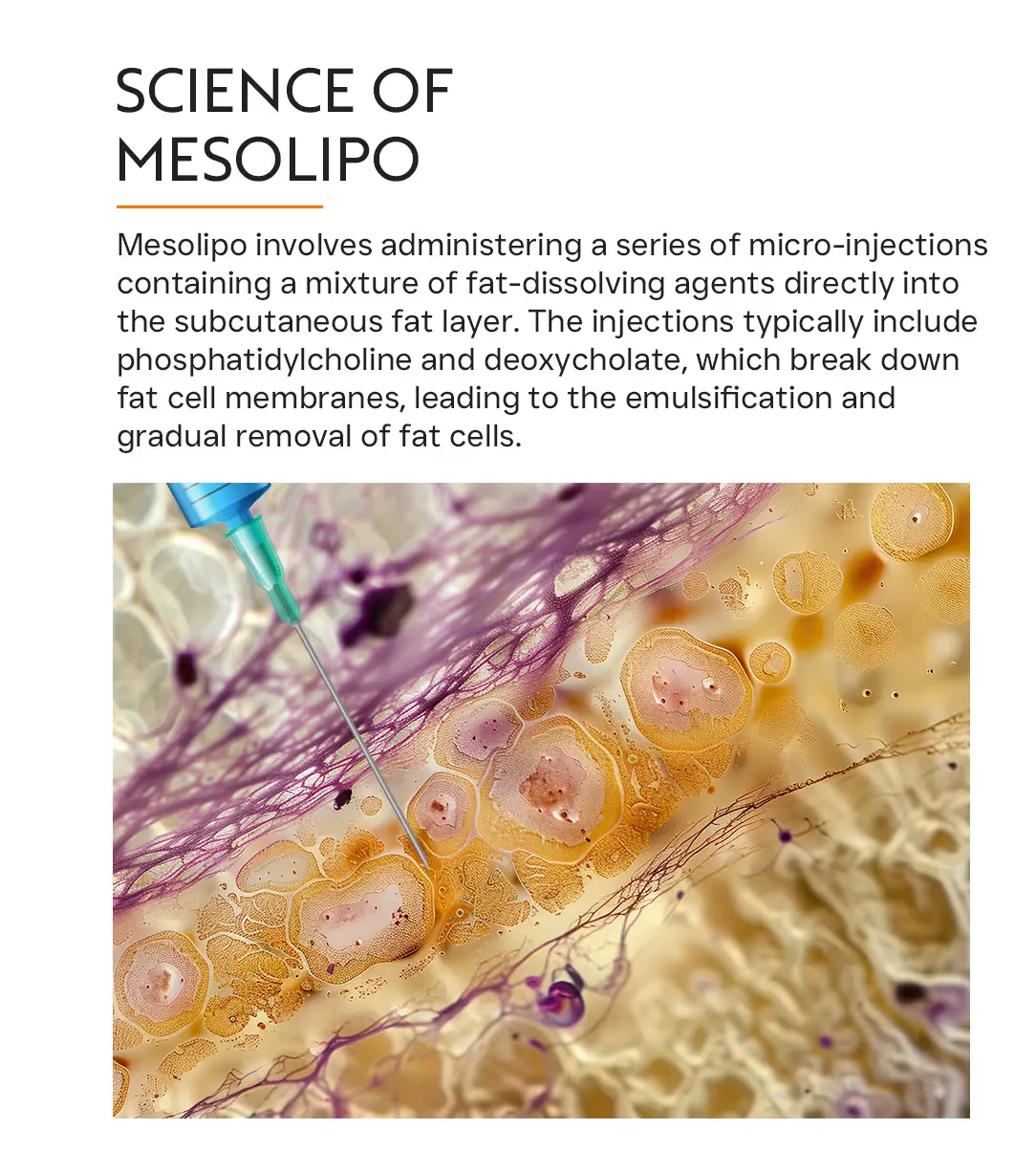
Here’s what actually happens during Mesolipo: a specialist administers a series of very tiny injections into the subcutaneous fat layer of your thighs. These injections aren’t just random fluids; they contain powerful fat-dissolving agents like phosphatidylcholine (PPC) and deoxycholate (DC).
Phosphatidylcholine (PPC): A natural compound that disrupts fat cell walls.
Deoxycholate (DC): A bile salt that breaks down fats so they can be absorbed and flushed out by the body.
Together, they essentially melt away fat cells. Once the cell membranes are destroyed, the fat inside is emulsified (turned into a liquid-like form) and slowly processed out by your body’s metabolic system. That’s why it’s often referred to as a high fat reduce therapy, because it literally eliminates fat cells in the treated area instead of just shrinking them.
The beauty? Results can be customised. Want a more defined thigh gap? Or simply smoother contours on the outer thighs? The treatment can be targeted as precisely as you’d like.
What it Feels Like
Mesolipo isn’t painful in the way most people fear when they hear “injections.” The needles are ultra-fine, and a numbing cream is usually applied before the session. You may feel a slight sting or pressure during the procedure, followed by some mild warmth or tingling as the solution spreads. The session itself usually takes 20–40 minutes, depending on the size of the area.
The Results
Now let’s talk outcomes, because that’s what we care about most when it comes to non surgical fat removal from thighs.
Localised Fat Reduction: You’ll see a clear reduction in bulges that were previously resistant to diet and workouts.
Youthful Appearance: Many patients notice their skin looks firmer and healthier thanks to improved circulation and stimulation in the treated area.
Enhanced Body Contours: Instead of losing weight all over, Mesolipo lets you reshape and contour specific parts of your thighs.
Customisable Results: Whether your goal is smoother inner thighs or sculpted outer thighs, your doctor can tailor the injections accordingly.
Most people begin noticing changes after 2–3 sessions, but the best results often come after 4–6 treatments, spaced a few weeks apart.
Are You an Ideal Candidate?
If your main concern is stubborn inner or outer thigh fat, rather than overall weight loss, you’ll likely benefit.
It’s not recommended for:
People with obesity (this is not a full-body weight loss solution).
Pregnant or breastfeeding women.
Those with liver or kidney conditions.
But for someone fit and healthy who just wants targeted thigh fat reduce treatment, it’s one of the most effective options.
Cost of Mesolipo
The cost varies depending on the clinic and number of sessions, but on average, in India you can expect ₹8,000–₹15,000 per session per area. Internationally, the range can be $300–$600 per session. Since multiple sessions are usually needed, clinics often offer packages.
Side Effects & Recovery
Mesolipo isn’t surgery, so there’s no downtime. But, since it involves injections, some mild side effects are expected:
Redness, swelling, or bruising at the injection site.
Temporary tenderness.
Rarely, small nodules under the skin that resolve over time.
You can usually return to work or daily activities immediately. To boost the results, staying hydrated, avoiding heavy alcohol, and maintaining a balanced diet are recommended.
4. Lipolaser Treatment
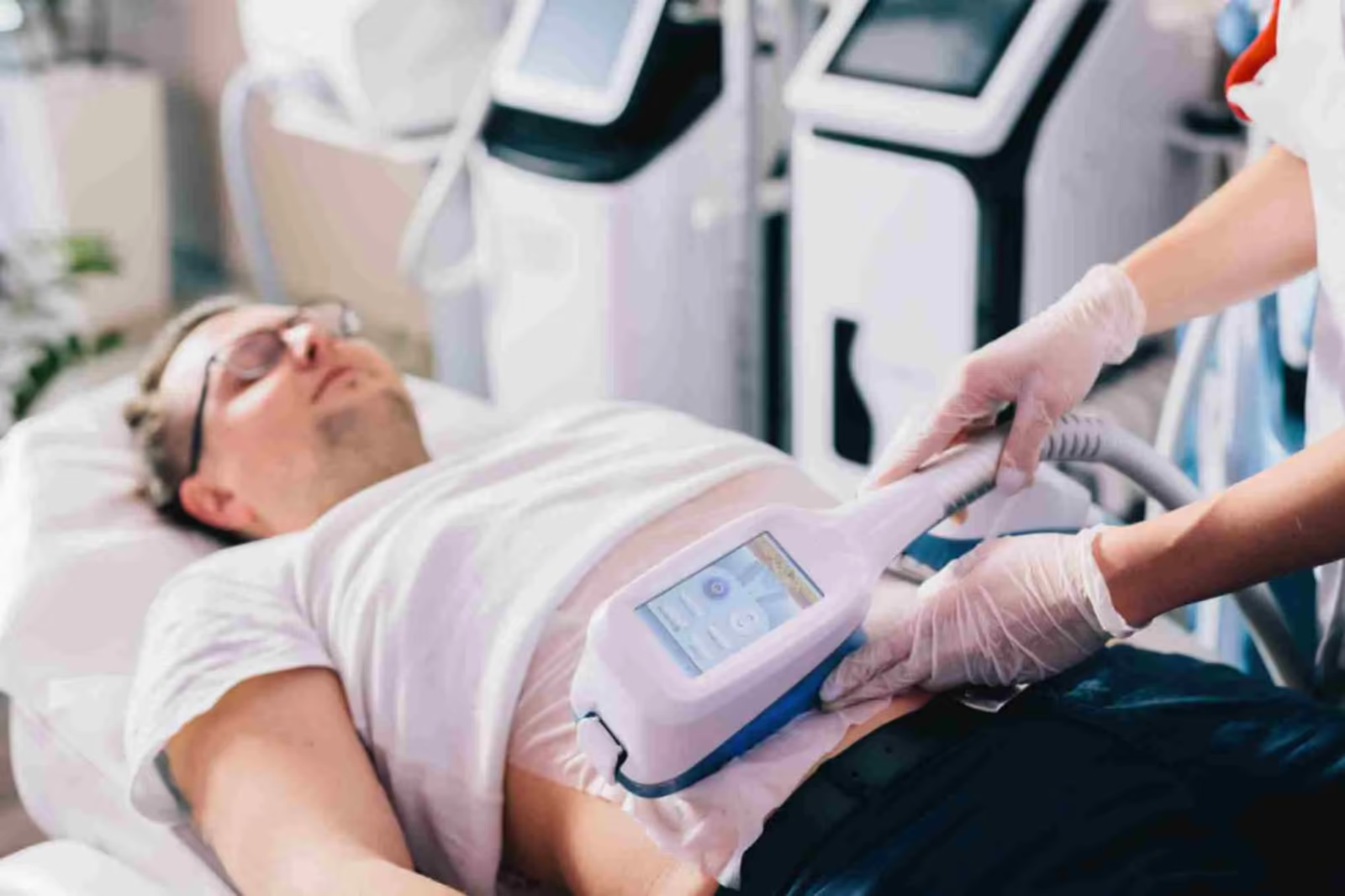
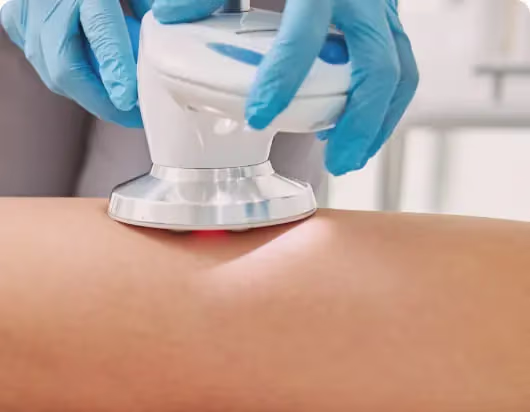
If your thighs are holding onto fat no matter how much you diet or exercise, Laser lipolysis, or Lipolaser, offers a precise way to tackle stubborn pockets. Unlike general weight loss, this treatment works directly on the fat cells, helping you achieve localised fat reduction in a non-surgical and minimally invasive way.
Here’s how it works:
Laser Targets Fat Cells
The laser is applied to the thigh area, zeroing in on fat cells without affecting surrounding tissues. It’s painless, non-invasive, and precise.
Fat Cells “Unlock”
The laser creates tiny openings in fat cells, releasing stored triglycerides, glycerol, and fatty acids. This process is called lipolysis, which prepares the fat for natural elimination.
Natural Fat Removal
The body’s lymphatic system carries away the released fat and eventually converts it into energy. Unlike simple shrinking of fat cells, this method removes fat for lasting results.
Skin Tightening
While reducing fat, Lipolaser stimulates collagen production in the skin. This ensures the thighs look toned, firm, and smooth, without sagging.
Benefits
Targets inner thighs, outer thighs, and stubborn fat pockets.
Non-surgical with no cuts, anaesthesia, or scars.
Most people can resume normal activities the same day.
Reduces fat gradually for a smooth, natural-looking contour.
Stimulates collagen production, improving skin tone and elasticity.
Supports lymphatic drainage, helping the body flush out released fat naturally.
Ideal Candidates
Individuals with stubborn thigh fat resistant to diet and exercise.
Those near their ideal weight, seeking spot reduction rather than overall weight loss.
People who prefer non-surgical, minimally invasive fat reduction.
Not suitable for:
Pregnant or breastfeeding women.
Individuals with severe obesity.
People with liver disorders or certain medical conditions.
Side Effects
While generally safe, minor side effects may occur:
Redness, swelling, or mild bruising at the treated area.
Temporary warmth, tingling, or tenderness.
Rarely, small lumps that disappear naturally over time.
Most side effects are mild and short-lived, resolving within a few days.
Post-Treatment Care
To maximise results and minimise side effects:
Avoid touching or massaging the treated area for the first 24 hours.
Apply cold compresses if swelling or discomfort occurs.
Wear loose clothing to prevent irritation.
Stay hydrated to help the lymphatic system flush out fat.
Engage in light exercise, such as walking, to improve circulation.
Avoid alcohol and high-sodium foods for a few days.
Follow up with your practitioner for any additional sessions as advised.
Results
Results from thigh lipolaser become noticeable within 2–4 weeks, with optimal outcomes after 3–5 sessions, depending on thigh fat thickness. The treatment destroys fat cells for long-lasting reduction, while simultaneously improving thigh contours, leaving the skin smoother, firmer, and more toned.
Cost
The price varies depending on the size of the area and the number of sessions.
On average: ₹8,000–₹15,000 per thigh per session.
Multiple sessions are recommended for customised and optimal results.
If Surgery’s on Your Mind, Liposuction Is the Way to Go
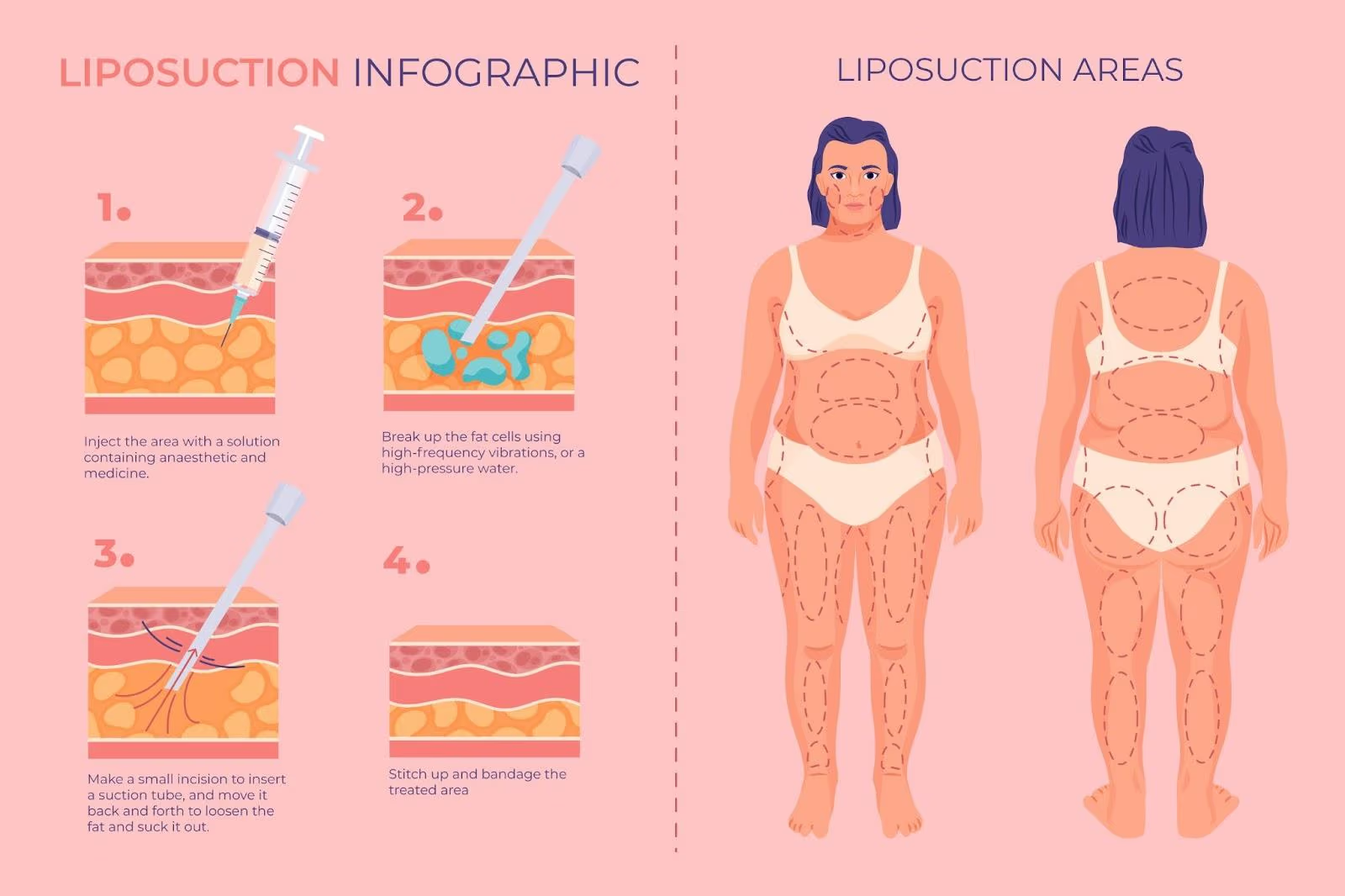
Some people also explore thigh liposuction, a surgical treatment where fat is physically removed from the thighs through small incisions. A thin tube called a cannula is inserted to suction out excess fat, leaving the thighs slimmer and better contoured.
Key Points:
Focuses on stubborn fat in the inner thighs, outer thighs, or saddlebags
Provides visible fat reduction in a single procedure
Requires anaesthesia and a recovery period of a few days to weeks
Results can be long-lasting if supported by a healthy lifestyle
Note: Since thigh fat liposuction is a surgical method, it comes with downtime and certain risks. It’s important to weigh these factors carefully and consult a qualified surgeon. For those who prefer a safer, non-invasive approach with little to no downtime, non-surgical options like CoolSculpting, Termoslim, Mesolipo, or Lipolaser are excellent alternatives.
Non-Surgical vs Surgical Thigh Fat Reduction – Comparison Table
People near their goal weight with stubborn thigh fat pockets
People wanting more dramatic fat removal in one procedure
Maintenance
Results are long-lasting if a healthy lifestyle is maintained; multiple sessions may be needed
Fat cells removed permanently; weight stability required for lasting results
Cost (India)
Approx. ₹8,000–₹20,000 per session, depending on treatment
₹80,000–₹2,00,000 depending on the extent of fat removal
Overall Approach
Best for spot reduction, contouring, and gradual thigh fat loss
Best for more significant fat removal in one go
Other than liposuction, here are a few surgical options for reducing thigh fat:
Thigh Tummy Lift (Thighplasty): This procedure removes excess skin and fat from the inner or outer thighs, giving a firmer and smoother appearance. It’s ideal for those who have loose skin along with stubborn fat.
Laser-Assisted Liposuction: Uses laser energy to liquefy fat before it’s removed via suction. It’s less invasive than traditional thigh fat lipo, helps tighten the skin, and reduces recovery time.
Ultrasound-Assisted Liposuction (UAL): Ultrasound energy breaks down fat cells, which are then suctioned out. This method is effective for larger fat deposits and can contour the thighs more precisely.
Power-Assisted Liposuction (PAL): Uses a vibrating cannula to break up fat faster, making the procedure quicker and easier for larger or denser areas like the thighs.
These surgical options, while effective, require proper consultation, anaesthesia, and recovery time. They are best for people seeking significant or targeted fat removal and willing to commit to post-surgery care.
Why VLCC is the Go-To Place for Non-Surgical Fat Reduction
VLCC has been helping people look and feel their best for years. With safe, effective, and non-surgical treatments, it’s no wonder so many trust them for their body goals.
Here are the solid reasons you should trust VLCC:
People Who Actually Get It
The experts at VLCC really know their stuff. They understand how stubborn fat works and make sure every session is safe, comfortable, and done the right way. You’re in the hands that know what they’re doing.
Treatments That Work With Your Body
Whether it’s Termoslim, Mesolipo, CoolSculpting, or other non-surgical options, each session is designed to target the exact spot that’s bothering you. It’s not magic, it’s smart science + experience.
Quick, Safe, and Zero Downtime
The sessions are non-invasive, safe, and fast. You can get in, get treated, and head back to work, errands, or that coffee date, while your thighs slowly start slimming down.
Hand-Holding That Actually Helps
They don’t just finish the session and wave goodbye. You get aftercare guidance, tips for maintaining results, and support along the way, so the fat doesn’t sneak back later on.
Ready to finally lose thigh fat quickly and safely? With non-surgical fat removal from thighs, you can get the toned, contoured legs you’ve been hoping for, without surgery.
Thigh fat can be stubborn, and that’s not your fault; it’s just how the body works. Between genetics, hormones, and how fat cells in this area behave, it’s normal for progress to feel slow even when you’re eating right and exercising. The good news is that you don’t have to fight it with frustration or extremes.
A combination of smart lifestyle habits and non-surgical treatments can make a real difference. Eating balanced meals, staying active with targeted exercises, managing stress, and getting enough rest sets the stage for change. On top of that, treatments like Termoslim, CoolSculpting, Mesolipo, and Lipolaser work with your body to reduce fat safely and precisely. They target the exact areas that diet and workouts sometimes can’t reach, helping your thighs gradually become firmer, smoother, and more contoured.
Results don’t appear overnight, but that’s the beauty of it; they’re gradual, natural, and long-lasting. With each session and consistent healthy habits, you’ll notice inches lost, toned muscles showing through, and confidence in your body growing. It’s about progress, not perfection. If stubborn thigh fat has been holding you back or making you self-conscious, remember: there are safe, effective ways to address it without surgery. Stay consistent, trust the process, and give your body the support it needs. Over time, the changes will be visible, satisfying, and real.
Frequently Asked Questions
If you’re considering non-surgical thigh fat reduction, you might have a few questions in mind. Here are some answers to common doubts people have before starting these treatments.
1. Can non-surgical treatments prevent future fat gain in the thighs?
Non-surgical treatments target and destroy the fat cells in the treated area, meaning those specific cells won’t return. However, your body can still produce new fat cells if you consume excess calories or lead a sedentary lifestyle. To maintain your results, it’s essential to pair treatments with balanced nutrition and regular physical activity, creating a sustainable routine rather than expecting a permanent solution without effort.
2. Will these treatments help with cellulite on my thighs?
Some non-surgical treatments, like Termoslim or Lipolaser, can improve the texture of your skin and reduce mild cellulite. They do this by boosting circulation, stimulating collagen, and tightening the skin as they target fat cells. While visible smoothing is possible, deep or severe cellulite may not fully disappear with these treatments alone and might require complementary therapies for optimal results.
3. How long does each treatment session usually take?
Most sessions are relatively quick, usually lasting between 30 to 60 minutes per area, depending on the treatment and the amount of fat being targeted. Some treatments may take slightly longer if multiple zones need attention. The convenience of short sessions is one reason these procedures are popular; they can fit into a lunch break or an afternoon without significantly disrupting your day.
4. Are non-surgical thigh treatments painful?
These treatments are generally very comfortable. You might feel warmth, cooling, a gentle tingling, or light pressure depending on the technology used. Some treatments include a numbing cream or cooling mechanism to enhance comfort. Most patients describe the sensation as mild or similar to a massage, with no need for anaesthesia or strong painkillers.
5. How soon can I see results after a session?
Results depend on the treatment and your body’s natural metabolism. For some, subtle changes are noticeable in 2–4 weeks, with more defined results appearing after 3–6 sessions. Unlike surgical procedures, non-surgical treatments work gradually, allowing your body to naturally process and eliminate fat, which gives a smooth, sculpted look without sudden or uneven changes.
6. Can I combine these treatments with my regular workouts?
Yes! In fact, combining non-surgical fat reduction with consistent exercise can improve your results. Light activity after a session, like walking or gentle stretching, can help stimulate circulation and support fat elimination. The treatments are designed to complement an active lifestyle rather than replace it, so maintaining movement and strength training ensures your thighs stay toned and contoured.
7. Are there any restrictions on clothing after treatment?
Most treatments have minimal clothing restrictions. It’s recommended to wear loose, comfortable clothing for a day or two to avoid irritation, especially if your skin is slightly sensitive. Tight clothing isn’t dangerous but might create minor discomfort. After that, you can continue wearing your regular outfits without worry.
8. Can men also benefit from these treatments?
Absolutely. Non-surgical thigh fat reduction is not limited by gender. Men who struggle with stubborn fat around the thighs or inner/outer leg areas can achieve noticeable slimming and improved contours. The treatments can be customised to address the unique fat distribution patterns often seen in men, making it effective for anyone seeking targeted fat reduction.
9. Do I need to follow a special diet after treatment?
While there’s no strict diet required, eating well and staying hydrated can maximise results. Focus on balanced meals with adequate protein, fibre, and healthy fats to support your body’s metabolism and natural fat elimination processes. Drinking plenty of water is especially important, as it helps flush out the emulsified fat and keeps your skin looking healthy.
10. Can these treatments be done during pregnancy or breastfeeding?
No, it’s not recommended to undergo non-surgical fat reduction while pregnant or breastfeeding. Hormonal and metabolic changes during these periods can affect results and make the body more sensitive. It’s best to wait until after pregnancy and breastfeeding to ensure both safety and optimal outcomes.