How to cure Melasma from the Inside: Your Complete Guide | VLCC
Dull/Pigmentation/Melasma
How to cure Melasma from the Inside: Your Complete Guide
V
VLCC
Dec 19, 2024·3 min read
Melasma is a common skin condition that causes dark patches on the face, which can affect a person's confidence.
But don’t worry—there are ways to manage it effectively. This guide will help you understand melasma, its root causes, and how to treat it naturally with home remedies. We’ll also cover medical treatments, expert advice, and tips for long-term skin care. If you’re looking for simple and effective solutions, you’re in the right place.
What Is Melasma?
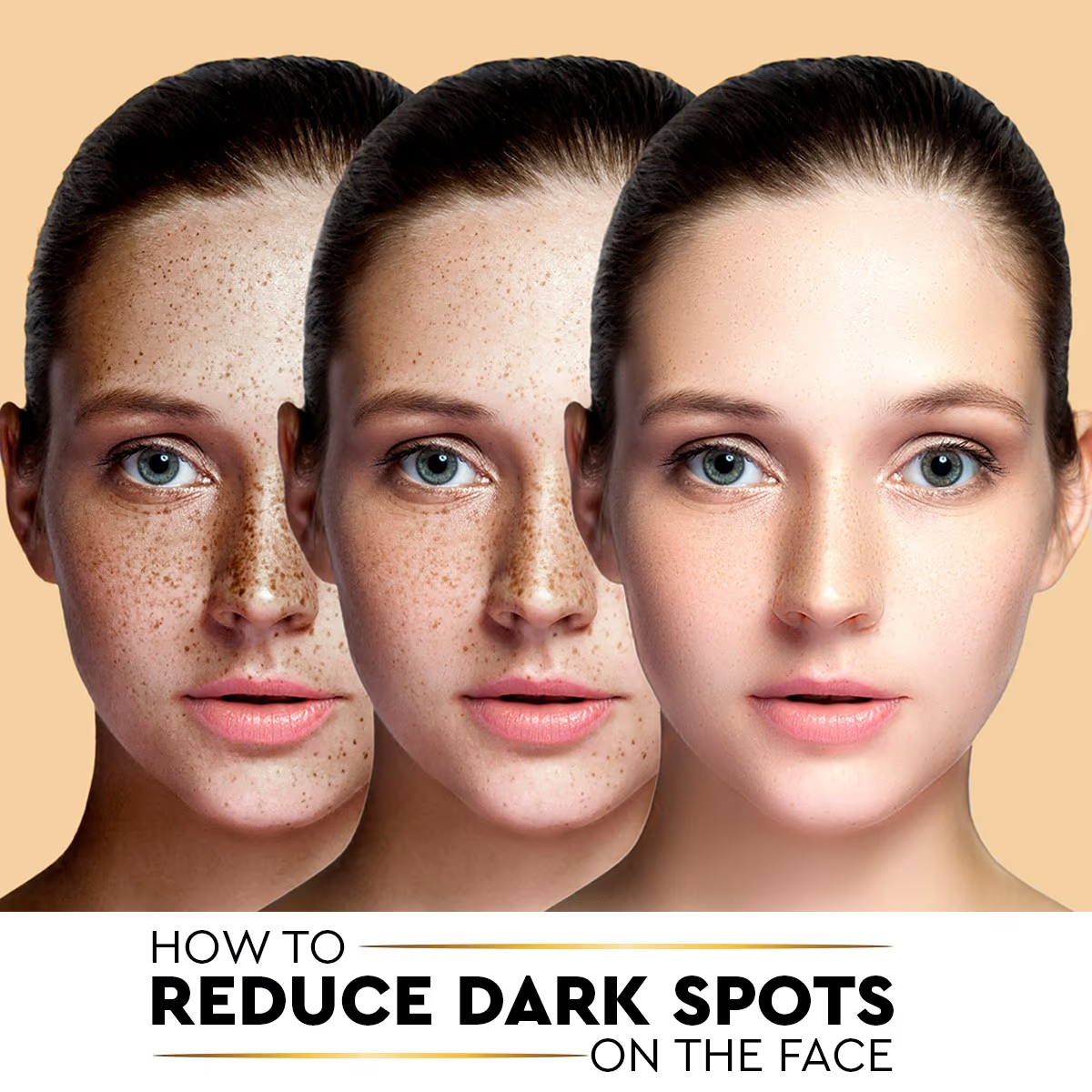
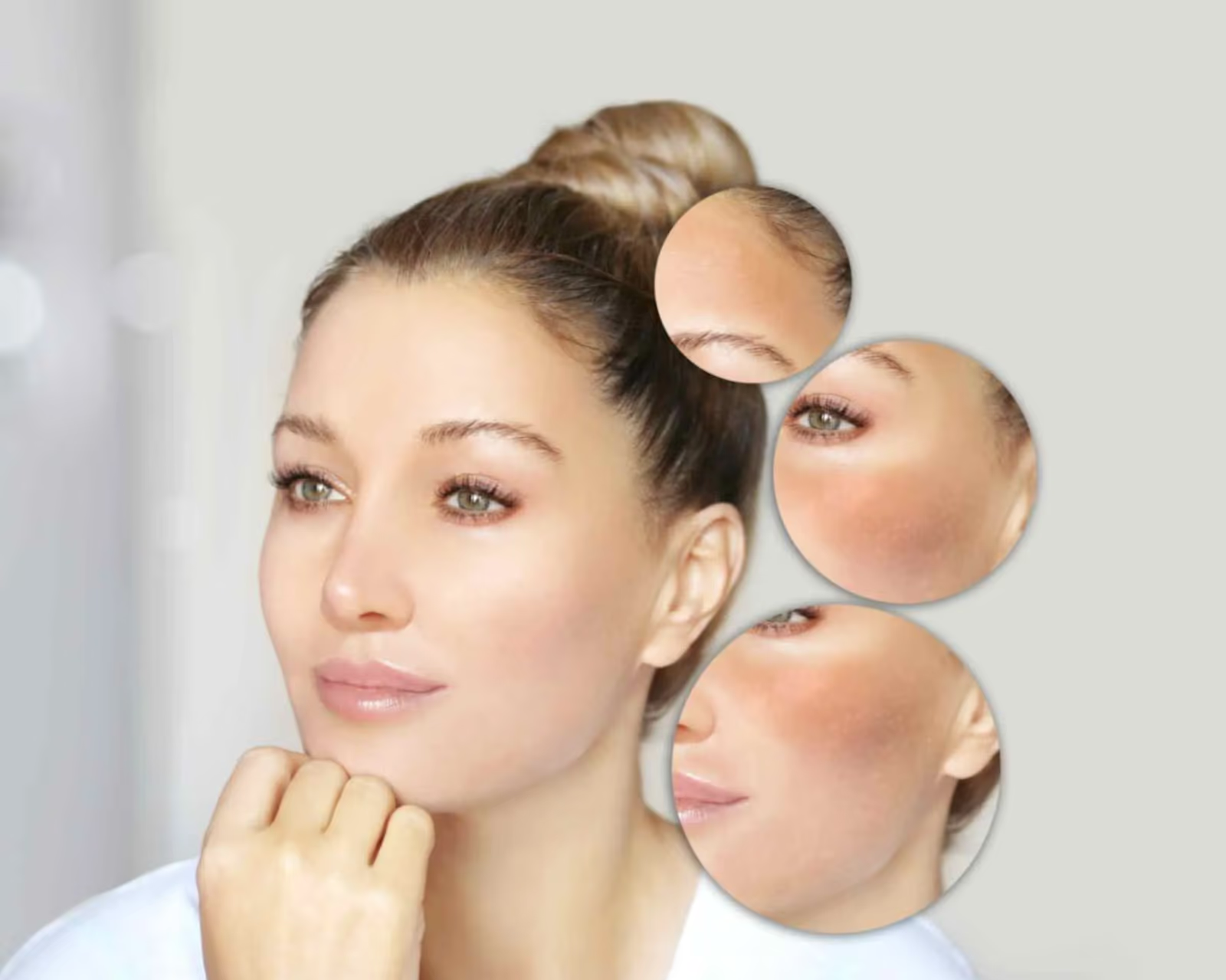
Melasma is a skin problem that causes dark or brown patches, mostly on the face. These patches often appear on the cheeks, forehead, nose, and above the upper lip.
This condition occurs when the skin produces too much melanin, the pigment that gives the skin its color. Melasma is more common in women, especially those with darker skin, and is often linked to hormonal changes like pregnancy or using birth control pills.
The symptoms of melasma include brown or gray-brown patches on the skin that are usually symmetrical on both sides of the face. While melasma is not painful or harmful, it is a common skin condition that many people seek to manage effectively.
Root Cause of Melasma
Melasma occurs when the skin produces too much melanin, leading to dark patches. Several factors can trigger this overproduction, and understanding them is key to managing the condition effectively.
Here are the main causes of melasma:
Hormonal Imbalance
Hormonal changes are one of the most common reasons for melasma. It often appears during pregnancy, which is why it’s sometimes called the “mask of pregnancy.” Birth control pills and hormone therapy can also increase the can also make melasma more likely to occur.
Sun Exposure
Exposure to ultraviolet (UV) rays is a key factor in triggering melasma. UV rays encourage the skin to produce more melanin, which can make the dark patches more noticeable. This is why melasma often becomes more noticeable in sunny climates.
Genetic Factors
Have a family member with melasma? If yes, there’s a good chance you might have inherited it. Studies
show that about 33% to 50% of people with melasma have a family member with the condition.
Medications
Some medications, like anti-seizure drugs, antibiotics, retinoids, and blood pressure medications, can make your skin more sensitive to the sun. This can trigger melasma. If you start noticing dark patches after beginning a new medication, it’s a good idea to check with your dermatologist.
Stress
Some studies suggest that stress might trigger melasma. When you’re stressed, your body produces more of the hormone cortisol, which could lead to melasma. So, managing stress might help keep your skin clear.
Vitamin or Mineral Deficiencies
Your diet plays a big role in skin health. If your body is low on vitamins like B12, D, or iron, it can show up on your skin as melasma.
Knowing these causes can make a huge difference in managing melasma. Once you know what’s behind it, you can take steps to reduce the patches and keep your skin looking its best.
Natural Remedies to Treat Melasma Patches
Managing melasma naturally can be a simple and effective way to improve your skin. Here are five home remedies that can help cure melasma from the inside and make your skin look better over time:
Turmeric Paste
Turmeric is known for its skin-brightening and anti-inflammatory properties. Mix turmeric powder with milk to create a paste and apply it to the melasma-affected areas. Leave it on for 15-20 minutes before rinsing off.
Turmeric helps reduce pigmentation, while milk soothes the skin. Regular use of this remedy can help lighten dark patches and improve your skin tone over time. For best results, apply it every day.
Papaya and Honey
Papaya is a popular home remedy for melasma. It contains enzymes, beta-carotene, vitamins, and phytochemicals that help lighten the skin.
To use, mash a few pieces of papaya and mix with honey. Apply the paste to the affected areas and leave it on for 20 minutes. Rinse it off after 20 minutes.
Do this once a week for 2-3 months to see visible improvement in your skin.
Aloe Vera
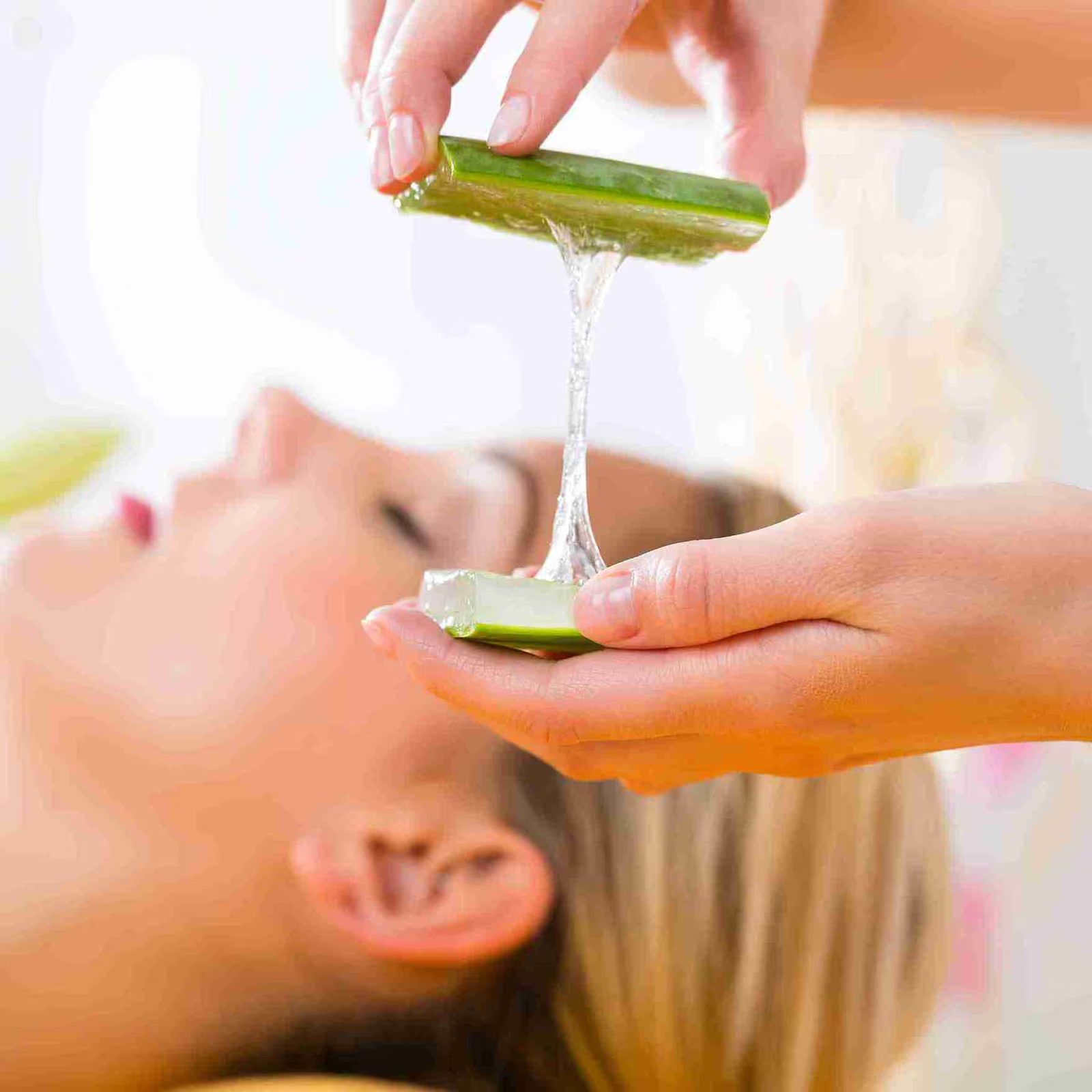
Aloe Vera contains aloin, a compound that helps lighten dark patches. Simply massage it into your face for two minutes, leave it on for 15 minutes, and rinse with lukewarm water. For best results, use it twice a day.
You can also drink aloe vera juice to help manage melasma from the inside. This natural approach can improve your skin over time.
Cucumber
Cucumbers are a great natural remedy for reducing pigmentation, thanks to their high water content. To use, simply grate a cucumber and apply it to the affected areas. Let it sit for 20 minutes, then wash it off with warm water.
For the best results, repeat this daily.
Red Lentils Paste
In Ayurvedic beauty practices, a DIY face mask made with mashed lentils is used to brighten the skin which can also help in curing melasma naturally. To make the mask, soak red lentils in water overnight. The next morning, blend them into a thick paste.
Apply it to your face for 20 minutes, then rinse with cold water. Follow up with a light moisturizer to keep your skin hydrated. Use this red lentil mask 2-3 times a week for best results.
Things to take care of if you have Melasma
Managing melasma involves a mix of sun protection, stress management, and consistent skincare.
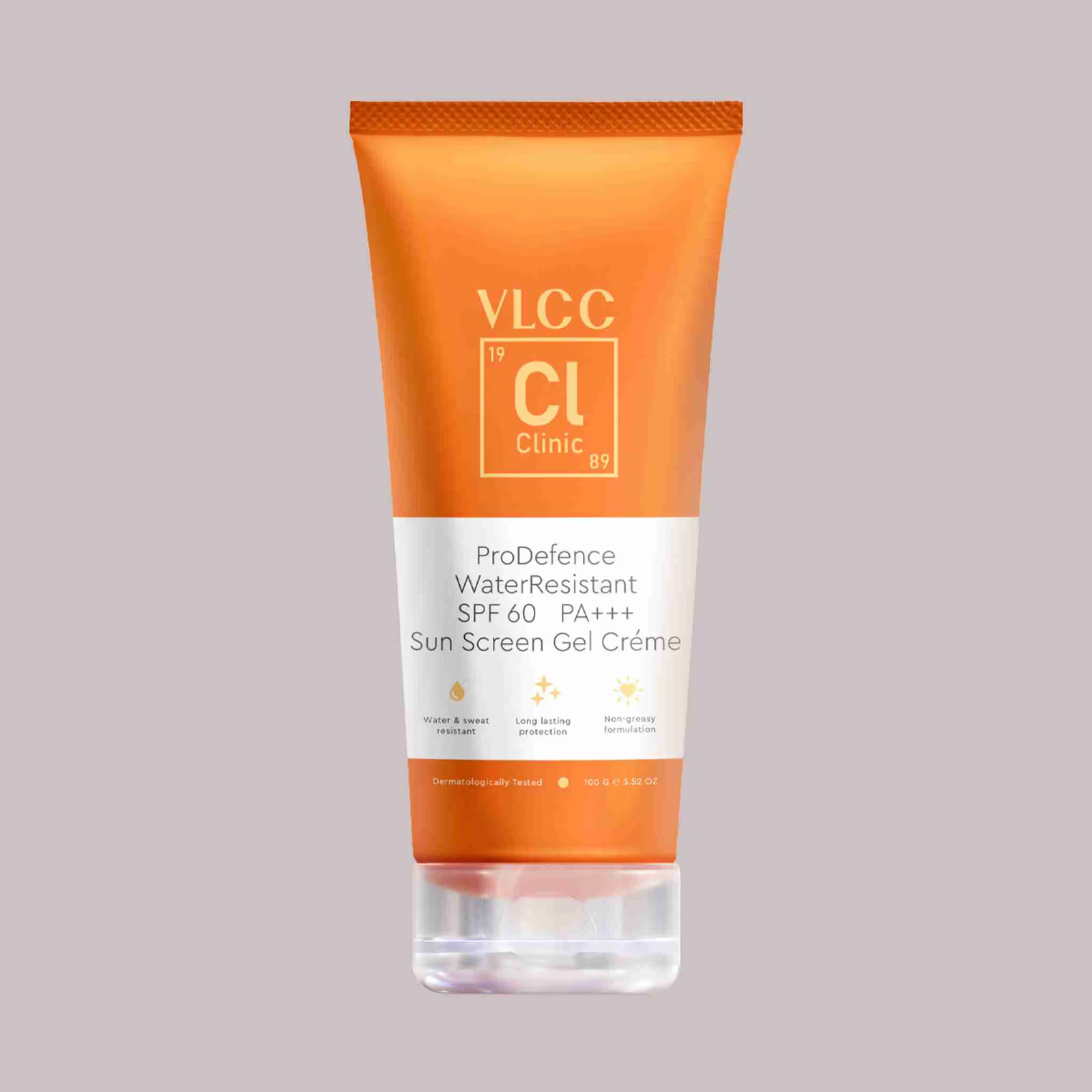
Protect your skin from the sun by using sunscreen with SPF 30 or higher every day. Even on cloudy days, wear a wide-brimmed hat and avoid the sun during peak hours to prevent dark spots from worsening.
Stress can worsen melasma by affecting hormones, so finding ways to manage stress is important. Practice relaxation techniques like meditation, deep breathing, or yoga to help keep stress levels in check and support healthier skin.
Stick to a simple skincare routine using gentle, hydrating products. apply sunscreen daily, even when indoors, and give your skin time to heal. With consistent care, your skin will show improvement over time.
Diagnosis and Treatment of Melasma
If natural remedies aren’t giving you the results you want, it’s a good idea to consult a dermatologist. They can diagnose melasma accurately and recommend treatments like medications or skin procedures to help fade the patches effectively
Dermatologists diagnose melasma by looking at your skin closely. They may use special tools like a Wood’s lamp to see how deep the dark patches go.
Treating melasma can take time. Sometimes, it fades on its own, especially after pregnancy or stopping certain medications. But it can also stay for years. A dermatologist will usually start with a combination of treatments. Sun protection is key, so you’ll be advised to wear sunscreen every day.
Medications like hydroquinone, tretinoin, or a combination of both can help lighten the skin. In some cases, stronger treatments like chemical peels, microneedling, or laser therapy may be recommended to cure melasma from the inside.
Remember, treatments take time, and seeing a dermatologist helps you get the best care tailored to your skin.
FAQS
1. Can melasma be cured naturally?
Melasma can’t be completely cured naturally, but natural remedies and treatments can help reduce its appearance and manage it over time.
2. What is the fastest way to treat melasma?
The fastest way to treat melasma is by combining sun protection, topical treatments, and a diet rich in antioxidants. In some cases, oral medications may also help speed up the process.
3.How to treat melasma on the face naturally?
To treat melasma on the face naturally, use remedies like turmeric, aloe vera, and cucumber. Apply these to the affected areas regularly and ensure you protect your skin from the sun.
4. How can I treat melasma from the inside?
Melasma is mainly caused by hormones and sun exposure. While there’s no direct cure from the inside, eating a balanced diet, staying hydrated, and managing hormones with your doctor’s help may improve its appearance over time.
5. Can vitamins help treat melasma naturally?
Yes, certain vitamins like Vitamin C and Vitamin E can help reduce melasma by brightening the skin and reducing pigmentation. Including these vitamins in your diet or using skincare products with these ingredients can be beneficial.
6. What is the fastest way to treat melasma?
The fastest way to treat melasma is by combining sun protection, topical treatments, and a diet rich in antioxidants. In some cases, oral medications may also help speed up the process.
7. Can melasma be cured completely?
Melasma can improve with treatment, but it may return if exposed to the sun. Consistently using sunscreen can help prevent it from coming back.
Final Thoughts
Melasma can be tough to deal with, but with the right care, it can be managed. While there's no instant cure, natural remedies like turmeric, aloe vera, cucumber, and papaya can help lighten dark patches and improve your skin's appearance over time.
At VLCC, we focus on a holistic approach. Along with using natural remedies, make sure to protect your skin from the sun and manage stress, as both can affect your skin. Our skincare products and treatments are designed to support your skin’s health and improve its overall appearance.
A balanced diet, full of essential vitamins and minerals, is also key to better skin. With the right care and VLCC’s support, you can see positive changes in your skin.