We don’t talk about underarms. Not in everyday conversations, not at salons, not even when we’re obsessing over our skincare routines. It’s that part of our body we usually hide out of habit, out of awkwardness, or simply because we never thought it needed “care.”
But, you know what? Underarms matter. Because when they get dark, rough, patchy, or smelly, they do affect your confidence. Wearing sleeveless tops, raising your hands in public, clicking a photo in a sleeveless kurti, all these moments begin to feel uncomfortable. And in many ways, your underarms become a secret insecurity that you quietly carry.
But the bigger problem? There’s too much misinformation out there. One site says to use lemon, another says not to. Some say laser is the only solution, some swear by home remedies. With all this confusion, it’s hard to figure out what’s real, what works, and what suits your skin.
That’s exactly why we wrote this guide.
This blog will walk you through everything, from causes to remedies, from home treatments to medical procedures, product suggestions, daily routines, and most importantly, how to feel confident in your skin again.
If your underarms have been bothering you for a while now, or you simply want to take better care of them, let’s get in.
What Exactly Causes Dark Underarms?
Before we talk about treatment, let’s understand what’s actually going on under that skin. Because the truth is, most of us only focus on the surface, scrubbing harder or switching creams, without knowing what’s causing it from within.
Dark underarms are usually a result of hyperpigmentation, where your skin produces excess melanin in response to irritation, friction, or hormonal triggers. But this is just the tip of the iceberg.
Common Reasons Behind Underarm Pigmentation:
1. Shaving
Most of us start shaving our underarms as teens. It’s convenient, fast, and pain-free. But here’s the thing: shaving only removes surface-level hair, leaving the roots behind. That shadow you see after shaving? It’s the hair beneath your skin.
Also, when you shave regularly (especially with a blunt razor), you cause tiny micro-tears and irritation. Over time, your skin becomes inflamed and reacts by producing more melanin, leading to pigmentation.
If you’ve been shaving for years and notice your underarms looking dull or darker than the rest of your body, this could be a major reason.
Friction is another silent cause of underarm darkness. Tight clothes, especially synthetic fabrics like nylon, polyester, and rayon, constantly rub against your skin. This repeated friction causes skin thickening, rough texture, and pigmentation.
Those who wear sleeveless or close-fitting tops daily without breathable fabrics may face this more often.
3. Chemical-Filled Deodorants and Antiperspirants
Most deodorants and antiperspirants contain alcohol, aluminum compounds, synthetic fragrances, and preservatives. These chemicals can be harsh on the delicate underarm skin. Over time, they strip the skin's natural moisture, disrupt the pH balance, and cause inflammation.
If you’ve ever experienced a burning or itchy sensation after applying deo, that’s your skin reacting negatively. Prolonged use may lead to pigmentation and dryness.
4. Dead Skin Cell Accumulation
Just like your face and body, your underarms also shed dead skin cells. But because it’s a closed, often sweaty area, the buildup is faster. This layer of dead skin gives a dull, greyish look to the underarms, something exfoliation can easily fix.
Medical Reasons You Shouldn’t Ignore
Now let’s go beyond surface-level causes and talk about deeper medical triggers. Because sometimes, underarm darkness is your body’s way of sending a signal.
1. Acanthosis Nigricans
This is a skin condition that causes dark, thick, velvety patches, especially around the neck, underarms, and groin. It’s not dirt, and no amount of scrubbing will “clean it.”
Why it happens: It’s often linked to insulin resistance, which means your body is struggling to process sugar properly. This can be a sign of prediabetes, PCOS, or obesity.
If your underarms have become unusually dark and also feel thicker than usual, consult a dermatologist or endocrinologist. A simple blood test might reveal what’s going on inside.
2. PCOS and Hormonal Imbalance
If you’re dealing with irregular periods, acne, facial hair, or weight gain, and your underarms are darkening, it could be due to high androgens and insulin levels.
PCOS doesn’t just affect your ovaries; it messes with your skin, metabolism, and pigmentation, too. Underarm darkness is just one small piece of that puzzle.
3. Thyroid Issues
A sluggish thyroid (hypothyroidism) can also lead to pigmentation changes. It slows down your metabolism, affects skin cell renewal, and leads to dryness and discoloration.
So, if your underarm darkness came suddenly or is spreading, please don’t just rely on home remedies. First, rule out medical reasons. Treating the root cause always helps.
4. Addison’s Disease
Yes, even your adrenal glands can affect your skin tone. Addison’s disease is a rare condition in which your adrenal glands don’t produce enough hormones, especially cortisol.
Why it happens: When cortisol is low, your body produces more ACTH (adrenocorticotropic hormone), which can trigger melanin production in your skin. That’s why you might see darkening not just in underarms, but also on your gums, knuckles, or other creases.
If your underarm pigmentation is accompanied by extreme fatigue, low blood pressure, salt cravings, or unexplained weight loss, don’t brush it off. It’s time to see an endocrinologist.
Understanding the Biology: Why This Area Gets Dark So Easily
Let’s go one level deeper. Why do armpits, in particular, get dark so often?
Well, it’s because of how unique this area is. The skin in your underarms is:
Thinner and more sensitive than most other body parts
Located near major sweat glands (apocrine glands)
Constantly exposed to moisture, friction, and heat
Subject to repeated hair removal and chemical exposure
This combination makes your underarms prone to inflammation and irritation, which leads to post-inflammatory hyperpigmentation (PIH), the main culprit behind darkening.
Hair Removal Methods: Which One Actually Helps?
How we remove underarm hair matters more than we think. Each method affects the skin differently, some more harshly than others.
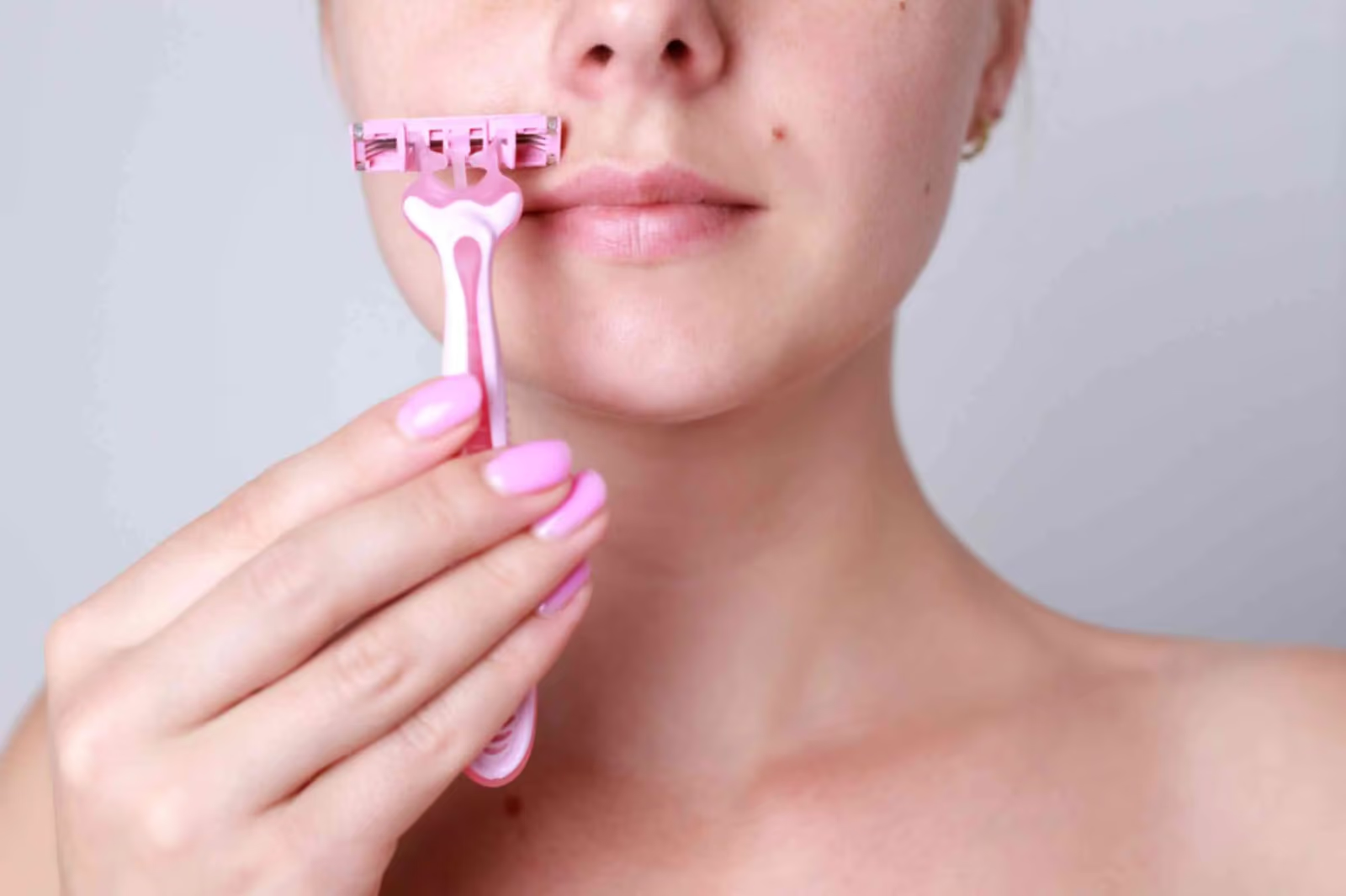
1. Shaving – The Everyday Mistake
Shaving is fast. That’s the appeal. No mess, no appointments, and no pain (in theory). But here’s what you’re not told:
Shaving cuts hair at the surface. So the remaining root gives a shadowy appearance.
Using old or blunt razors leads to friction, micro-cuts, and darkening.
Many of us shave on dry skin or without a proper gel, which damages the barrier over time.
If you absolutely have to shave, at least use a shaving gel, fresh razor, and moisturize afterward. But do consider switching to more skin-friendly alternatives if your goal is whitening.
2. Waxing – Better, But Not Perfect
Waxing pulls out hair from the root, so it avoids that shadowy look. It also exfoliates dead skin cells. However, it can still cause pigmentation if:
The wax is too hot
The skin is sensitive
You wax too frequently
So if waxing is your go-to, switch to sugar wax or hard wax instead of harsh chemical-based ones. Also, avoid waxing during your periods, your skin is more sensitive then.
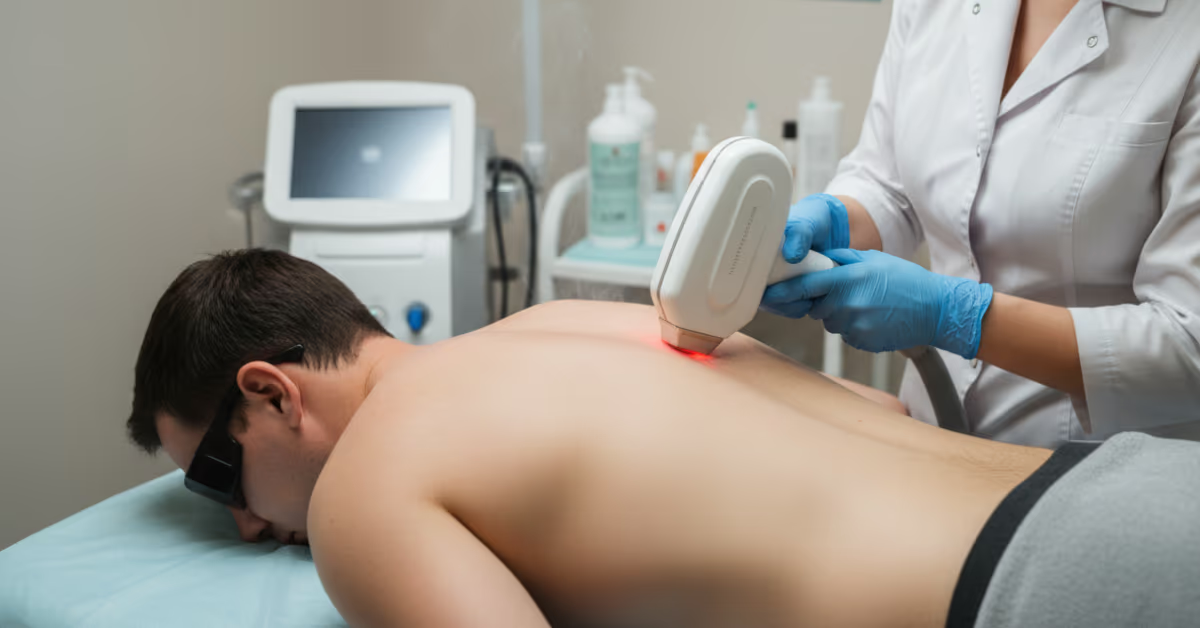
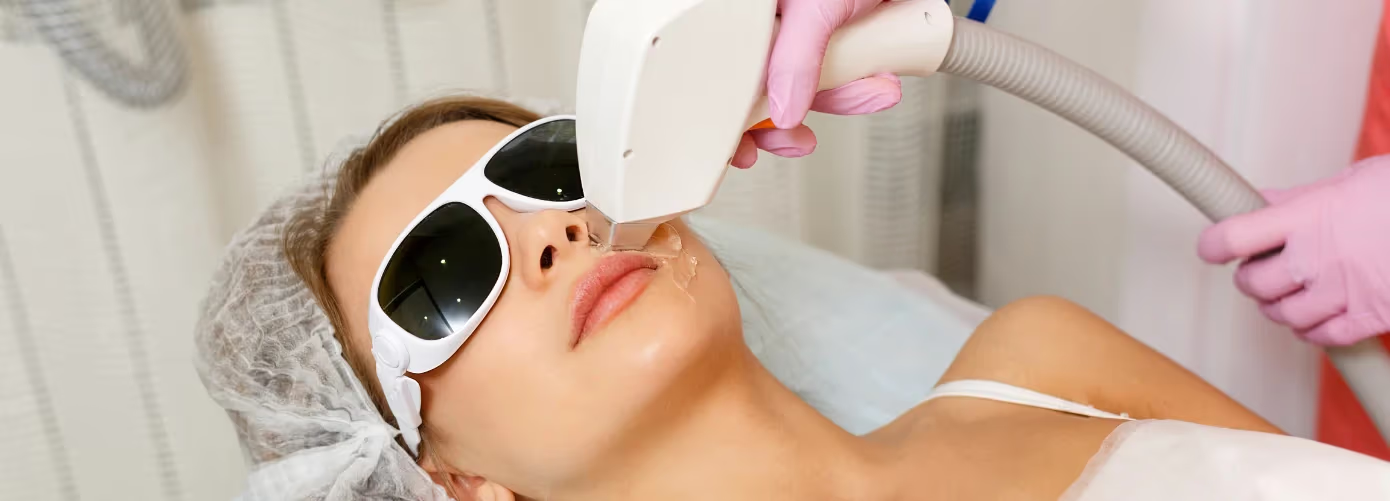
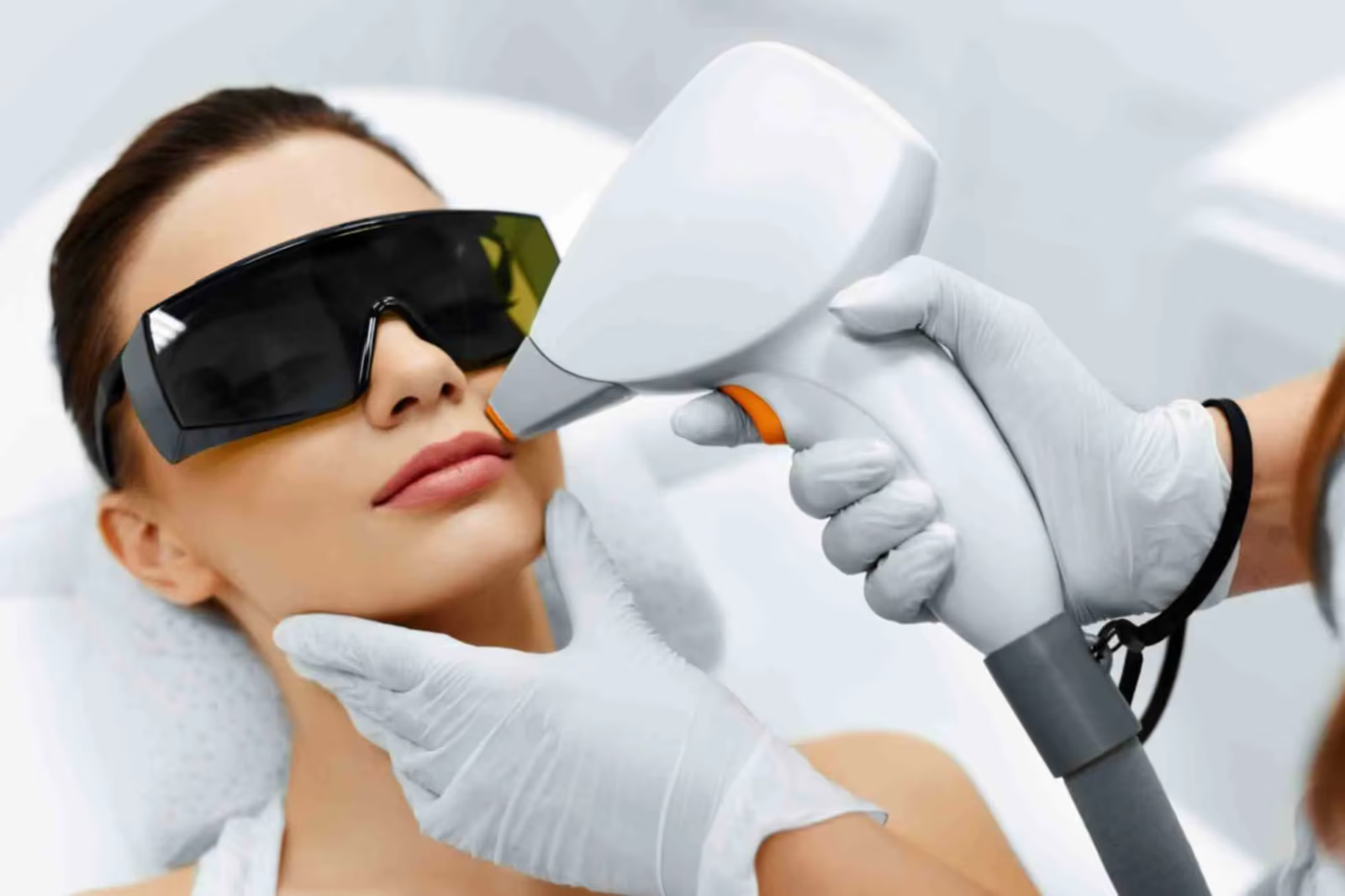
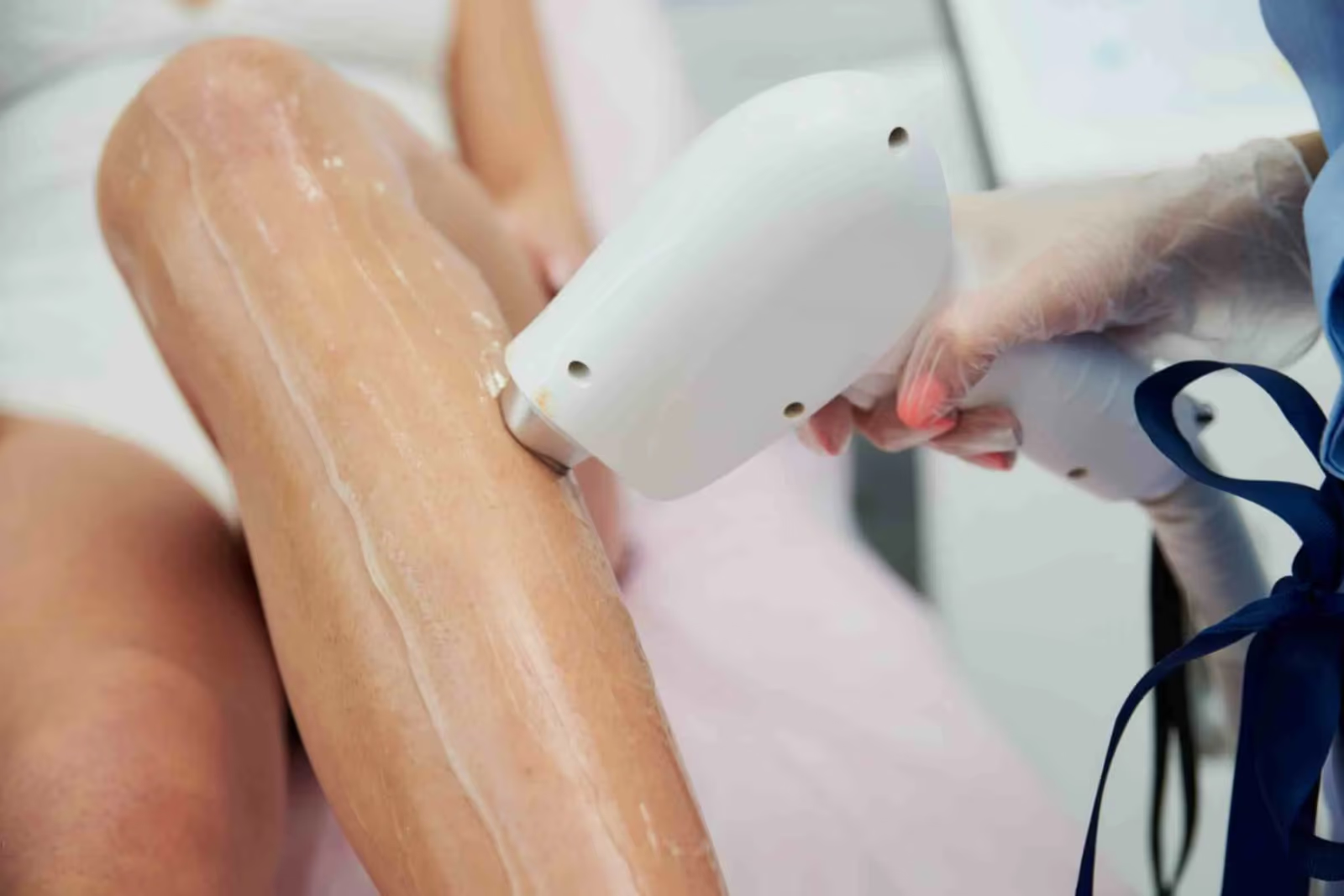
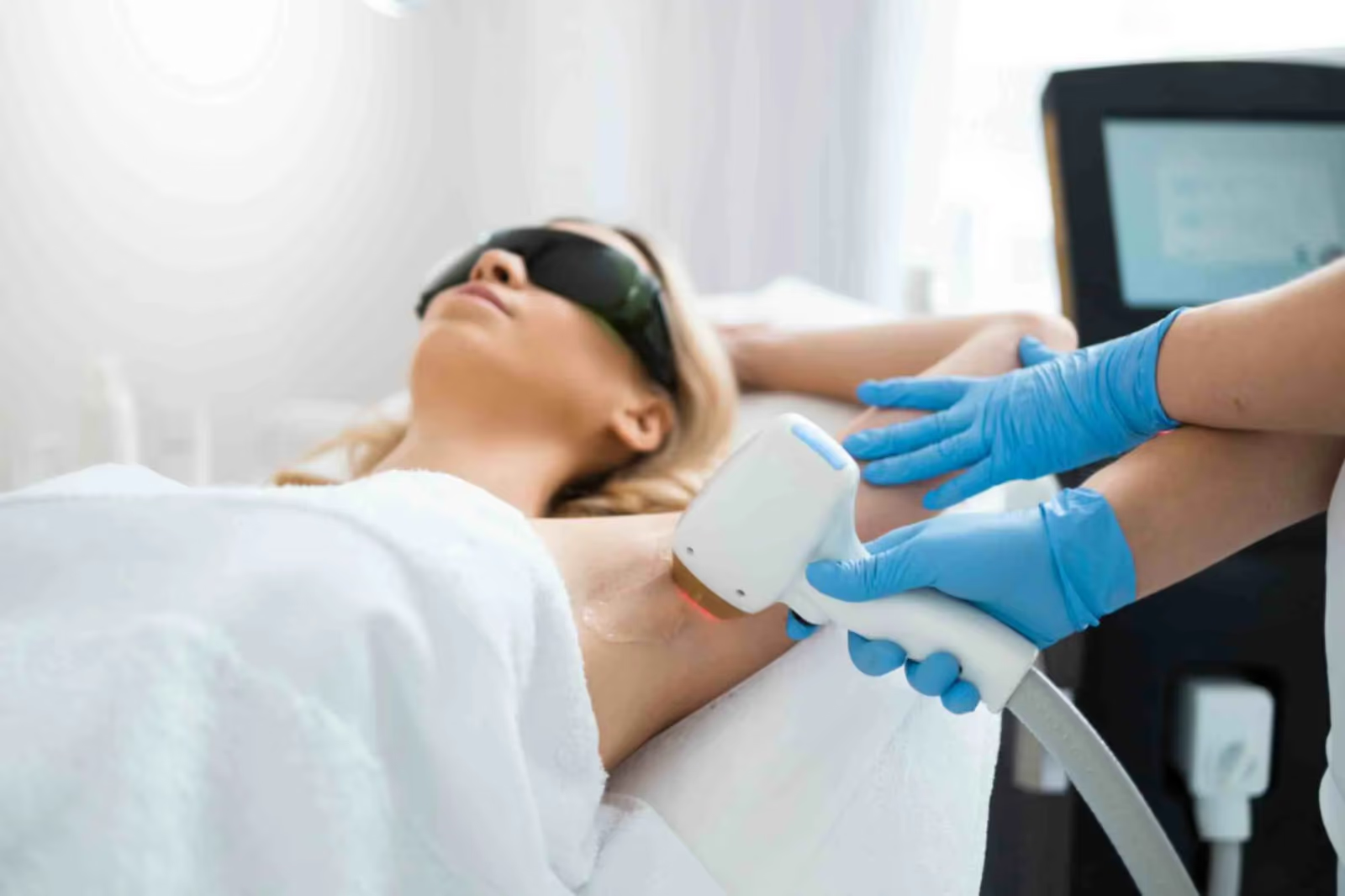
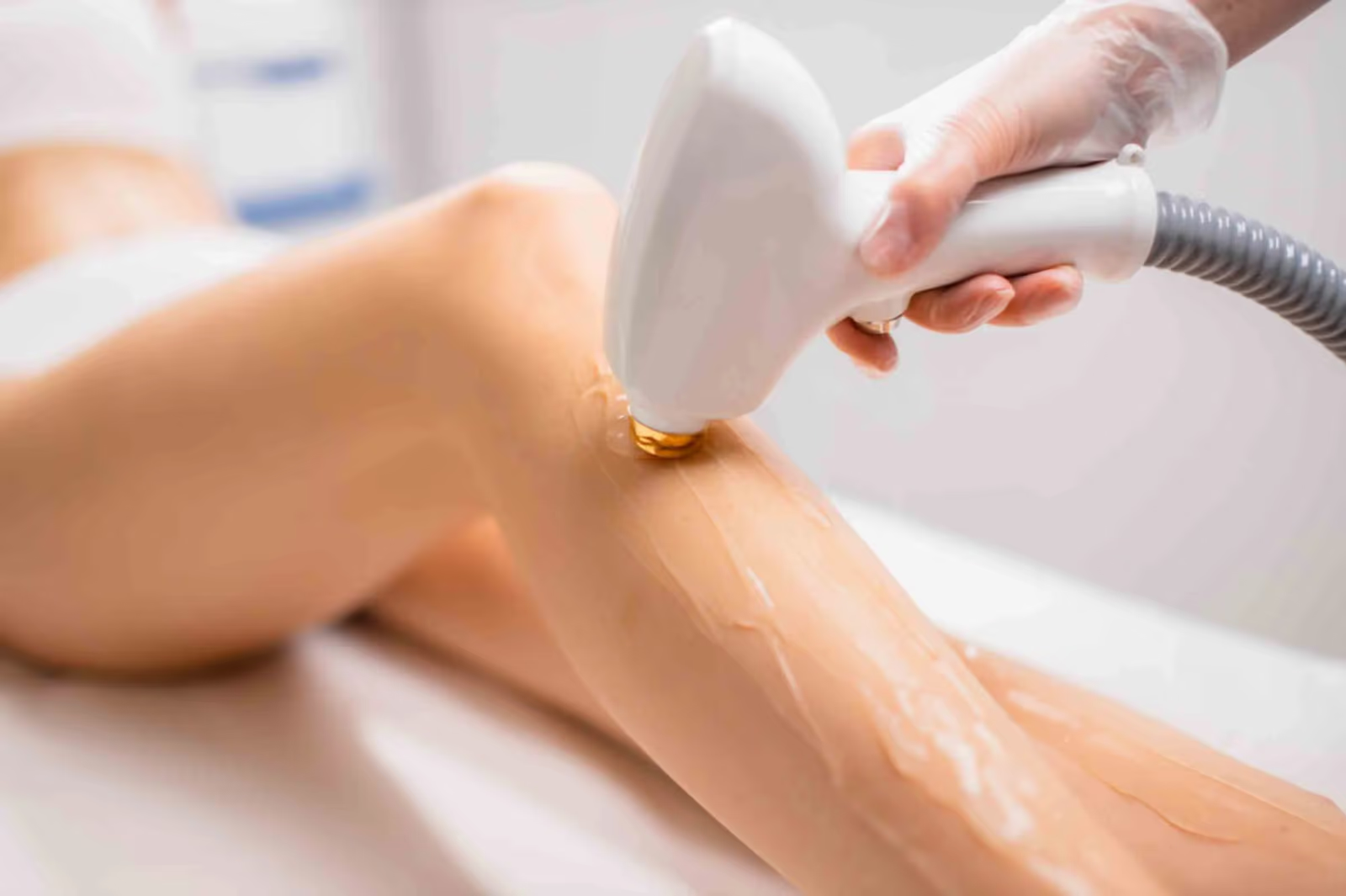
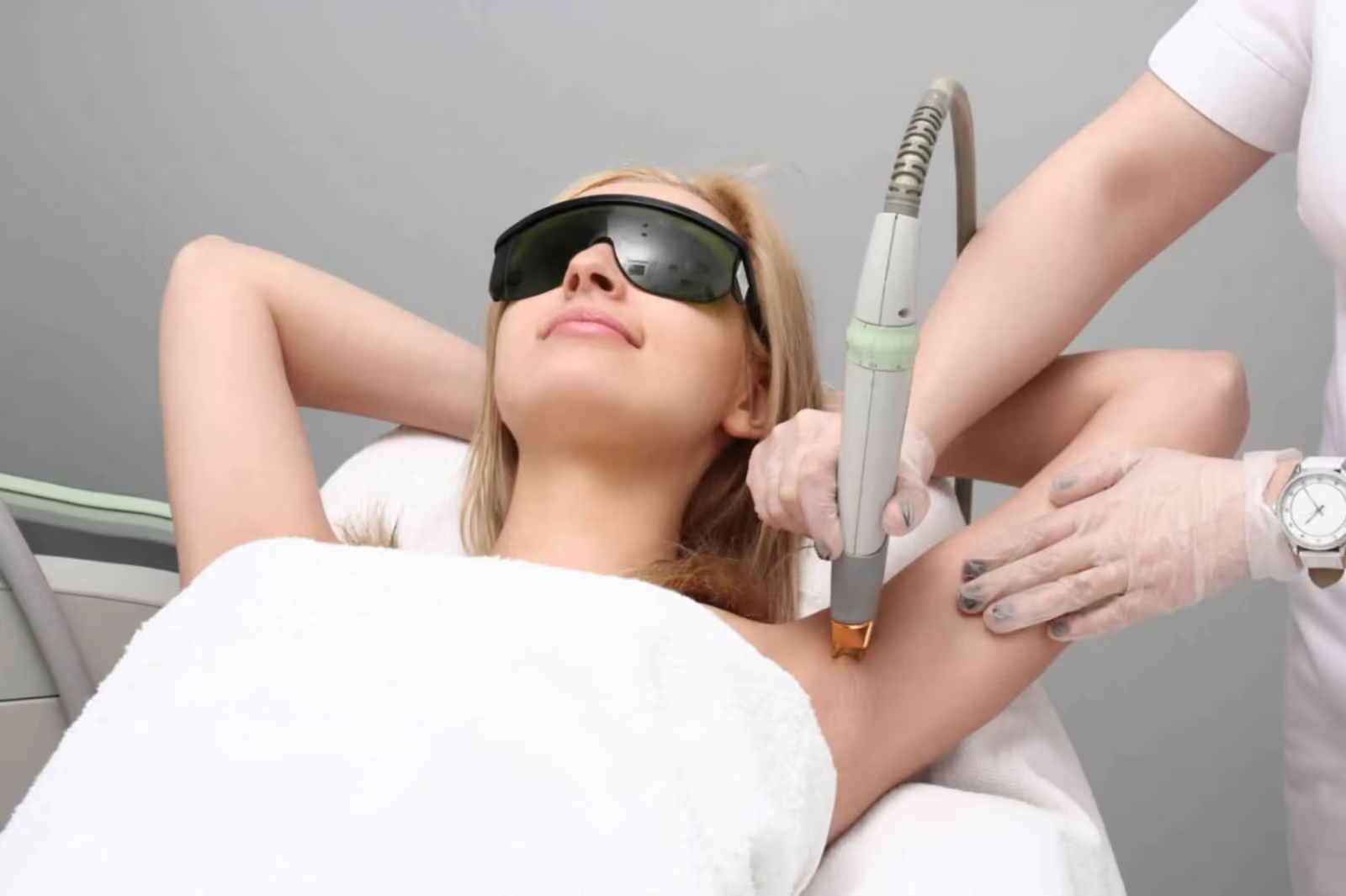
3. Laser Hair Reduction – Long-Term Investment
Laser hair reduction has become a game-changer for people dealing with dark underarms. Why? Because:
It eliminates the root of the hair.
It reduces friction and ingrown hair.
It lessens the need for constant shaving or waxing.
And once you stop damaging the skin again and again with razors or wax strips, the natural tone starts coming back.
For long-lasting results, you typically need 6–8 sessions spaced 4–6 weeks apart. Yes, it’s an investment, but for many, it’s worth every rupee if pigmentation is a long-term concern.
It’s easy to focus just on creams and treatments. But what you wear and what you eat play a surprisingly big role in your skin’s tone, including your underarms.
1. Clothing Choices That Make a Difference
Tight tops, synthetic bras, and nylon blouses may look good, but they can silently damage your underarm skin. Friction + sweat = pigmentation.
What helps:
Cotton innerwear: It’s breathable and gentle.
Loose-fitting sleeves: Reduce rubbing and heat.
Avoid dark colors in summer: They trap heat, making sweat glands work harder.
Just making this one switch in your wardrobe, from synthetic to cotton, can gradually change how your underarms feel and look.
2. Diet for Healthy Skin (Including Underarms)
Skin reflects what’s going on inside. If your body is inflamed or full of toxins, it will show up on your skin.
For healthy underarms, focus on:
Hydration: Aim for at least 2.5–3 litres of water daily.
Zinc and Vitamin C: Found in citrus fruits, pumpkin seeds, and amla.
Avoid excess sugar and dairy if you have PCOS.
You don’t need expensive supplements. A clean, desi diet, with seasonal fruits, sabzis, water, and ghee, will naturally help your body detox and repair.
3. Avoid Constant Touching or Scratching
Yes, even unconscious scratching can darken the area. If your skin feels itchy, switch to cotton, stay cool, and use calming gels.
The Power of a Simple Skincare Routine
You don’t need expensive products to start treating underarm pigmentation. What you need is consistency, patience, and gentle care.
Here’s a beginner-friendly underarm skincare routine that’s completely doable and super effective.
Morning Routine
Cleanse with a mild soap (non-fragrant, non-alcoholic)
Pat dry, never rub with a towel
Apply aloe vera gel or rosewater-based toner
Use a non-alcoholic, gentle deodorant (or go natural on some days)
Night Routine
Clean the area using a soft cloth and water
Apply a soothing gel (like cucumber, rose, or sandalwood)
Once a week, gently exfoliate using gram flour + turmeric + milk
That’s it. No 5-step regimes, no harsh actives, just tender love and care.
Top Dermatologist-Approved Treatments for Underarm Whitening
If home remedies don’t give results after a few months or your pigmentation is severe, professional treatments can help. Here are the most trusted ones.
1. Chemical Peels
Chemical peels like glycolic acid or lactic acid are applied to gently exfoliate the upper pigmented layer of skin. This treatment improves tone and texture with every session.
Sessions needed: 4–6
Cost: ₹2,000–₹5,000 per session. Here's a detailed chemical peel price guide.
2. Laser Skin Lightening
Laser targets melanin and breaks down dark pigment. It's painless, precise, and works well for deeper pigmentation.
This is a mechanical exfoliation technique that removes dead skin and reveals fresh, lighter skin underneath.
Sessions needed: 3–5
Cost: ₹1,500–₹3,000 per session
4. Prescription Creams
Dermatologists may prescribe creams containing kojic acid, arbutin, niacinamide, licorice extract, or hydroquinone (in limited usage).
These creams work slowly but show visible results over weeks.
How Long Does It Take to See Results?
This depends on what’s causing the pigmentation.
If it’s shaving or product-related, you’ll see changes within 4–6 weeks after changing your routine.
If it’s medical (like PCOS or diabetes), you’ll see improvement only after internal health is addressed, which can take 3–6 months or more.
With laser hair removal, Visible lightening usually starts around the 4th session.
Consistency is everything. No one-night miracles here. But steady care brings beautiful results.
When to See a Dermatologist
See a doctor if:
Darkness appears suddenly and spreads.
You have a velvety texture.
It’s painful, itchy, or smells different.
Home remedies haven’t worked after 3–4 months.
It’s Not Just About Fairness, It’s About Comfort
Let’s end with what really matters.
This isn’t about trying to become fairer or flawless. It’s about feeling comfortable in your own skin, wearing what you love, and not having to second-guess simple things like raising your hands in public.
You don’t have to bleach, scrub harshly, or hide. You just need to understand your skin, treat it with respect, and give it time to heal.
So go ahead, embrace your journey. Whether it takes one month or six, your skin will thank you for it.