



About
What is Tan Removal?
Tan removal refers to various methods and treatments aimed at lightening or eliminating the tan from the skin caused by prolonged sun exposure or tanning beds. These treatments target the excess melanin produced in the skin, which results in a darker appearance. Options for tan removal vary from home remedies to advanced professional treatments, with many people opting for effective methods that deliver quick results. Tanning occurs when your skin is exposed to ultraviolet rays (UV) from the sun or tanning devices. Several factors influence how long it takes to achieve a tan, including your skin tone, sensitivity to the sun, the strength of the sun’s rays, and altitude. Repeated exposure to UV rays can cause irreversible changes to your skin’s texture and appearance, including thickening, uneven pigmentation, and the development of visible blood vessels. This prolonged sun exposure can also lead ageing signs such as wrinkles, dark spots, and loss of skin elasticity, making your skin look older than it is. Therefore, It is important to treat tanning and limit sun exposure as much as possible.
Root Cause
Sun Exposure
The primary cause of tanning is exposure to UV rays from the sun, which stimulates melanin production in the skin as a natural defense mechanism.
Tanning Beds
Artificial tanning methods can also lead to significant skin darkening and long-term damage.
Genetics
Some individuals may be more predisposed to tanning due to their genetic skin type.
Hormonal Changes
Hormonal fluctuations can sometimes increase skin sensitivity to UV rays, leading to more pronounced tanning.
Skin tone
People with fair skin often burn more easily, while those with darker skin tend to tan without burning as quickly.
Sun sensitivity
The more sensitive your skin is, the less time you need in the sun to notice changes in colour.
Sun strength
The intensity of the sun varies depending on location and time of day. Midday sun is typically the strongest.
Altitude
The higher the altitude, the more intense the sun’s rays.
The Science Behind the Cause
Tan removal works by addressing the skin's response to UV exposure. When exposed to sunlight, the skin produces melanin, leading to tanning as a protective mechanism. Overexposure can cause uneven melanin distribution, resulting in hyperpigmentation.
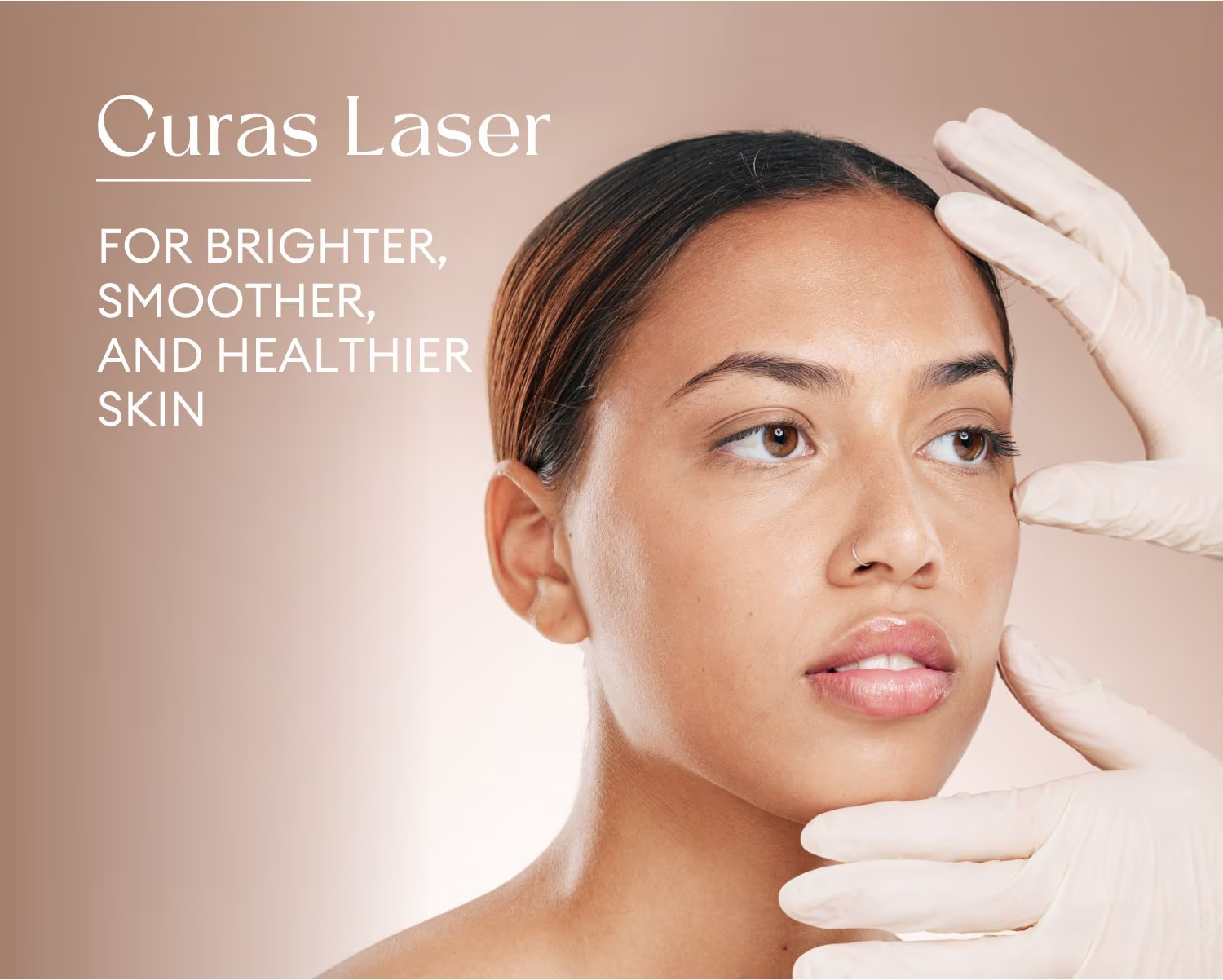
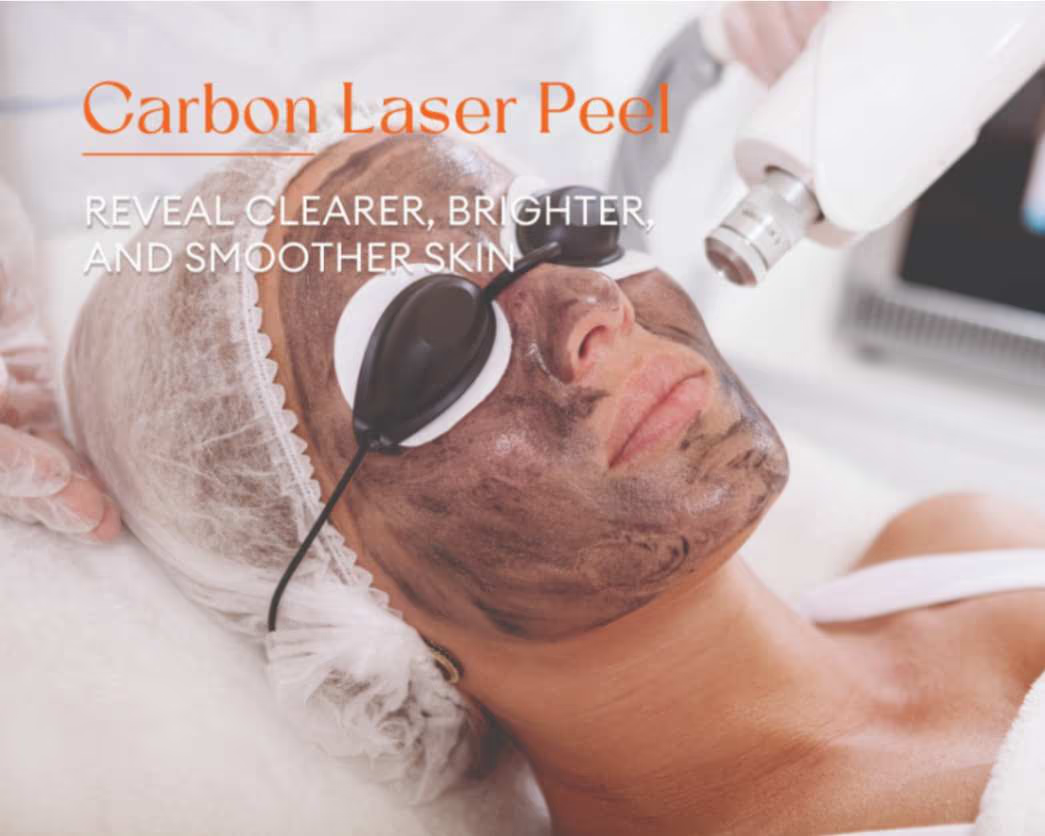
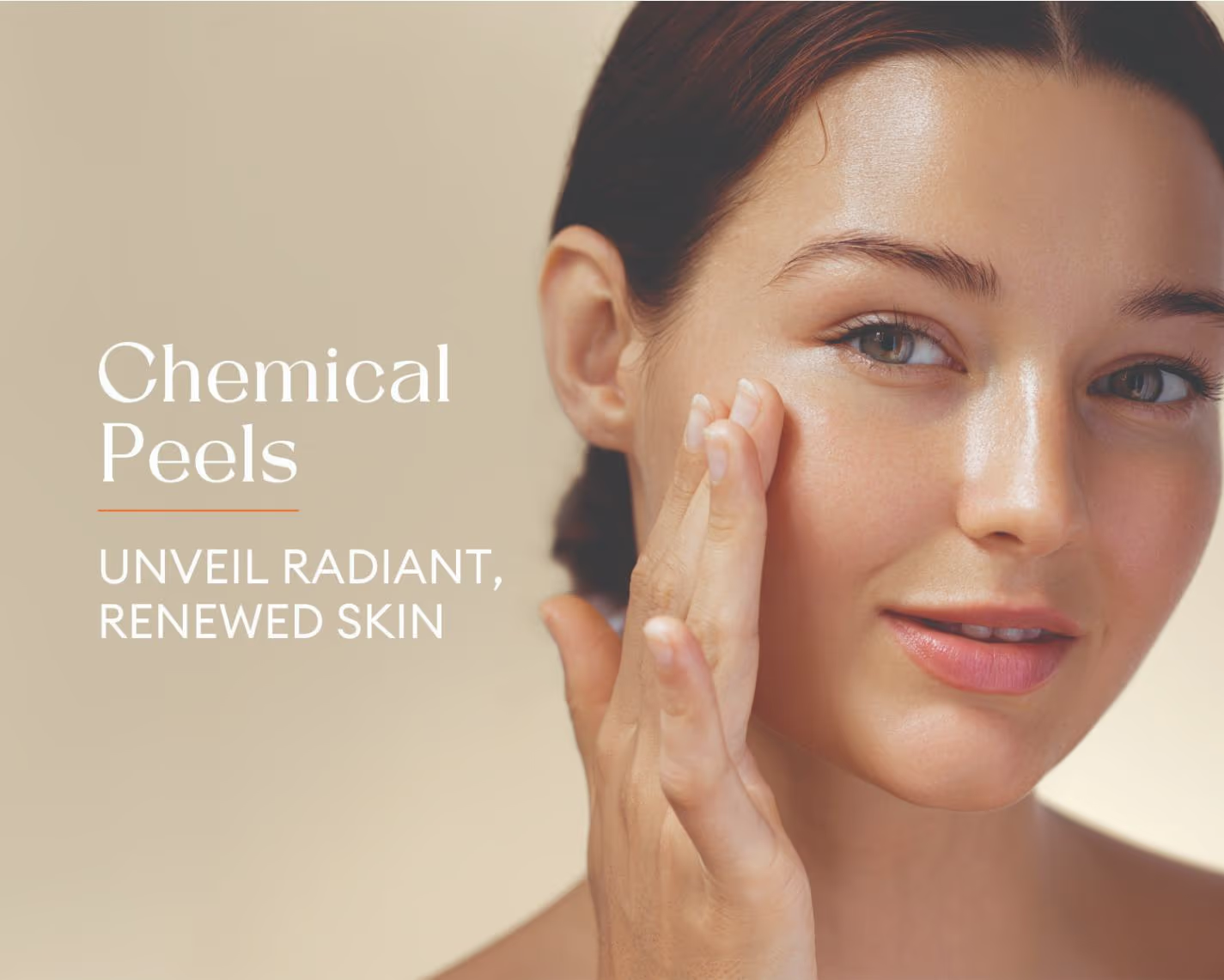
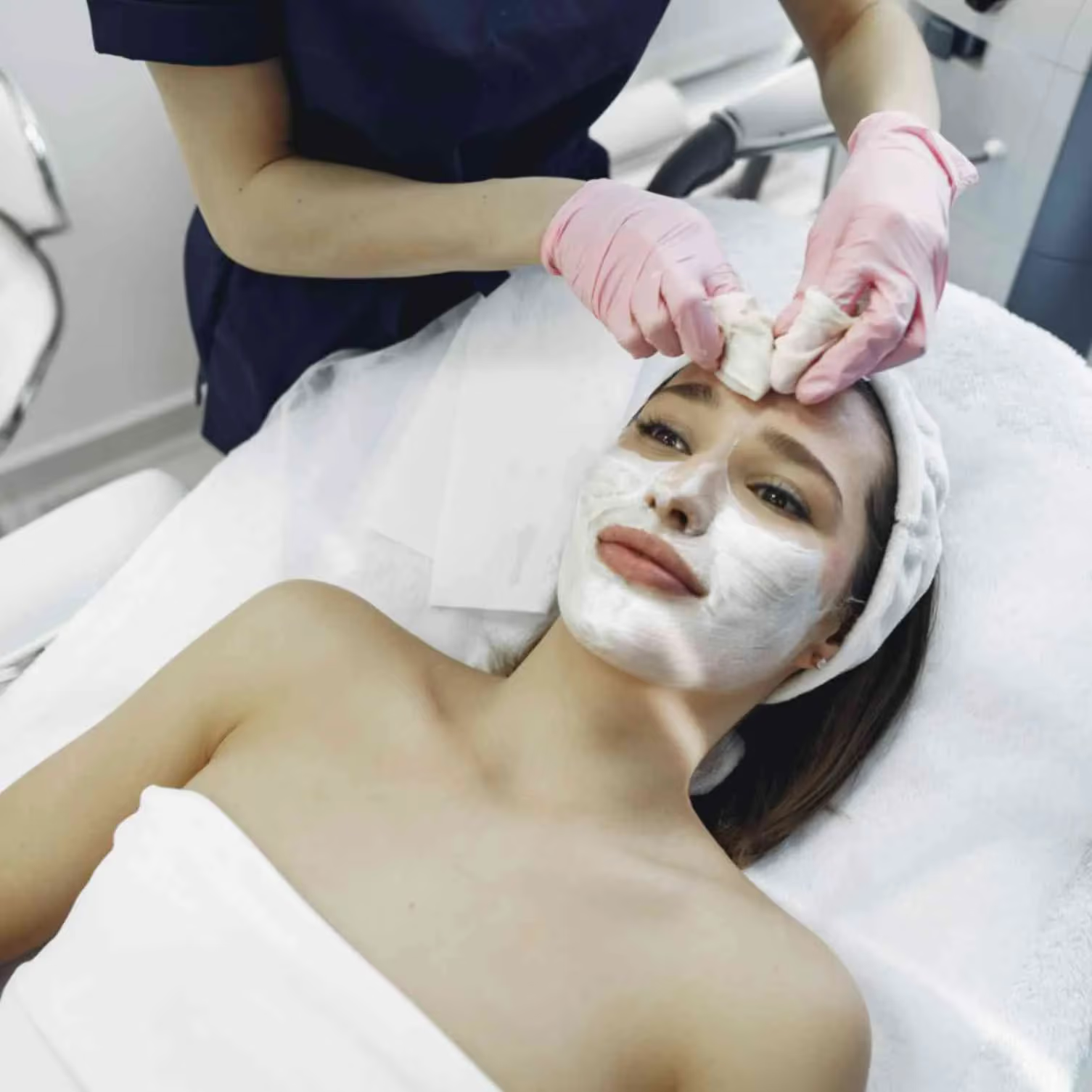
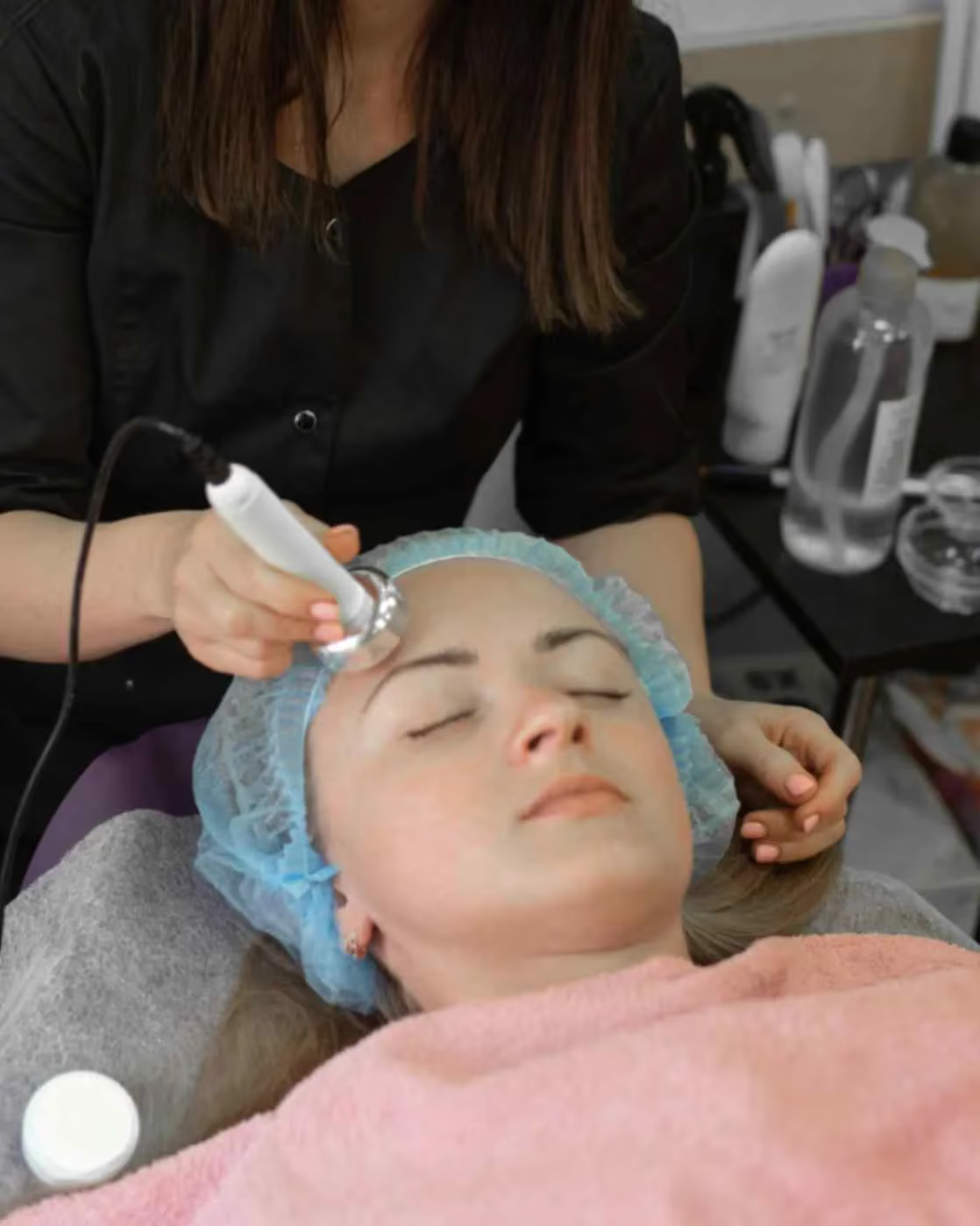
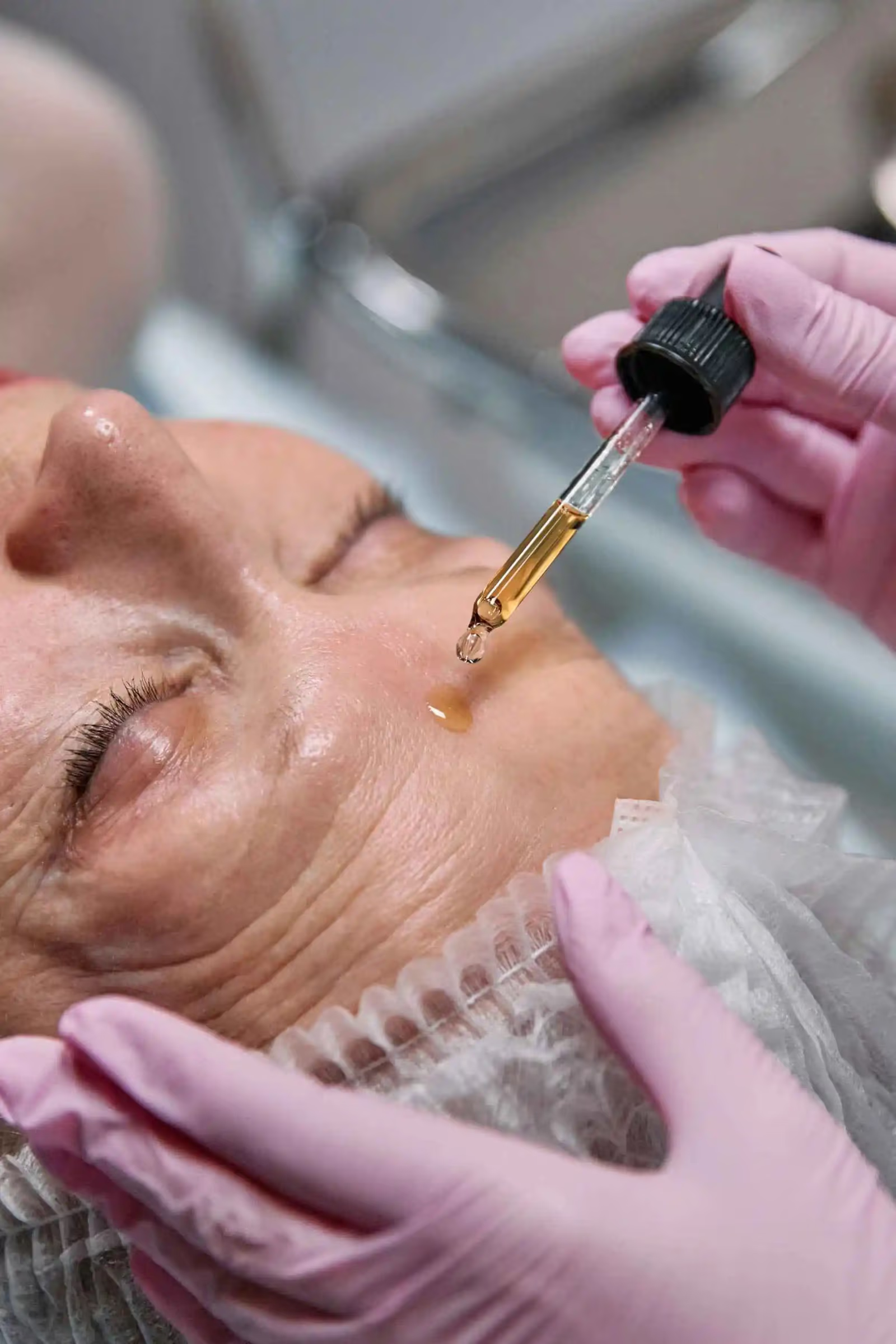
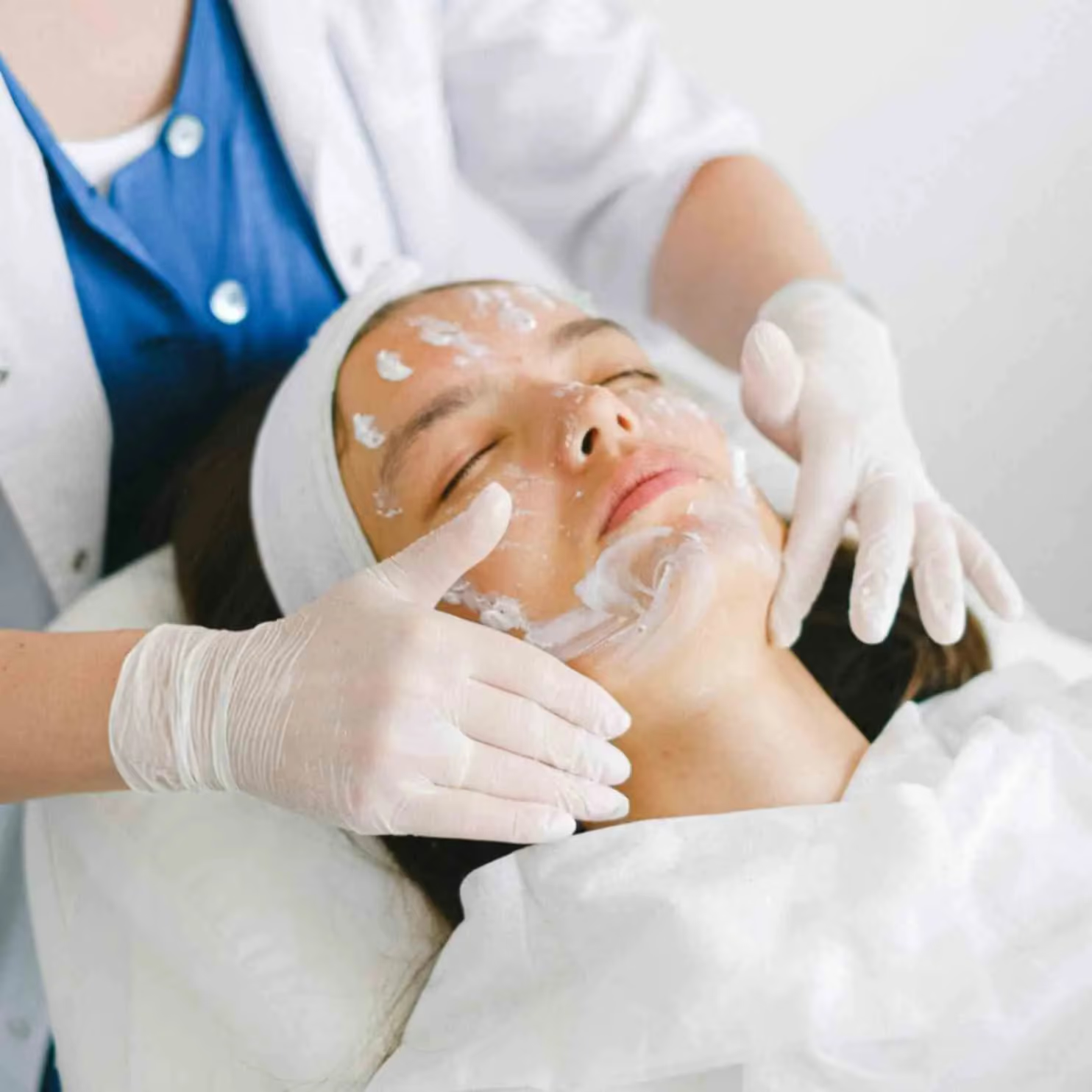
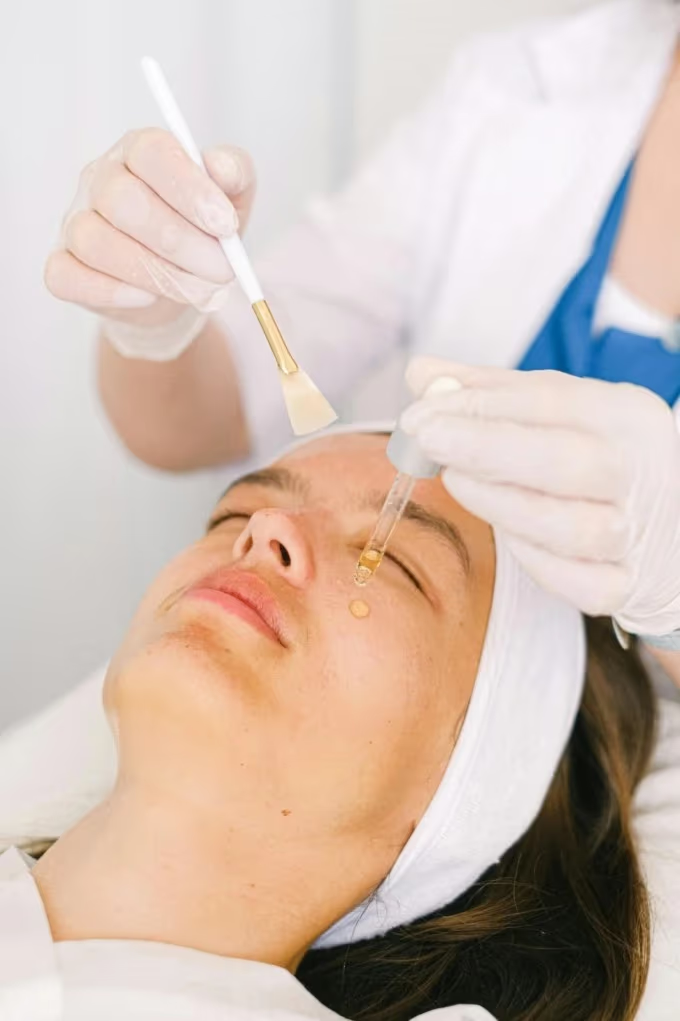
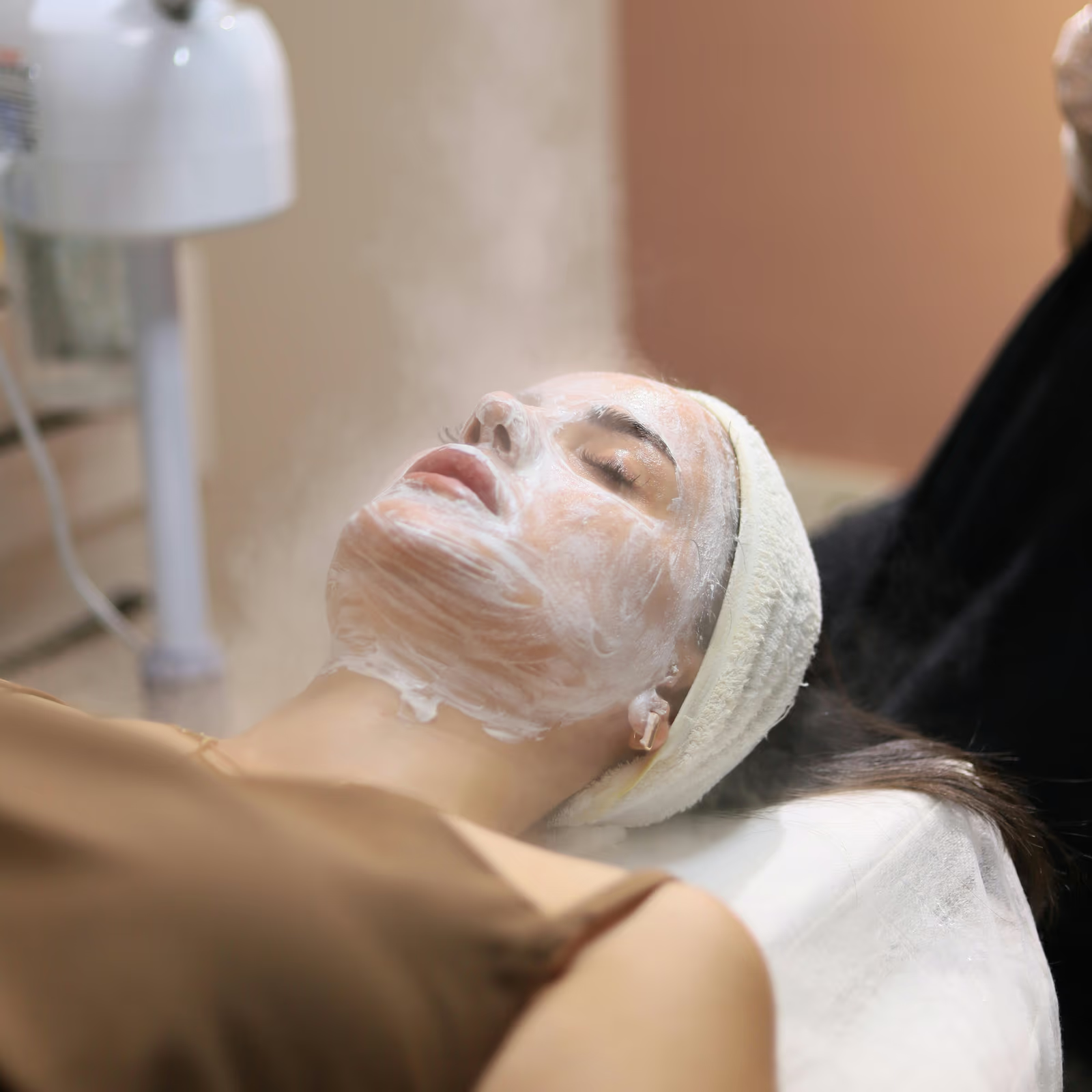
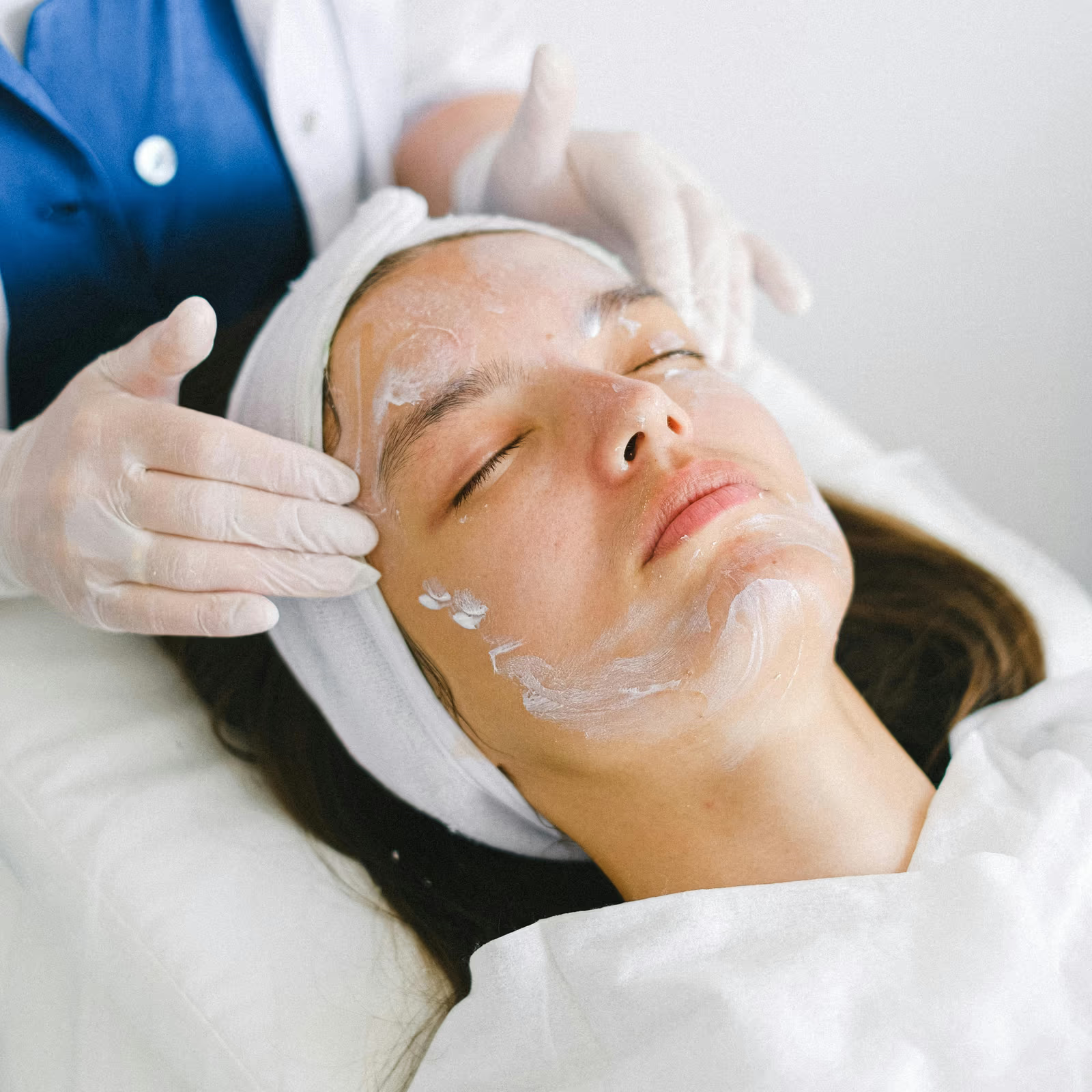
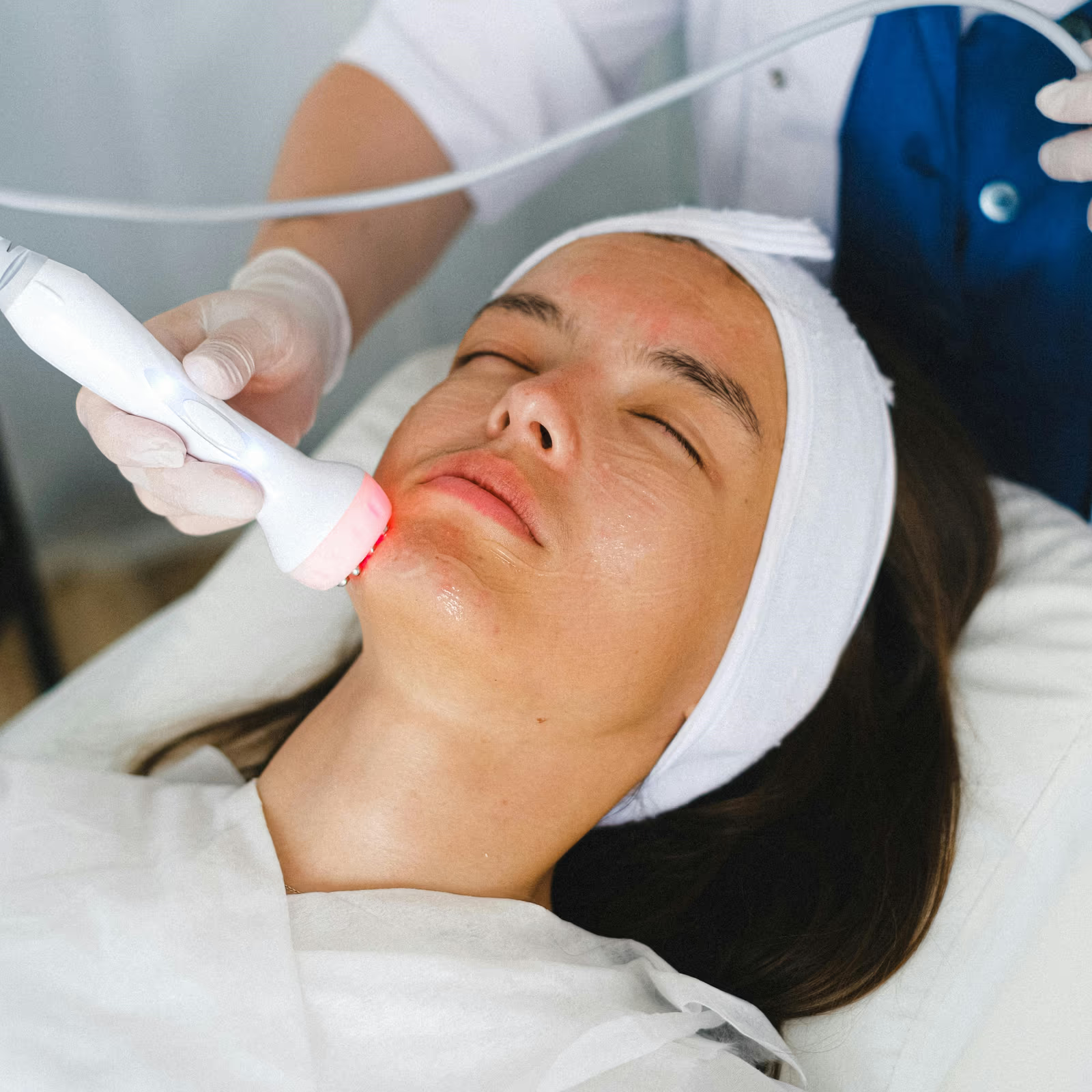
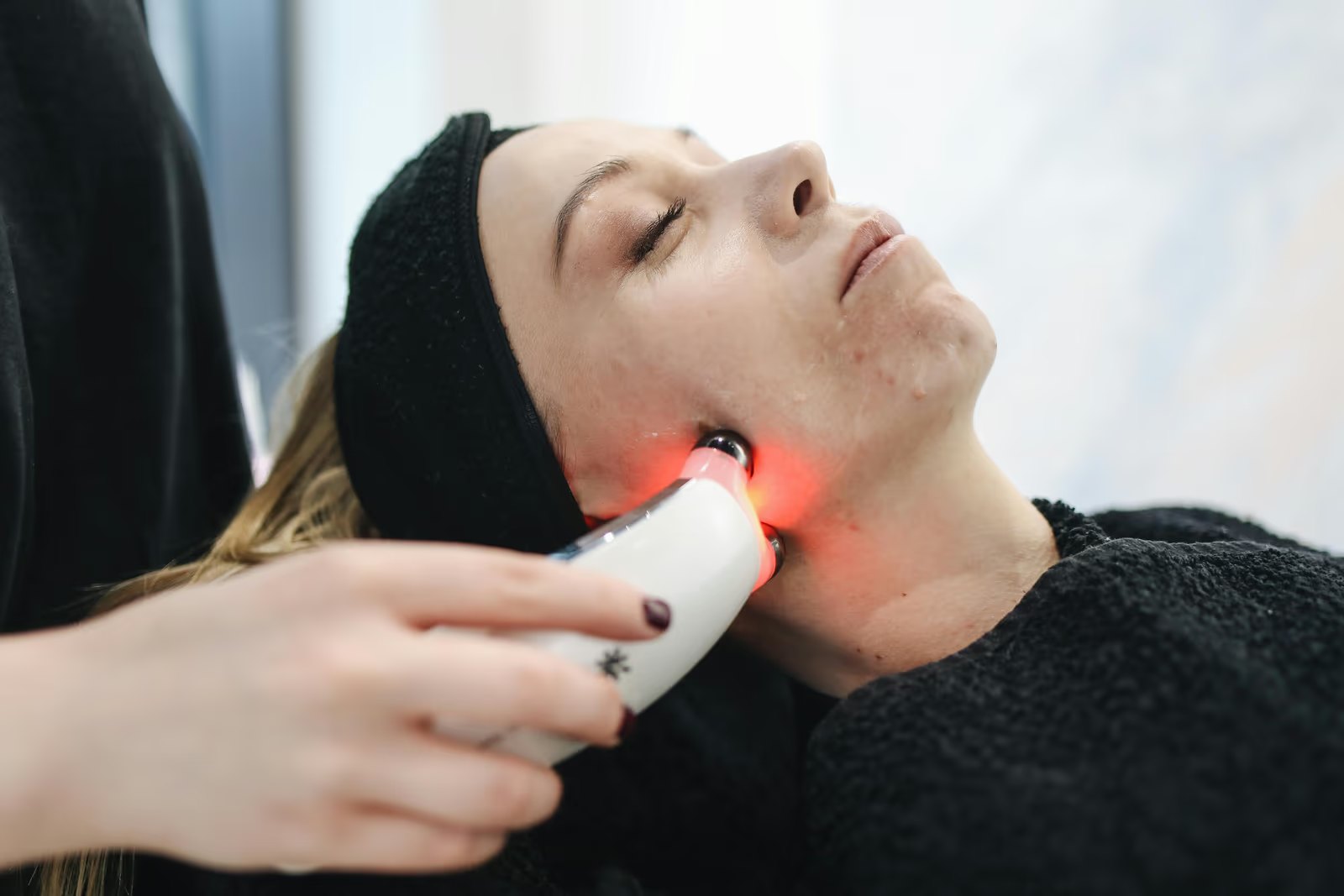
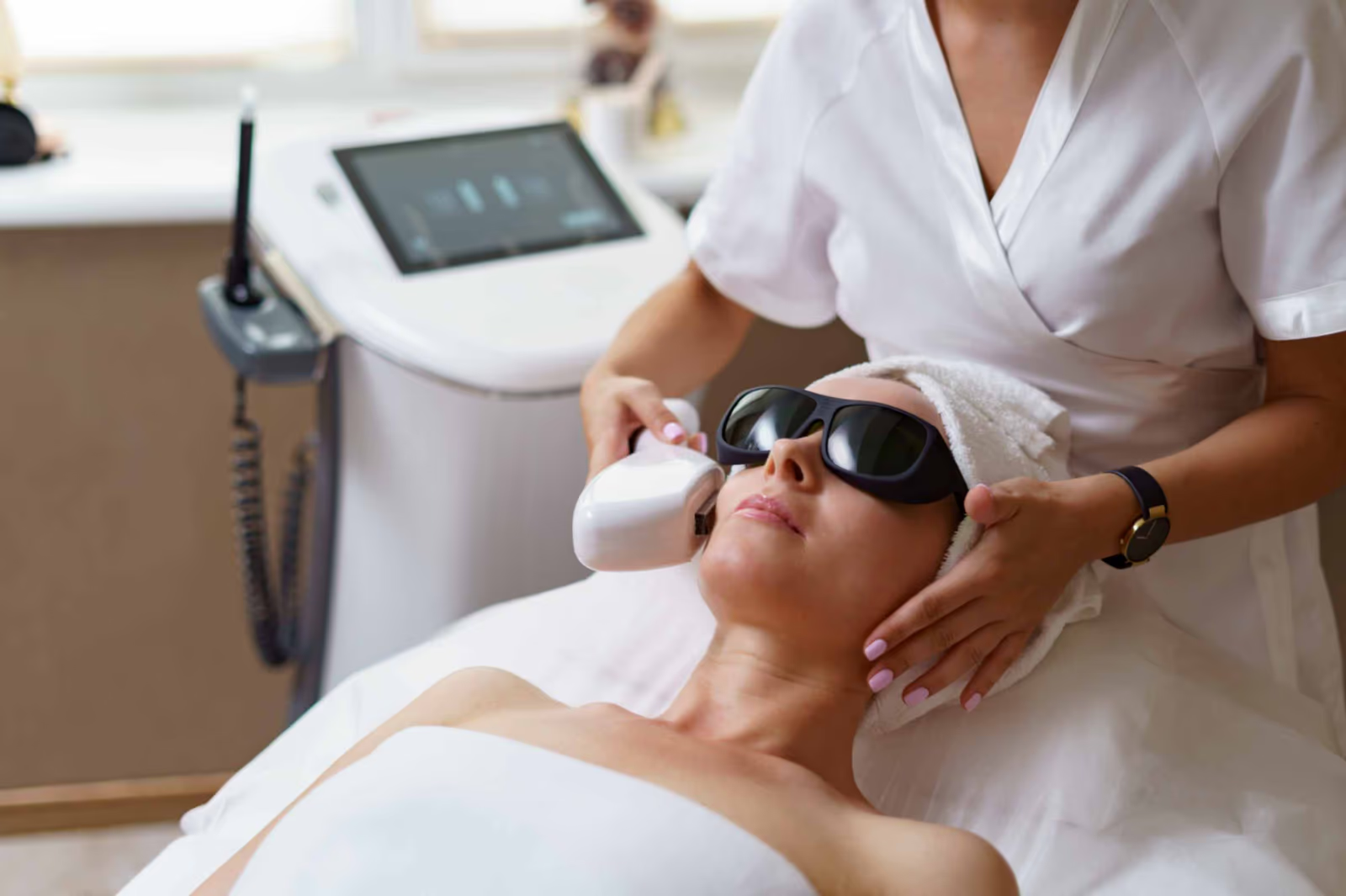
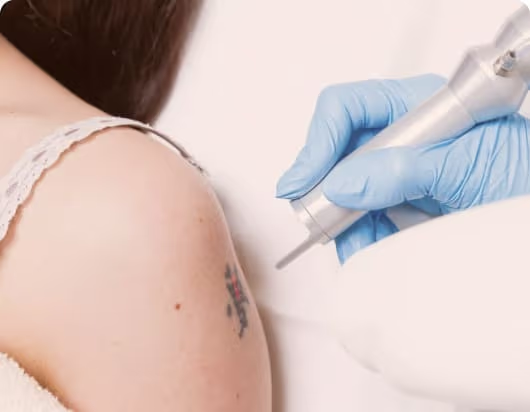
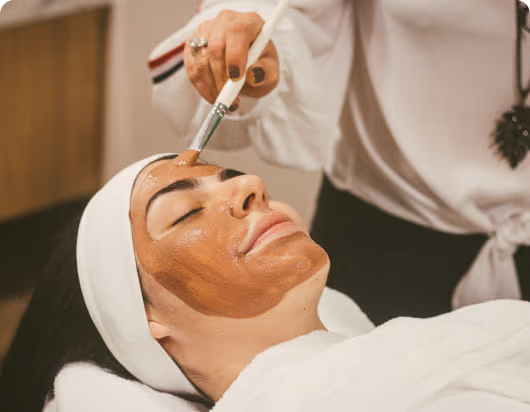
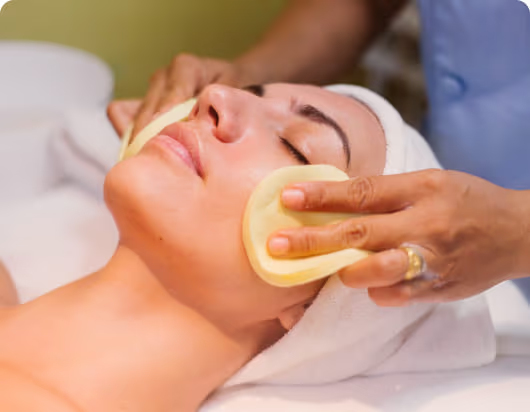
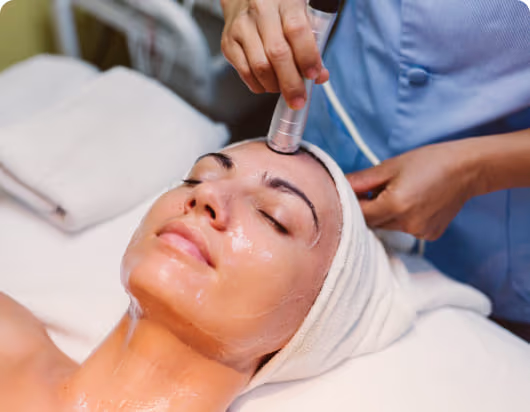
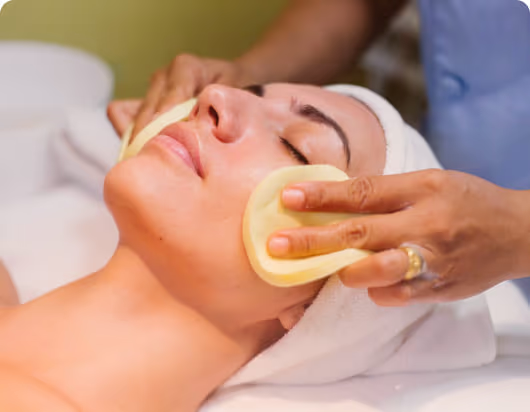
Effective treatments target excess melanin and promote skin renewal. Laser tan removal uses focused light to break down melanin deposits, lightening the skin while stimulating collagen production for improved texture. Chemical peels apply exfoliating agents to remove the top layers of skin, revealing a brighter complexion underneath.
These scientifically-backed approaches ensure effective restoration of the skin's natural tone and radiance.
Symptoms & Indicators
The symptoms and indicators of tanning can vary, but common signs include:
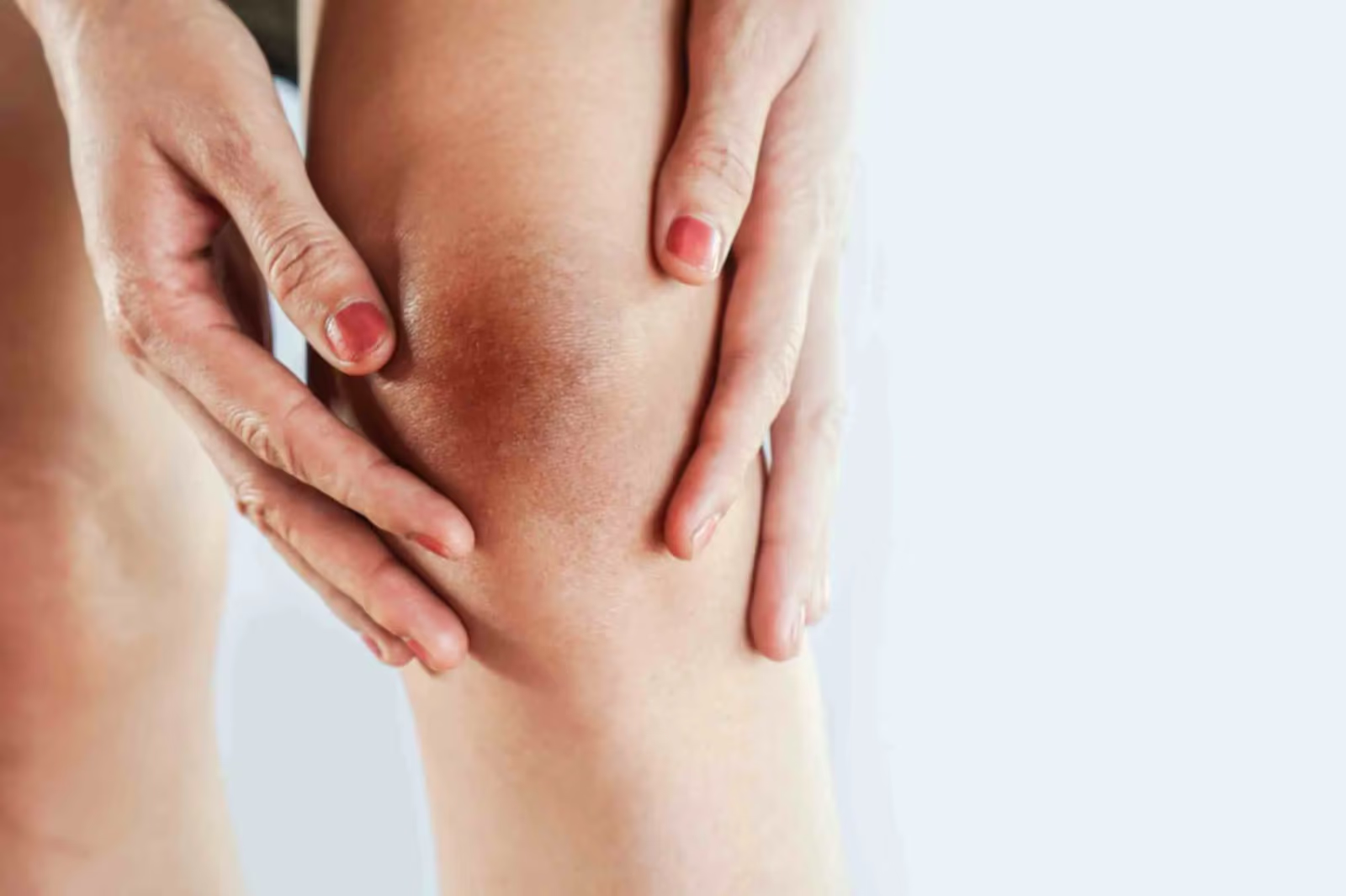
- The most noticeable symptom is the presence of darker patches on the skin, especially in areas exposed to sunlight, such as the face, arms, and legs.
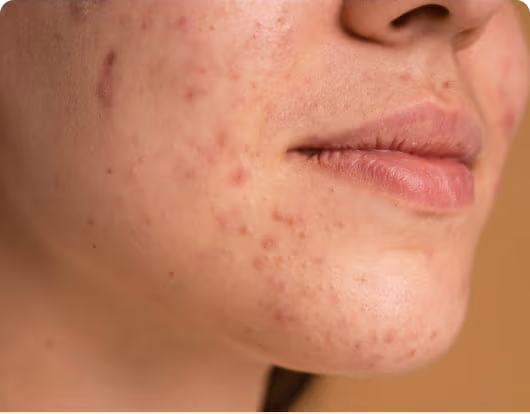
- Tanned skin often appears uneven, with some areas darker than others, leading to a lack of uniformity in complexion.
- Some individuals may experience increased sensitivity or irritation in tanned areas, which can be exacerbated by sun exposure or harsh products.
Prevention & Management
Prevention
Preventing tanning is crucial for maintaining an even skin tone:
- Apply a broad-spectrum sunscreen with at least SPF 30 before sun exposure.
- Stay indoors or seek shade during peak sun hours (10 a.m. to 4 p.m.).
- Long sleeves, hats, and sunglasses can help shield your skin from harmful UV rays.
Management
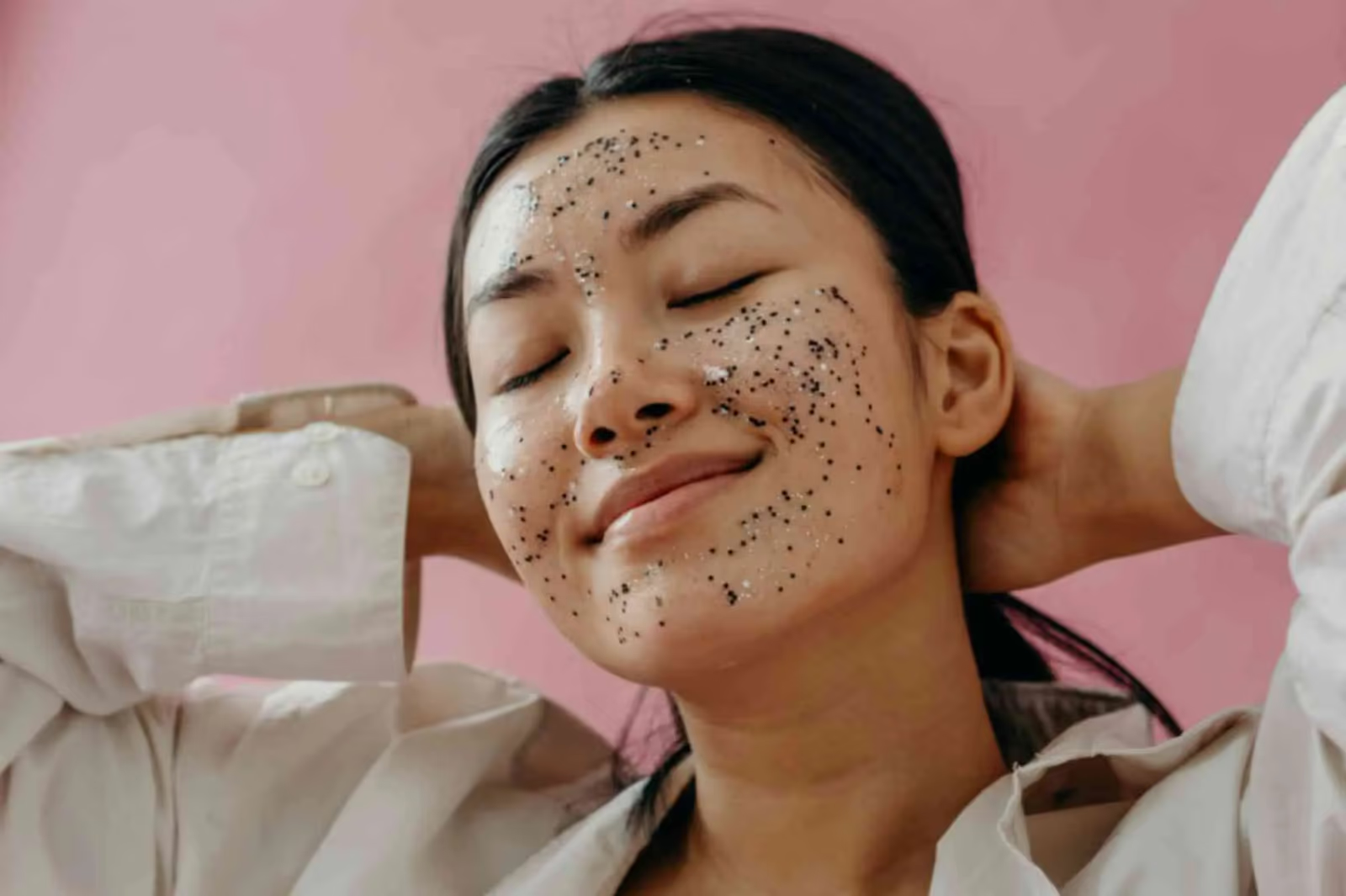
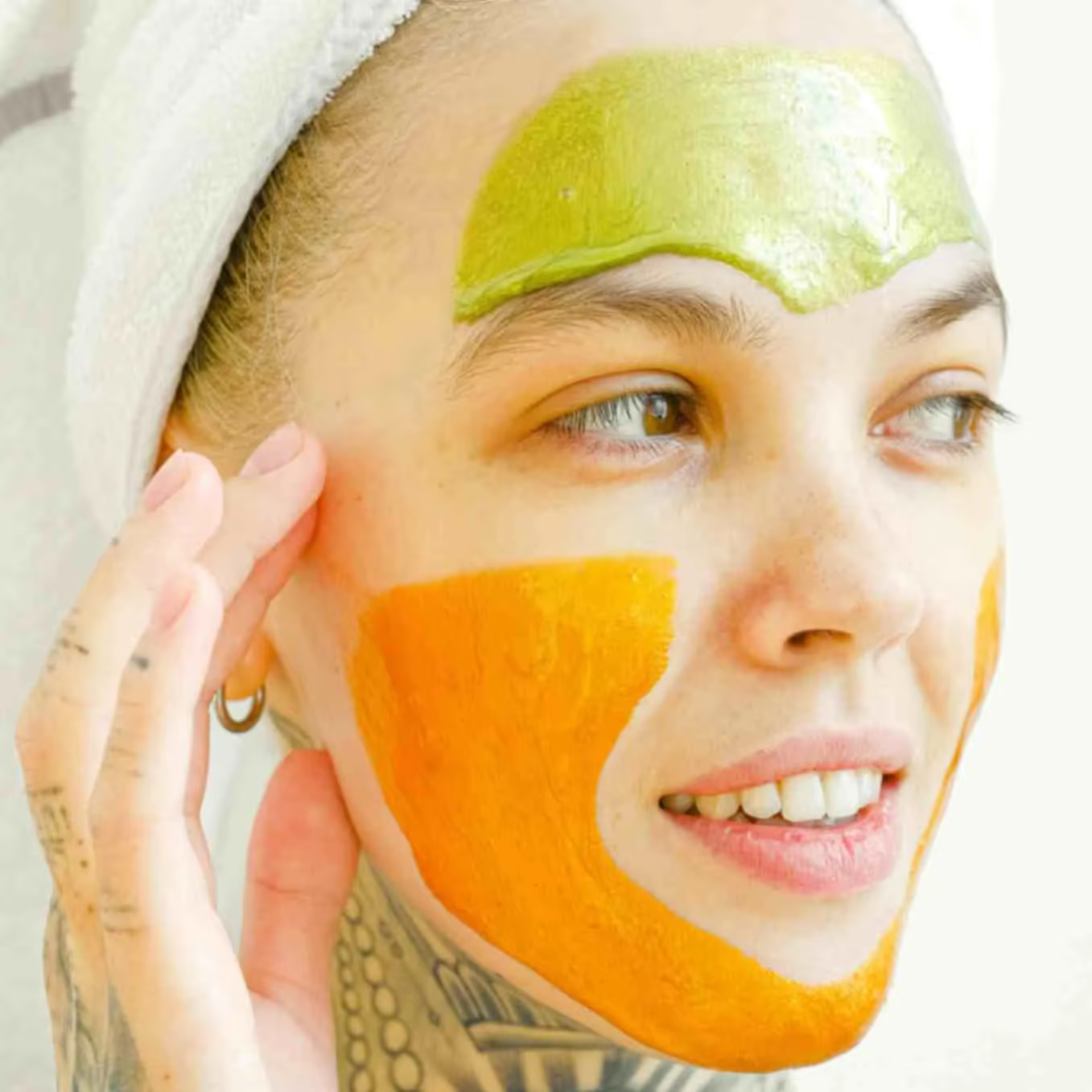
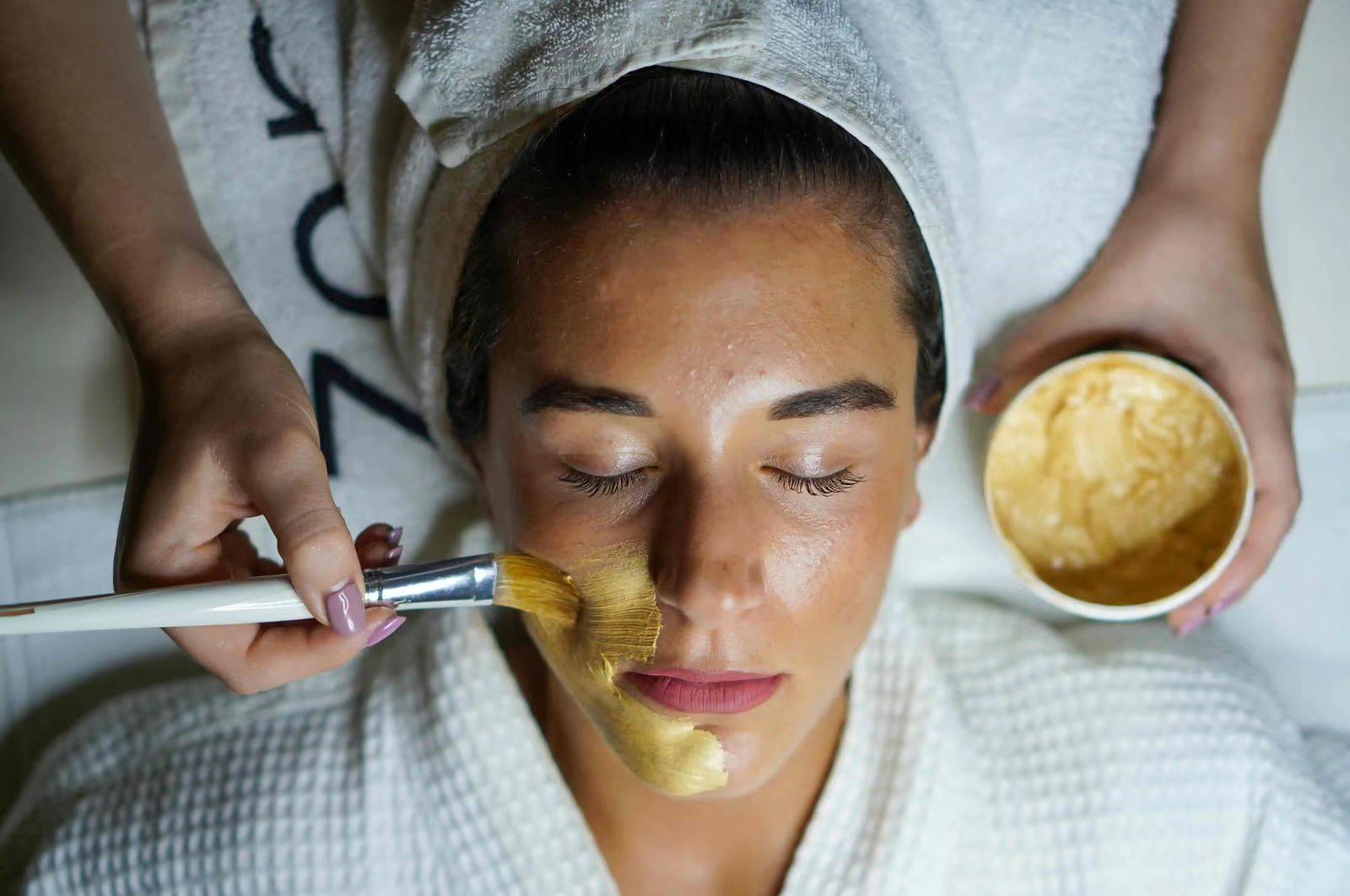
- Incorporate scrubs into your skincare routine to help remove dead skin and promote a brighter complexion.
- Keep your skin moisturized to maintain its elasticity and overall health.
- Schedule regular appointments for tan removal treatments, such as chemical peels or laser therapies, to address stubborn pigmentation and maintain an even skin tone.
Research indicates that chemical peels using alpha hydroxy acids (AHAs) or trichloroacetic acid (TCA) can improve skin tone and texture by accelerating cell turnover and promoting the shedding of pigmented skin cells.
UV rays are classified into two types: UVA and UVB. Both penetrate the skin’s layers and trigger a response in your skin cells, leading to a darker complexion.
UVA rays are primarily responsible for giving you a tan. These rays penetrate the lower layers of the skin, prompting the production of melanin, the pigment responsible for skin colour.
UVB rays mainly cause sunburn. They affect the upper layers of the skin and can be more damaging than UVA rays.
Both UVA and UVB rays can lead to different forms of skin cancer, including melanoma, which can be life-threatening.
Here are a few tips to prevent tanning:
Use broad-spectrum sunscreen
Broad-spectrum sunscreens protect against both UVA and UVB rays. Choose a sunscreen with at least SPF 30 to ensure proper coverage.
Apply sunscreen daily
Even on cloudy days, UV rays can penetrate and cause skin damage. Make sunscreen application a daily habit, especially if you plan to spend time outdoors.
Reapply after swimming or sweating
Water and sweat can wash away sunscreen, leaving your skin vulnerable. Always reapply after swimming or engaging in activities that cause perspiration.
Avoid peak sun hours
The sun’s rays are strongest between 10 a.m. and 4 p.m. Limit your time outside during these hours to minimise UV exposure.
Consider sunless tanning products
If you’re looking for a tan without the risks of UV exposure, consider self-tanning lotions, sprays, or gradual tanning moisturisers that provide a bronzed glow without the harmful side effects.