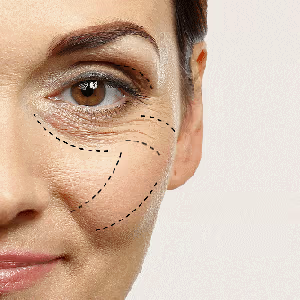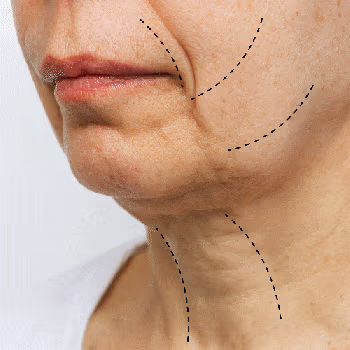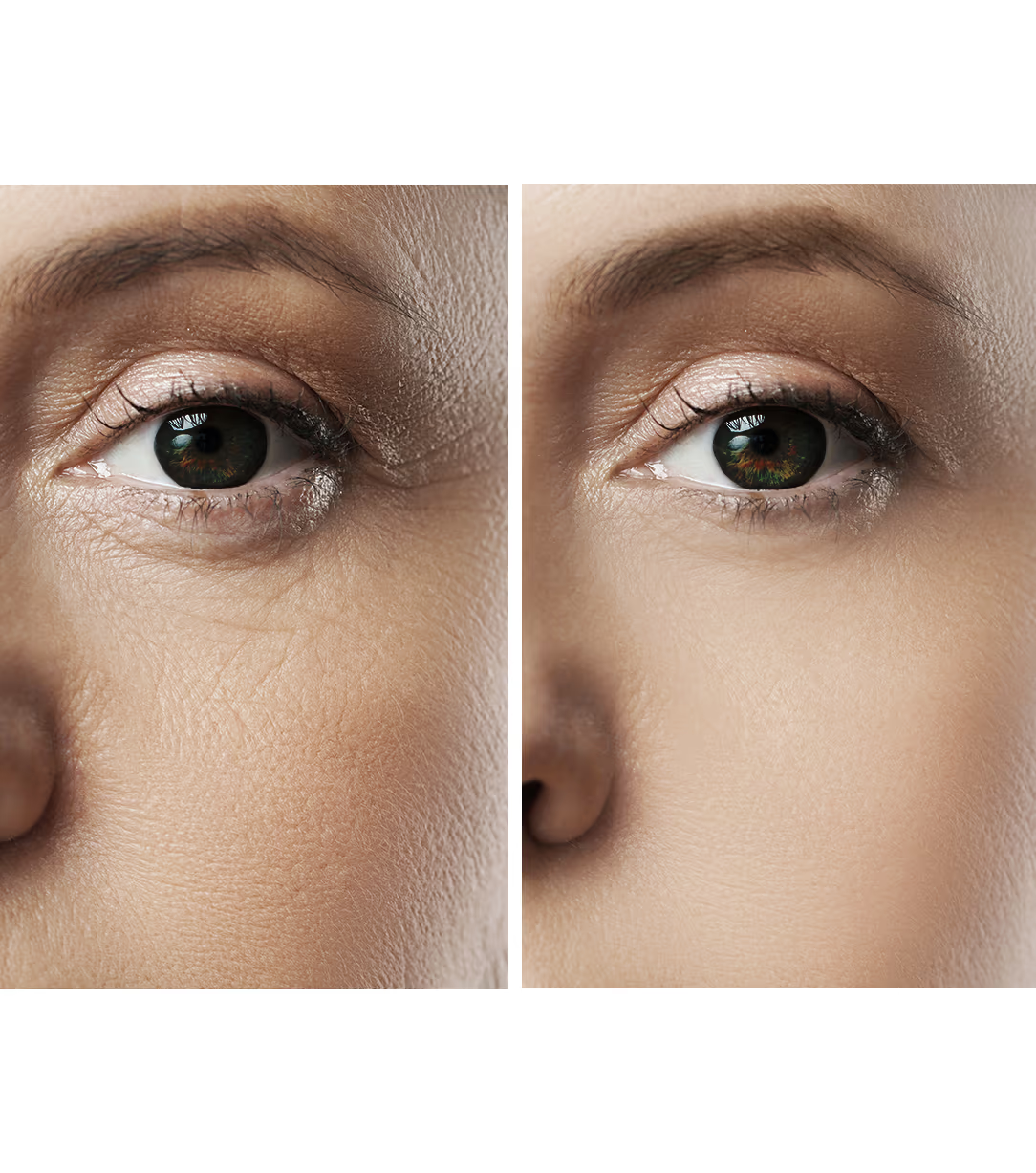
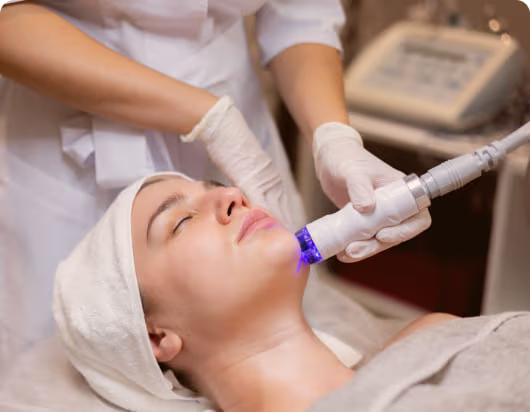





While getting ready in the morning or catching your reflection after a long day, you may have noticed your jawline doesn’t look as sharp as it used to. There’s a bit of looseness around your cheeks or neck that wasn’t there before. You’ve been regular with your skincare, you’re careful in the sun, you try to eat right, but with long work hours, stress, pollution, and the Indian climate, your skin still seems to be ageing faster than you’d like.
What makes it harder is that you’re not asking for a dramatic change. You don’t want surgery, injections, or anything that makes you look “done.” You just want your face to feel a little firmer, more defined, and refreshed like you on a really good day. And with your busy routine, long recovery time or very obvious procedures simply aren’t an option. That’s why so many people in India today are exploring non-surgical skin tightening treatment. They’re looking for solutions that fit into their daily lifestyle, don’t disrupt their routine, and help with early jowls, fine lines, and neck laxity without making the face look artificial. This is where HIFU treatment comes in. It helps your skin produce more collagen and helps you achieve that firm and defined look without any surgical options.
What Exactly Is HIFU?
HIFU is a non-invasive treatment that involves focused sound waves to target deep tissue within the body without the need for surgery. The sound waves heat a precise spot, which destroys abnormal cells and encourages the body's natural healing. HIFU works best for treating tumours, uterine fibroids, and movement problems. It is commonly used for skin tightening and facial lifting by stimulating collagen production, which helps the skin appear firmer and more youthful. HIFU helps in wrinkle reduction, fine lines, and improves the texture of your skin without needling or cuts. However, HIFU is not for everyone, especially people who need a facelift, who have acne and infections, or who are usually younger than 30. It works best for those who are older than 30 years and are noticing early jowls, loose cheeks, or brow droop.
It stimulates collagen in areas such as the dermis and the SMAS layer. However, surface-level treatments such as chemical peels act only on the epidermis by exfoliating without penetrating deeper into the skin. In comparison to the surface method, which only provides minimal structure lift, HIFU gradually lifts and promotes tightening over 3 to 6 months. Many people believe HIFU feels just like surgery, but it's not true, as you will only feel mild warmth or tingling, and the best part is you don't even need anaesthesia. It is a safe procedure that ensures your skin remains healthy during the treatment, and the best part is that it doesn't leave behind burns or scars.
How Does HIFU Work Scientifically On Your Skin
HIFU (High-Intensity Focused Ultrasound) uses strong, focused sound waves to treat small, precise areas under the skin without cutting or damaging the surface Think of it like using a magnifying glass to focus sunlight on one tiny point. HIFU does something similar, but with sound waves instead of light. These waves meet at a set depth under the skin and create controlled heat in that exact spot. The main effect of HIFU comes from heat. When the focused sound waves reach their target, they briefly heat the tissue to a high temperature. This can either:
- Break down unwanted or abnormal cells (in medical treatments, this may include certain tumours), or
- Gently heat the deeper skin layers (like the dermis and SMAS) just enough to trigger repair.
In skin treatments, this controlled heat creates tiny “thermal points” that start the body’s natural healing response. Over the next 3 to 6 months, the body makes more collagen and elastin around these points, which leads to firmer, tighter, smoother-looking skin. HIFU can also create tiny bubbles in the tissue, a process called cavitation. These bubbles quickly expand and collapse, creating small forces in the surrounding tissue. This can:
- Disturb weaker or damaged cells
- Help trigger cell renewal and repair
These mechanical effects work together with the heat to boost tightening and rejuvenation, without using any radiation. Imaging tools such as MRI or ultrasound can be used to guide exactly where the HIFU energy goes. The device can be adjusted so the focus point sits at a very specific depth (often up to a few centimetres beneath the surface). This allows:
- Very precise targeting
- Repeatable treatments
- Minimal impact on the skin and healthy tissue above the focus point
In cosmetic treatments, the same precision is used to focus energy into the deeper skin layers to lift and tighten, while keeping the surface of the skin intact.
How HIFU Stimulates Collagen Production and Improves Skin Firmness
The collagen production slows down in your mid-20s and drops sharply by the age of 40 to 50, which leads to weaker, saggy, and wrinkly skin. Your skin cells get tired with age; they make less new collagen and break down old fibres faster with the help of enzymes like MMPs. As estrogen falls, especially after menopause, less blood flow starves cells of repair tools. Fewer strong fibres mean loose and dry skin with a rough texture, which causes creases and jowls. This is where HIFU comes in; it slowly and naturally enhances skin firmness, tightness, and facial lifting by boosting collagen production. The skin may feel slightly tighter right after the treatment, but the full results will take time to develop and can be retained for 1-2 years.
Besides the heat stimulation, HIFU also promotes skin renewal through the cavitation effects. High-frequency ultrasound creates tiny bubbles in the deep tissues that quickly expand and collapse, thus helping to dissolve the weak cells and signal for more repair. The heat, on the other hand, increases the blood flow in the area, which means that more oxygen and nutrients will be available for the skin, and waste products will be removed effectively.
These effects, when combined, not only support the regeneration of collagen but also the rebuilding of elastin, providing the skin with better vitality, bounce, and more resistance to sagging. All these processes take place under the surface, so there is no need for needles, cuts, or downtime to achieve face tightening and rejuvenation.
HIFU Skin Tightening for Different Facial Areas
HIFU skin tightening treatment is more precise in different areas of the face and neck while employing varying probe depths. Each depth is intended to access a certain skin layer by controlling the heat and subsequent lifting of deeper tissues.
HIFU for Jawline and Double Chin Tightening
In most cases, HIFU structurally targets the 4.5 mm SMAS layer at the back of the jaw, which is the layer that gives the face its structure and firmness. The treatment enhances the jawline, reduces jowls, and improves the appearance of a double chin. It is the jaw area where one can observe the most substantial lifting as a result of HIFU.
HIFU for Cheeks and Mid-Facial Lifting
Once the tissue depths are selected, the HIFU procedure can be done on both sagging cheeks and the midface skin to regain their original firmness. The dermis collagen production occurs naturally as the palliation of the skin continues, etc, thus lessening the appearance of folds and giving the face back its lovely, youthful V-shaped contour, which is typical of the face.
HIFU for Forehead, Brows, and Under-Eye Wrinkles
The smaller, sized 2 to 6 mm probes are better suited for the lifting of drooping brows and wrinkle reduction. The side tightening of deep tissues can be inferred because the surface skin, especially around the eyes, is very thin and therefore not directly treated. The treatment is able to give the clients a more open and refreshed appearance as a result of this procedure.
Neck, Decolletage, and Mouth Area
Less compact neck skin, vertical lines, and skin with crepey texture are being treated with deeper probes (4.56 mm). With HIFU, the platysma muscle is being tightened, and the whole neck to upper chest area is getting firmer. It is a depth of around 3 mm, leading to better marionette lines and mild skin laxity around the mouth.
Who Should Consider a HIFU Face Tightening Treatment?
HIFU is a face tightening treatment that works best for adults between 30 and 60 who are starting to notice the first signs of ageing, such as mild jowls, slightly loose cheeks, a soft jawline, drooping brows, or early neck bands, and want gentle wrinkle reduction without jumping straight to surgery. At this stage, the skin is still relatively healthy. It has collagen-making capacity and responds really well, which is why the results tend to look more natural and more satisfying. This face tightening treatment is especially suited for people who want visible facial lifting and firming or wrinkle reduction without needles or cuts. If you have a busy schedule and don’t mind gradual, build-up results over three to six months rather than an overnight change, HIFU can fit in very comfortably with your lifestyle.
You’re also likely to enjoy longer-lasting results if your body weight is fairly stable, as major weight gain or loss can stretch or relax your skin again. Non-smokers or those actively cutting down generally see better outcomes, too, because smoking speeds up collagen breakdown and works against what HIFU is trying to achieve. Overall, the best candidates for this face tightening treatment are those who are willing to follow simple skincare advice, protect their skin from the sun, and understand that HIFU offers a subtle, natural-looking lift rather than a dramatic surgical makeover. Going in with realistic expectations helps you appreciate the gradual tightening, improved contours, and smoother skin that develop over time.
Who Should Avoid HIFU Face Tightening Treatment
HIFU treatment isn’t usually recommended for people under 30 because, at this age, the skin generally still has good natural firmness and collagen. In most cases, younger skin doesn’t yet need collagen-boosting treatments like HIFU. People with very loose or severely sagging skin may also not see the lift they’re hoping for with HIFU alone. In such cases, surgical options like a facelift might be more effective, and a qualified doctor can guide you on what’s most suitable. HIFU treatment is also not advised if you have active skin issues in the treatment area, such as acne, infections, open wounds, or inflammation. The skin needs to be healthy and intact for the treatment to be safe and effective.
In addition, HIFU may not be suitable if you are pregnant, have metal implants in the treatment area, or live with certain medical conditions such as epilepsy, uncontrolled diabetes, blood disorders, serious heart problems, or autoimmune diseases. If you’ve recently had strong treatments such as chemical peels or lasers, your skin should be allowed to heal fully before considering HIFU. A consultation with a trained professional is essential to review your medical history and confirm whether HIFU is right for you.
What Is The Step-by-Step Process For HIFU
HIFU treatment is carried out in clear, careful steps to provide you best experience while targeting the right layers of skin. Before any ultrasound energy is used, your skin and treatment areas are checked and prepared so that collagen is properly stimulated and consistent results are achieved.
Initial Skin Assessment and Consultation
Before anything is done, you’ll sit down with a dermatologist or trained practitioner for a short, relaxed chat and skin check, which usually takes about 10–15 minutes. They’ll start by simply looking at your face and gently feeling the skin check the firmness, often with a quick pinch test. They’ll also ask about your general health, any medications you’re on, and past treatments to ensure HIFU is a safe option for you. You’ll have a chance to talk about what’s bothering you most, such as a softer jawline, drooping brows, or early lines around the mouth and eyes. The treatment can be planned around your priorities rather than a one-size-fits-all protocol.
Most clinics will take a few clear photos at this stage. These are mainly for you, so you can compare how you looked before and a few months after treatment. Once your skin has been assessed, the practitioner will suggest a personalised plan which may include which areas to treat, roughly how many ultrasound shots are likely to be needed, and how many sessions make sense for your skin. They’ll also be honest about the kind of change you can expect. HIFU treatment is designed to give gentle, natural-looking tightening and lifting.
Pre-Treatment Preparation
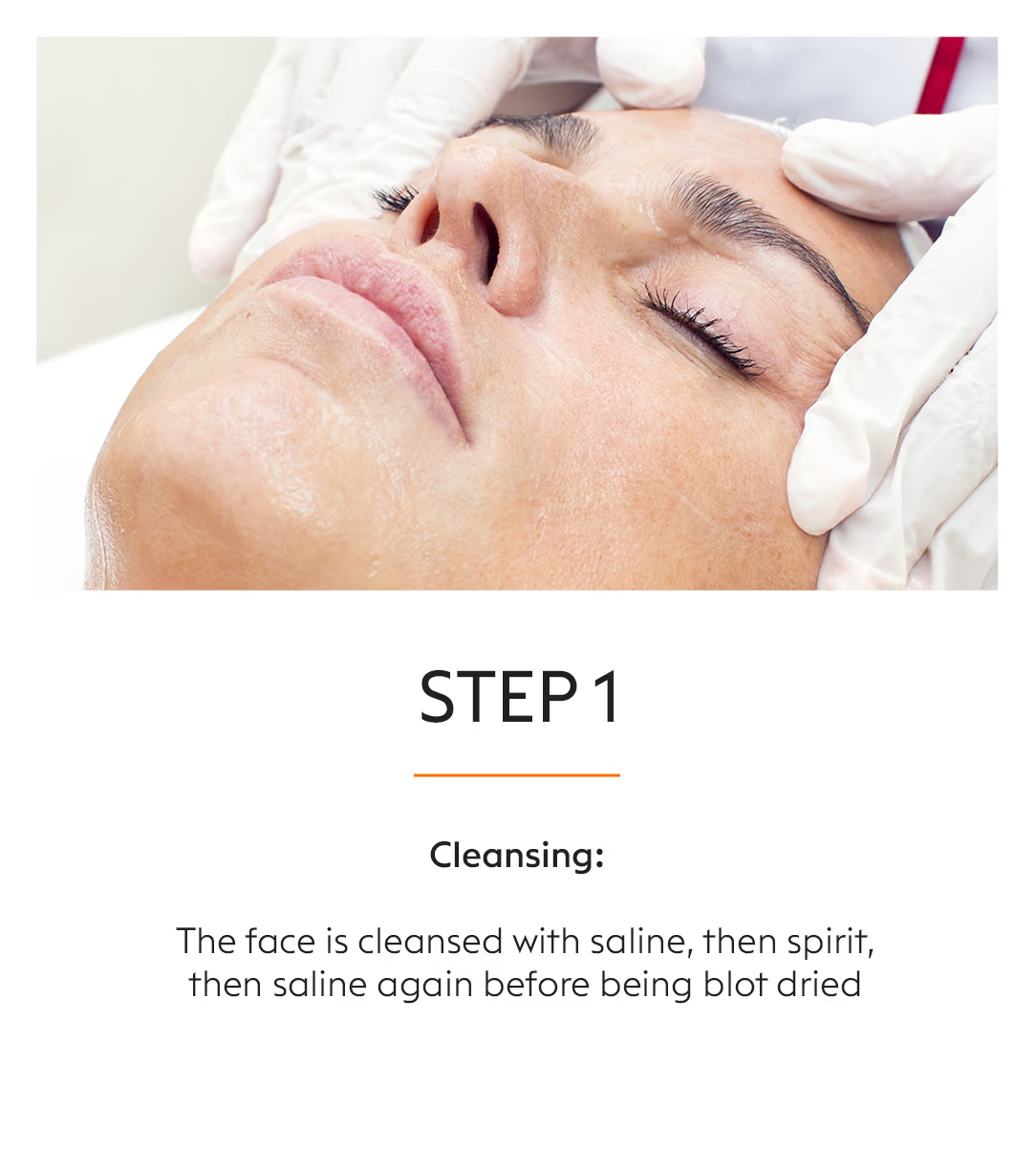
On the day of your HIFU appointment, there are a few simple steps to get your skin ready for the treatment. First, your face is thoroughly cleansed to remove makeup, sunscreen, oil, and any surface dirt. This helps the ultrasound energy travel evenly through the skin. In some clinics, especially if you’re having sensitive areas treated or prefer extra comfort, a numbing cream may be applied. This usually contains mild local anaesthetics such as lidocaine and prilocaine. It’s left on for around 20–30 minutes and then wiped away completely before the treatment begins.
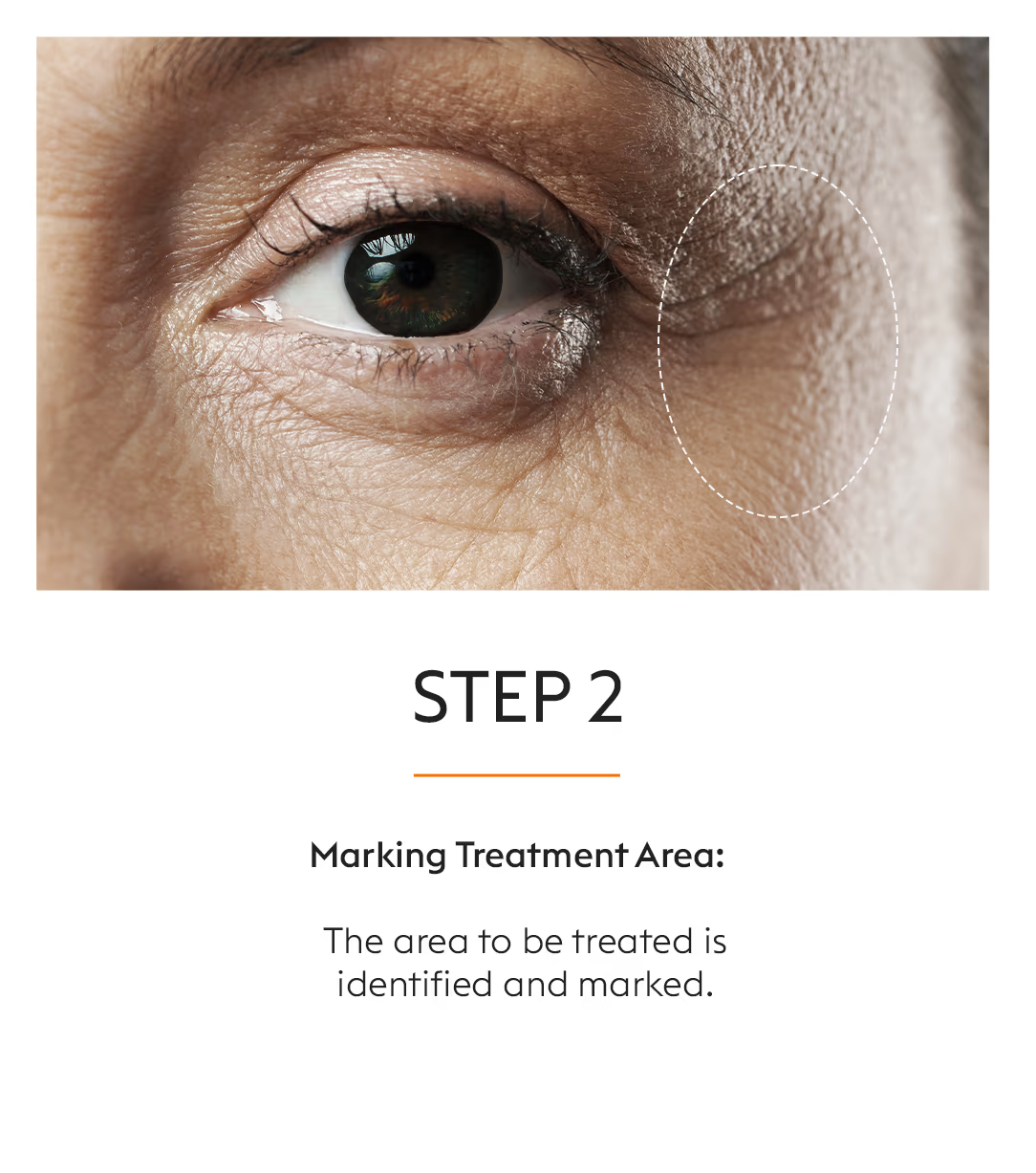
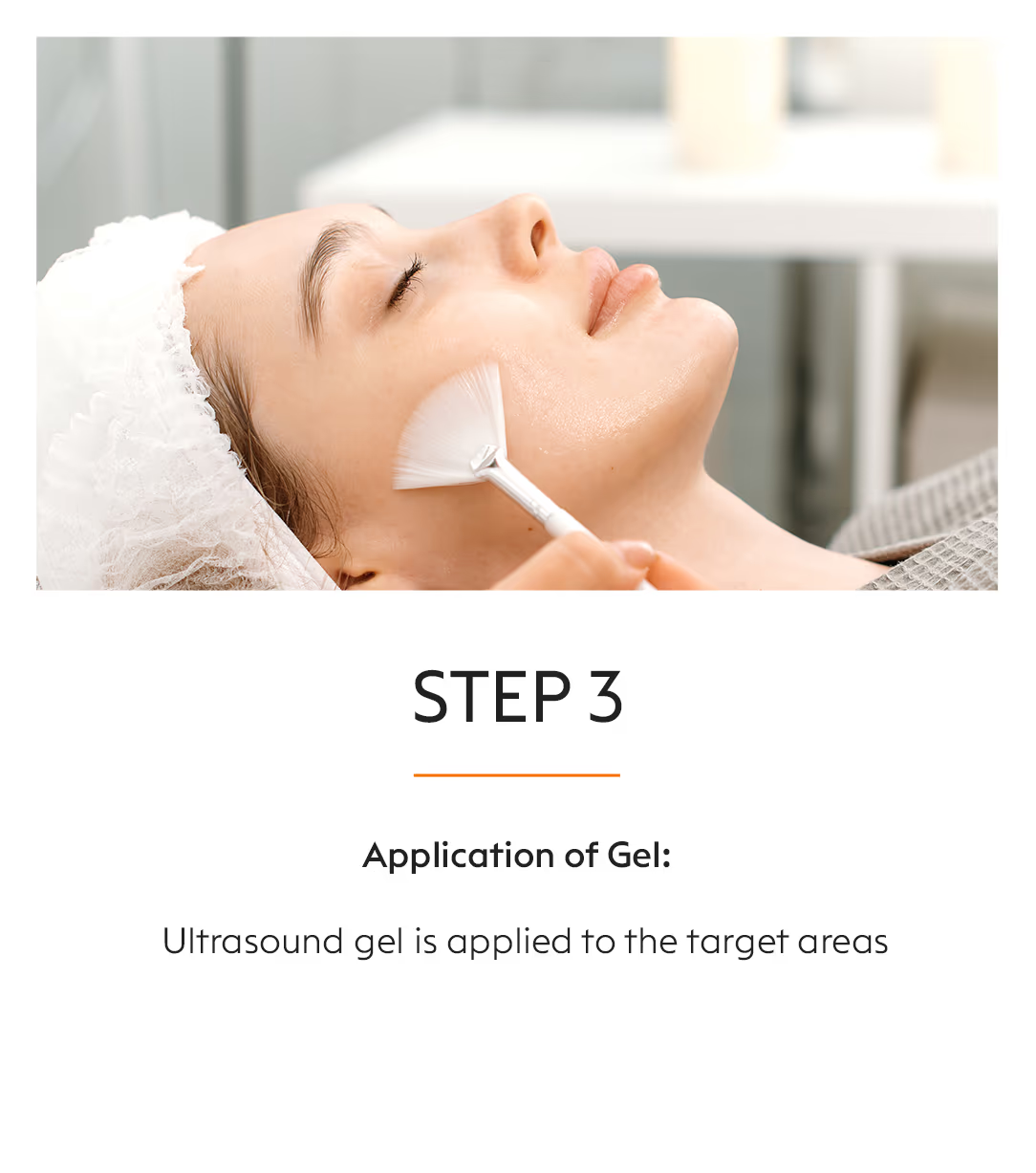
Next, the practitioner may lightly mark out the treatment zones with a skin-safe pen along the cheeks, jawline, around the brows, or on the neck. These markings are simply guides to make sure the energy is placed evenly and nothing is missed. Finally, a layer of cool, water-based ultrasound gel is spread over the skin. This gel stops air from sitting between the device and your skin and helps the ultrasound waves pass smoothly into the deeper layers.
What Happens During the HIFU Session
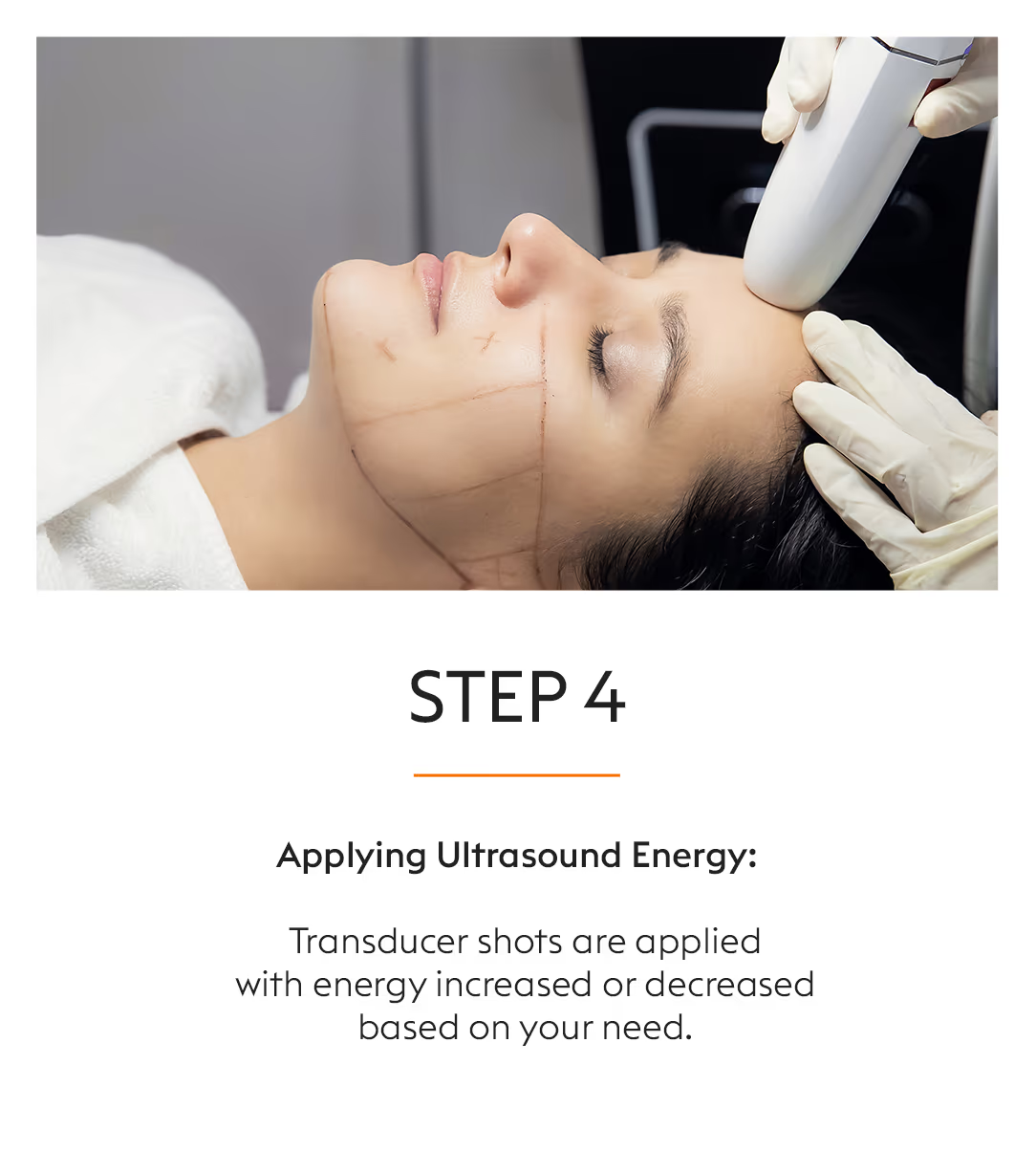
Once everything is prepared, the HIFU treatment itself starts. Different tips (often called cartridges) are used depending on how deep the energy needs to go:
- 1.5 mm: for the upper layer of the dermis and fine lines
- 3.0 mm: for deeper collagen stimulation
- 4.5 mm: to reach the SMAS layer, which is important for lifting and support
- 6.0 mm: for deeper neck structures such as the platysma
With some newer devices, the practitioner can see your skin layers on a small ultrasound screen while they work. This isn’t available on every machine, but where it is, it helps them place the energy even more accurately. Before they treat a full area, they may deliver a single test pulse to check how it feels and adjust the settings if needed.
During the session itself:
- The handpiece is pressed firmly but comfortably against the gelled skin.
- The practitioner moves it in lines or small steps, following the marked pattern.
- Short bursts of focused ultrasound energy are delivered at set points. Depending on how many regions are treated (for example, full face and neck versus just jawline), you might receive anywhere from a few hundred shots to over a thousand.
People usually describe sensations, such as deep warmth under the skin, brief tingling or a light prickling feeling, and occasionally a slight twitch in the underlying muscles, especially when treating the SMAS layer. Most patients find the treatment very manageable. If any area feels too intense, you can ask for a short pause. The whole appointment for the face and possibly the neck generally takes between 30 and 90 minutes.
Post-Treatment Care
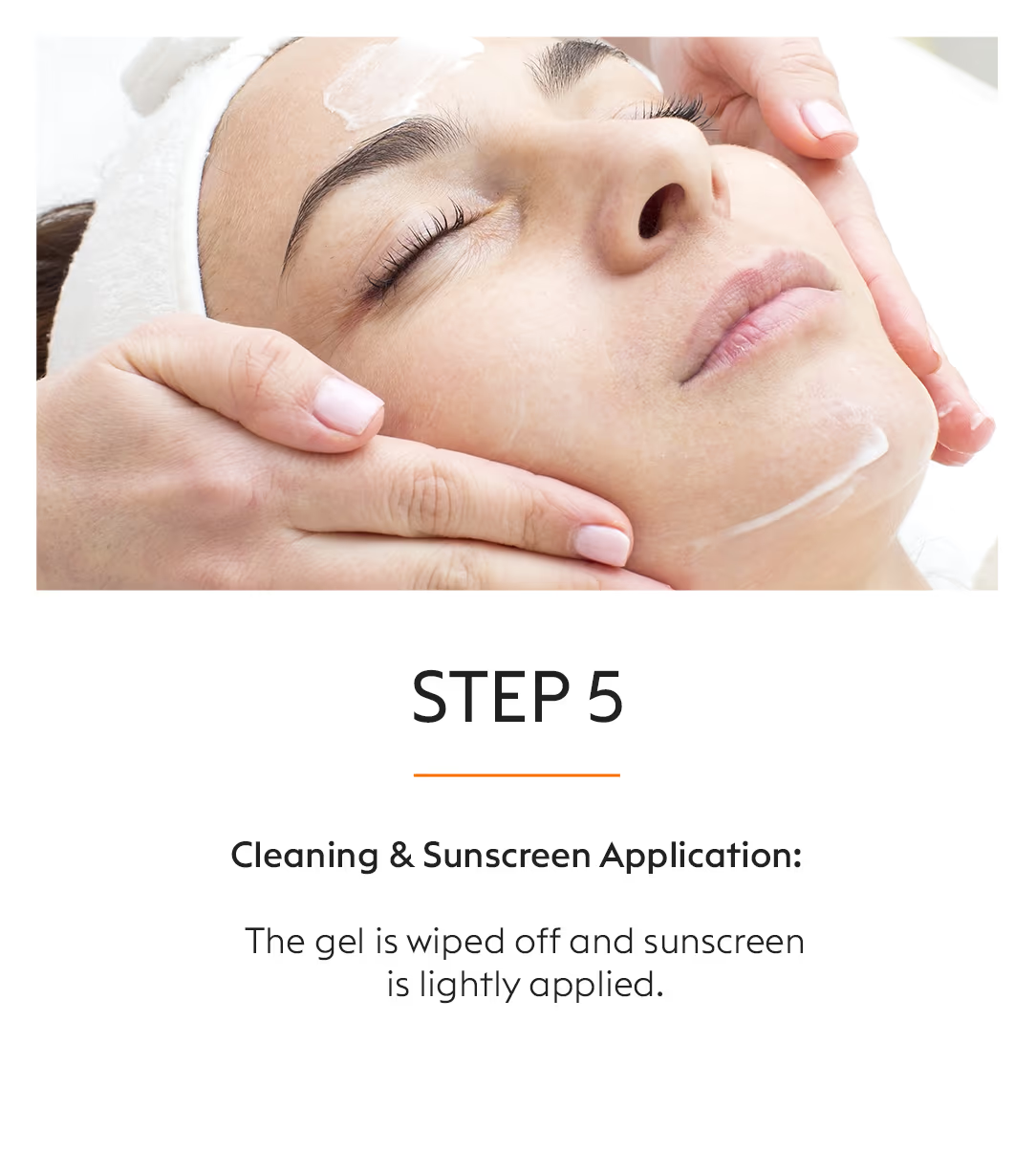
Right after HIFU, your skin may look a little pink and feel warm or slightly tender to the touch, similar to how it feels after being in the sun for a short time. This usually calms down within a few hours. There’s no strict recovery period. In most cases, you can put on light makeup if you wish and go straight back to work, errands, or social plans the same day.
You may be advised to:
- Avoid harsh treatments such as strong chemical peels, scrubs, or at-home devices on the treated area for a few days
- Use a broad-spectrum sunscreen every day, as UV light breaks down collagen and can reduce the benefits of your treatment
- Drink enough water and stick to a simple, gentle skincare routine to support the skin while it repairs and rebuilds
The results from HIFU develop slowly. The treatment triggers collagen remodelling that continues over the following 3 to 6 months. During this time, you may notice a gradual tightening, a slightly sharper jawline, and a smoother look to fine lines. People with mild to moderate looseness, where the skin still has a good ability to make new collagen, usually see the clearest change. For more advanced sagging, HIFU can still help, but expectations need to be realistic, and sometimes combined approaches are suggested.
What to Expect and When You Will See Results
HIFU helps firm and reshape the face by waking up your skin’s own collagen-building process. The changes appear slowly over time, so you look fresher and more lifted without that stiff or “done” look. Many people notice a sharper jawline, slightly lifted brows, a smoother-looking neck, wrinkle-free skin, and a more defined overall facial contour.
HIFU Treatment Results Timeline
Phase | Timeframe | What You May Notice |
Immediate Effects | First week | Mild skin tightening due to early tissue contraction and slight swelling. The jawline may appear more defined, and cheeks can look subtly lifted. Temporary redness or puffiness may enhance contours and usually settles quickly. |
Early Phase | Weeks 2–8 | New collagen begins forming beneath the skin. Smile lines may soften, pores can appear less visible, and the skin feels firmer and more elastic. Facial shape starts to look more balanced and refreshed. |
Peak Results | Months 3–6 | Stronger collagen production replaces older fibres, leading to noticeable lifting of the jawline and brows, smoother lines around the mouth, and firmer skin on the neck and upper chest. Facial contours appear clearer and more defined. |
Maintenance Phase | Up to 18 months | Results stabilise and can last for many months. With proper skincare, sun protection, hydration, and healthy habits, improvements are maintained longer. Gradual fading occurs naturally over time. |
How Many HIFU Sessions Are Needed and How Long Do Results Last
Most people need between one and three HIFU sessions for facial tightening. If you have mild sagging, one well-planned session is usually enough. In that visit, your practitioner may deliver several hundred to over a thousand shots of ultrasound energy across the face and neck to properly stimulate collagen. Here is a breakdown of the number of sessions you may need:
Skin Laxity Level | Description | Typical Number of Sessions |
Mild laxity | Mild laxity (early 30s–40s, slight jowls or soft cheeks) | Often, one session is enough. This usually treats the full face and neck and delivers most of the needed energy in a single visit. |
Moderate laxity | Moderate laxity (40s–50s, more obvious drooping) | Usually two sessions, spaced 3–6 months apart. The first session focuses on the deeper SMAS layer, and the second targets the dermis to build results in layers. |
Advanced laxity | Advanced laxity (50+, heavier sagging) | Often, three sessions over 6–12 months, or HIFU, may be combined with other treatments like threads or radiofrequency. In these cases, HIFU alone usually offers a modest lift, so it’s often part of a more comprehensive treatment plan rather than a standalone solution. |
Certain factors can mean you’ll need an extra session, such as:
- Thinner or more sun-damaged skin
- A long history of smoking
- More advanced signs of ageing
Your progress is usually reviewed after three months of the first session, often with before-and-after photos, to decide if more treatment is needed.
How Long Do Results Last
HIFU treatment results build slowly and then gradually fade in line with natural ageing.
- You may notice a slight lift quite soon after treatment, as tissues contract.
- The main tightening becomes more noticeable between three and six months, as new collagen forms and matures.
- Results can last around one to two years, after which the skin continues to age at its normal pace.
For most people, a maintenance face tightening treatment session roughly once every year and a half helps preserve most of the improvement. If lifestyle factors like smoking, poor diet, or heavy sun exposure are present, results may fade more quickly, sometimes within about six months to a year. While your results show up, it’s essential to know that results can vary from person to person, based on age, skin type, lifestyle, and genetics. If you are around 30 to 45, you can see strong results compared to someone older than 55. If your skin is thick with elastic, it offers better results.
Is HIFU Safe? Side Effects, Risks, and Aftercare
HIFU is a safe procedure when done by an experienced and trained professional with a medical-grade device. Non-invasive ultrasound skips the surface of your skin with the guidance of real-time imaging. That is why there is no possibility of infection, scars, bleeding, incisions, radiation, or toxins involved.
Common and Temporary Side Effects
Usually, HIFU side effects are mild and temporary. Symptoms typically resolve without a doctor’s intervention. Most of the symptoms that you may notice will be mild redness, swelling, and mild tingling or numbness. The redness in the area may look like a light sunburn but will typically fade within a few hours. The swelling usually peaks within 24 hours and disappears within one to three days on most occasions.
A few individuals will notice tingling or numbness around the jaw or lips. You may feel this sensation because of the temporary stimulation of nerves, which may feel like "pins and needles". It will improve gradually within a few days to a couple of weeks. If you follow basic aftercare, it can enhance the resolution of HIFU side effects. These aftercare methods are applying cooling creams, using ice packs, and avoiding intense sun exposure immediately following HIFU.
Rare Side Effects and When to Consult a Professional
HIFU facial treatments very rarely lead to serious side effects. When problems do happen, they’re usually related to factors such as untrained providers, poor-quality machines, or existing medical issues that weren’t checked properly beforehand. In most cases, these uncommon reactions settle down on their own with time and simple home care. However, if anything feels very painful, seems to be getting worse, or doesn’t start improving after a few days, it’s important to see a doctor as soon as possible.
Burns or Blisters
In rare cases, small red welts or blisters can appear a few days after treatment if too much heat was used or the technique wasn’t ideal. Most of these settle within one to two weeks with the right care, such as soothing or medicated creams prescribed by a doctor. More serious burns are uncommon but may need medical treatment.
Nerve Irritation or Prolonged Numbness
Some people notice a pins-and-needles feeling or numbness along the jawline or cheeks. This usually happens because the heat has temporarily irritated nearby nerves. It can feel strange, but it typically improves slowly over a few weeks. Gentle massage, if recommended by your practitioner, may support recovery.
Fat Loss or Uneven Appearance
In individuals with very slim or thin faces, using energy in the wrong layer can affect the fat under the skin. This might cause slight hollowing or a mildly uneven look in some areas. In many cases, this softens and looks better over several months.
Skin Darkening (Hyperpigmentation)
Some people, especially those with deeper skin tones, may develop darker patches in the treated area. This usually happens because the skin has become inflamed. With daily sun protection and the right skincare, these marks typically fade over a few months.
Headaches or Muscle Twitching
A few people report mild headaches or little twitches in the facial muscles during or shortly after the session. These effects are usually short-lived and tend to disappear within a few hours without any special treatment.
When to Consult a Doctor Immediately
Get medical help straight away if you notice any of the following:
- Severe pain or swelling that lasts longer than two days or starts getting worse instead of better
- Blisters that look infected (for example, they contain pus) or if you develop a fever
- Any changes in vision, new dizziness, or numbness that spreads to a larger area of the face
- Facial unevenness or drooping that becomes more obvious after the first week
- Any symptom that doesn’t start to improve and continues beyond two weeks
If you’re ever unsure whether what you’re feeling is normal, it’s always safer to check in with your treating doctor or clinic.
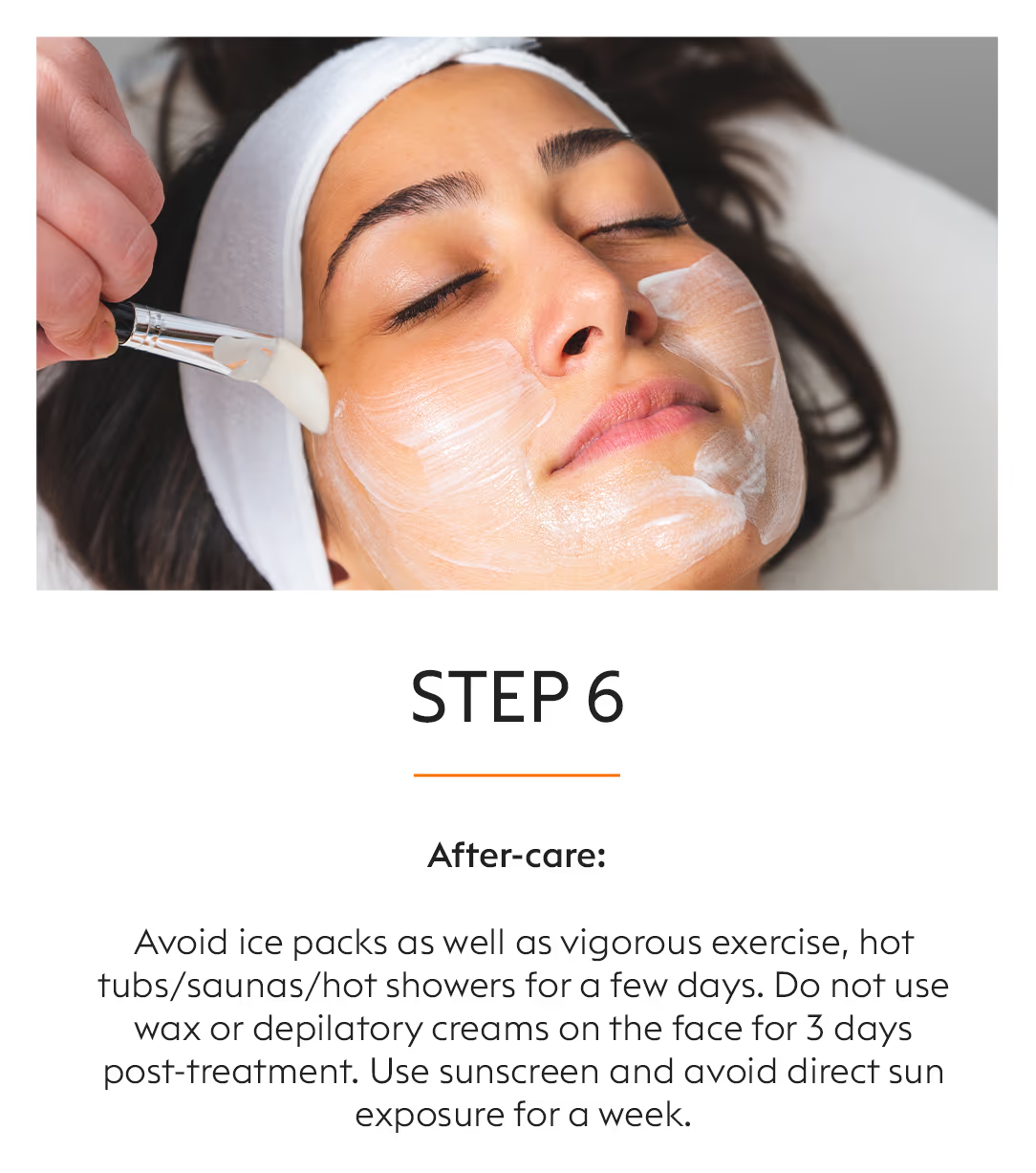
Aftercare Tips to Maximise Results
After your HIFU treatment, your skin is already working hard behind the scenes to build new collagen, so a little extra care goes a long way.
For the first few days, try to avoid:
- Very hot environments like saunas, steam rooms, and hot showers
- Direct sun exposure
- Makeup on the treated area (if possible)
- Alcohol
All of these can increase warmth in the skin, make swelling worse, and slow the collagen-building process. To ease puffiness, you can gently apply an ice pack wrapped in a soft cloth for about 10 minutes at a time. Doing this a few times a day can be soothing. At night, sleeping with your head slightly elevated on an extra pillow can also help reduce swelling.
Daily Care Routine
During the first to second week, you should follow this routine and these tips:
- Cleanse gently: Use a mild, fragrance-free cleanser with lukewarm water. Rinse well, then pat your skin dry with a soft towel, but avoid rubbing or scrubbing.
- Skip strong actives: Don’t use exfoliants, scrubs, acids (like AHAs/BHAs), or retinoids during this time, as they can irritate the skin.
- Moisturise often: Apply a gentle moisturiser two to three times a day. Look for ingredients like hyaluronic acid or ceramides to keep the skin hydrated, calm, and comfortable.
- Protect from the sun: Use a broad-spectrum sunscreen of SPF 50 or higher every day, even if you’re indoors or it’s cloudy. Reapply if you’re outside. Sun exposure can interfere with collagen formation and may reduce final results.
Long-Term Care
Once your skin has settled:
- Stay hydrated: Drink enough water throughout the day to support overall skin health.
- Support collagen from within: Include vitamin C–rich fruits and vegetables, lean proteins, and nourishing broths in your diet to give your skin the building blocks it needs.
- Avoid smoking: Smoking breaks down collagen faster and works against the tightening effect of HIFU. Cutting down or quitting helps your results last longer.
- Introduce gentle massage: After about two weeks, you can start a light facial massage (if your practitioner agrees). This can improve circulation and support the skin’s natural healing and remodelling.
With these simple steps, you’re helping your HIFU treatment deliver smoother, firmer, and more long-lasting results.
What Is the Cost of HIFU Facial Skin Tightening Treatment?
The average cost of Hifu facial skin tightening treatment in areas like Delhi or Ghaziabad may range from Rs 20,000 to Rs 50,000 per session for the full face, depending on the clinic and location. HIFU pricing depends on the size of the treatment area. Smaller areas need fewer ultrasound shots and less time, so they usually cost less. When you treat larger zones, like the full face and neck together, the session takes longer and requires more energy, which naturally makes the overall treatment more expensive.
Cost of Face Tightening Treatment As Per Area
Treatment Area | Approximate Cost Range () | Estimated Shots Required |
Chin / Jawline Only | 10,000 – 25,000 | 200 – 400 shots |
Lower Face or Neck | 15,000 – 30,000 | 300 – 500 shots |
Full Face | 20,000 – 35,000 | 600 – 800 shots |
Face + Full Neck | 30,000 – 50,000 | 800 – 1,200 shots |
If you’re planning more than one HIFU session, choosing a package can work out more affordable overall. For example, a three-session face and neck package usually falls between 50,000 and 80,000 in total, depending on the clinic, the quality of the device used, and the practitioner’s experience.
Factors That Influence the Cost of HIFU Treatment
Several factors influence the cost of HIFU treatment. Instead of a fixed price list, costs are usually shaped by the treatment area, the technology being used, the expertise of the practitioner, and the overall setup of the clinic.
- Treatment Area and Number of Shots: The size of the area being treated and the number of ultrasound shots needed have a direct impact on the price. Smaller zones, such as just the jawline, need fewer shots and less time, so they generally cost less. Full face and neck treatments require many more shots and longer sessions. A higher shot count means more energy, more precision, and more resources used during the procedure.
- Clinic Reputation and Doctor Expertise: Clinics run by experienced dermatologists or aesthetic doctors often charge more, reflecting their training, clinical judgment, and stricter safety standards. A skilled practitioner is more likely to deliver even, natural-looking results and reduce the chances of complications or the need for corrective treatments. This makes the outcome more predictable and reassuring for patients.
- Device Technology and Brand: The type of HIFU device also plays a big role in cost differences. Advanced machines with accurate depth control, real-time imaging, and multiple cartridges are more expensive to buy and maintain. Each cartridge can only deliver a set number of shots before it needs replacing, so its wear and tear are built into the treatment cost.
- Number of Sessions and Treatment Packages: The number of sessions you need depends on how loose your skin is and what you want to achieve. Mild concerns may respond well to a single session, while moderate sagging often needs two or more sessions spaced out over several months. Many clinics offer package plans for multiple sessions, which can work out more affordable than paying for each visit separately.
5.Clinic Location and Operational Costs: Prices can vary significantly from one area to another. Clinics in prime or metropolitan locations typically have higher rent, staffing, and running costs, and this is reflected in their fees. Centres in less premium areas may be able to offer lower prices simply because their overheads are lower.
Why VLCC Is a Trusted Choice for HIFU Facial Lifting Treatment
Once you decide to explore HIFU for facial lifting, the next step is choosing where to have it done. Your results depend not only on the technology but also on how the treatment is planned, who performs it, and how your skin is monitored over time. VLCC India can be the companion you need in your transformation journey. We approach HIFU as a medical-grade procedure rather than a routine facial. Before treatment, your skin type, degree of laxity, and main concerns are assessed. Based on this, energy levels and treatment depth are selected to reduce the risk of over-treating sensitive areas and to support more even, controlled results.
We provide a treatment plan that is specifically designed for you to improve the areas. Standard hygiene practices are followed, numbing support may be offered if needed, and aftercare advice is shared so you know what to expect during recovery. You may also receive guidance on sun protection, basic skincare, and follow-up visits to track how your skin is responding over the next few months. This type of follow-up can help you maintain collagen production and understand whether and when you might need a maintenance session. If you’re considering HIFU, speaking one-on-one with a trained professional at VLCC or another qualified clinic can help you understand the potential benefits, limitations, and alternatives, so you can make an informed decision based on your skin and expectations.
Book a consultation now at VLCC to decide what feels best for you.
Conclusion
If you’re starting to see early sagging, softer contours, and lines that don’t fully fade with skincare alone, you don’t have to jump straight to surgery to feel confident in your skin. HIFU facial skin tightening treatment gives you a way to gently lift, firm, and refine your features over time by activating your own collagen, without cuts, injections, or long recovery. When it is planned and performed correctly, HIFU can give you natural-looking, gradual improvement in jawline definition, cheek firmness, neck tightening, and wrinkle reduction, with safety and comfort kept at the centre of the treatment.