Hair Transplant in Delhi NCR: Cost, Benefits, Procedure, and Results | VLCC
Hair Transplant
Hair Transplant in Delhi NCR: Cost, Benefits, Procedure, and Results
V
VLCC
Mar 27, 2025·14 min read
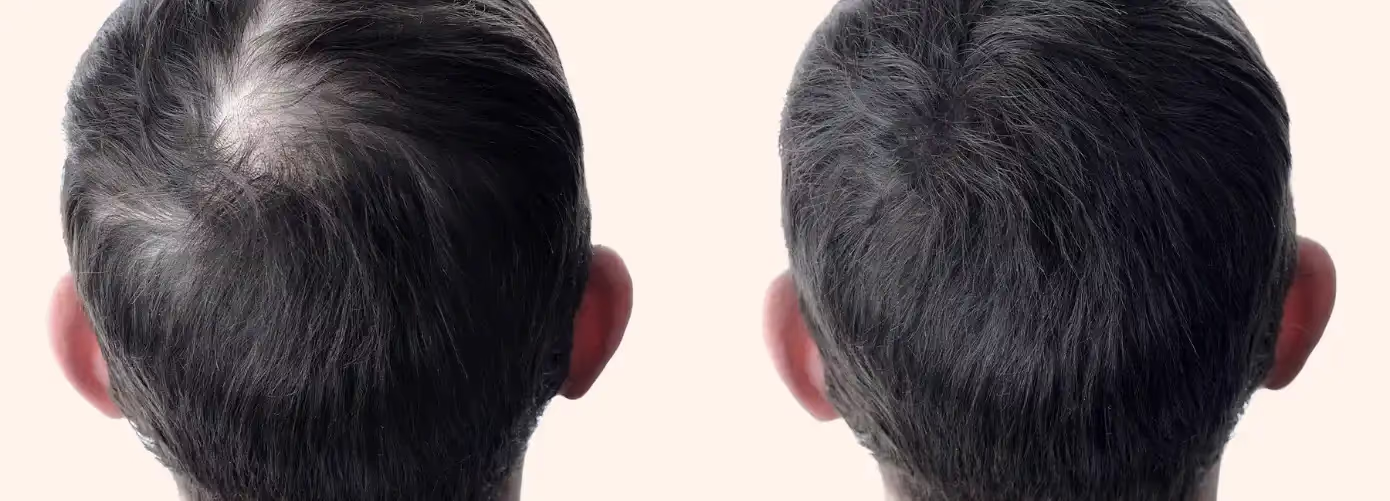
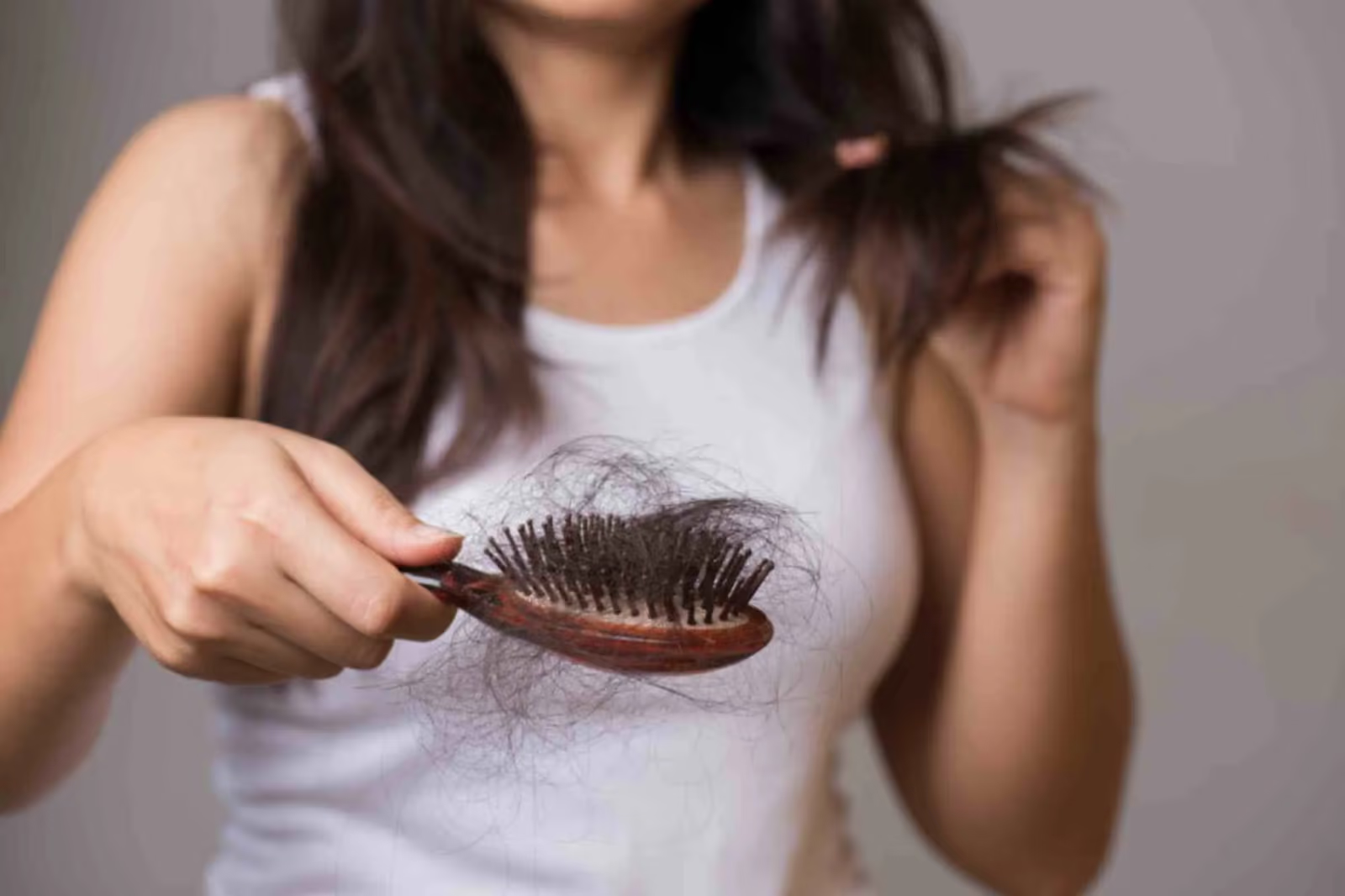
Hair loss is a common issue faced by both men and women. It can be caused by genetics, stress, hormonal changes, or medical conditions. No matter the reason, watching your hair thin out or disappear can be distressing. While hair oils, serums, and medications may offer temporary solutions, a hair transplant is the only permanent way to restore natural hair growth.
If you’re considering a hair transplant in Delhi NCR, this guide covers everything in detail—hair transplant cost in Delhi, procedure, benefits, timeline, aftercare, and expected results. Let’s get started!
What is a Hair Transplant?
A hair transplant is a surgical procedure where hair follicles are extracted from a healthy donor area (usually the back of the scalp) and implanted into bald or thinning regions. These transplanted follicles continue to grow naturally, just like the rest of your hair.
Hair transplants are suitable for:
Male and female pattern baldness – Permanent hair loss caused by genetics.
Receding hairlines – Restoring the natural shape of the hairline.
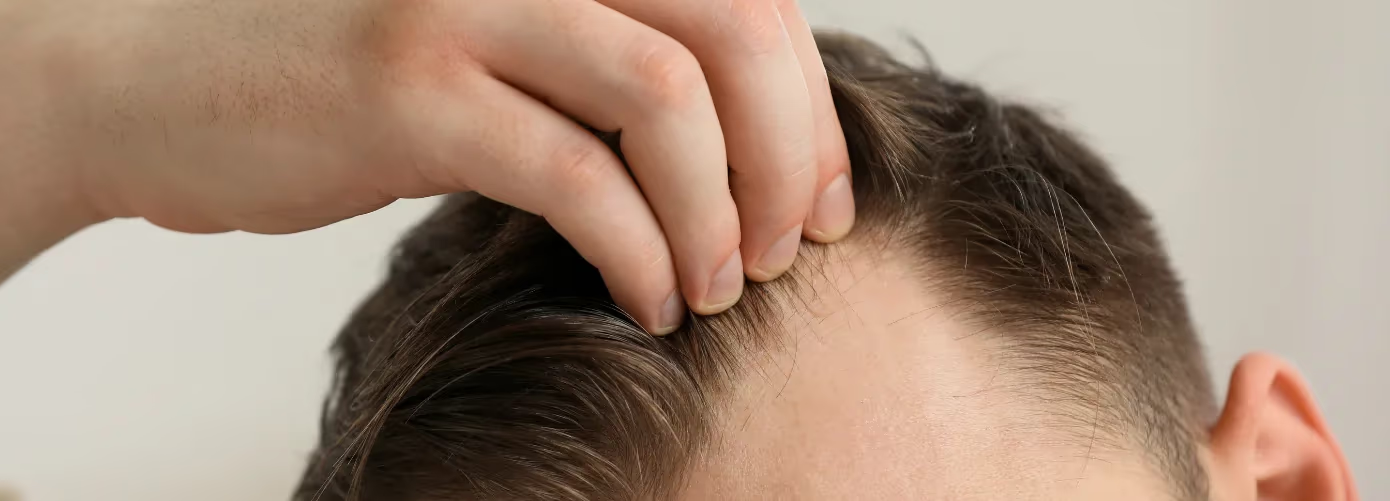
Hair thinning – Increasing density in areas with reduced hair volume.
Eyebrows, beards, and mustaches – For those with patchy or no facial hair.
Scar coverage – Hiding scars from accidents, burns, or previous surgeries.
This one-time procedure offers lifelong results, making it an effective solution for hair loss. Hair transplantation is done using two main techniques:
FUE (Follicular Unit Extraction) – In this method, individual hair follicles are extracted from the donor area and implanted into the balding areas. It leaves no major scars and is a more advanced method.
FUT (Follicular Unit Transplantation) – This technique involves removing a strip of skin with hair follicles from the donor area, dissecting it into grafts, and implanting them. It may leave a linear scar but is effective for people who need a higher number of grafts.
Now that you have a basic understanding, let’s discuss the entire process in detail, from preparation to results.
A hair transplant is not just a one-day event. It involves proper planning, execution, and aftercare. Here’s a detailed breakdown of what happens before, during, and after the surgery.
1. Consultation and Assessment
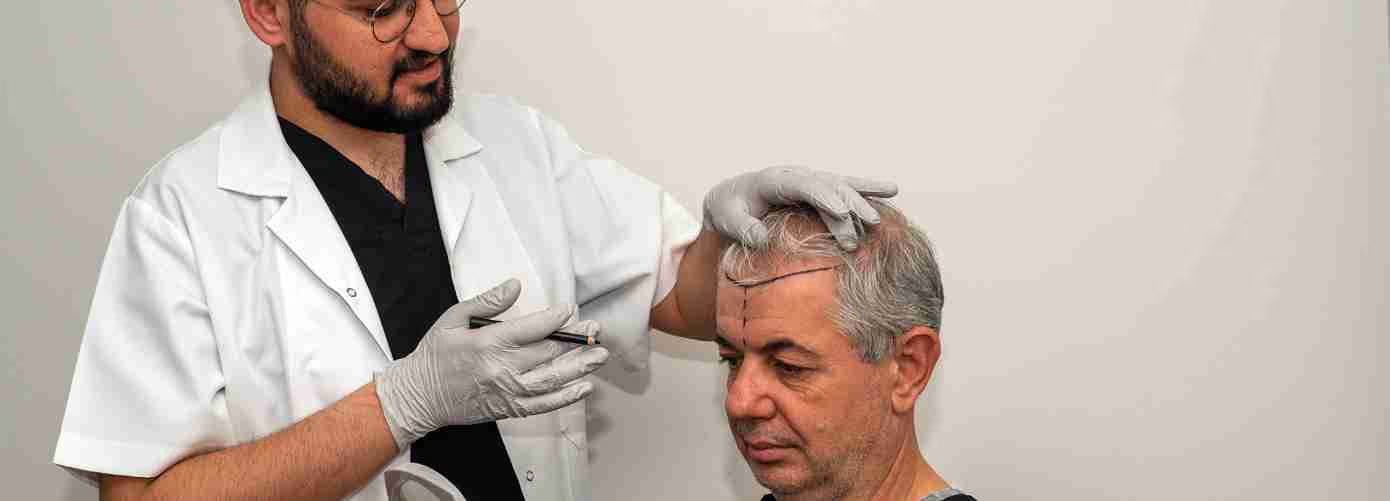
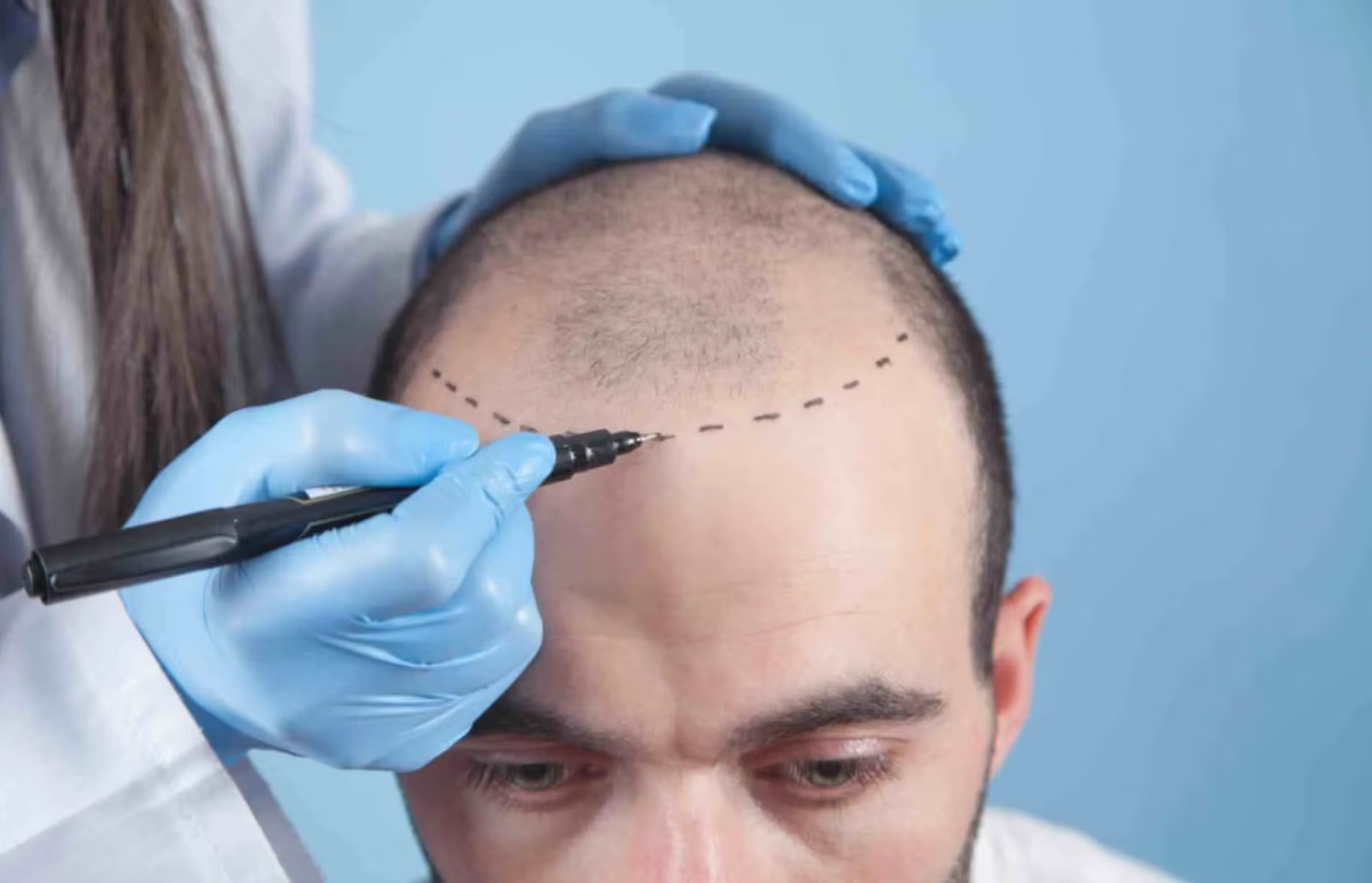
Before anything else, you need to visit a clinic for a consultation. A hair transplant specialist will examine your scalp, discuss your hair loss history, and suggest the best approach. They will also determine the number of grafts you need. This is a crucial step because the success of your transplant depends on how well your doctor plans the procedure.
2. Pre-Procedure Preparation
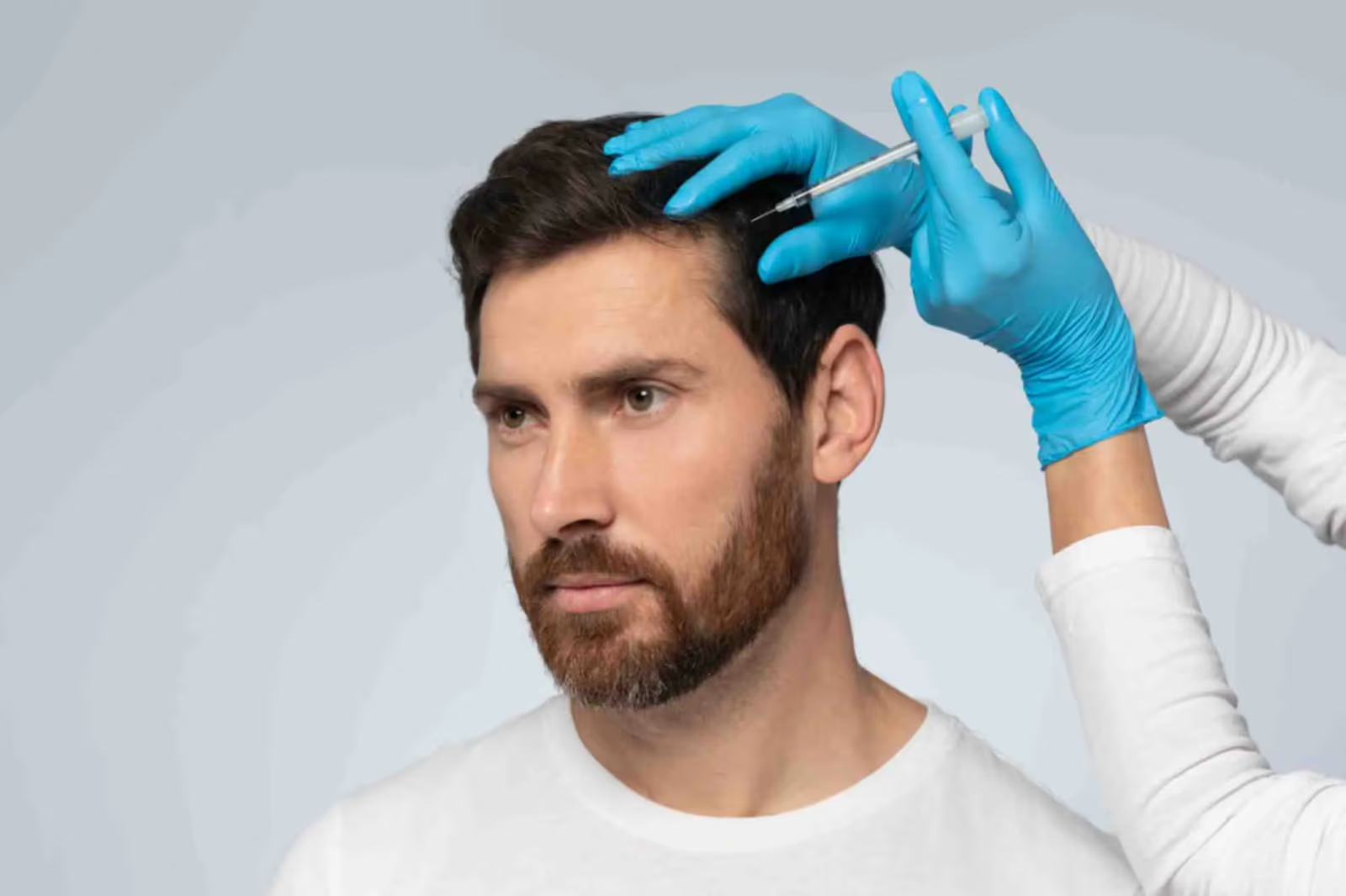
Before the actual surgery, you may be advised to avoid smoking, alcohol, and certain medications. The doctor might also recommend a few tests to ensure you are fit for the procedure. On the day of the surgery, your scalp will be cleaned, and local anesthesia will be applied to make the process painless.
3. Extraction of Hair Follicles
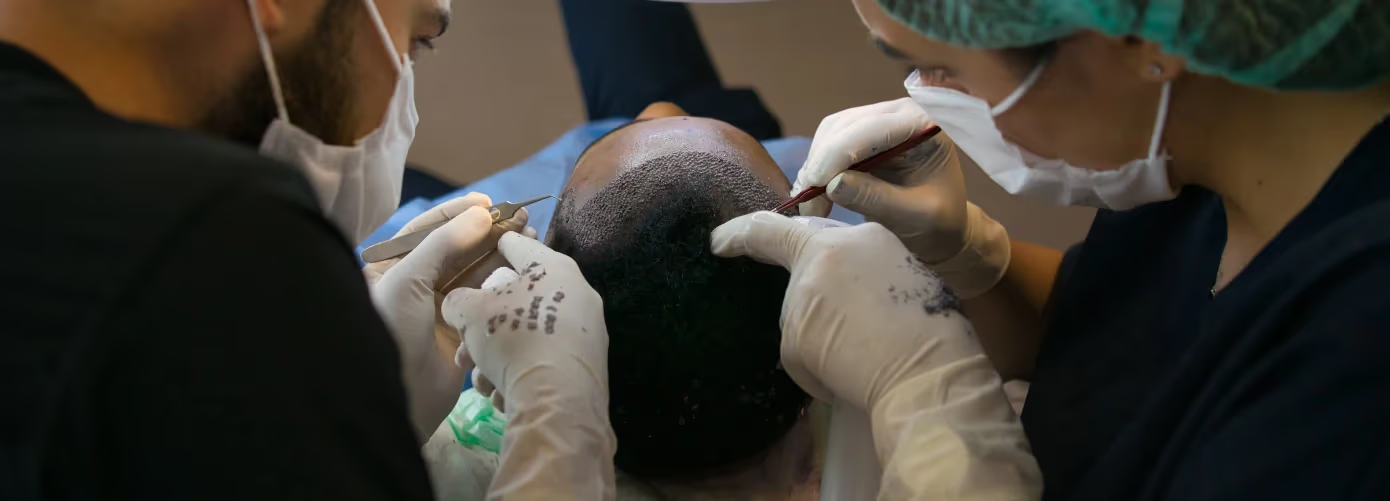
If you are undergoing an FUE procedure, the doctor will carefully extract individual hair follicles from the donor area using a small punch tool. This is done carefully to ensure minimal damage to the follicles. If you are opting for FUT, a strip of skin will be removed and dissected into individual grafts.
4. Implantation of Hair Grafts
Once the required hair follicles are extracted, the doctor will make tiny incisions in the balding area and implant the grafts in a natural pattern. The precision and artistic skills of the surgeon is important in ensuring that the transplanted hair looks natural.
5. Post-Procedure Care
After the surgery, your doctor will provide instructions on how to care for your scalp. You may experience some redness, swelling, or mild discomfort, which usually subsides within a few days.
You’ll be given painkillers and antibiotics to manage discomfort and prevent infections.
Avoid touching, scratching, or washing your scalp for the first few days.
What to Expect After a Hair Transplant?
It is important to have realistic expectations. Here’s a general timeline of what happens after a hair transplant:
First two weeks: You might experience some scabbing and mild shedding of the transplanted hair, which is completely normal.
1 to 3 months: The shedding phase continues as the new hair roots settle in.
3 to 6 months: You will start noticing small hair growth, but it may be thin initially.
6 to 12 months: The hair starts to grow thicker and denser.
After one year: You can see the full results with natural hair growth.
Cost of Hair Transplant in Delhi NCR
The cost of a hair transplant in Delhi NCR depends on multiple factors, including:
The clinic’s reputation and location
The surgeon’s experience and qualifications
The number of grafts required
The technique used (FUE is usually more expensive than FUT)
Post-operative care and follow-up sessions
On average, the Hair transplant cost in delhi ranges between ₹30,000 to ₹1,50,000, but it can go higher depending on your specific case. Some premium clinics charge per graft, which can range from ₹25 to ₹100 per graft. If you require 2000 grafts, the cost can be anywhere between ₹50,000 and ₹2,00,000.
Note: Prices may vary depending on the clinic, surgeon, and additional factors such as advanced techniques or post-procedure care.
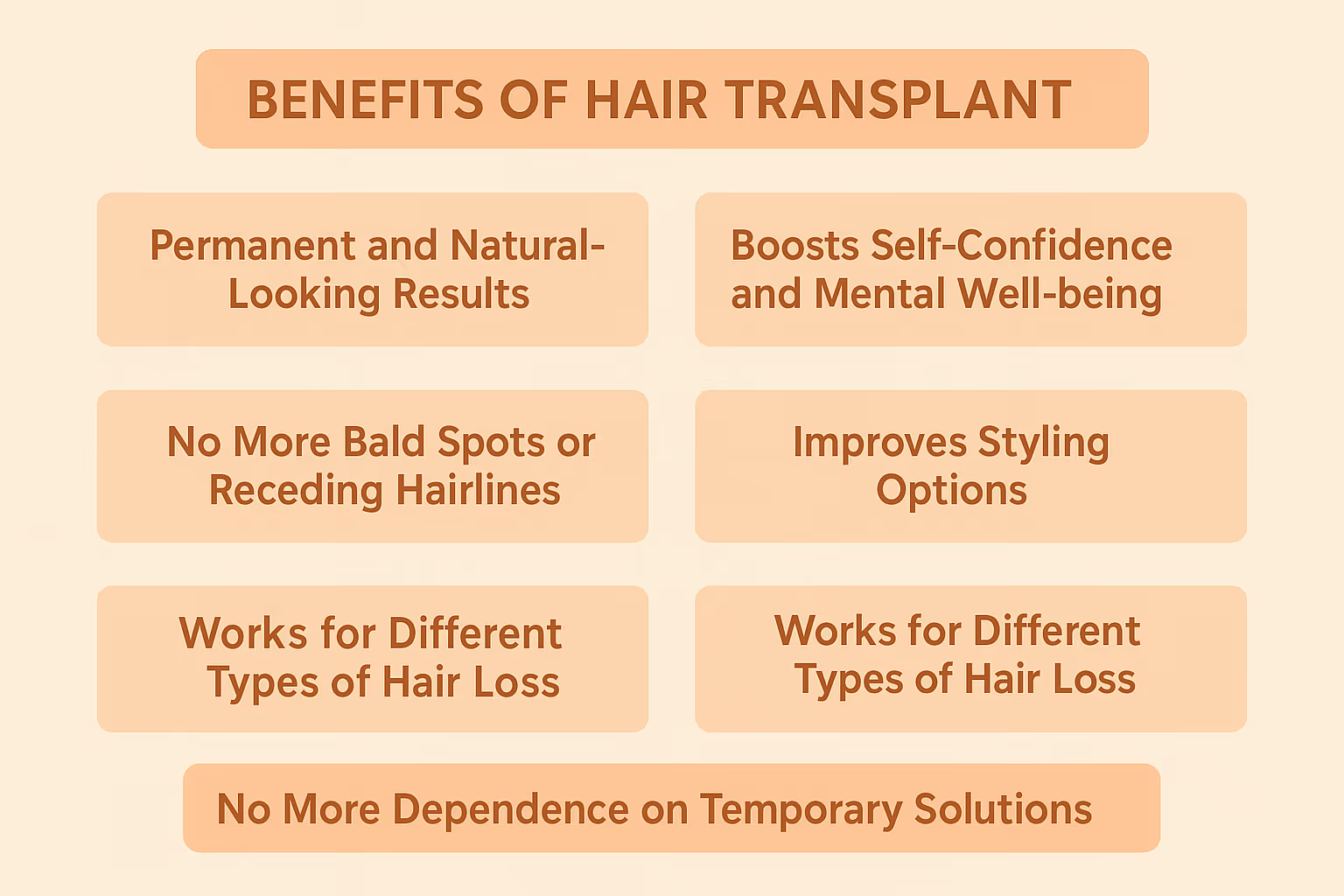
Benefits of Hair Transplant (In Detail)
A hair transplant is a life-changing procedure with multiple benefits:
Permanent and Natural-Looking Results
One of the biggest advantages of a hair transplant is that it’s a permanent solution to hair loss. Unlike wigs, hairpieces, or topical treatments, a transplant moves your own hair follicles from a donor area (usually the back or sides of your head) to the thinning or balding areas.
Since these transplanted hairs are genetically resistant to hair loss, they continue growing for a lifetime. This means no constant maintenance like hairpieces, a completely natural look, and the freedom to cut, style, or even dye your hair as you wish.
Boosts Self-Confidence and Mental Well-being
Hair loss can take a toll on self-esteem, leading to self-consciousness, social anxiety, and even depression in some cases. A hair transplant restores not just hair but confidence. Many people feel younger, more attractive, and more at ease in social situations after the procedure. It can also positively impact professional life, as confidence is essential in interactions and first impressions.
Safe and Minimally Invasive Procedure
Modern hair transplant techniques like FUE (Follicular Unit Extraction) and FUT (Follicular Unit Transplantation) are safe, minimally invasive, and come with a quick recovery time. The procedure is done under local anesthesia, reducing risks. Most people can return to their regular routine within a few days, and side effects (like minor swelling or redness) fade within a week.
No More Bald Spots or Receding Hairlines
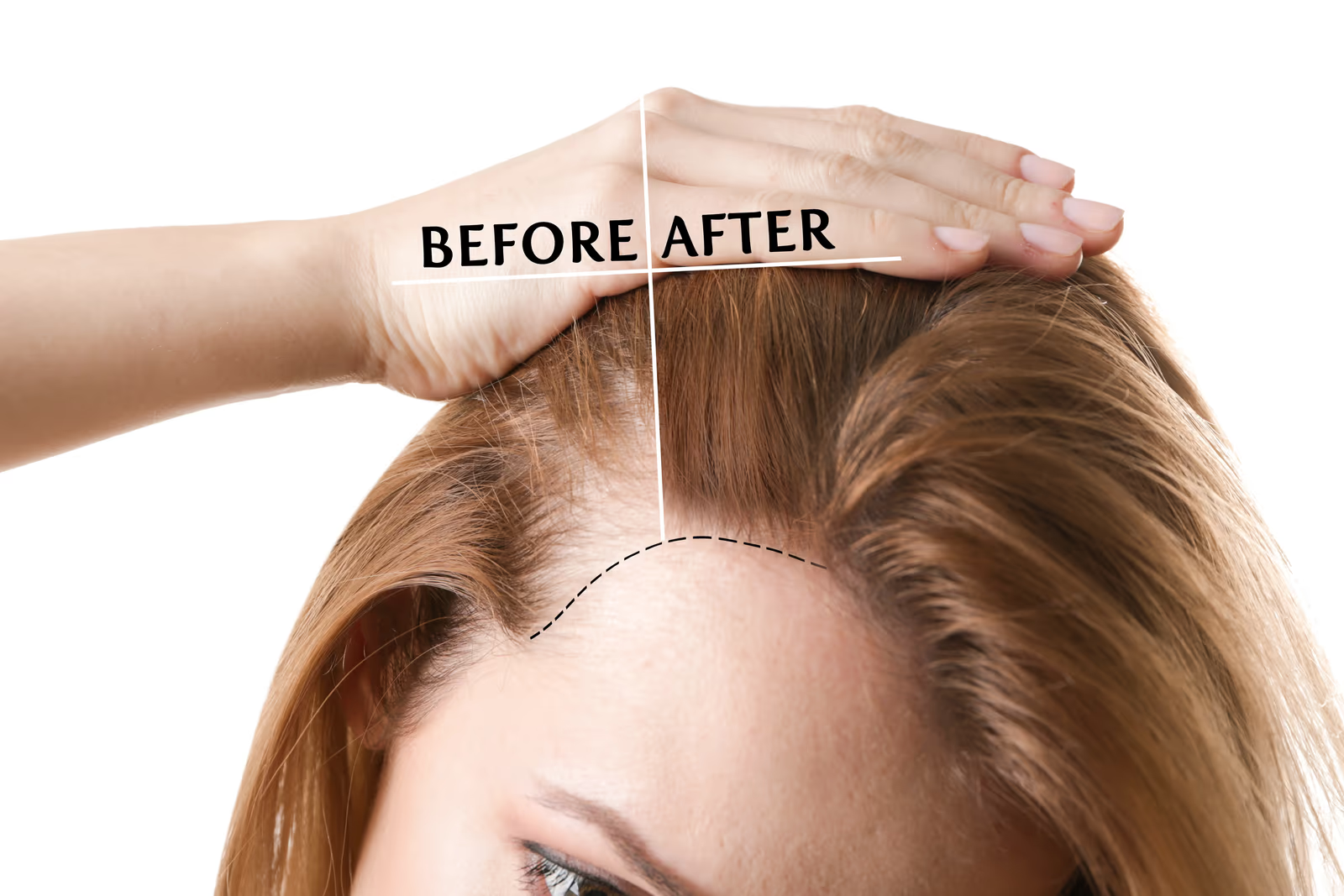
A hair transplant effectively fills in bald patches and restores a natural hairline. Skilled surgeons design hairlines that complement your facial features, ensuring a natural, age-appropriate look. The new hair blends seamlessly, making it impossible for others to tell you’ve had the procedure.
Improves Styling Options
Thinning hair limits styling choices, often forcing people to keep their hair short to hide bald patches. With a transplant, you regain the ability to grow out your hair, experiment with different styles, and enjoy fuller, thicker locks. Whether it’s a sleek comb-over, a trendy fade, or a casual longer style, the possibilities open up.
Works for Different Types of Hair Loss
Hair transplants aren’t just for male pattern baldness. They’re effective for various types of hair loss, including female pattern baldness, receding hairlines, hair thinning due to aging, and even restoring hair in areas affected by scars or injuries.
No More Dependence on Temporary Solutions
With a hair transplant, you no longer need to rely on hair fibers, concealers, wigs, or caps to cover bald spots. You can confidently step out without worrying about wind, rain, or sweat ruining your look. The freedom from daily hair cover-ups is liberating!
With natural results, permanent hair growth, and minimal upkeep, it’s a long-term solution that helps you look and feel your best. If hair loss has been bothering you, consulting a professional could be the first step towards regaining not just your hair but your confidence too!
At VLCC, we offer safe and effective hair transplants using advanced techniques like FUE and FUT, ensuring natural-looking and long-lasting results. Our experienced doctors provide personalised treatments based on your hair type, so your new hair blends perfectly with the existing one.
We focus on client comfort, maintaining strict hygiene and modern facilities to make the procedure smooth and hassle-free. Plus, with affordable pricing and customised plans, we make high-quality hair transplants accessible to everyone. Our expert care and guidance also help in a quick recovery and healthy hair growth.
So, what are you waiting for? Book your consultation today!
Aftercare Tips
After a hair transplant, proper aftercare is very important for healthy growth and long-lasting results. Here are some aftercare tips you might not hear everywhere:
Instead of stacking pillows (which can cause discomfort), use a U-shaped travel pillow. It keeps your head stable, prevents friction against the grafts, and makes sleeping more comfortable.
Avoid directly drinking from bottles or cups for the first few days, as tilting your head forward can cause pressure on the scalp. Using a spoon or straw helps prevent unnecessary head movements that might affect healing.
Switch to a silk pillowcase. Cotton pillowcases can create friction and absorb moisture from the scalp. A silk or satin pillowcase reduces irritation, minimises hair pulling, and keeps the area clean while you sleep.
Post-transplant, your doctor may recommend saline spray to keep the grafts hydrated. Instead of dabbing water with cotton, keep a spray bottle handy to lightly mist the area without touching it.
Many people focus on avoiding head bumps but forget that bending forward (e.g., to tie shoelaces) increases blood flow to the head, leading to swelling. Try sitting down and lifting your foot instead of bending over.
FAQs
Here are some common questions people have about hair transplants:
1. Is a hair transplant painful?
No, a hair transplant isn’t painful. It is done under local anesthesia, so you won’t feel pain.
2. Are hair transplants only for men, or can women get them too?
No, hair transplants are not only for men. Women can absolutely get hair transplants. It's a great option for thinning hair, receding hairlines, or patchy hair loss, and the procedure is tailored to suit female hair patterns.
3. Can I go to work after the transplant?
Yes, you can go to work after the transplant. Most people resume work within 3-7 days.
4. Is financing available?
Yes, many clinics offer EMI plans for affordability.
5. Will the transplanted hair fall out?
Some temporary shedding occurs, but permanent growth follows.
Final Thoughts
A hair transplant isn’t just about getting your hair back, it’s about feeling confident in yourself again. If thinning hair or bald spots have been bothering you, this could be the permanent solution you’ve been looking for. With natural results, minimal upkeep, and a simple recovery process, you’ll be able to enjoy fuller, healthier hair for life.
The journey takes patience, but the results are worth it. Why wait? Take the first step today and book your consultation, your hair (and confidence) will thank you!