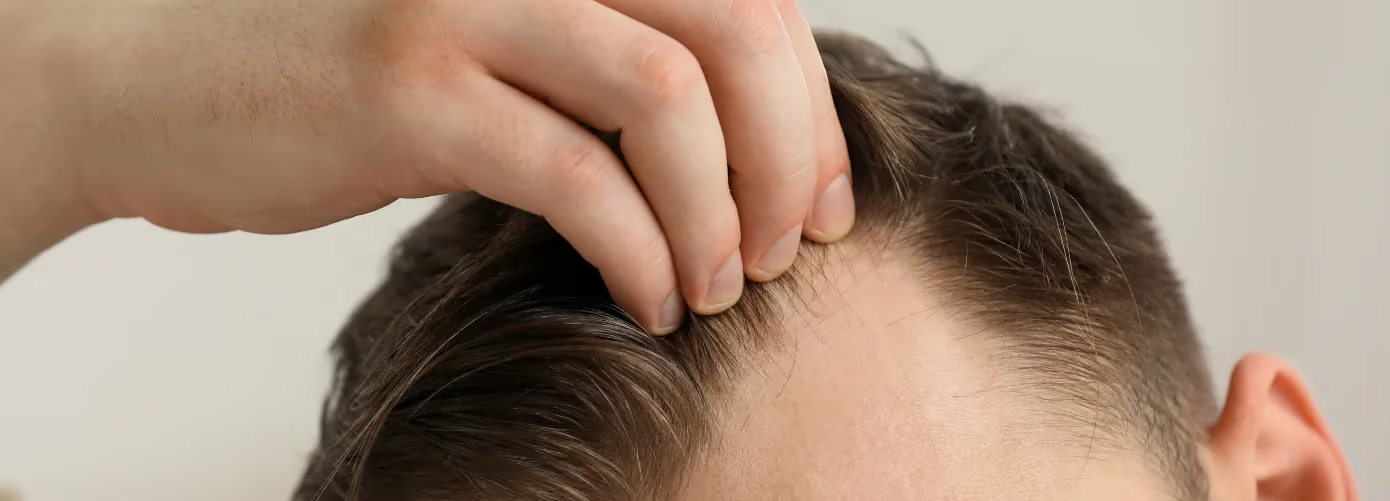
Hair loss changes more than just your appearance. It slowly chips away at your confidence, affects the way you feel about yourself, and sometimes even pushes you away from things you once loved doing, meeting people, trying new styles, and clicking pictures. That’s why when people first hear about hair transplants, the idea isn’t just about looking good. It's about feeling good again, about regaining that simple, natural confidence that hair loss had taken away.
In India, hair transplants are becoming more and more common, and the best part is, they’re far more affordable compared to many other countries. But understanding hair transplant cost in India can be confusing. You’ll hear a dozen different numbers, each sounding more complicated than the last. Some clinics throw around packages, some talk per graft, others include post-surgery care, while some don’t. It’s a maze.
That’s exactly why you’re here, and exactly why this blog is going to make everything simple and clear for you. No confusing words, no technical overload, just real talk about hair transplant cost in India, how much you should expect to pay, why costs vary, and what small natural steps, like asanas for hair transplant cost support, can do to make your transplant more successful.
Let’s get into it.
Why Hair Transplants Are So Popular in India
India is not just leading in affordable healthcare today, but also in high-quality hair transplants. Modern clinics in cities like Delhi, Mumbai, Bangalore, Hyderabad, and Pune offer advanced techniques, skilled surgeons, and great aftercare, often at a fraction of the price you’d pay in the US, UK, or Europe.
People from all over the world now travel to India for their hair restoration journeys. And it’s easy to see why:
International level treatments
Certified and highly experienced surgeons
Natural-looking results
Personalised care
Cost-effective options
Plus, there’s a cultural aspect too. Hair has always been tied to youth, energy, and vitality in India. When you start to lose it early, it’s not just vanity, it genuinely affects how you see yourself and how others see you too.
How Much Does a Hair Transplant Cost in India?
When you think about hair transplant cost in India, you might imagine hefty bills, but the reality is quite different. India offers affordable options while maintaining world-class quality. The price of a hair transplant can vary significantly depending on several factors, and it’s important to have a realistic idea of what to expect.
The cost of hair transplants can differ based on the city you choose for your procedure. The reason for these differences largely comes down to the cost of living, the level of expertise available in each area, and the reputation of clinics in that region. Here's an overview of how much you can expect to pay across major cities:
Delhi: As the capital city, Delhi has a large number of well-established hair transplant clinics offering advanced procedures. The average cost ranges from ₹30,000 to ₹1,20,000 for a complete hair transplant procedure.
Mumbai: Being a commercial hub and home to some of India’s best cosmetic surgeons, Mumbai tends to be on the pricier side. You can expect to pay anywhere between ₹40,000 and ₹1,50,000, depending on the clinic and procedure type.
Bangalore: Known for its tech industry, Bangalore also offers competitive prices. A typical hair transplant can cost between ₹35,000 and ₹1,00,000, making it a popular choice for those seeking good value for money.
Hyderabad: Hyderabad offers excellent value, with costs ranging from ₹30,000 to ₹1,00,000. The city is known for its skilled doctors and affordable treatments, making it a hotspot for hair transplants.
Pune & Chennai: These cities also offer quality services, with costs generally ranging from ₹25,000 to ₹90,000. Though not as expensive as Mumbai or Delhi, they offer reliable treatment options.
Ahmedabad: A more budget-friendly option, the cost here typically ranges between ₹25,000 and ₹85,000, with plenty of options available for those looking to keep costs down without compromising on quality.
While the cost of hair transplants in these cities can vary, all offer top-notch facilities and skilled professionals, making India a popular destination for hair restoration procedures.
Key Factors Affecting the Cost of Hair Transplants
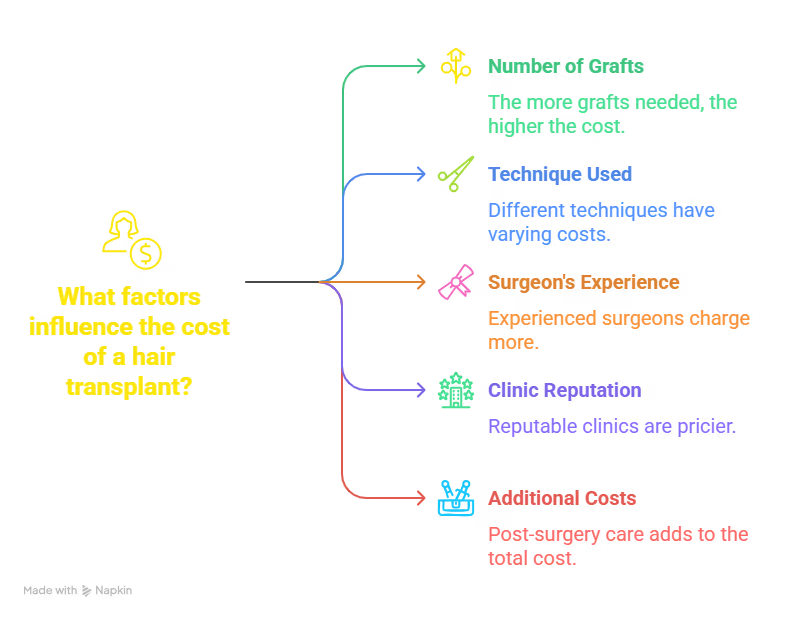
Now that you have a general idea of how much to expect, it’s time to dig into the factors that influence hair transplant cost in India. Knowing what drives these prices can help you make an informed decision and avoid surprises.
1. Number of Grafts Required
One of the biggest determinants of cost is the number of grafts needed. A graft is essentially a small section of skin that contains one or more hair follicles. The more grafts required, the higher the price.
For example, if you only need to cover a small bald patch, you might need around 1,000 grafts. However, if you’re looking to cover a larger area, like a receding hairline or a bald crown, you could need anywhere from 3,000 to 4,000 grafts. The cost of each graft typically ranges between ₹20 to ₹120, depending on the clinic and procedure. So, the larger the area, the more you’ll pay.
2. Technique Used
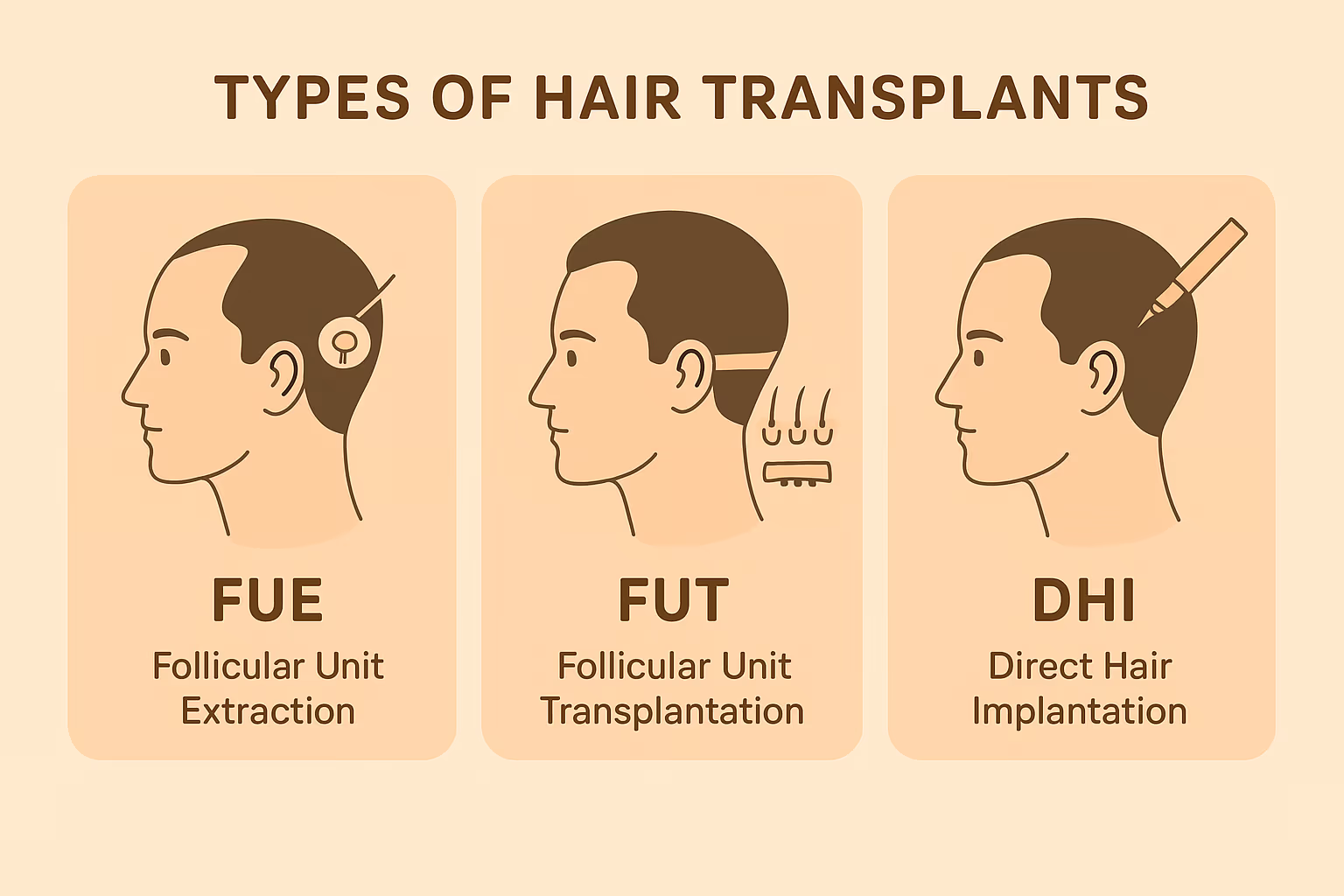
Different hair transplant techniques have different costs associated with them. Here's a breakdown of the most common methods:
FUE (Follicular Unit Extraction): This is the most popular method and involves extracting individual hair follicles from the donor area and implanting them into the balding area. FUE is minimally invasive and provides natural-looking results. The cost for FUE typically ranges between ₹30 to ₹100 per graft.
FUT (Follicular Unit Transplantation): Known as the "strip method," FUT involves removing a strip of skin from the donor area and dividing it into individual grafts. While FUT is generally more affordable (₹20 to ₹70 per graft), it comes with a slightly higher risk of scarring.
DHI (Direct Hair Implantation): This is a newer method where hair follicles are implanted directly into the scalp without creating holes or slits. It’s more advanced and results in quicker recovery times, but it is also more expensive, with prices ranging from ₹70 to ₹150 per graft.
Each method has its pros and cons, but the technique chosen will directly affect your overall cost.
3. Surgeon’s Experience and Reputation
The experience and reputation of the surgeon you choose can significantly impact the cost. Surgeons with years of experience and a solid track record of successful procedures tend to charge more. High-end clinics with well-known doctors may also have higher prices. However, opting for a less experienced surgeon might save you money, but it could increase the risk of complications.
While it's tempting to choose the cheapest option, always prioritise the quality and skill of the surgeon. Remember, this procedure can change your appearance, so it’s worth investing in a skilled professional.
4. Location and Clinic Reputation
As mentioned earlier, different cities in India offer varying prices. But within each city, costs can also vary depending on the clinic’s reputation. Well-established, high-end clinics with state-of-the-art equipment may charge higher rates than smaller clinics or those with fewer facilities.
While it's tempting to go for a cheaper clinic, don’t compromise on the quality of care. Check reviews, ask for before-and-after pictures, and ensure that the clinic follows all necessary health and safety regulations. Sometimes, paying a bit more for a clinic with excellent facilities can lead to better results in the long run.
5. Additional Costs (Post-Surgery Care, Medications, PRP)
There are additional costs to consider beyond the surgery itself. Many clinics offer post-surgery care packages that may include things like medications, follow-up visits, and PRP (Platelet-Rich Plasma) therapy to help accelerate hair growth. These treatments can cost anywhere from ₹5,000 to ₹20,000, depending on the type and number of sessions.
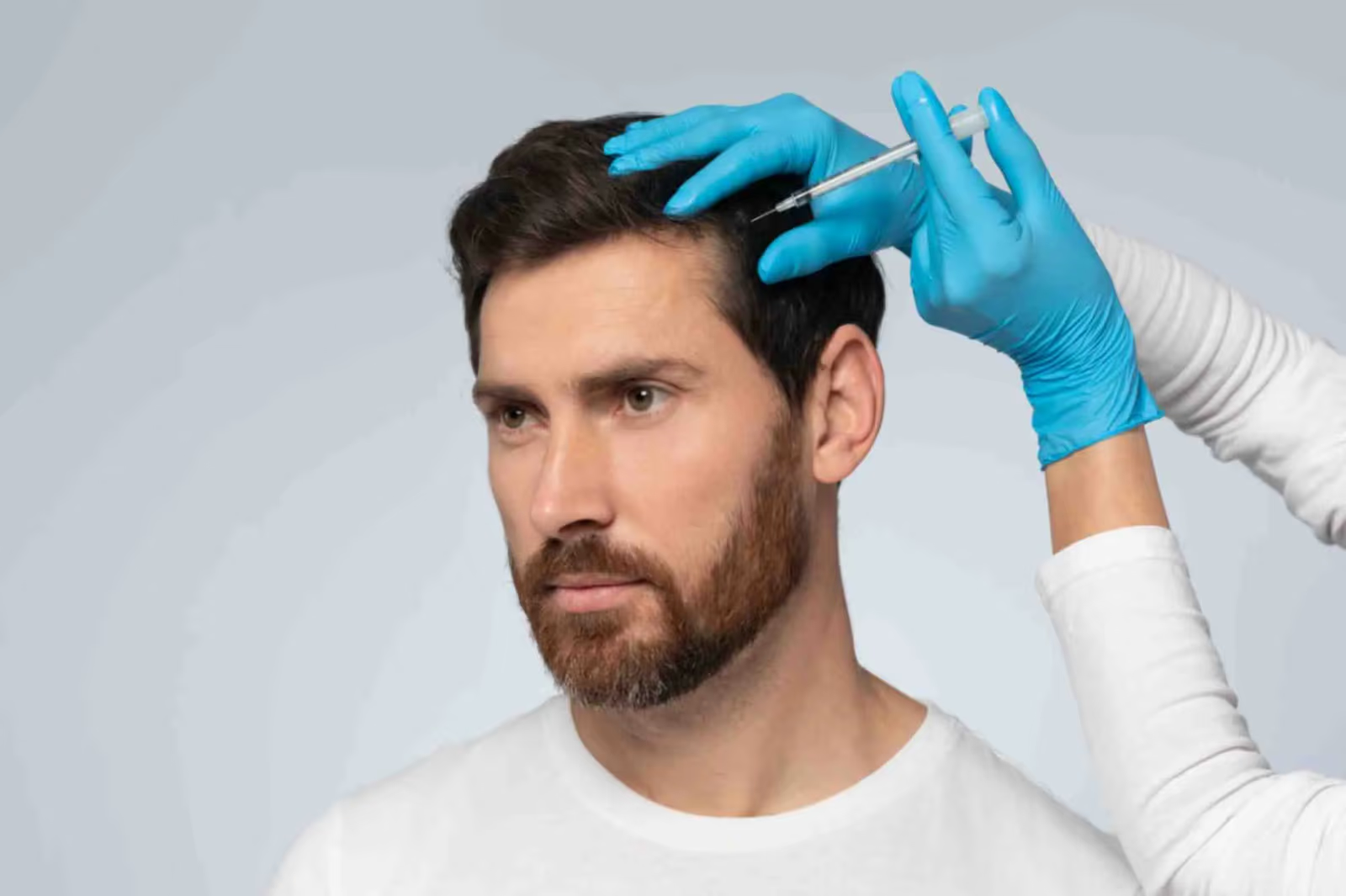
PRP therapy involves using your blood’s platelets to stimulate hair growth and improve the overall health of your scalp. While it’s not mandatory, many patients opt for this treatment to enhance their hair restoration results.
Will Insurance Cover Hair Transplants?
The short answer: no. Since hair transplants are considered cosmetic and not a medical necessity, insurance policies usually don’t cover them.
However, if your hair loss is due to an accident, surgery, or any health condition, some part of the cost may be reimbursable in special cases. You’ll need to check this carefully with your provider.
Who Makes a Good Candidate for a Hair Transplant?
Hair transplants can work wonders, but they’re not the right fit for everyone. Certain conditions need to be met for the procedure to be effective and long-lasting. Here’s what usually makes someone a suitable candidate:
You have noticeable hair loss but still enough healthy hair at the back or sides of your scalp (this becomes the donor area for transplantation).
Your hair loss is genetic, like male or female pattern baldness, rather than caused by underlying medical issues or sudden illnesses.
You’re generally healthy. Conditions like uncontrolled diabetes, blood clotting disorders, or chronic scalp infections can affect healing and results.
You know what to expect. A transplant can definitely bring back hair and confidence, but it won’t give you the same density or thickness you had as a teenager.
In short, if your hair loss is stable, you have enough donor hair, and your expectations are realistic, you’re likely a good fit for the procedure.
Types of Hair Transplants: Which One Is Right for You?
Understanding the types of hair transplant methods available is essential when determining which procedure best suits your needs. Let’s explore the three main types of transplants performed in India.
1. FUE (Follicular Unit Extraction)
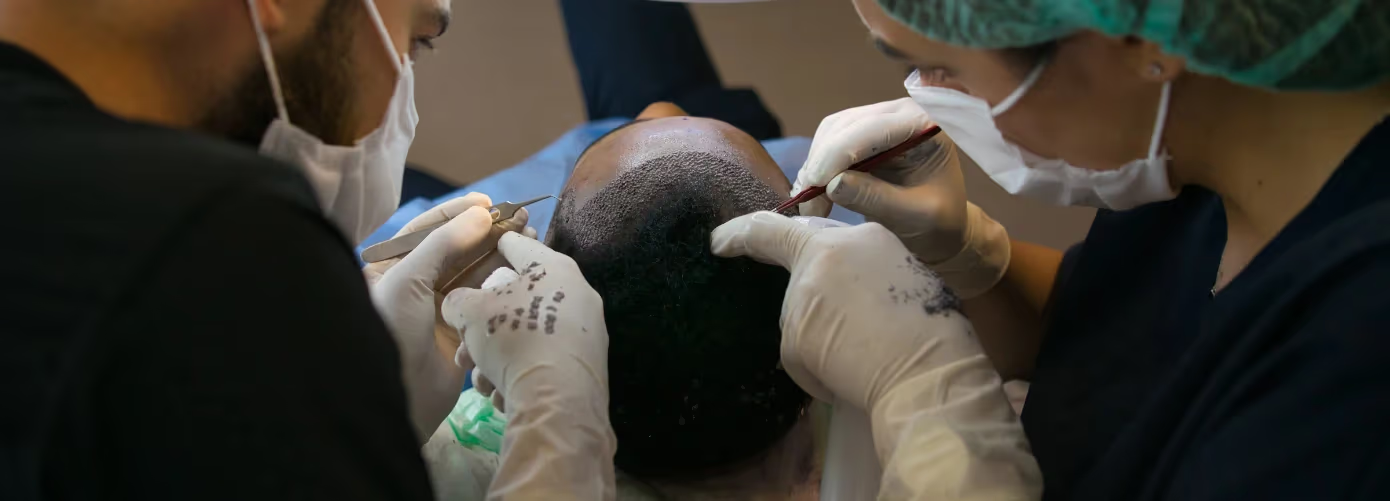
FUE is the most commonly used hair transplant technique. In this method, hair follicles are extracted from a donor area (usually the back of your head) using a tiny punch tool. These follicles are then implanted into the bald or thinning areas of your scalp.
Advantages of FUE:
No large incisions or stitches required
Minimal scarring
Faster recovery time
Cost Range: ₹30 to ₹100 per graft
FUE is the go-to choice for those who want a natural-looking hairline with minimal scarring and a quick recovery.
2. FUT (Follicular Unit Transplantation)
The FUT method, also known as the "strip method," involves removing a strip of skin from the donor area, then separating it into individual follicular units to transplant. While this method has a longer recovery time, it can be more affordable for people needing a larger number of grafts.
Advantages of FUT:
More cost-effective than FUE
Suitable for patients needing a large number of grafts
Cost Range: ₹20 to ₹70 per graft
FUT is a great option if you’re looking for a more budget-friendly choice with excellent results, especially if you have extensive hair loss.
3. DHI (Direct Hair Implantation)
DHI is the most advanced hair transplant method available today. It’s similar to FUE, but the main difference is that the hair follicles are implanted directly into the scalp using a specialized pen-like tool, without the need to create any incisions or slits. This method allows for more precision, leading to faster healing and better results.
Advantages of DHI:
Quick recovery
More precise implantation
Minimal scarring
Cost Range: ₹70 to ₹150 per graft
If you’re looking for the most advanced and precise hair transplant method, DHI offers the best results, though it comes at a higher price point.
Final Thoughts: Is a Hair Transplant Worth It in India?
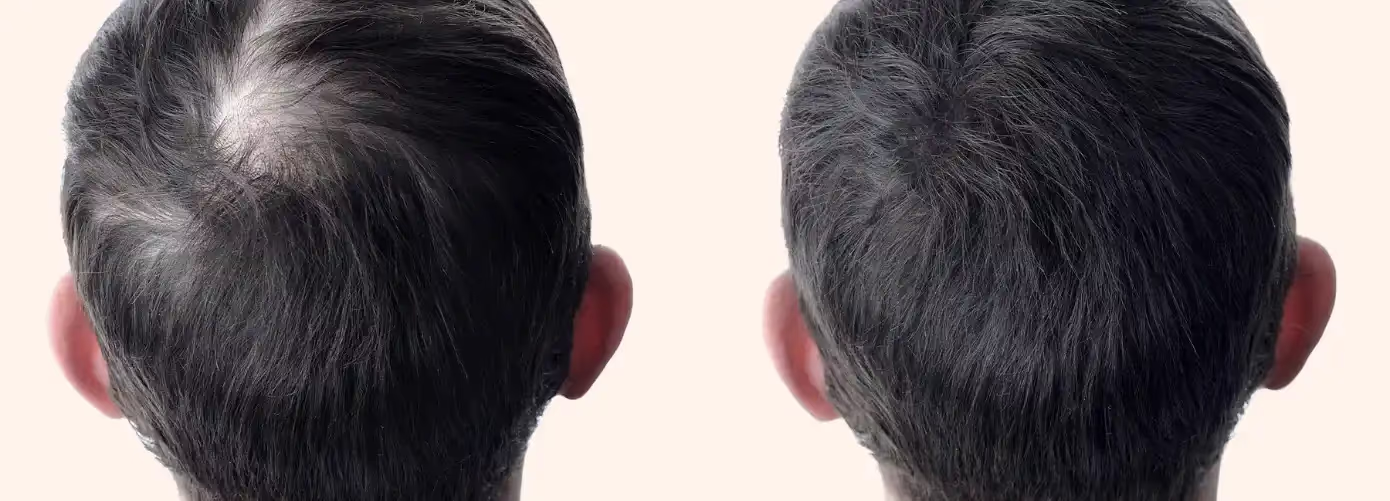
If hair loss has been making you feel unlike yourself, a transplant can be a life-changing decision. When done right by a skilled surgeon and supported by good post-care, the results are not just visible on your head but deeply felt in your heart, too.
India offers some of the best quality hair transplants at a cost that’s much more accessible than you might think. Whether you choose Delhi, Mumbai, Hyderabad or any other city, the right care, surgeon, and mindset will help you move forward confidently.
Hair transplants are not just about changing how you look. They're about getting back the part of yourself you miss the most.
And yes, that first new hair you spot in the mirror? It feels just as amazing as you imagine.