Vitamin C for a Glowing, Heathy skin | VLCC | VLCC
Skin
Power of Vitamin C for the Skin: Benefits, Causes, and Treatment
V
VLCC
Oct 8, 2024·5 min read
Vitamin C has lately become a superstar at achieving healthy, youthful-looking skin. This antioxidant comes in various forms in skincare products such as serums, creams, and treatments. Vitamin C helps enrich the look of skin with brightening and even skin tone, fighting free radical damage, among others.
Here, we'll cover everything you want to know about Vitamin C for the skin, including causes, benefits, treatment options, and most importantly, the best ways of how this wonder ingredient should be placed in your daily regimen.
What is Vitamin C?
Vitamin C, also known as ascorbic acid or L-ascorbic acid, is one of the must-have water-soluble vitamins necessary to maintain healthy skin. It is most renowned for its role as an antioxidant that neutralizes free radicals produced by environmental stressors such as ultraviolet rays, pollution, and toxins. These free radicals promote early aging and cause melanin-related pigmentation, besides hurting the cells of the skin.
Although Vitamin C occurs naturally in many fruits and vegetables, it's most often used in skincare serums, moisturizers, and treatments because it absorbs concentrated benefits directly into the skin.
Skin Issues Vitamin C Helps Address
The skin is subjected to various issues every single day due to aging, environmental factors, and lifestyles. The following illustrates how Vitamin C works on such skin issues:
Sun Damage and UV Exposure: Prolonged exposure to UV rays causes sunburn, hyperpigmentation, and damage to collagen fibers. Vitamin C reduces the oxidative stress induced by UV radiation and protects against further damage.
Fights pollution and Environmental Toxins: Pollution refers to the invasion of free radicals in the skin resulting in inflammation, dullness, and early aging. Vitamin C is perceived to nullify the effects of the invaders because it shields the epidermis from harmful pollutants that assist in reducing damages connected with pollution.
Aging: As one grows older, skin naturally loses its collagen, resulting in wrinkles, fine lines, and droopy skin. The vitamin is very essential in the creation of collagen, hence maintaining skin elasticity and making one look less aged.
Hyperpigmentation and Dark Spots: Overproduction of melanin leads to dark patches and patchy skin, which could be because of exposure to excessive sunlight, acne scars, and even hormonal changes. Vitamin C acts to increase the resistance of melanin production, thereby leading to brighter and more evenly toned skin.
Acne and Blemishes: Inflammation is the result of acne. When the acne lesion heals, it leads to post-inflammatory hyperpigmentation (PIH). Post-inflammatory hyperpigmentation is that condition where dark spots prevail over the skin. Vitamin C inhibits the inflammation process and overproduction of melanin, thereby accelerating the healing process and minimizing scarring.
Benefits of Vitamin C to the Skin
Vitamin C offers several benefits to the skin, hence a must-have in any skincare routine. Among the most significant advantages of using Vitamin C include:
Brightens Skin Tone: One of the most significant benefits that Vitamin C provides is that it brightens the complexion, helping to reduce pigmentation and even out the tone. It blocks the tyrosinase enzyme, which serves as the activator for melanin pigment production. The constant use of Vitamin C helps to give one a more radiant, healthy, glowing complexion appearance.
Reduce Hyperpigmentation and Dark Spots: If you have dark spots or an uneven skin tone due to sun exposure or acne, Vitamin C fades the marks over time. It prevents overproduction of melanin, which causes your skin to even out. This makes it an excellent choice for those who have a problem with hyperpigmentation or age spots.
Collagen Booster: When age increases, then the production of collagen decreases, resulting in wrinkles and loose skin. Vitamin C enhances the production of collagen to maintain the beautiful looking, soft, and plumped-up skin that has fewer fine lines and wrinkles.
Acts As Antioxidant: The aggressors playing around with our environment-pollution, UV rays, and toxins-all those result in free radicals that cause oxidative stress in the skin, inflammation, dullness, and early aging of the skin. Vitamin C acts as an antioxidant and inhibits free radicals from causing further damage to the skin.
Enhances Skin's Natural Defence System: Vitamin C not only acts as a potent antioxidant but also stimulates the skin's natural defense. It enhances the barrier function of the skin, empowering the skin to fend off even external irritants like pollution and UV radiation more effectively.
Reduces Redness and Even Out Skin Tone: Vitamin C also possesses anti-inflammatory properties that regulate redness, irritation, and inflammation. Hence, this vitamin proves to be an excellent treatment for conditions like acne, rosacea, and eczema. It soothes the skin, contributing to minimizing unevenly colored areas of the skin.
Accelerates Wound Healing Process: With the ability to improve collagen production and reduce inflammation, Vitamin C also accelerates the healing rate of smaller cuts, wounds, or acne scars. In this way, it fits the bill for acne-prone skin or individuals with hyperpigmentation resulting from inflammation.
Improves Hydration:Vitamin C improves the moisture content of the skin through its ability to fortify the skin's barrier function and lowers its water loss. This allows the skin to look plumper, more hydrated, softer, and smoother.
How to Apply Vitamin C to the Skin
Vitamin C is one of the most aggressive weapons for achieving healthy skin, aside from brightening your complexion, reducing signs of aging, and providing protective effects against environmental damage. However, when it comes to applying any skincare product, technique is the key to avoiding side effects.
Pick a Potential Serum
Vitamin C serum should always come with a concentration between 10% and 20%. Less than that will not bring about any of the promised benefits, and anything more is much more likely to irritate your skin without adding any value.
Choose the Right Combination
Be gentle if you apply a vitamin C serum in addition to other acidic skincare products, such as retinol. Used at the same time, they can be irritating to your skin. Apply them on alternative days instead.
Use L-Ascorbic Acid
This is the most active, and best studied, topical vitamin C. Other types, less potent, such as magnesium ascorbyl phosphate or ascorbyl palmitate, can sometimes be found in skin care. Check the label so that you get the kind with the most evidence behind it.
Patch Test Safety
For a new vitamin C product, one must always patch-test first for allergic reactions. Here's how:
Pick a small and inconspicuous area like your forearm.
Apply a small amount of the product on that spot and wait for 24 hours.
If after 24 hours there is still no irritation such as redness, rash, or any kind of hives, then it is safe to apply it on your face.
Cleanse: Start with cleansing since it would wash off all the dirt, oil, and makeup on the face.
Apply Vitamin C Serum: Apply several drops of Vitamin C serum to your face and neck after having cleansed it. Massage that serum into your skin well.
Lock it with moisturizer: In the second step, you are to apply a moisturizer in follow-up after locking up the serum. This will ensure you keep hydrated skin.
SPF: Because Vitamin C makes your skin sensitive to the sun, you should layer over it with a broad-spectrum SPF in the morning.
Incorporating Vitamin C serum into your regimen ensures your skin remains radiant, youthful, and protected from environmental stressors.
Eat your fruits and Vegetables
It's not all lotions and serums. Vitamin C in food helps maintain healthy skin, too. Citrus fruits, tomatoes, peppers, kiwis, and strawberries are some of them.
Potential side effects and risks
You should always do a patch test before a full application. Even though irritation is unlikely, this is the only way to determine how your skin will react to the serum.
A product containing magnesium ascorbyl phosphate could also be less likely to cause irritation. If you have very sensitive skin, avoid products that contain L-ascorbic acid.
Vitamin C Therapy at VLCC
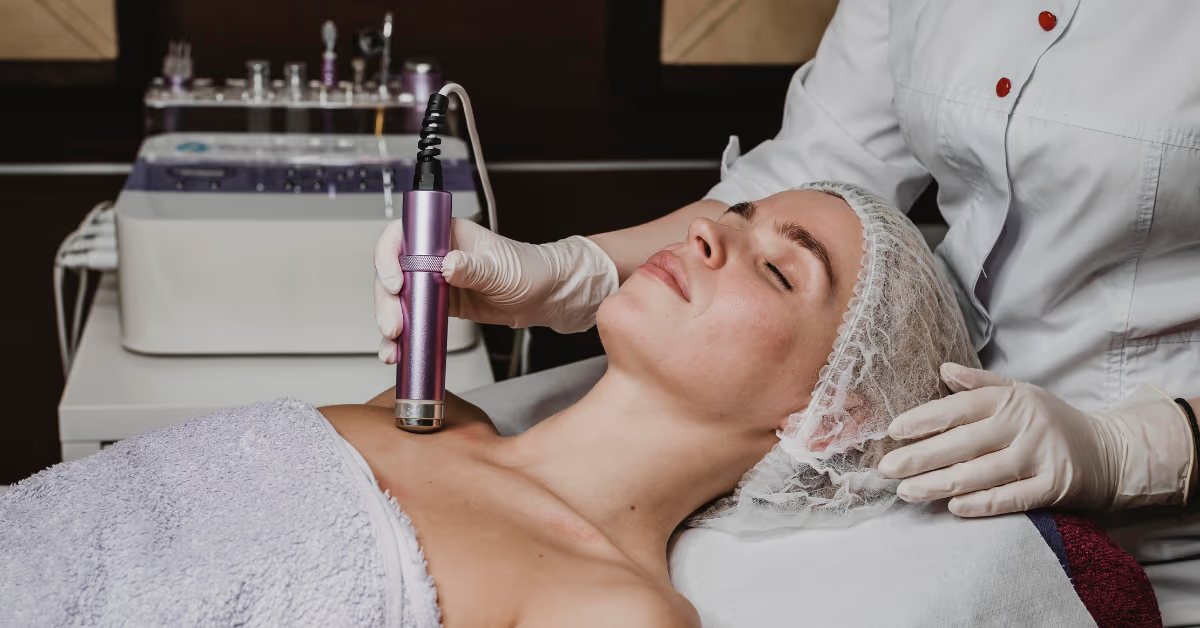
At VLCC, we have customized Vitamin C treatmentsto arrive at solutions for pigmentation, uneven color tone, dullness, and even evidence of aging on the skin. Our treatments are customized according to individual skin types and are carried out by skilled skincare professionals to come up with the best possible results.
Customized Vitamin C Facials: It utilizes the application of high-potency Vitamin C formulations to create brightening, hydration, and revitalization through facials.
Vitamin C Peels: For those with more serious pigmentation or who have acne scars, a vitamin C peel might bring deeper exfoliation and rejuvenation to the skin.
Choosing VLCC as your skincare and wellness destination is a choice made through expertise, quality, and personal care. VLCC has, over the last three decades, strived at creating a holistic marriage of the most modern advanced technology and traditional wisdom to create effective treatments that vary and suit each person's specific needs. Trained professionals at VLCC ensure that services like vitamin C treatments and even microneedling and other skin treatments are carried out to the highest standards of safety and care.
It is at VLCC that we believe your journey to wellness is important, and we hold consultations to design tailored treatment for you to meet your ends. Only premium products are used in order to provide you with the very best results, which will improve both your looks and lifestyle. Focusing on bringing holistic wellness, VLCC empowers you to get radiant skin and balance the lifestyle. With the topmost priority of your health and beauty, experience the difference with VLCC.
Frequently Asked Questions About Vitamin C for the Skin
Is Vitamin C Safe for My Face Daily?
Yes, it is absolutely safe to apply Vitamin C serum daily. Actually, the more you use Vitamin C serum, the healthier, brighter, and stronger your skin will be at safeguarding itself against environmental damage. However, if you have sensitive skin, introduce it gradually to your routine.
Does Vitamin C lighten skin?
Absolutely! Vitamin C is known to lighten up your skin. It acts as an inhibitor of melanin production, fading dark spots, and making your skin glow.
Which Vitamin C is the Best for Skin?
To choose the best serums, look for products containing L-ascorbic acid, the most stable and powerful form of Vitamin C. It is ideal when made between 10-20% concentration to achieve optimum performance without irritation.
Does Vitamin C Help Purify Your Skin?
Yes, Vitamin C can clean up your skin because it will reduce acne scars, hyperpigmentation, and redness. The anti-inflammatory and antioxidant properties of Vitamin C combined with their strong functionality make them perfect for acne-skinned beauties.
Does vitamin C work well with other skincare ingredients?
Yes, Vitamin C can be used together with other skincare ingredients such as hyaluronic acid and niacinamide. However, it should be best to avoid mixing this with retinol or exfoliating acids because this can irritate the skin.
How Long Does It Take to See Results from Vitamin C?
You may start seeing the effects of Vitamin C within 2 to 4 weeks once you apply it. Your skin will look brighter and more radiant, with fewer dark spots and wrinkles.
Is Vitamin C Suitable for Every Skin Type?
Yes, but the truth is Vitamin C is universally safe for any kind of skin, although people with sensitive skin can use the lower concentration first.