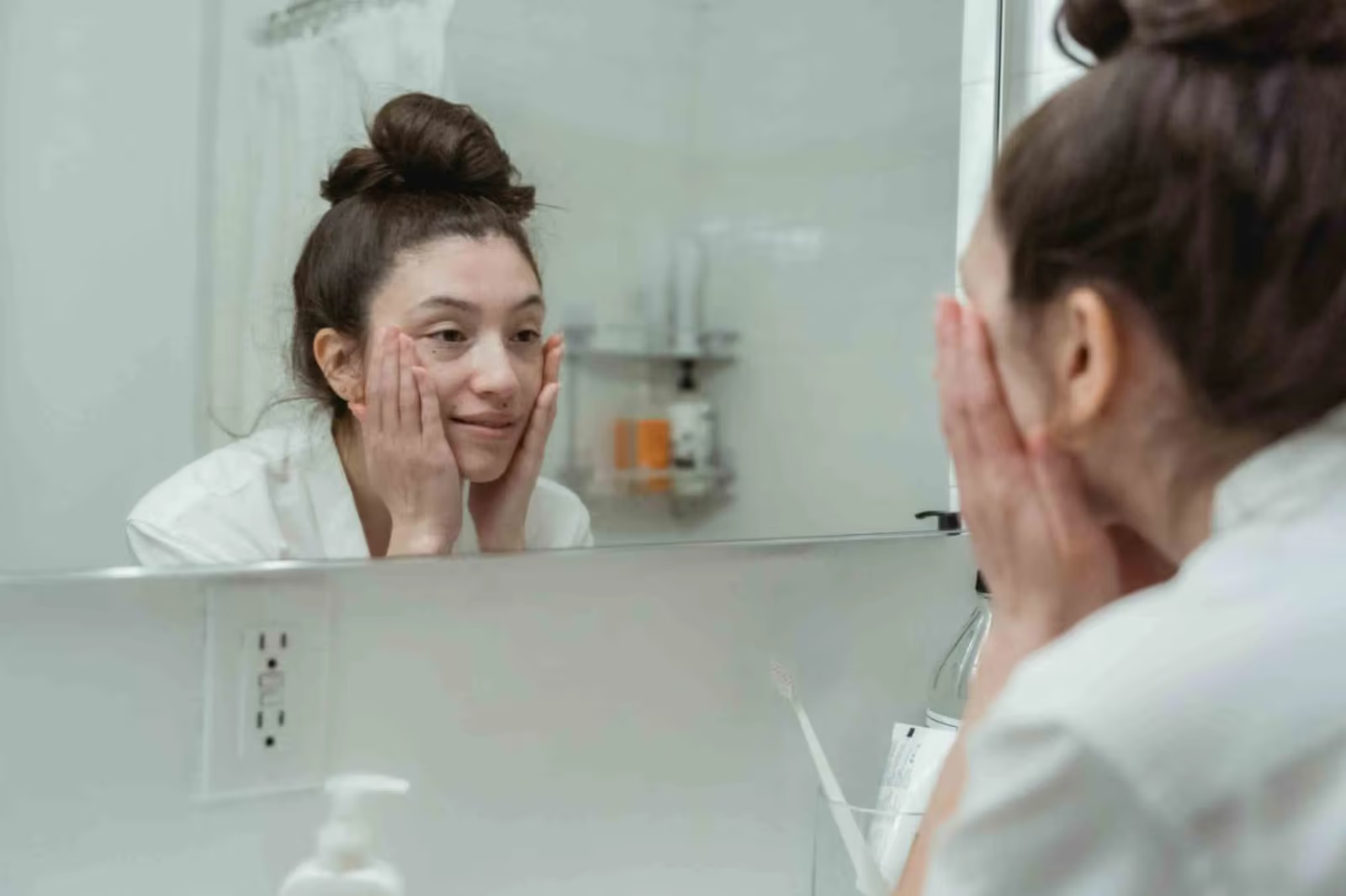
Skin Whitening Treatment in India: Costs, Facial Types, and Results | VLCC
Skin
Skin Whitening Treatment in India: Costs, Facial Types, and Results
S
Skin-whitening-treatment
Sep 3, 2024·5 min read
A skin whitening treatment can get you curious for a number of reasons. Whether you wish to maintain an even skin tone across all your body parts or are looking to up the tone of your face, arms, or hands, the right treatment can do it all for you. However, finding the "right treatment" can be challenging at times. Using our expertise as a leading dermatology company in India, in this blog, we discuss skin brightening and whitening treatments in detail, helping our readers find the right pick for themselves.
What is skin whitening?
Skin whitening is a cosmetic procedure that uses chemical products and treatments to reduce the amount of melanin in the skin, eventually making it appear lighter and brighter. In most cases, individuals go for this treatment to obtain an even skin tone.
Most of the skin whitening treatments involve the use of Hydroquinone (HQ) for lightening the skin tone and reducing hyperpigmentation. Other chemicals used in the procedure are arbutin, azelaic acid, glycolic acid, kojic acid, liquorice extract (glabridin), mequinol, paper mulberry, soy, vitamin C, niacinamide, and melatonin.
Key benefits of skin brightening include:
Even skin tone: Helps to even out discolouration and reduce the appearance of dark spots.
Enhanced radiance: Gives your skin a natural, healthy glow.
Refined texture: Promotes smoother, softer skin by encouraging the shedding of dull, dead cells.
Skin whitening vs skin brightening
Before you go for a treatment, it's crucial to understand the difference between skin whitening and brightening. So, let's distinguish.
Selecting the ideal skin treatment depends on specific skin concerns, age, and treatment goals. Here’s a guide to VLCC’s specialized treatments to help you decide:
1. Tubelite micro peel skin whitening treatment
If your skin looks dull, lacks radiance, or feels lifeless, the Tubelite micro peel can be an ideal choice. This treatment gently exfoliates the skin, removing dead skin cells and stimulating the skin’s natural rejuvenation process. It helps restore a youthful, glowing complexion and is perfect for people who want to enhance their natural skin tone without altering it.
Additionally, it’s non-invasive and requires no downtime, making it convenient for anyone looking to improve their skin’s appearance without disrupting their daily routine.
Key benefits: Brightens the skin, reduces pigmentation, hydrates, and is non-surgical.
Best for: People dealing with dullness, mild pigmentation, or uneven skin tone.
Suitability: It is suitable for all skin types but not recommended for people with certain medical conditions, such as psoriasis or autoimmune disorders.
2. Inno peel /mango peel skin whitening treatment
If you’re struggling with dark spots, melasma, or hyperpigmentation, the Inno peel/mango peel could be the best treatment for you. This chemical peel utilises a blend of fruit enzymes and acids to exfoliate the skin and reduce pigmentation. It’s particularly effective at brightening the skin and lightening dark spots, including under-eye circles, making it a great option for those with uneven pigmentation or dark patches.
Key benefits: Reduces dark circles, brightens skin, reduces pigmentation, and is non-invasive with no downtime.
Best for: Those with pigmentation issues, melasma, or dark circles under the eyes.
Suitability: Suitable for all skin types but should be avoided by pregnant or lactating women.
3. Q-switch laser treatment
The Q-switch laser treatment is a more advanced option for more persistent pigmentation issues or deeper skin concerns such as age spots, sun damage, or acne scars. This treatment uses laser technology to target and break down pigmentation at a deeper level, significantly improving the appearance of dark spots, pigmentation, and uneven skin tone. It is particularly effective for stubborn pigmentation that other treatments may not fully address.
Key benefits: Targets deeper pigmentation, reduces dark spots, and brightens the skin.
Best for individuals with deep pigmentation issues, age spots, or sun damage.
Suitability: Safe for all skin types, but should not be used by pregnant or lactating women.
4. TCA chemical peel
TCA (Trichloroacetic Acid) peels are known for treating deeper layers of the skin, offering both exfoliation and skin rejuvenation. This treatment is especially effective for those with stubborn dark spots, pigmentation, and signs of ageing. While it provides visible results, it may require minimal downtime to let the skin heal after treatment.
Key benefits: Reduces dark spots, rejuvenates skin, improves skin texture, and is non-invasive with minimal downtime.
Best for: Individuals looking to treat deeper pigmentation, scars, or signs of ageing.
Suitability: It is suitable for all skin types, but people with sensitive skin should consult a specialist before proceeding.
Consulting with a skincare professional will help you assess your skin’s needs and determine the most suitable treatment for your skin type and concerns. Whether you want to brighten, lighten, or rejuvenate, VLCC offers a variety of skin-whitening treatments to meet your individual goals.
Is skin whitening possible? Benefits, and what not to expect
Skin whitening treatments have become increasingly popular, but it’s essential to understand what these treatments can realistically achieve and where their limitations lie. Let’s discuss what one can expect from skin whitening treatments, their benefits, and what they can’t do.
Realistic expectations from skin whitening
Skin whitening treatments aim to enhance your complexion and manage concerns such as pigmentation and uneven skin tone. Realistically, one can expect:
Even skin tone: These treatments can effectively even out skin tone by reducing hyperpigmentation and dark spots. They work by targeting melanin production and improving overall skin clarity.
Enhanced radiance: Expect your skin to look brighter and more radiant. Whitening treatments often include exfoliating and hydrating components that rejuvenate the skin and bring out its natural glow.
Benefits of skin whitening
Skin whitening treatments offer several benefits, including:
Reduction of pigmentation: These treatments can diminish the appearance of dark spots, melasma, and age spots, leading to a more uniform skin tone.
Brighter complexion: By reducing the concentration of melanin in certain areas, skin whitening can enhance your overall complexion, making your skin look brighter and more luminous.
Improved skin texture: Many whitening treatments include ingredients that exfoliate and smoothen the skin, contributing to a more even and refined texture.
Limitations of skin whitening treatments
While skin whitening treatments can offer notable improvements, they do have limitations:
Cannot change natural skin colour: These treatments do not alter your inherent skin colour but work to reduce discolourations and enhance brightness within your natural skin tone.
Temporary effects: The results may not be permanent, especially if you do not follow a consistent skincare routine. Maintenance treatments and sun protection are often required to sustain the results.
Not a cure-all treatment: Skin whitening treatments cannot address underlying skin issues such as deep wrinkles or sagging. They focus primarily on pigmentation and brightness.
By understanding both the benefits and limitations, you can better decide if skin whitening treatments align with your skincare goals and expectations.
Skin whitening treatment cost range
When considering skin whitening treatments, understanding the cost range and the factors influencing it is essential. Here’s an overview to help you navigate the pricing landscape:
General cost range for skin whitening treatments in India
The cost of skin whitening treatments can vary widely depending on several factors. At VLCC, the pricing for skin whitening treatments reflects the quality and expertise provided, ensuring effective and safe results.
Factors influencing the cost
Several factors can impact the overall cost of skin whitening treatments:
Type of treatment: Different treatments, such as facials, peels, or advanced procedures, come with varying price points. Each type offers distinct benefits and levels of intensity.
Number of sessions: The total number of sessions required to achieve the desired results can influence the overall cost. Typically, a series of sessions is recommended for optimal results.
Clinic location: Costs may vary depending on the location of the clinic and the local market rates. VLCC maintains consistent pricing to ensure quality and affordability.
Comparison with other pigmentation solutions
When compared to other pigmentation solutions, such as topical creams or over-the-counter products, professional skin whitening treatments may appear more costly. However, they often offer more significant and longer-lasting results.
Professional treatments at VLCC provide targeted, effective solutions that address deeper pigmentation issues and enhance overall skin health, whereas over-the-counter options may offer limited benefits and require prolonged use.
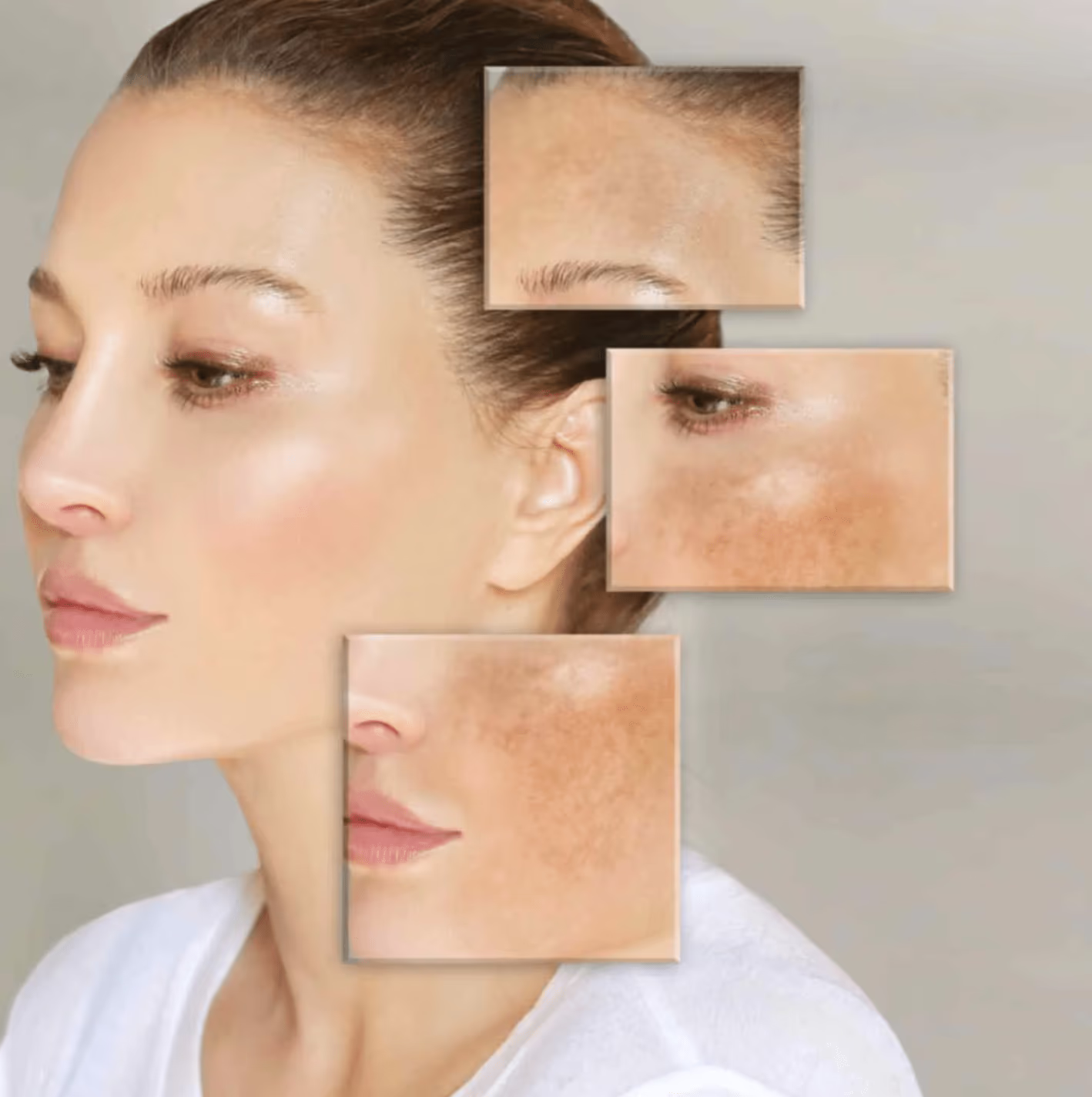
Pigmentation on the face
Facial pigmentation is a common concern that affects many individuals, impacting their skin’s appearance and confidence. Here’s an overview of what pigmentation is, its causes, and the different types you might encounter:
Overview of facial pigmentation and its causes
Facial pigmentation refers to the presence of darker patches or spots on the skin, often resulting from an increase in melanin production. Various factors contribute to this condition, including:
Sun exposure: Prolonged exposure to UV rays stimulates melanin production, leading to sunspots and uneven skin tone.
Hormonal changes: Fluctuations in hormones, such as those during pregnancy or menopause, can trigger melasma or dark patches.
Ageing: As skin ages, it may develop age spots or liver spots due to years of sun exposure.
Skin inflammation or injury: Post-inflammatory hyperpigmentation (PIH) occurs after the skin has healed from an injury or inflammation, leaving behind dark spots.
Different types of pigmentation
Understanding the types of pigmentation can help tailor the right treatment approach:
Melasma: Often linked to hormonal changes, melasma presents as symmetrical brown or grey-brown patches, commonly on the cheeks, forehead, and upper lip. It’s frequently seen in pregnant women or those taking birth control pills.
Age spots: Also known as liver spots, these are small, dark spots that appear on sun-exposed areas of the skin as people age. They result from accumulated sun exposure over the years.
Post-inflammatory hyperpigmentation (PIH): This type of pigmentation occurs following an inflammatory event, such as acne or eczema. It manifests as darkened areas where the skin has healed.
The impact of pigmentation on overall skin appearance
Facial pigmentation can significantly affect the skin’s overall look by creating uneven skin tone and dark spots. It often leads to a less radiant and youthful appearance, making the skin seem older or less vibrant.
Treating pigmentation can help restore a more even complexion and boost confidence, highlighting the importance of effective skin whitening and brightening treatments.
By addressing these concerns with the right approach, you can achieve clearer, more uniform skin and improve your overall appearance.
How facials can reduce pigmentation
Regular facials can effectively target and treat pigmentation issues through a combination of deep cleansing, exfoliation, and the application of specialised treatments. Here’s how they work and how VLCC’s facials stand out:
How regular facials help manage facial pigmentation and whiten skin
Deep cleansing: Facials start with a thorough cleanse that removes impurities and excess oils from the skin. This helps unclog pores and prepare the skin for more effective treatment of pigmentation.
Exfoliation: By exfoliating the skin, facials remove dead skin cells and promote cell turnover. This process can lighten hyperpigmentation and reveal fresher, more even-toned skin beneath.
Targeted treatments: Facials often include the application of products containing active ingredients like Vitamin C, glycolic acid, and niacinamide. These ingredients are known for their skin-brightening and pigment-reducing properties.
Hydration and repair: Many facials provide deep hydration, which helps in repairing and rejuvenating the skin. A well-hydrated skin can better absorb treatments and improve the overall appearance of pigmentation.
Overview of VLCC’s facial treatments specifically designed to target pigmentation
VLCC offers a range of specialized facials designed to tackle pigmentation issues and enhance overall skin brightness. Here’s a detailed look at these facials and their respective skin whitening benefits:
Facial Type
Key Features
How It Works
Brightening Facial
Uses advanced brightening agents and techniques to combat dark spots and uneven skin tone
Combines exfoliation with brightening serums to lighten pigmentation and enhance radiance.
Vitamin C Facial
Infuses the skin with Vitamin C, known for its powerful brightening and anti-ageing properties.
Vitamin C helps reduce melanin production and lighten dark spots while boosting skin radiance
Anti-Pigmentation Facial
Targets specific types of pigmentation such as melasma and age spots with targeted treatments and active ingredients
Utilizes specialized products and techniques to address and reduce various pigmentation issues
Exfoliation and Renewal Facial
Features advanced exfoliation methods to remove dead skin cells and improve skin texture
Exfoliates the skin to remove pigmented cells and promote the growth of fresh, even-toned sk
By incorporating these treatments into your skincare routine, you can achieve a noticeable reduction in dark spots and an overall improvement in skin tone.
Benefits of incorporating facials into a skin whitening routine
Consistent results: Regular facials help maintain and enhance the results of skin whitening treatments by continuously addressing pigmentation and promoting an even skin tone.
Professional care: Expertly administered by skilled professionals, VLCC facials ensure that you receive the best care and results tailored to your skin’s needs.
Comprehensive approach: Combining facials with other skin whitening treatments can provide a holistic approach to managing pigmentation, leading to more effective and lasting outcomes.
Incorporating VLCC’s specialised facials into your skin whitening routine can significantly improve your skin’s appearance by targeting pigmentation and enhancing overall radiance.
Conclusion
Achieving a luminous, even-toned complexion is not just a beauty aspiration; it's a way to reveal your skin's natural radiance. Skin whitening treatments offer a range of benefits, from reducing pigmentation to enhancing overall brightness and clarity.
By understanding the differences between skin brightening and lightening, and choosing the right treatment based on your individual needs, you can attain the vibrant, glowing skin you've always desired.
At VLCC, we are dedicated to providing top-notch skin whitening solutions tailored to address pigmentation concerns effectively. Our specialized facials are designed to target dark spots, even out skin tone, and bring out your skin's natural glow.
Ready to embark on your journey to brighter, clearer skin? Explore VLCC’s offerings and discover the perfect treatment for you.
Visit https://vlcc.com/ for more information and to book a consultation. Let’s transform your skincare routine and reveal your true radiance!
FAQs
Feel free to reach out to VLCC for personalized advice and expert answers to all your skincare queries.
1. How long do skin whitening treatments take to show results?
The time it takes to see results from skin whitening treatments can vary based on the type of treatment and individual skin conditions.
Generally, noticeable improvements can be seen within a few weeks to a few months of consistent treatment. For specific timelines, consult with a VLCC skincare expert.
2. Are skin whitening treatments safe for all skin types?
Skin whitening treatments are generally safe when performed by professionals. However, it’s crucial to consult with a skincare specialist to determine the most suitable treatment for your skin type, especially if you have sensitive or reactive skin.
3. Can skin whitening treatments be combined with other skincare routines or products?
Yes, skin whitening treatments can often be combined with other skincare routines or products. It’s important to discuss with a skincare expert to ensure that the products you use complement the treatment and don’t cause any adverse interactions.
4. What aftercare is recommended following skin whitening treatments?
Aftercare typically involves protecting your skin from excessive sun exposure, maintaining hydration, and following a prescribed skincare routine to support and prolong the results.
Your VLCC specialist will provide specific aftercare instructions tailored to your treatment.