About
What is Back Acne Treatment?
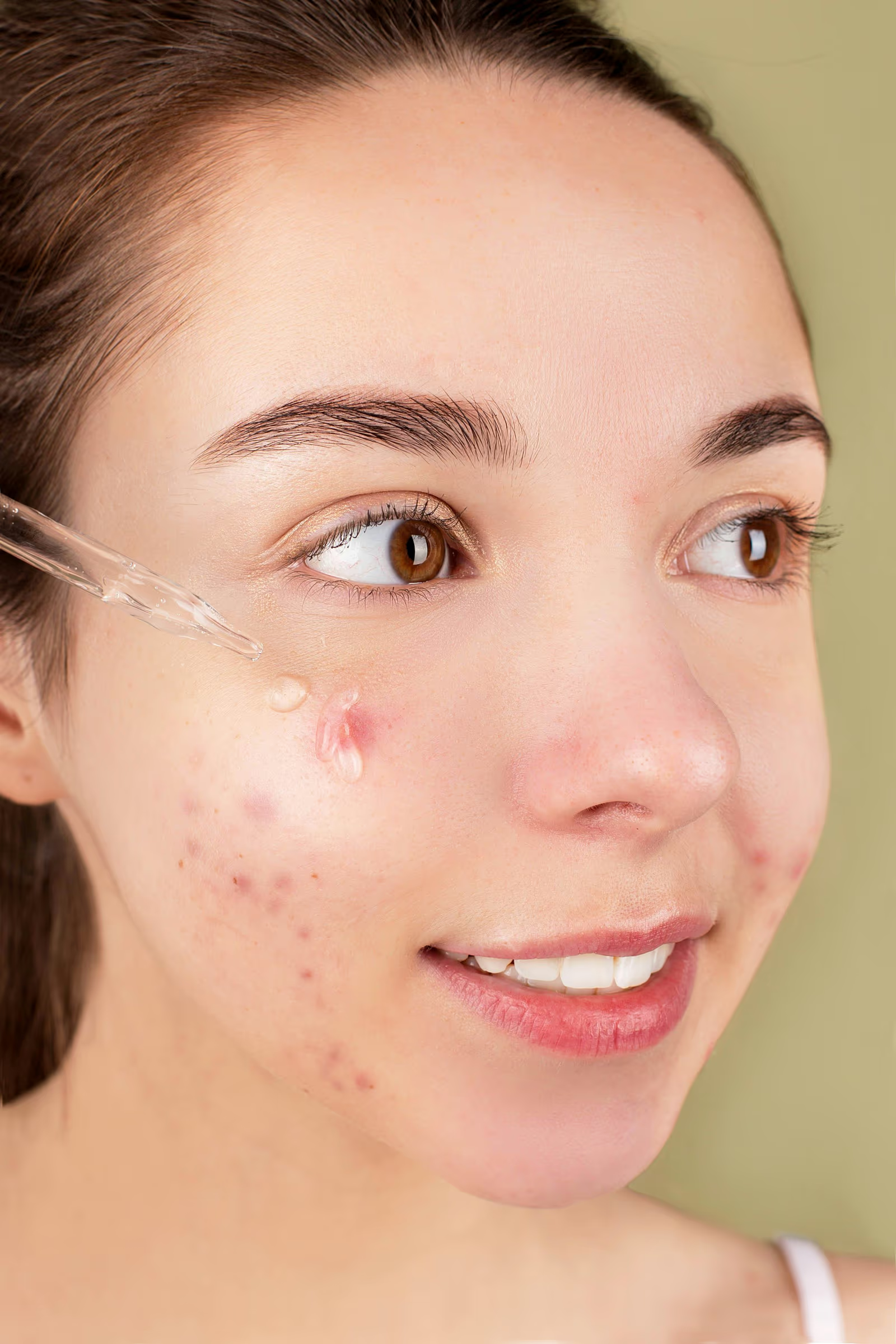
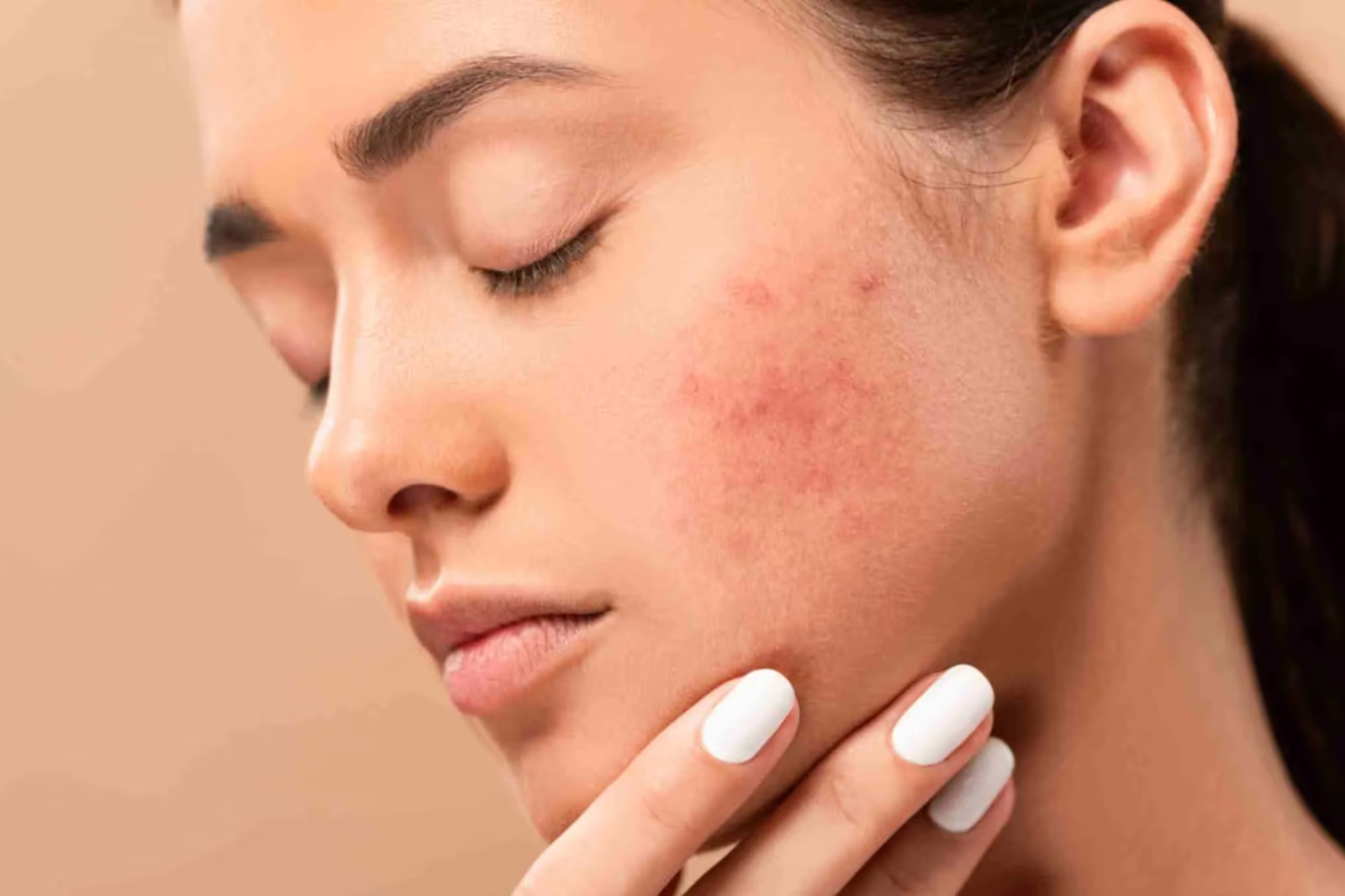
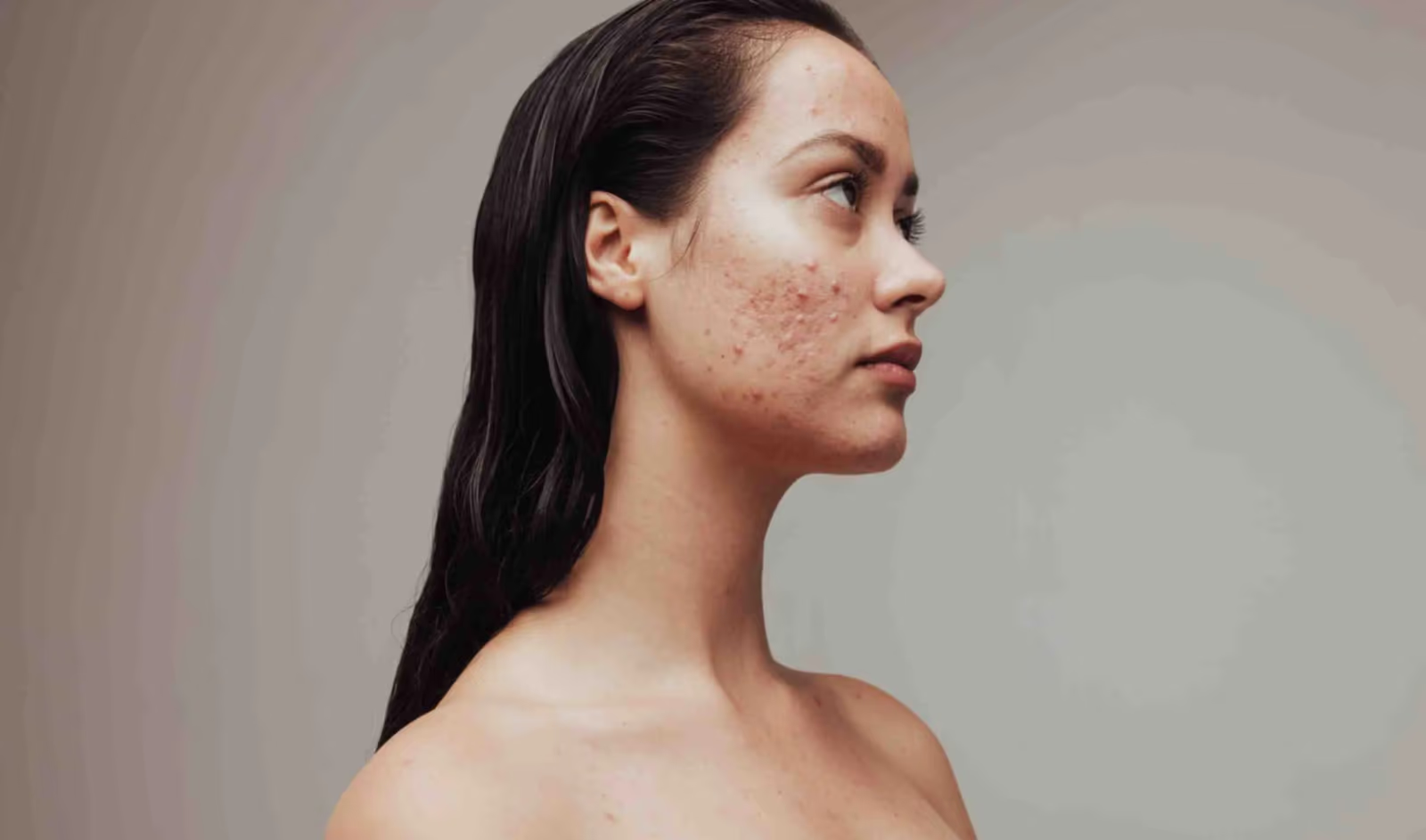
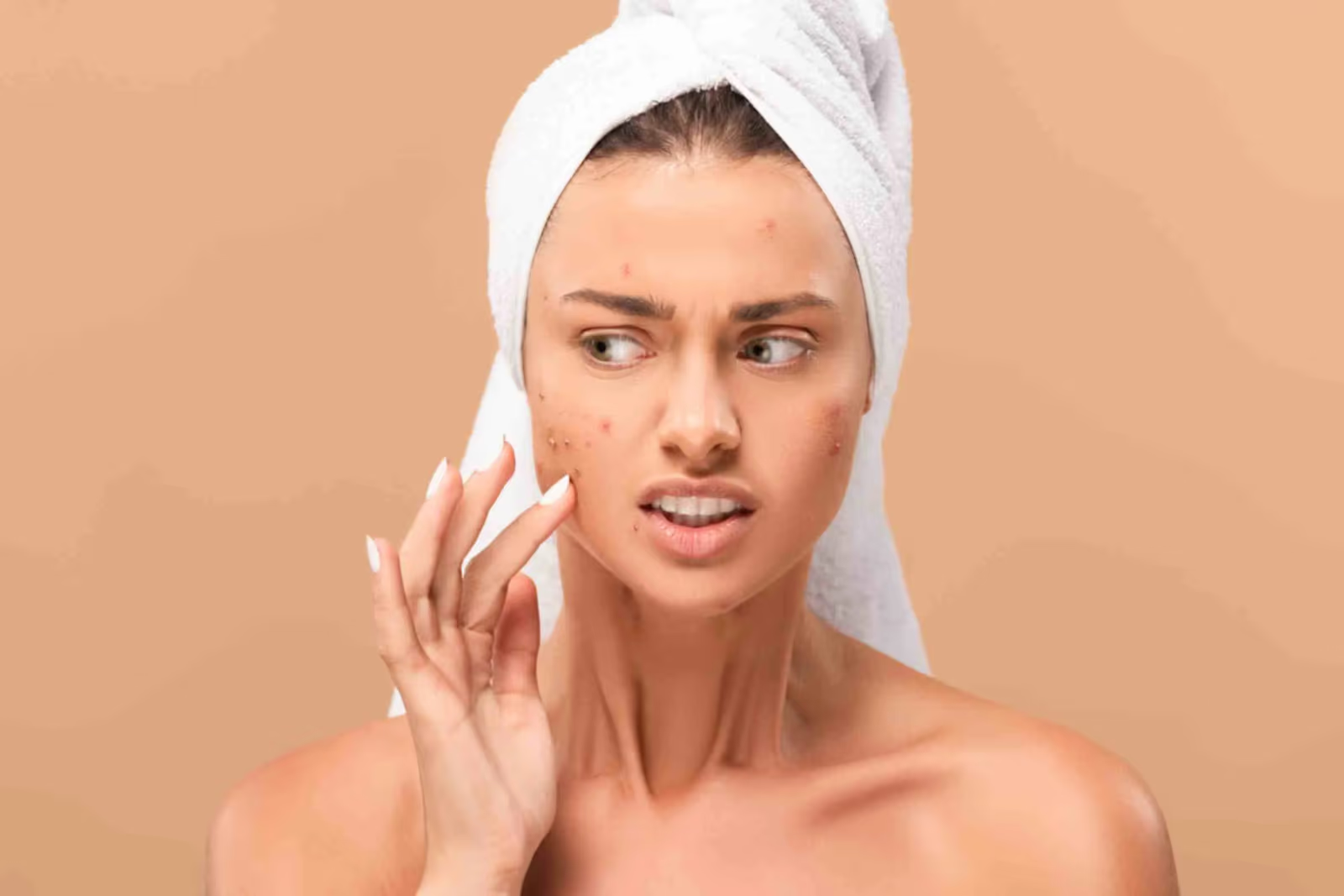
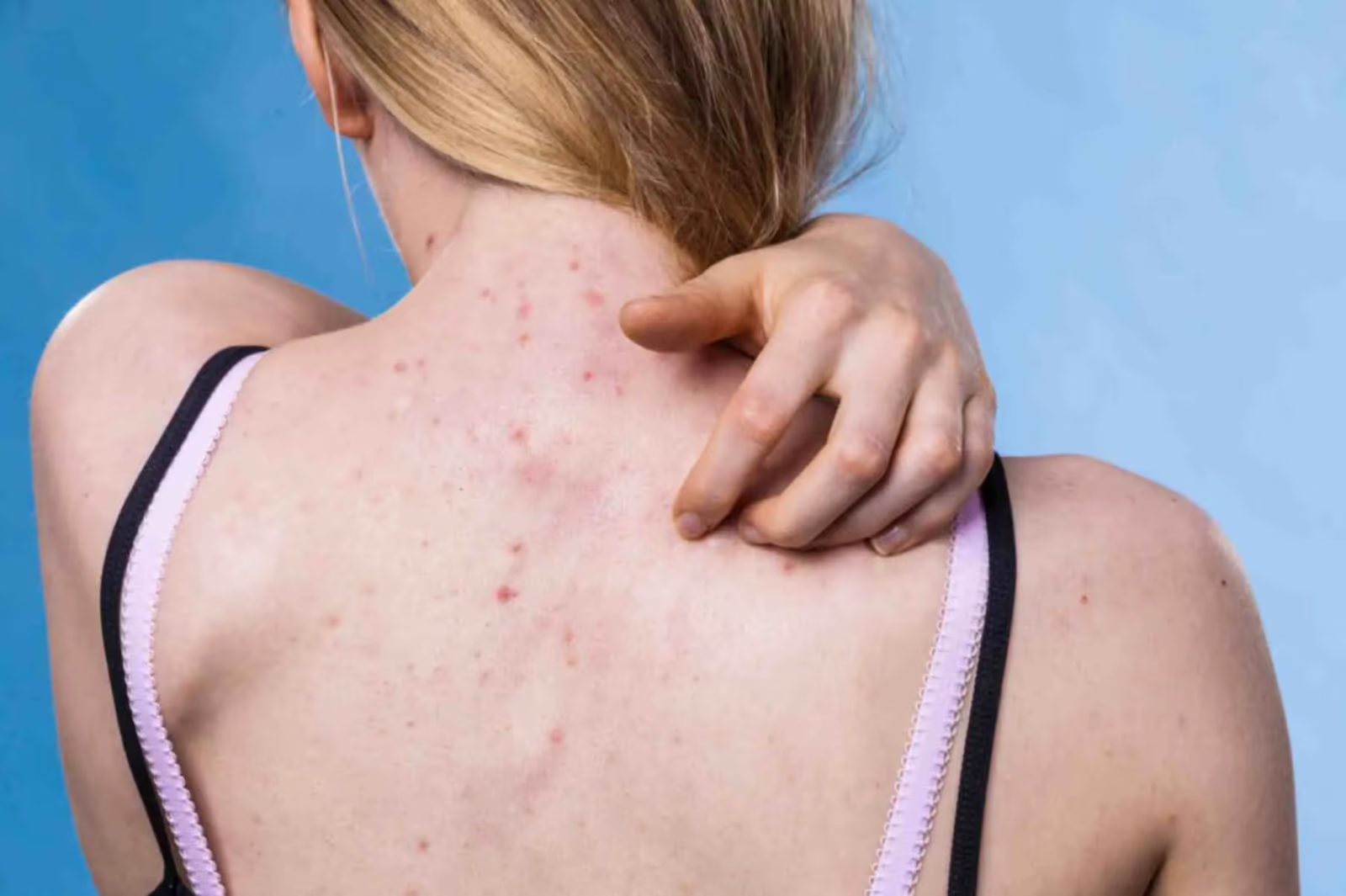
Back acne, commonly known as "bacne," refers to the appearance of pimples, blackheads, or cysts on the back. It develops when sweat, oil, dead skin cells, and bacteria clog the skin's pores, causing inflammation. While it can be painful and frustrating, there are many effective treatments available to manage and reduce it. VLCC is here to help you flaunt your backless dresses, all summer long!
Root Cause
Hormonal imbalance
Changes in hormones, often linked to puberty, pregnancy, or menstrual cycles, can trigger excess oil production, leading to clogged pores and breakouts.
Sweat and friction
Wearing tight clothing or gear, especially during workouts, can trap sweat and bacteria, exacerbating acne on the back.
Genetics
If your family has a history of acne, you may be more prone to developing it on your back and other areas.
Improper hygiene
Infrequent showering after sweating or wearing unwashed clothes can lead to clogged pores and bacne.
Dietary triggers
High-glycemic foods like white bread and potato chips can contribute to acne flare-ups, and for some, dairy might also be a culprit.
Stress
Elevated stress levels can increase cortisol production, which may lead to more sebum and eventually cause acne.
The Science Behind the Cause
Scientifically, acne develops when oil (sebum) mixes with dead skin cells and clogs pores. When bacteria enter these clogged pores, it can lead to inflammation and the formation of pimples. According to the American Academy of Dermatology, certain foods, particularly high-glycemic index carbohydrates like white bread and potato chips, may contribute to acne. For some individuals, dairy products could also act as a trigger.
Prevention & Management
Daily cleansing and exfoliation
One of the simplest yet most effective ways to tackle back acne is to maintain a regular cleansing routine. Use a body wash that contains acne-fighting ingredients like salicylic acid or benzoyl peroxide.
Shower immediately after sweating
After a workout or any activity that causes sweating, shower immediately to rinse off the sweat and dirt.
Wear breathable clothing
Opt for loose, breathable clothing made from natural fabrics like cotton, which allows your skin to breathe and minimizes irritation.
Use tea tree oil
Tea tree oil is a natural antiseptic that has been used for years to treat various skin issues. It’s known for reducing bacteria on the skin, which can help treat acne.
Use non-comedogenic sunscreen
Opt for a non-comedogenic (won't clog pores) sunscreen, especially for your back.
Watch what you eat
Research shows that foods high in sugar or refined carbohydrates can cause blood sugar spikes, leading to more acne. Avoid high-glycemic foods like white bread, pasta, and sugary snacks; instead, focus on a diet rich in vegetables, fruits, and lean proteins.
Wash your bedding regularly
Change your sheets at least once a week to avoid a buildup of bacteria.
Choose non-comedogenic products
From lotions to sunscreens, use products that won’t clog pores.
Manage stress
High stress levels can cause hormone fluctuations, leading to acne flare-ups.