About
What is Stretch Mark Removal?
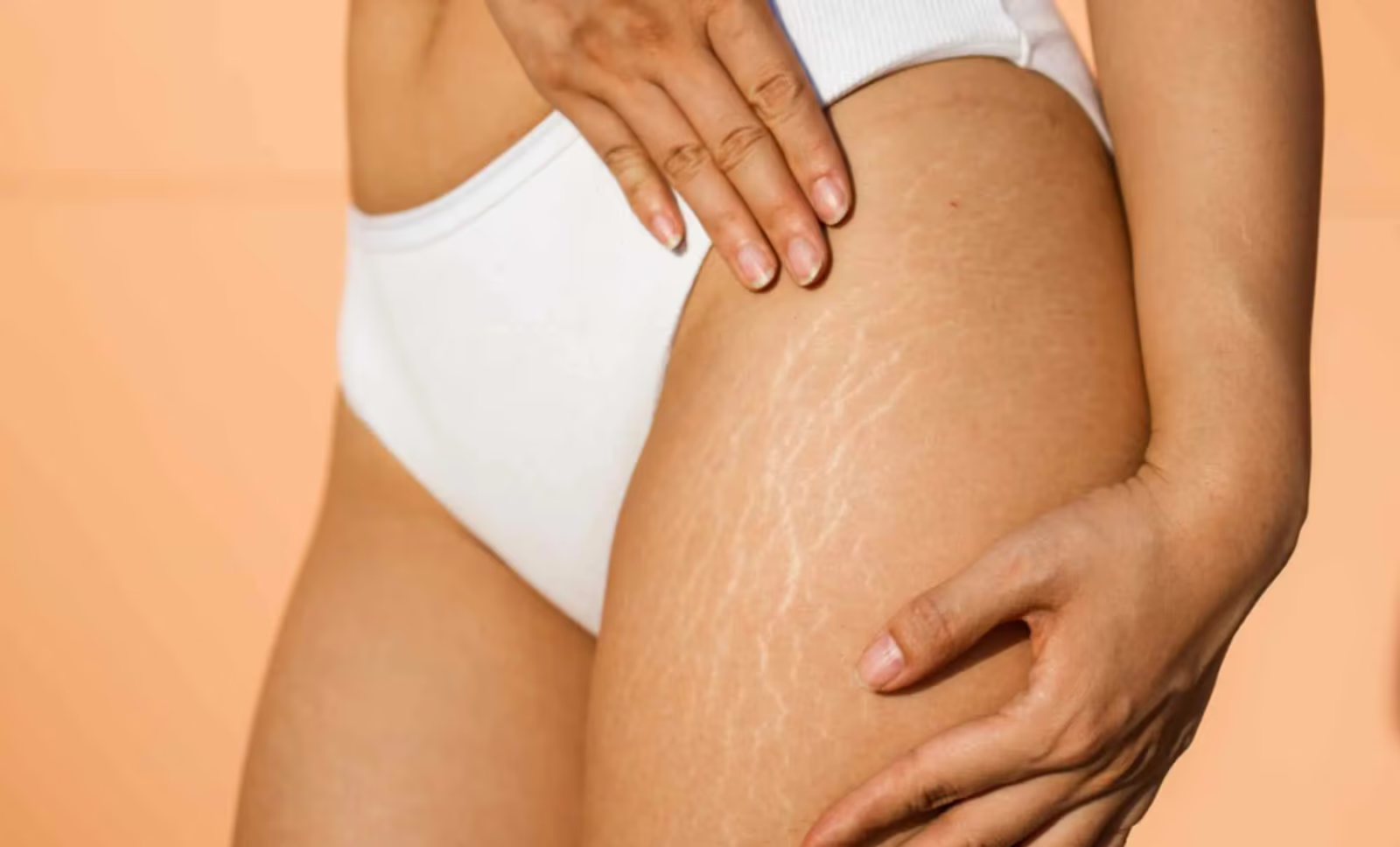
Stretch marks, also known as striae, are narrow streaks or lines that form on the skin due to rapid stretching or shrinking. This sudden change in skin tension causes the collagen and elastin fibres in the skin to tear, resulting in scar-like formations. These marks can vary in colour, from red and purple to pale or silvery, depending on how recent or mature they are. When stretch marks first appear, they are often red, purple, pink, or dark brown, depending on your skin tone. These early-stage marks may be slightly raised and can cause itching. Over time, they fade, becoming more subtle, and may feel slightly depressed when touched.
Root Cause
Puberty growth spurts
Rapid growth during adolescence can cause stretch marks.
Pregnancy
The skin stretches as the body changes to accommodate a growing baby, often leading to stretch marks.
Rapid weight changes
The skin may stretch or shrink too fast, resulting in these marks, whether it's gaining or losing weight quickly.
Muscle growth
Intense weight training that leads to quick muscle growth can also cause stretch marks.
Hormonal fluctuations
Hormones play a significant role, and those with a family history of stretch marks may be more prone to them.
The Science Behind the Cause
Stretch marks occur when the dermis, the thick middle layer of the skin, is overstretched. Due to the rapid stretching, collagen and elastin, the two main proteins responsible for skin elasticity, break down. Once these fibres rupture, the skin is unable to return to its original state, leading to the formation of stretch marks. Individuals using corticosteroids for extended periods or those with conditions like Cushing’s disease or Marfan syndrome are also at a higher risk of developing stretch marks.
Symptoms & Indicators
Indented Lines
Stretch marks appear as indented, stripe-like marks on the skin.
Colour variations
Initially, they may appear red, purple, or dark brown, depending on the skin tone. Over time, they fade to a lighter colour.
Texture changes
Mature stretch marks often feel slightly depressed when touched.
Itchiness
Stretch marks can cause mild itching, especially when they are new.
Prevention & Management
Products to use
Use effective stretch mark creams, lotions, and gels, while these may not work for everyone, massaging the product into fresh stretch marks over weeks can potentially help. Products containing hyaluronic acid and retinoids, such as tretinoin, have shown some effectiveness in studies.
Home remedies
Many popular remedies, such as cocoa butter, olive oil, and vitamin E, have not been proven effective in fading stretch marks.
Self-tanners
While tanning can make stretch marks more noticeable, self-tanning products can help camouflage them.
Consider dermatological procedures
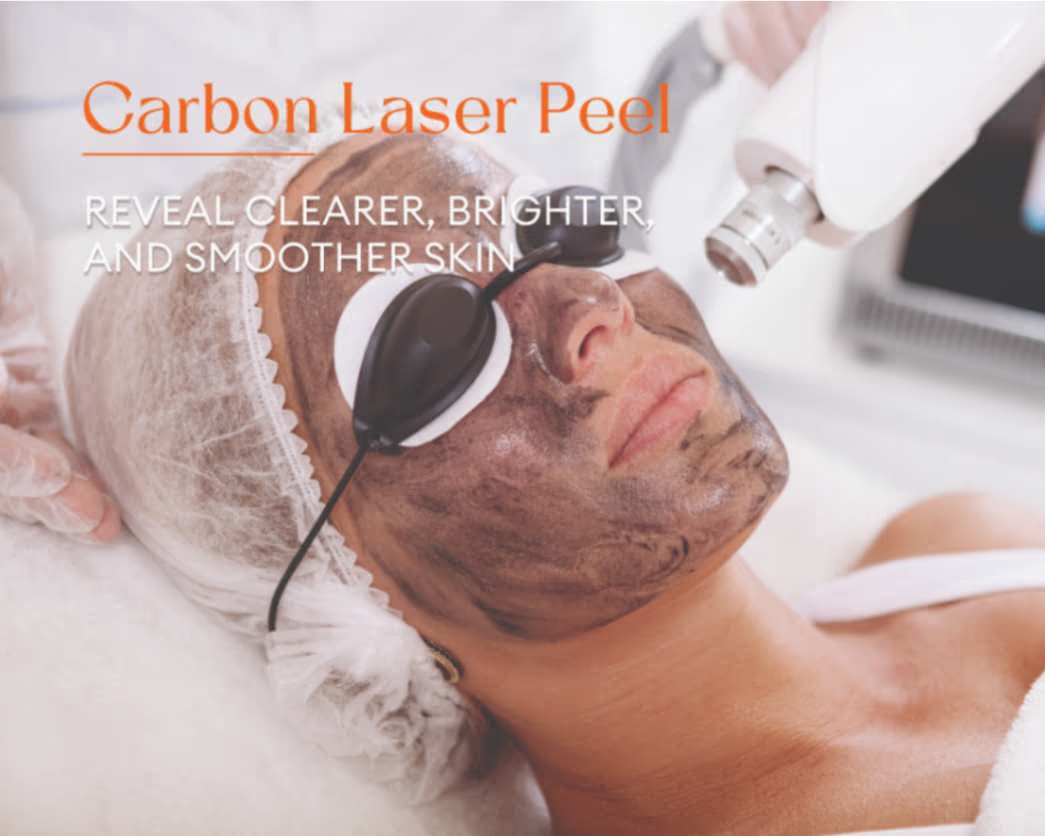
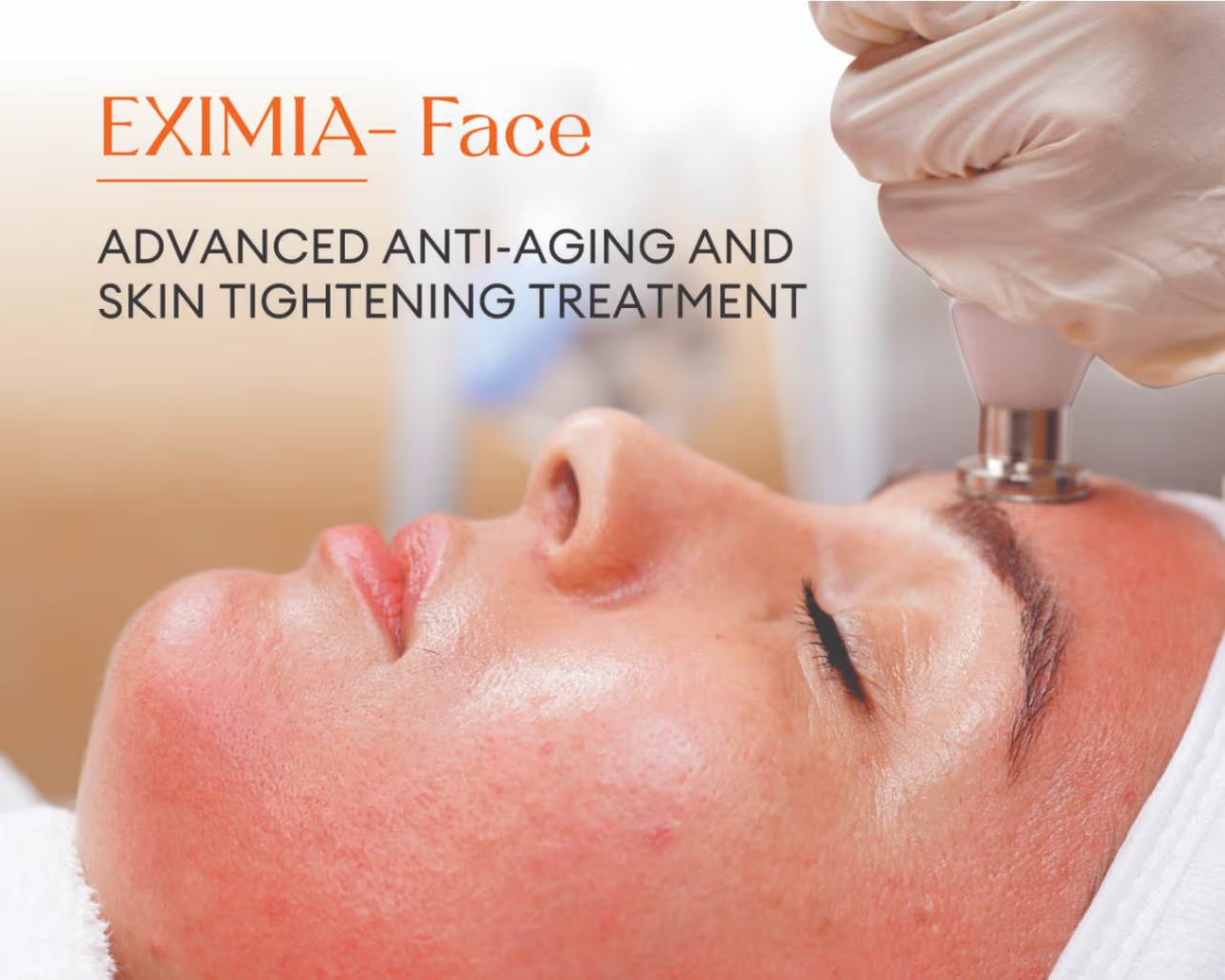
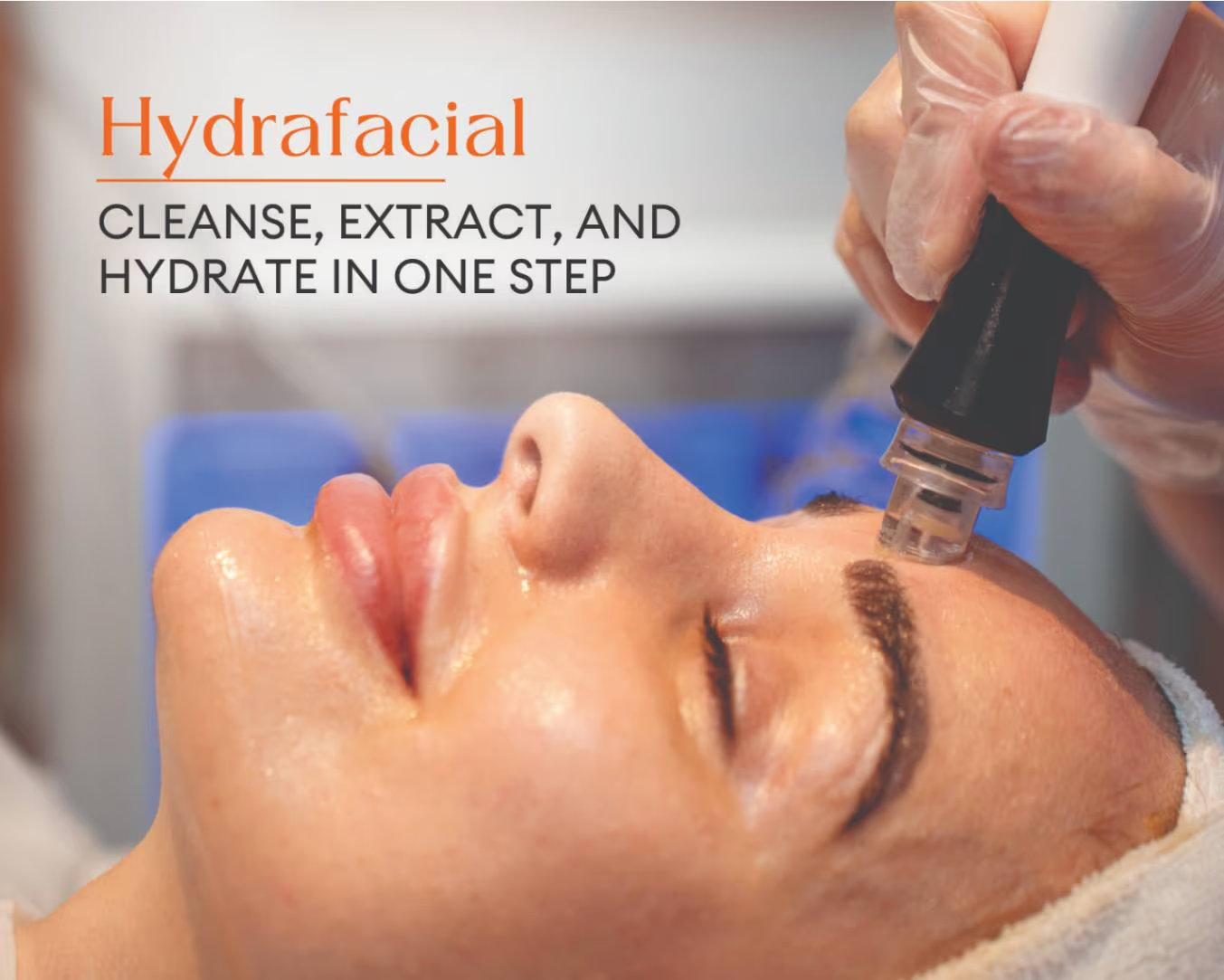
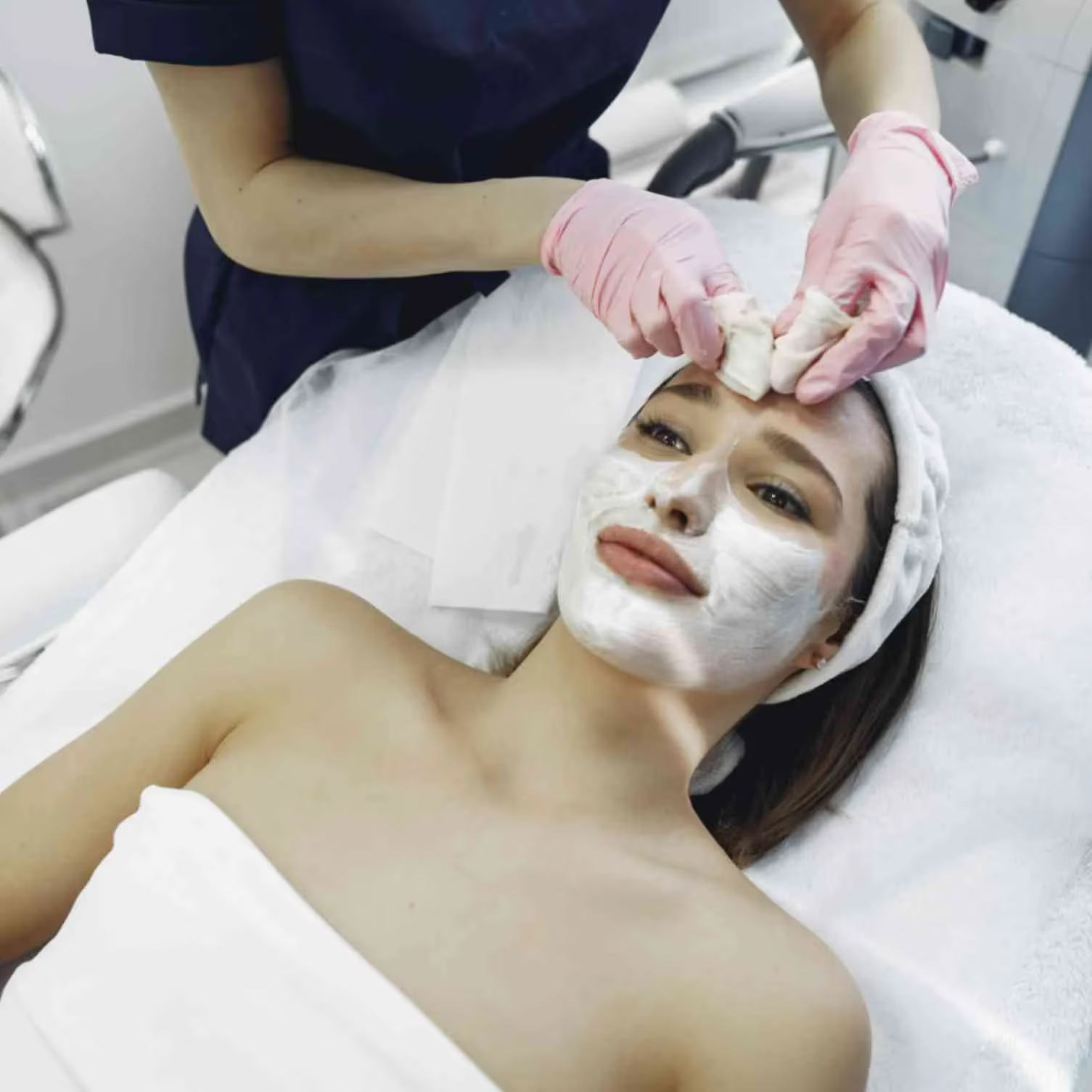
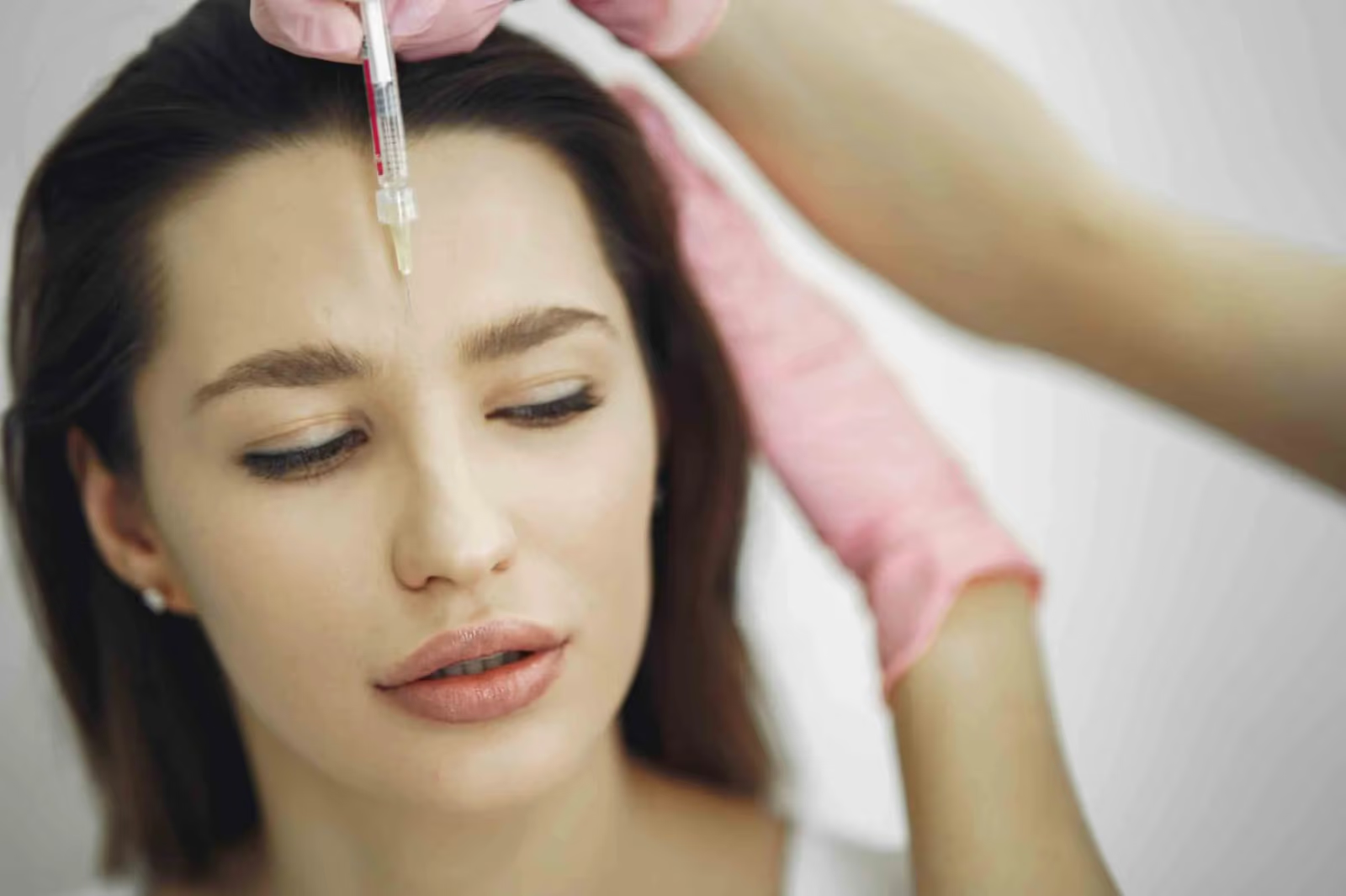
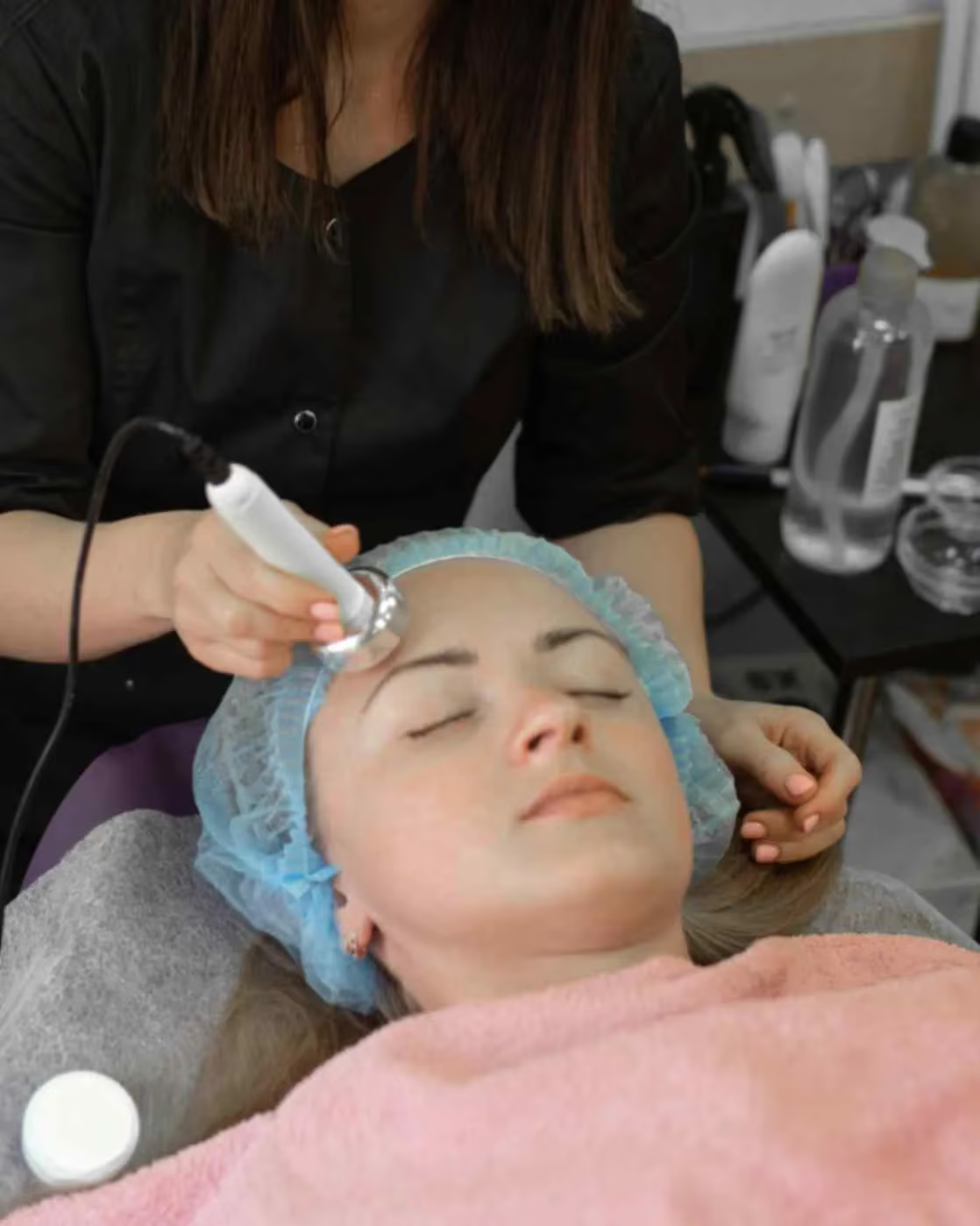
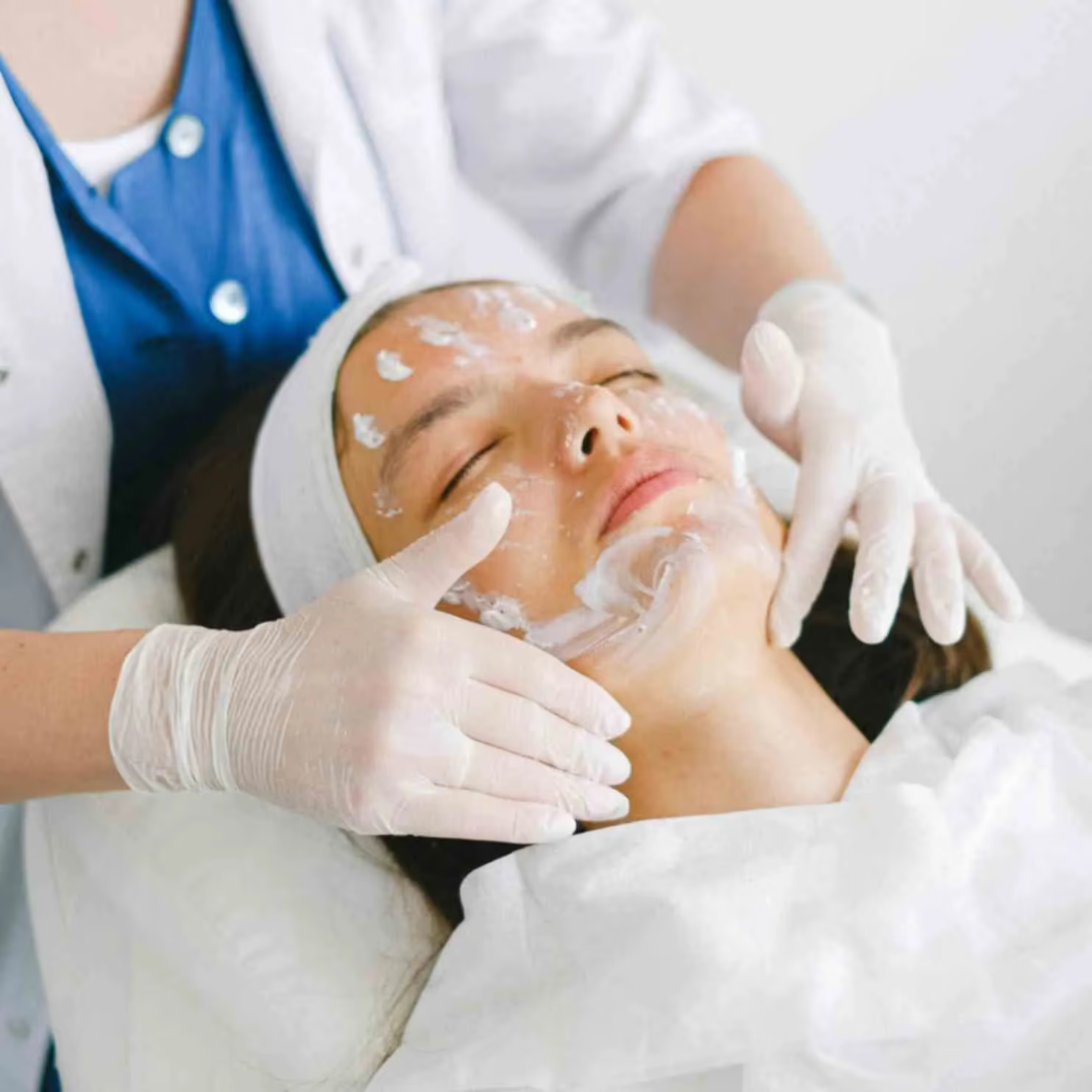
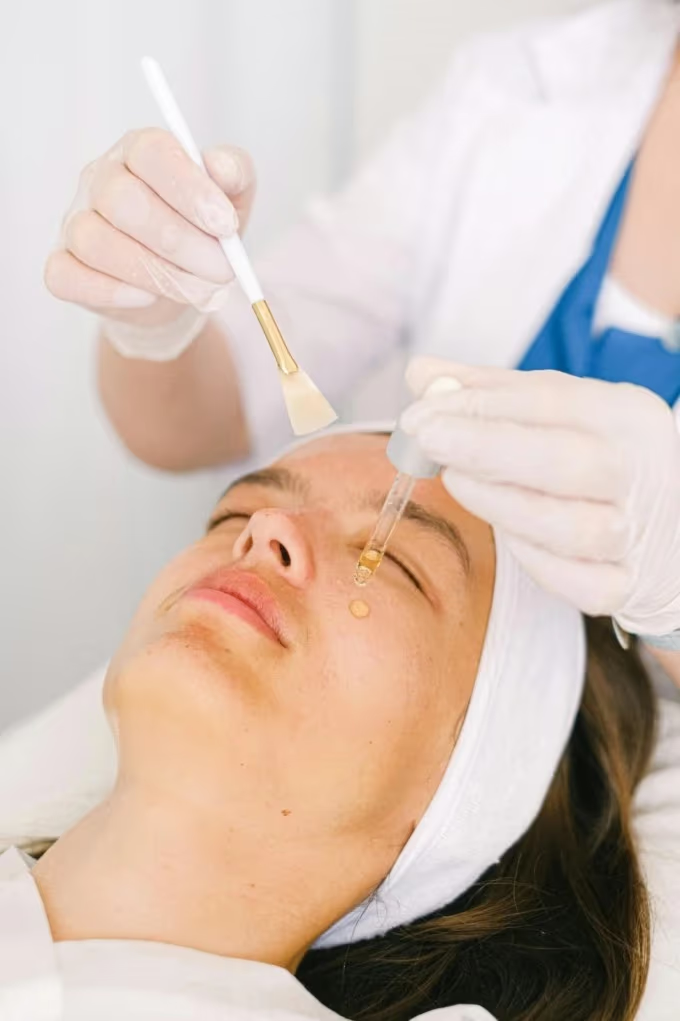
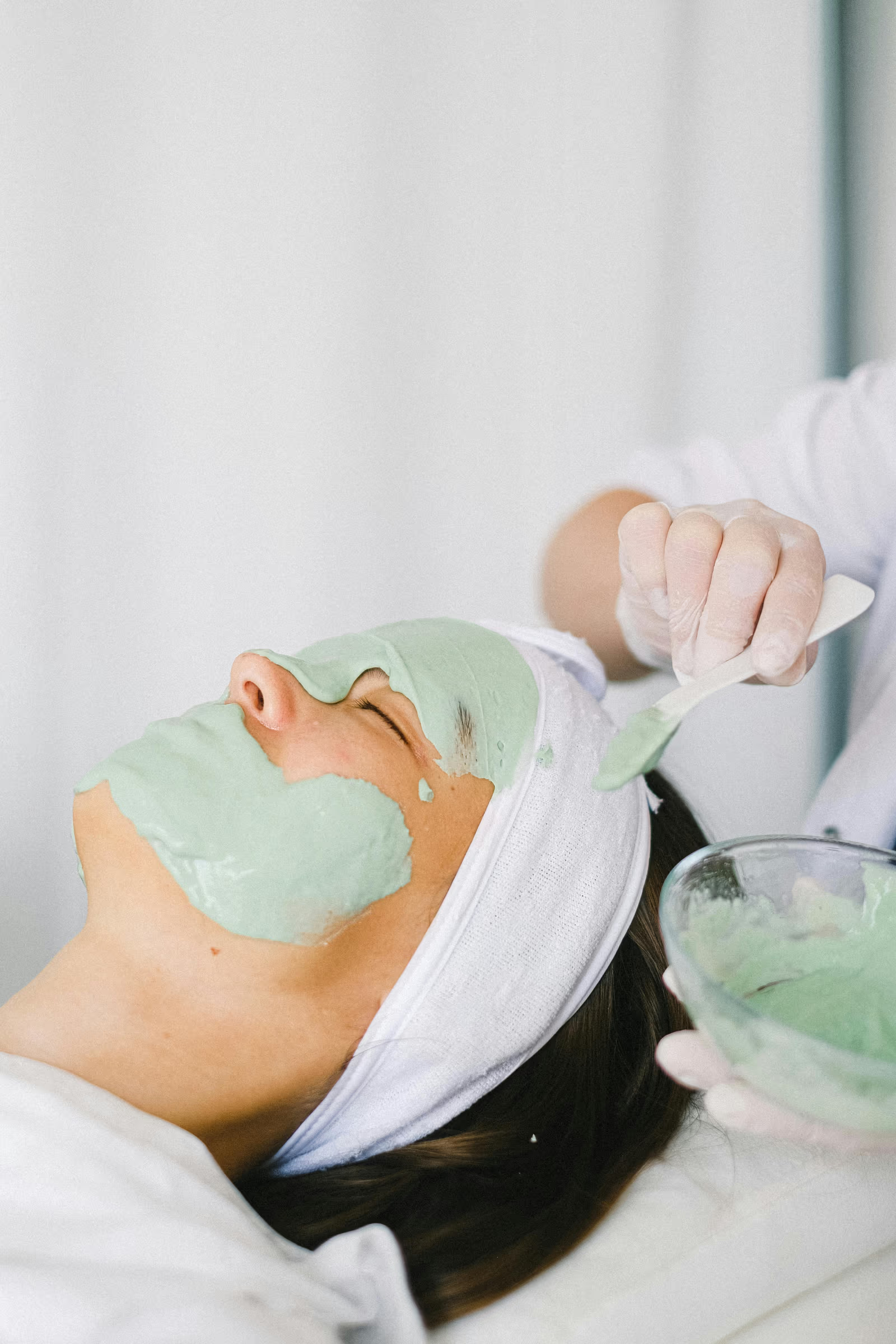
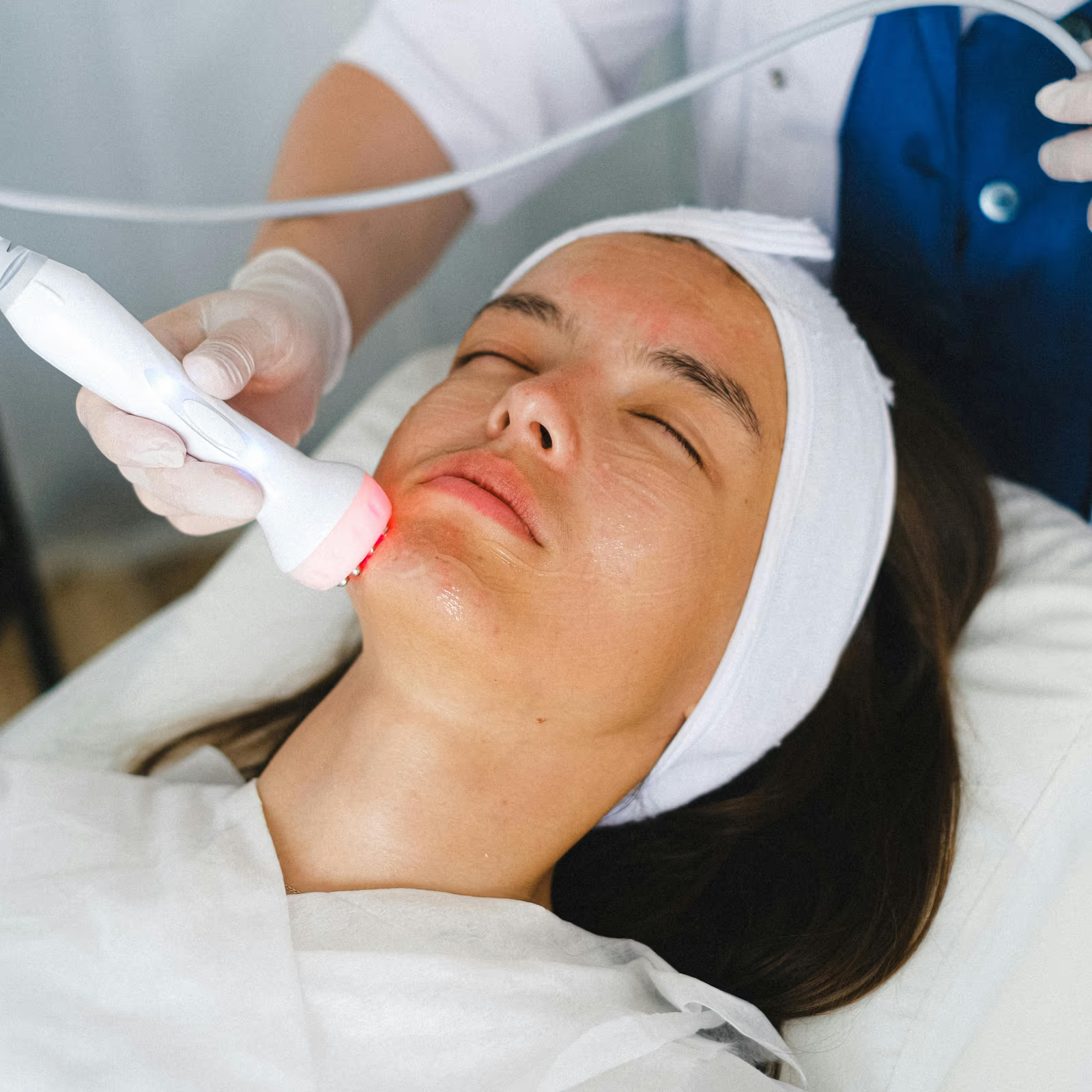
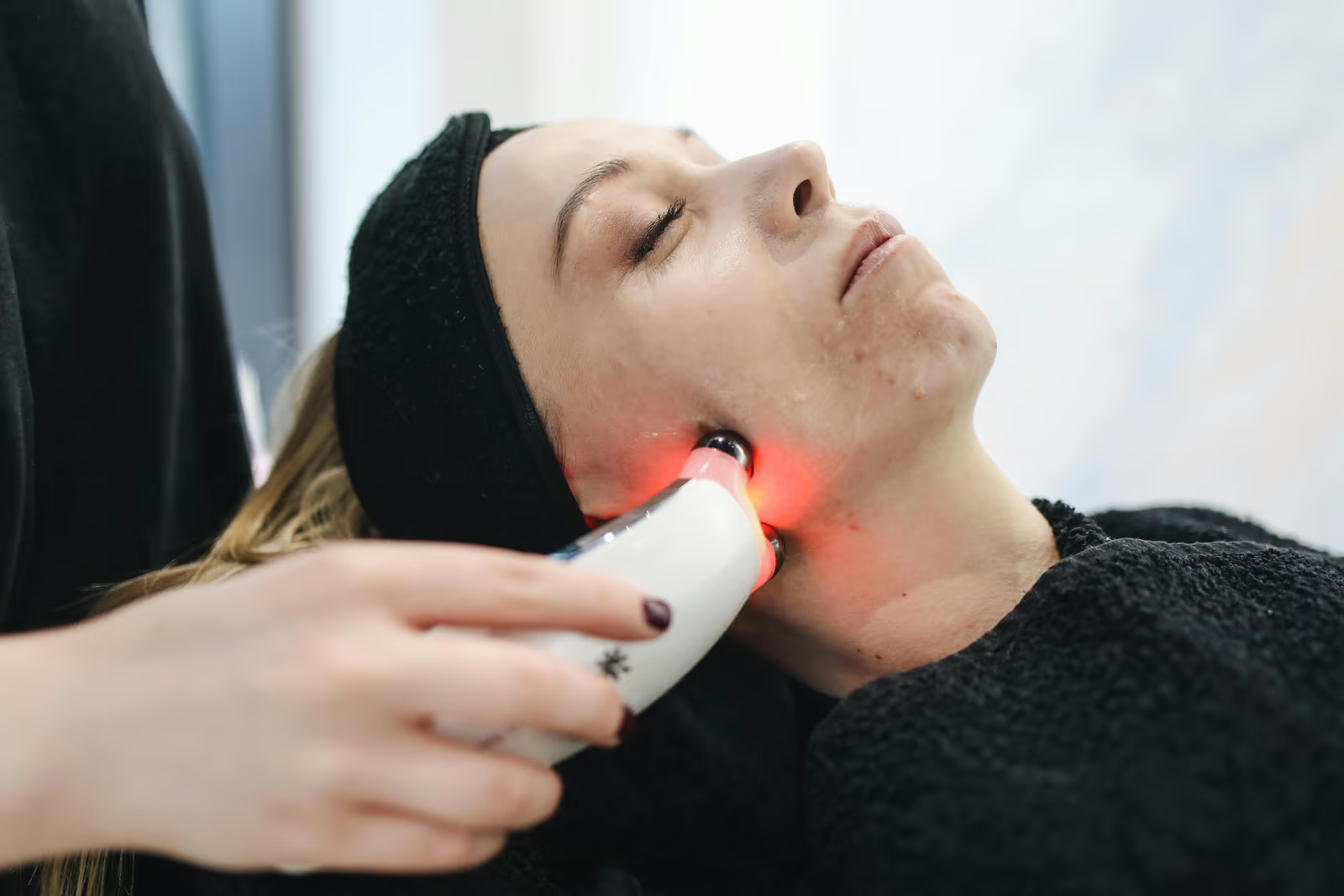
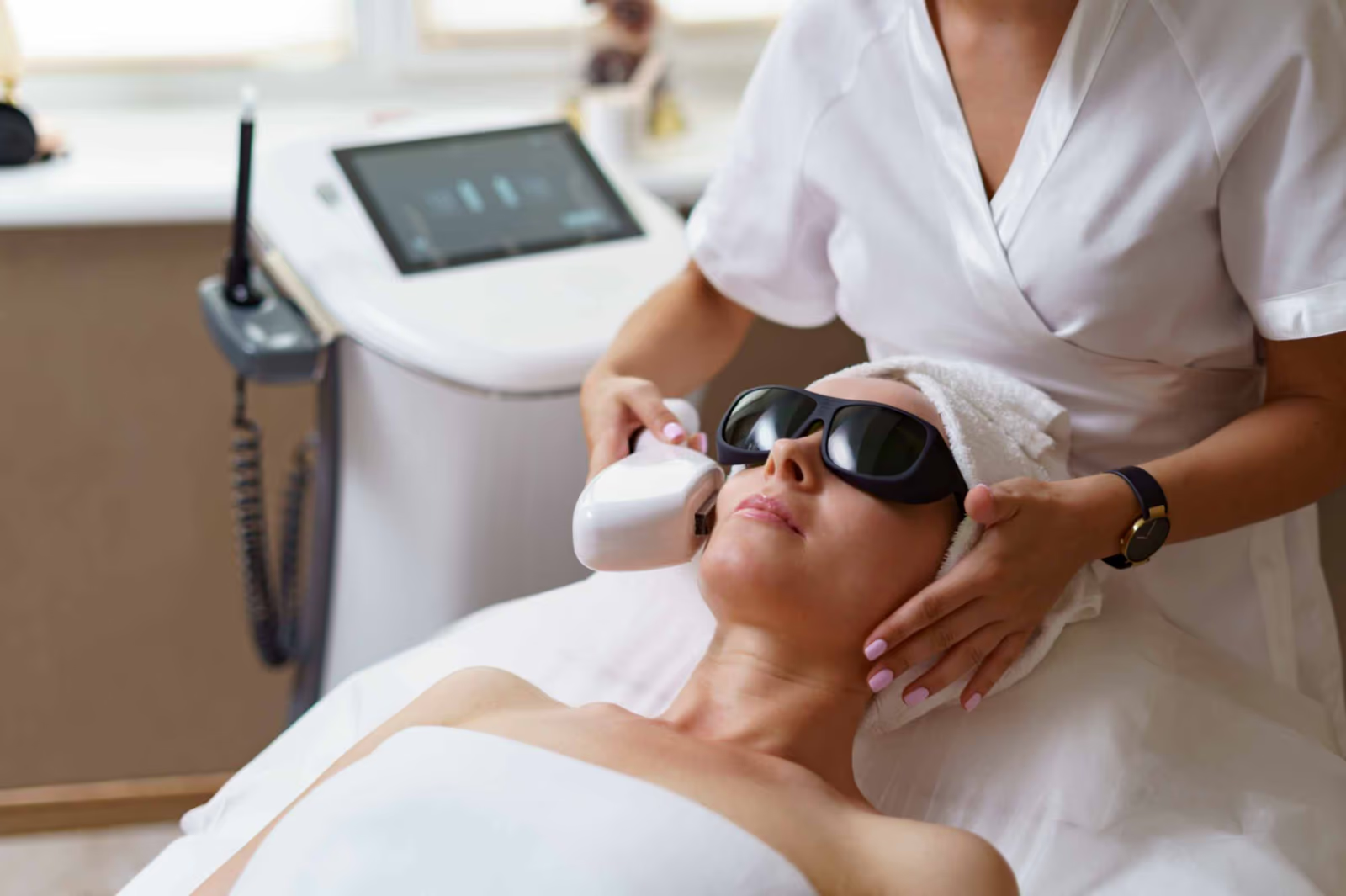
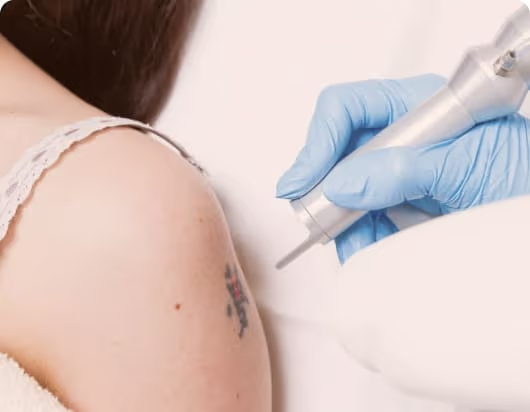
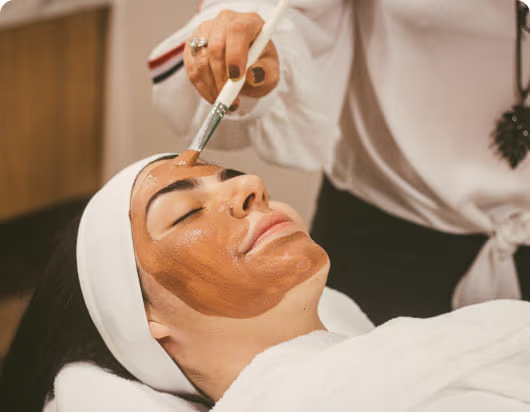
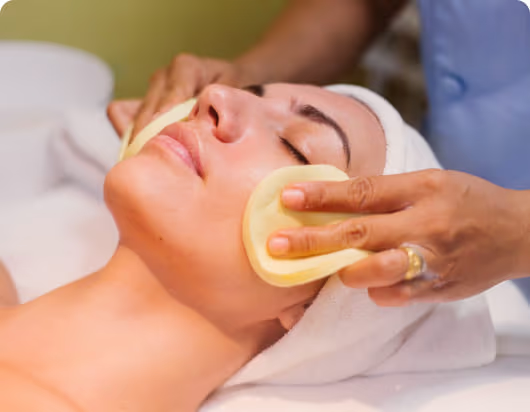
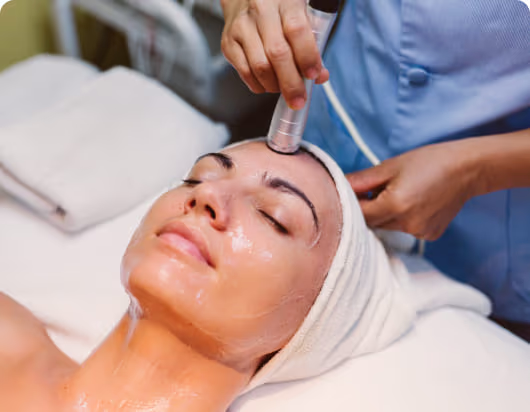
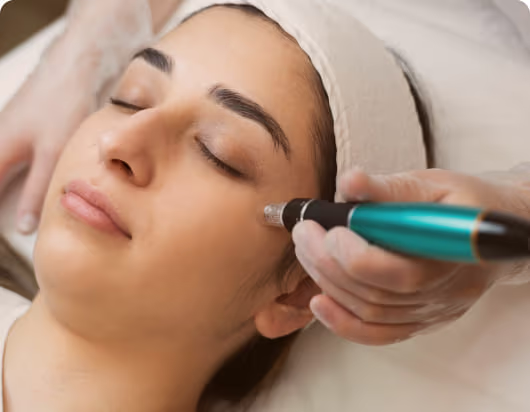
More advanced treatments include chemical peels, laser therapy, microdermabrasion, and radiofrequency treatments. These procedures can make stretch marks less noticeable but won’t remove them entirely.
Drink water
Well-hydrated skin is more elastic and less likely to develop stretch marks.
Healthy diet
Proper nutrition helps keep your skin healthy and resilient.
Weight Management
Gaining or losing weight gradually can help your skin adjust without stretching too quickly.
According to research, about 50% - 90% of pregnant women experience stretch marks by the third trimester, making it a very common occurrence during pregnancy.