
About
What is Dark Circles?
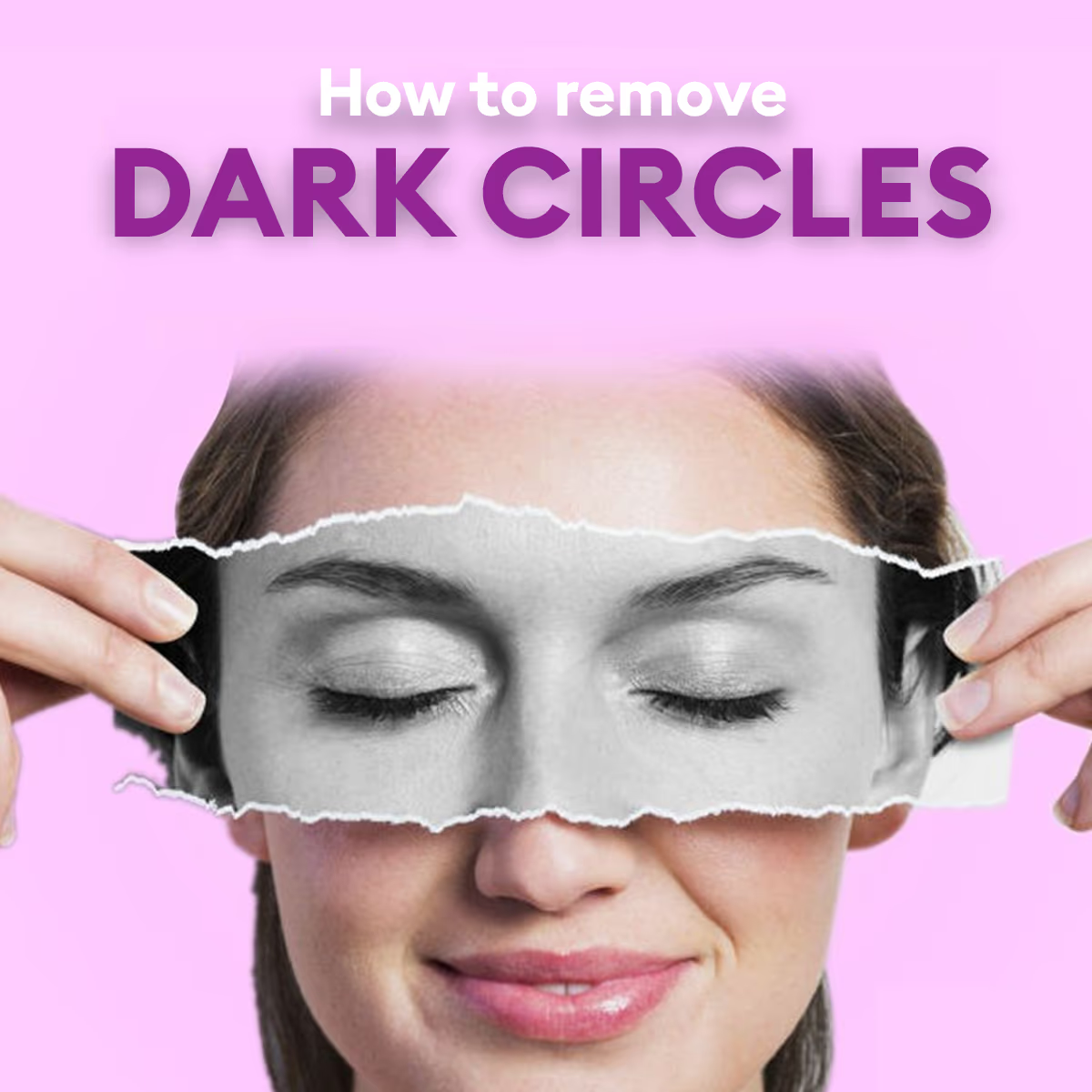
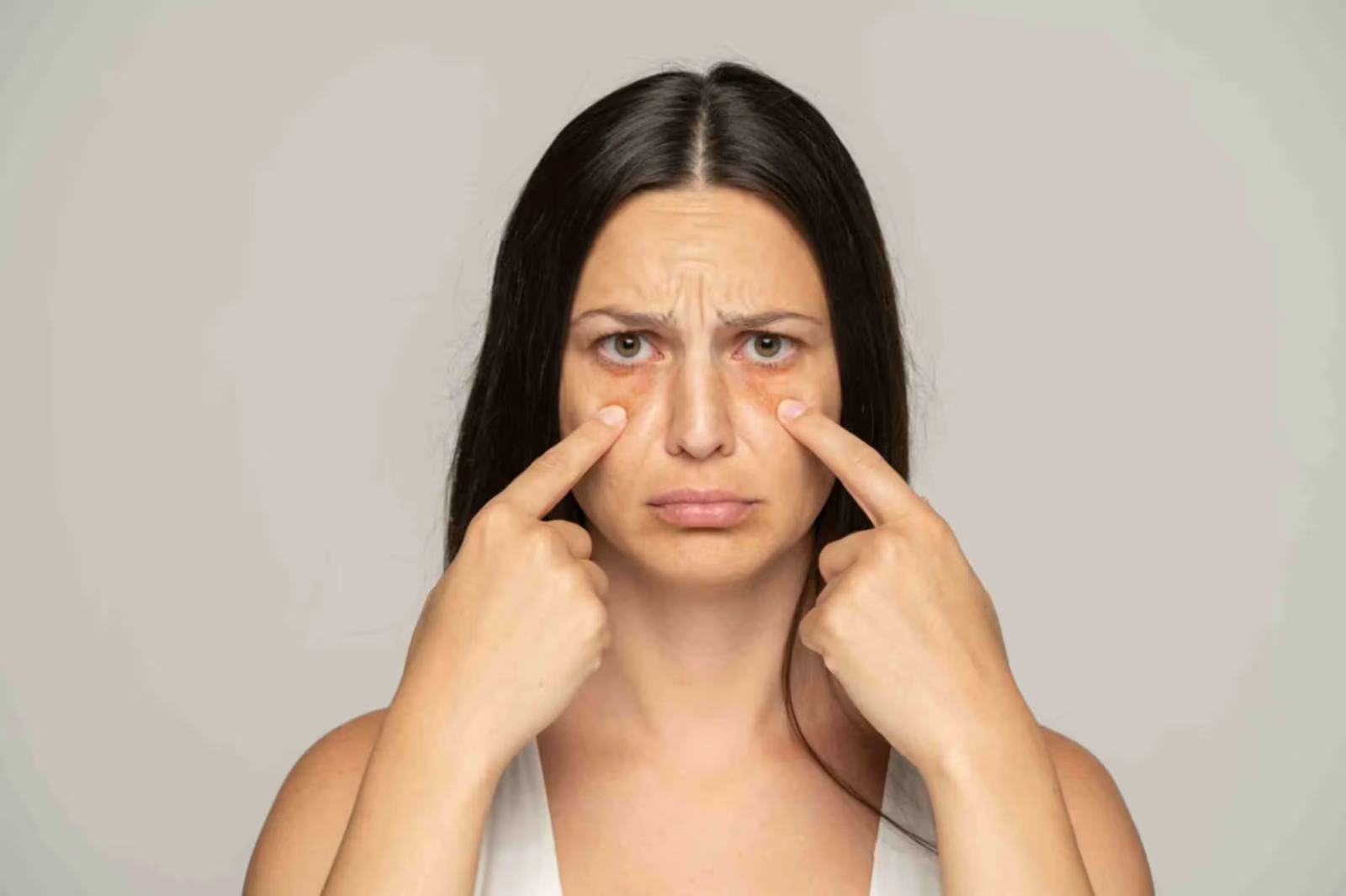
Dark circles can be a frustrating cosmetic concern, and their causes are often multifaceted. They appear as dark, often blue or purple-hued areas beneath the eyes and can be caused by a variety of factors. Understanding the causes and exploring treatment options can help you address and minimise these unwanted marks. Dark Circles could be cured with appropriate treatments and an optimum sleeping pattern combined with healthy life choices. However, those inflicted with genetical dark circles have to go an extra mile to maintain the results.
Root Cause
Genetics
Family history can make you more prone to dark circles if your parents had them.
Thin skin
The delicate skin under the eyes thins with age, making blood vessels more visible.
Allergies
Allergic reactions can cause inflammation and swelling, worsening dark circles. rubbing your eyes can also aggravate the issue.
Sleep deprivation
Inadequate sleep can lead to paler skin and more prominent blood vessels, enhancing dark circles.
Aging
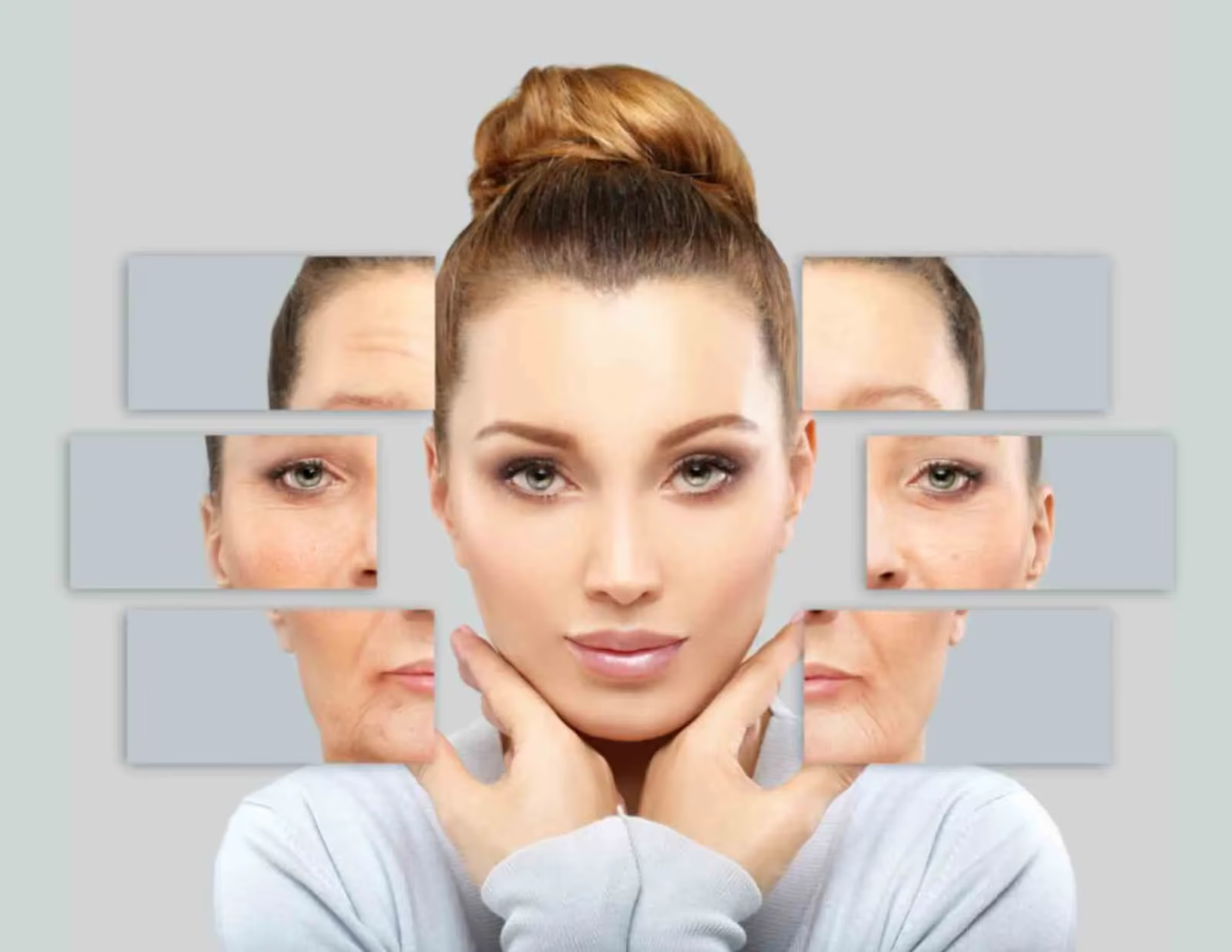
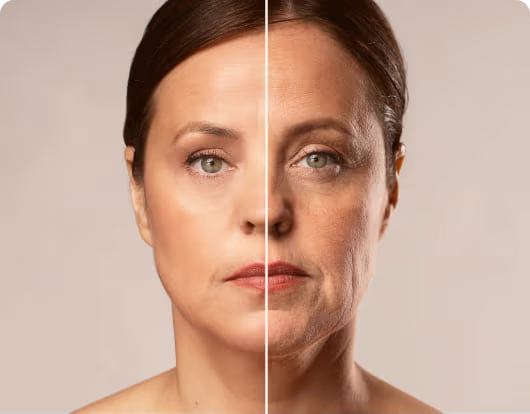
Aging reduces collagen and elasticity, making dark circles more noticeable. fat loss around the eyes can also cause a sunken appearance.
Sun exposure
Excessive sun can increase melanin production, leading to pigmentation and darker skin under the eyes.
Dehydration
Dehydration can make the skin look dull and accentuate the appearance of dark circles.
The Science Behind the Cause
The science behind Dark Circles is simple, It is due to the thinning of the skin and consequent blood vessel visibility. Since the skin around the eyes is already thin and delicate, it becomes even thinner because of the collagen loss with age. Once the skin thins enough, the blood vessels underneath are clearly visible. This leads to a dark or bluish tint and is more prominent in fair skin tones. However, most common reason is the lack of sleep which increases stress levels and can cause the blood vessels under the eyes to dilate thereby creating a darker appearance. Other than that, fatigue can also lead to puffy eyes and shadowy dark circles because of fluid retention.
Prevention & Management
To prevent dark circles from becoming a recurring issue, consider the following:
Use sunscreen
Apply sunscreen daily to protect the delicate skin around your eyes from UV damage.
Avoid rubbing your eyes
This can irritate the skin and worsen dark circles.
Maintain a healthy diet
Consuming foods rich in vitamins and antioxidants can support skin health and prevent issues.
Topical creams
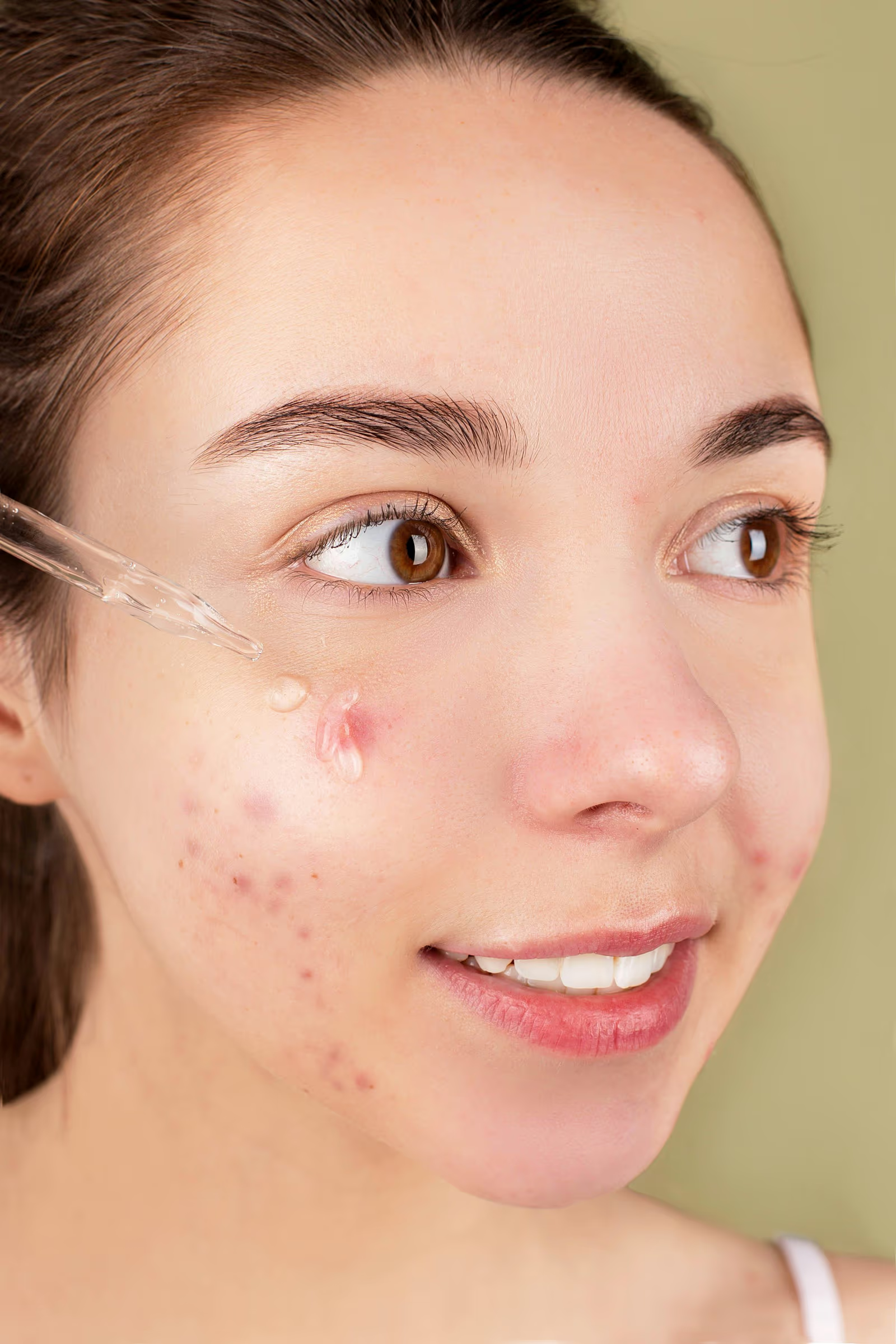
Over-the-counter creams with caffeine, vitamin C, or hyaluronic acid can reduce puffiness and lighten dark circles. Retinol-based creams improve skin texture and pigmentation.
Cold compresses
Applying a cold compress can reduce swelling and constrict blood vessels, providing temporary relief from dark circles.
Sleep improvements
Getting 7-9 hours of quality sleep per night and using supportive pillows can help reduce dark circles.
Allergy management
Managing allergies with antihistamines or avoiding allergens can lessen their impact on dark circles.
Hydration
Staying hydrated and using hydrating eye creams can improve the appearance of the under-eye area.
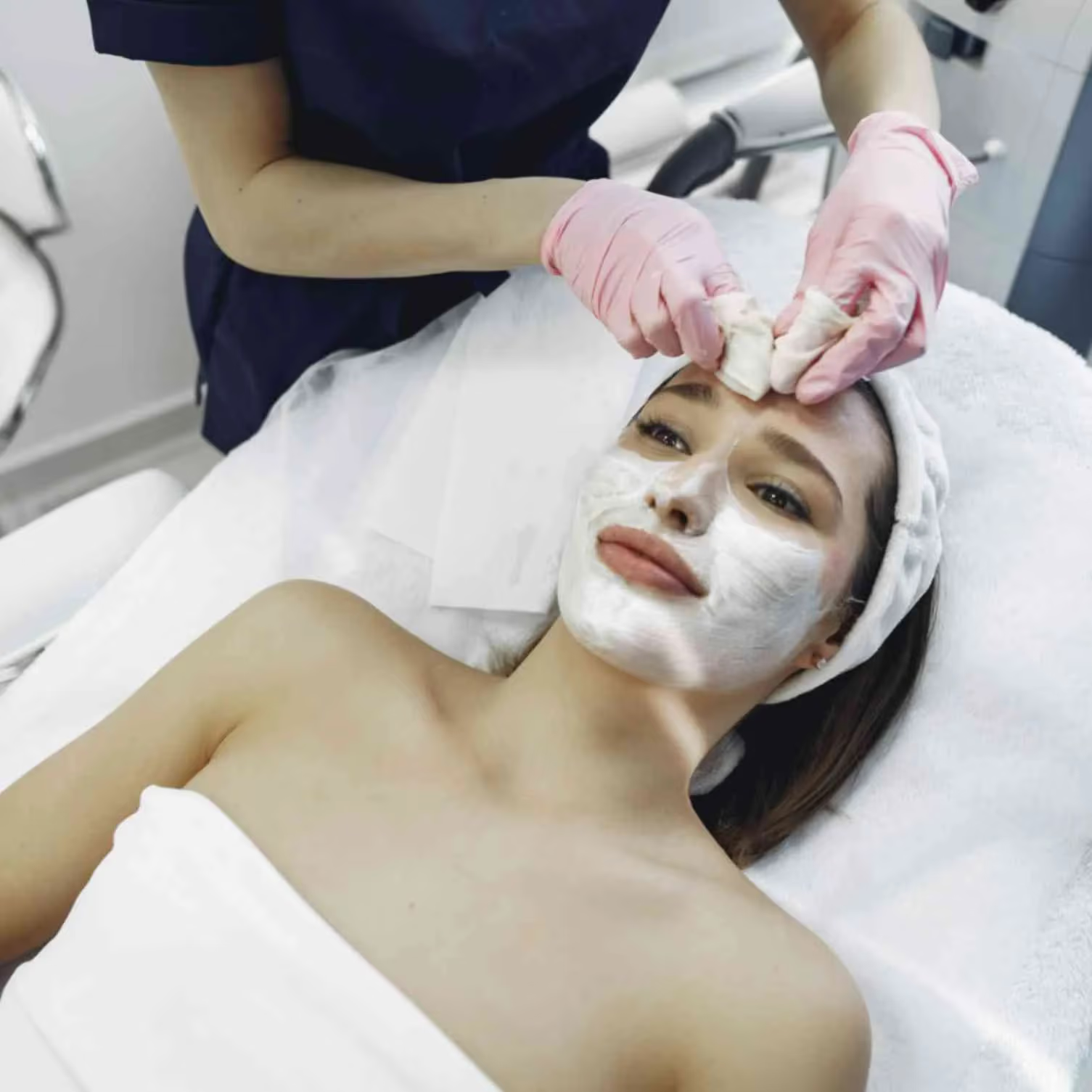
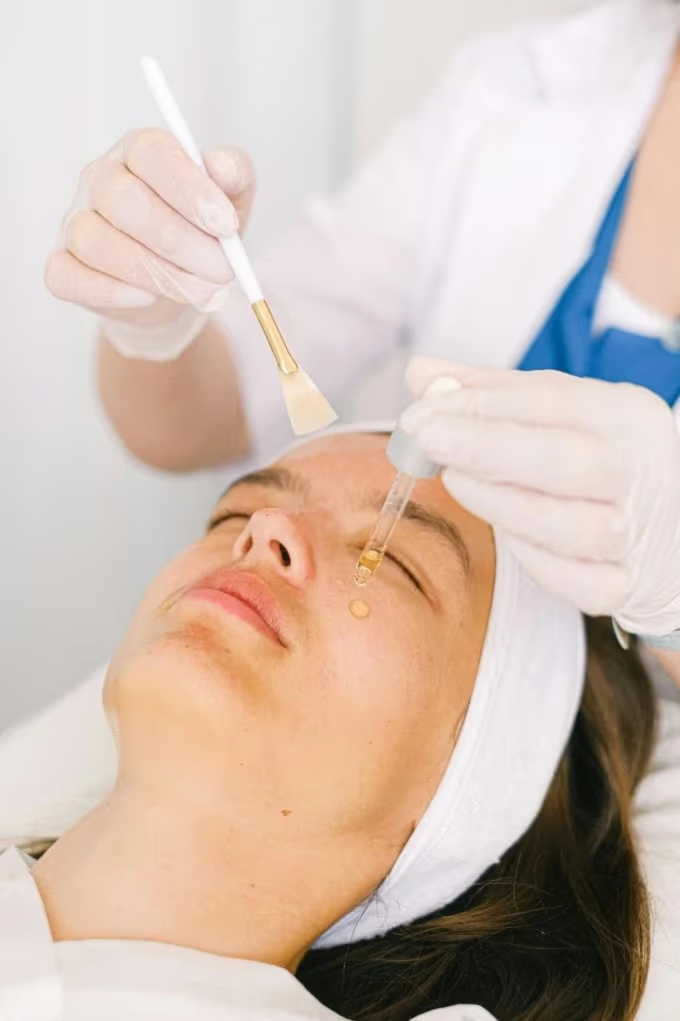
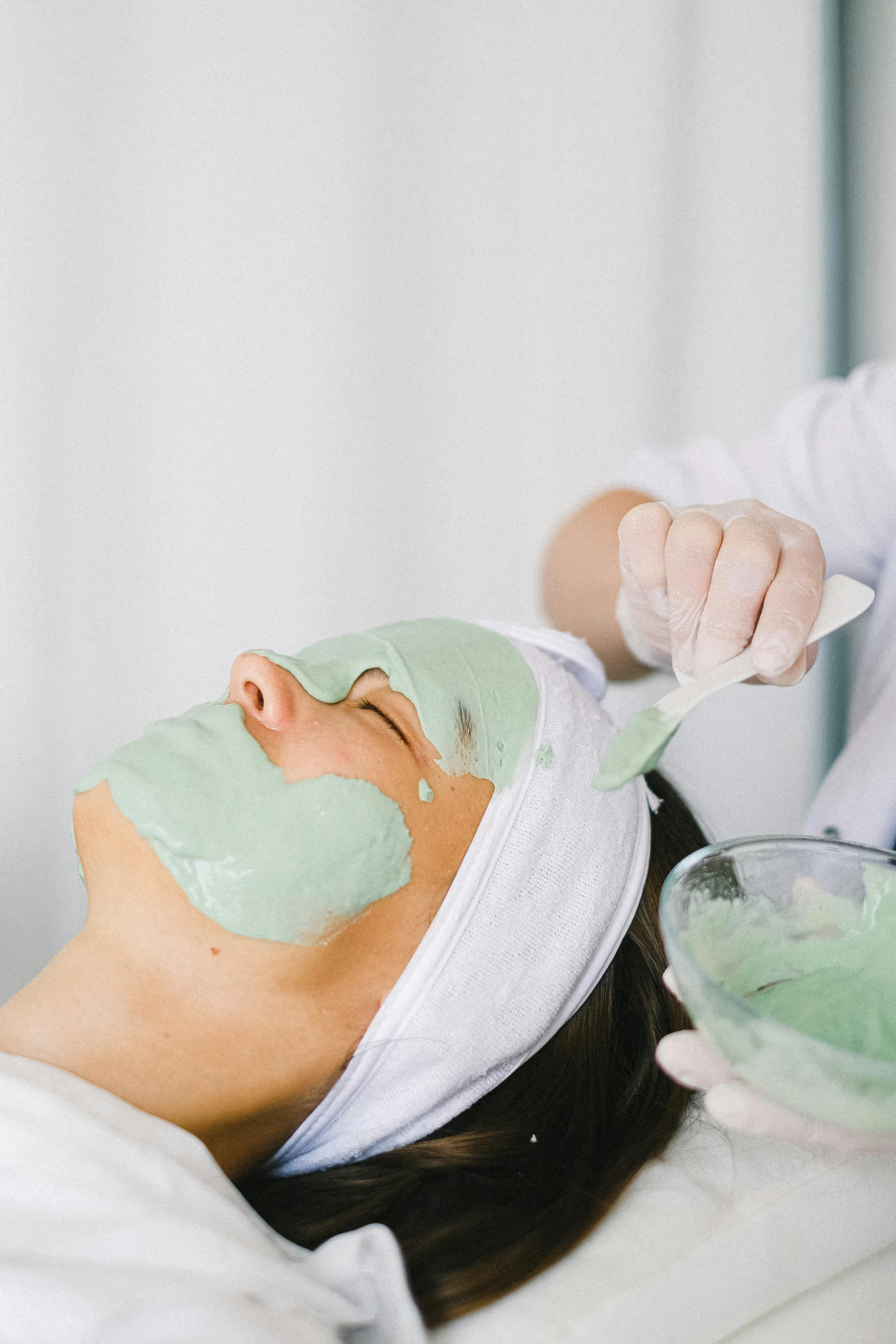
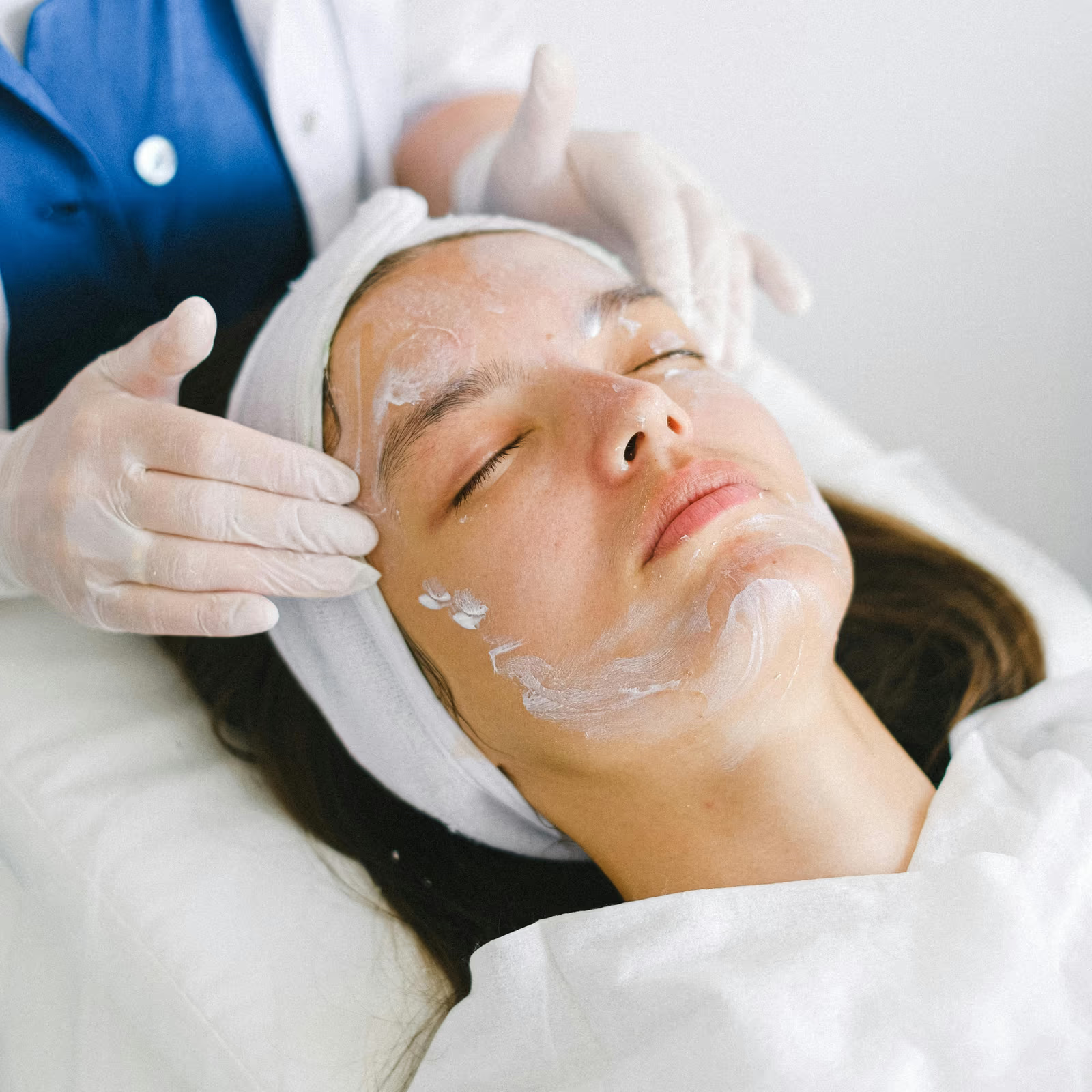
Chemical peels
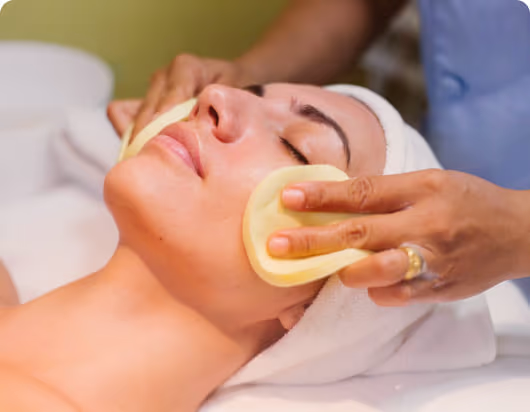
Mild chemical peels exfoliate the skin and can lighten dark pigmentation over time.
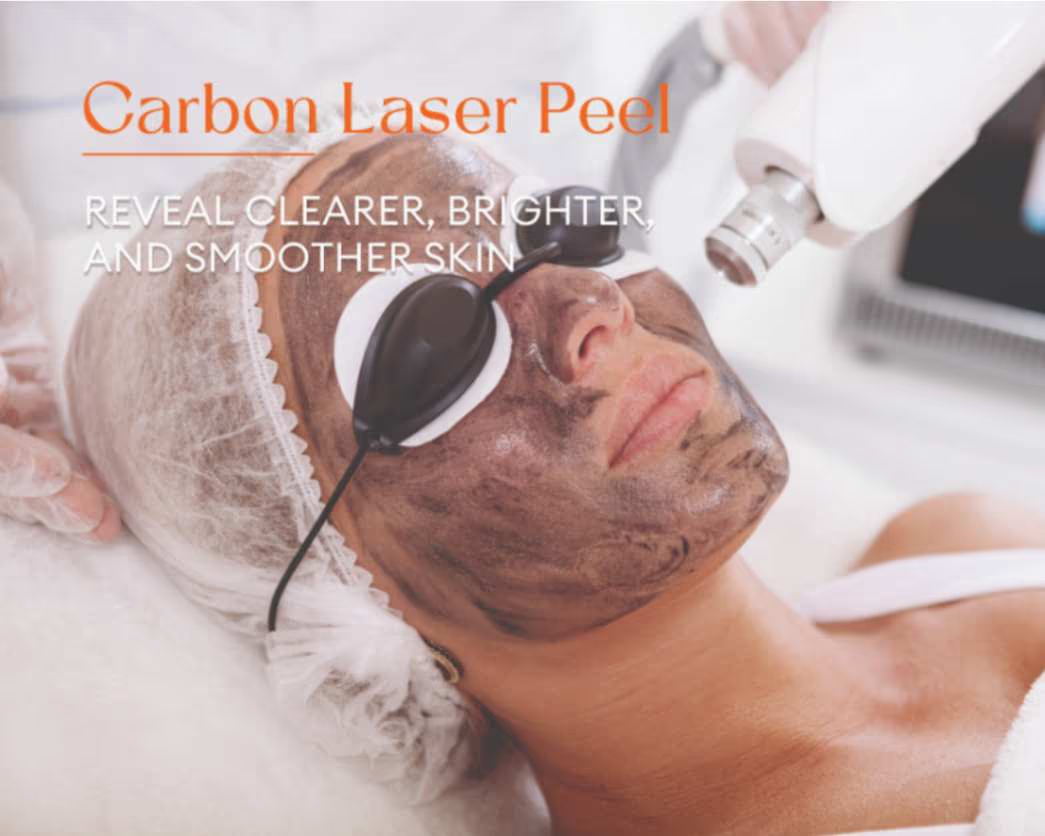
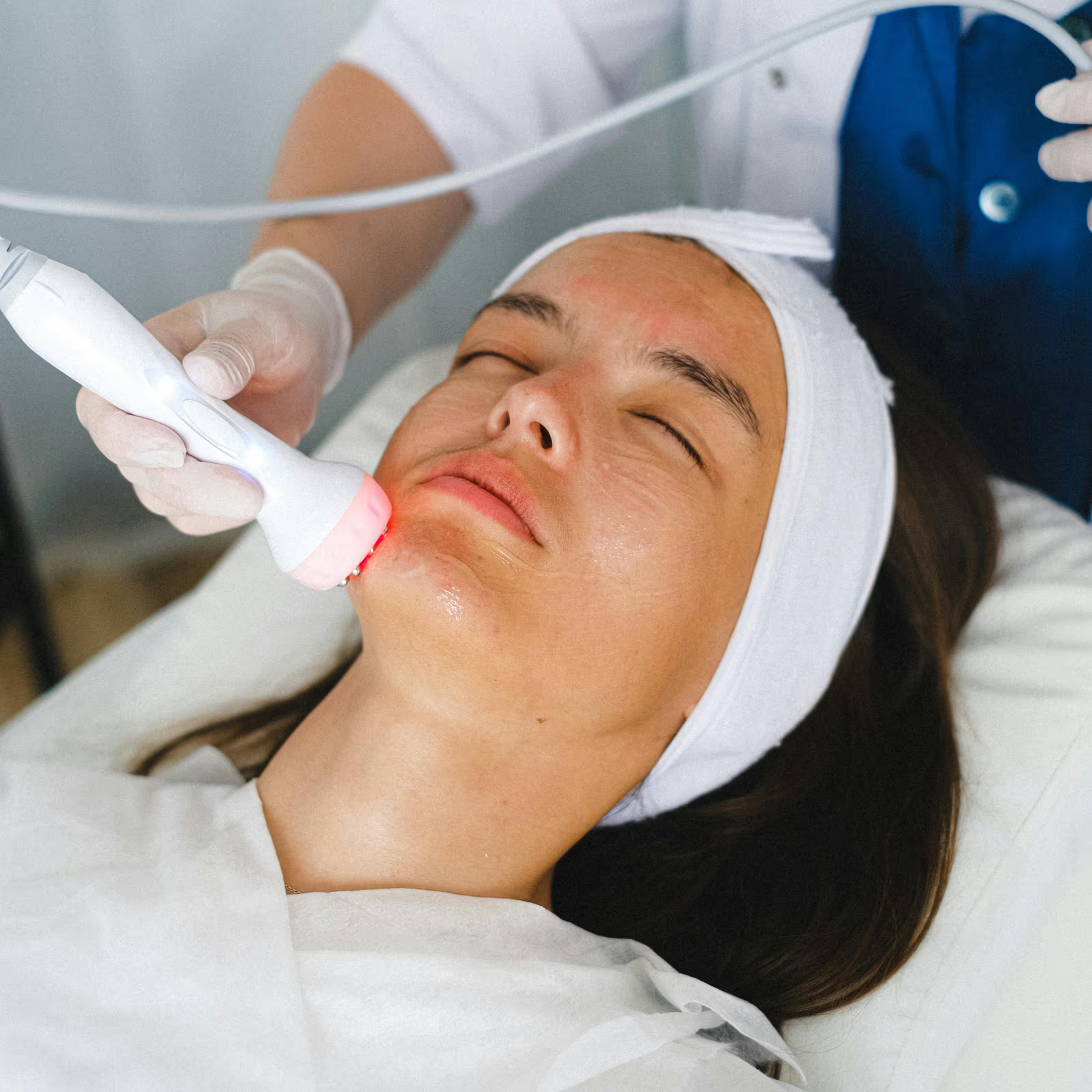
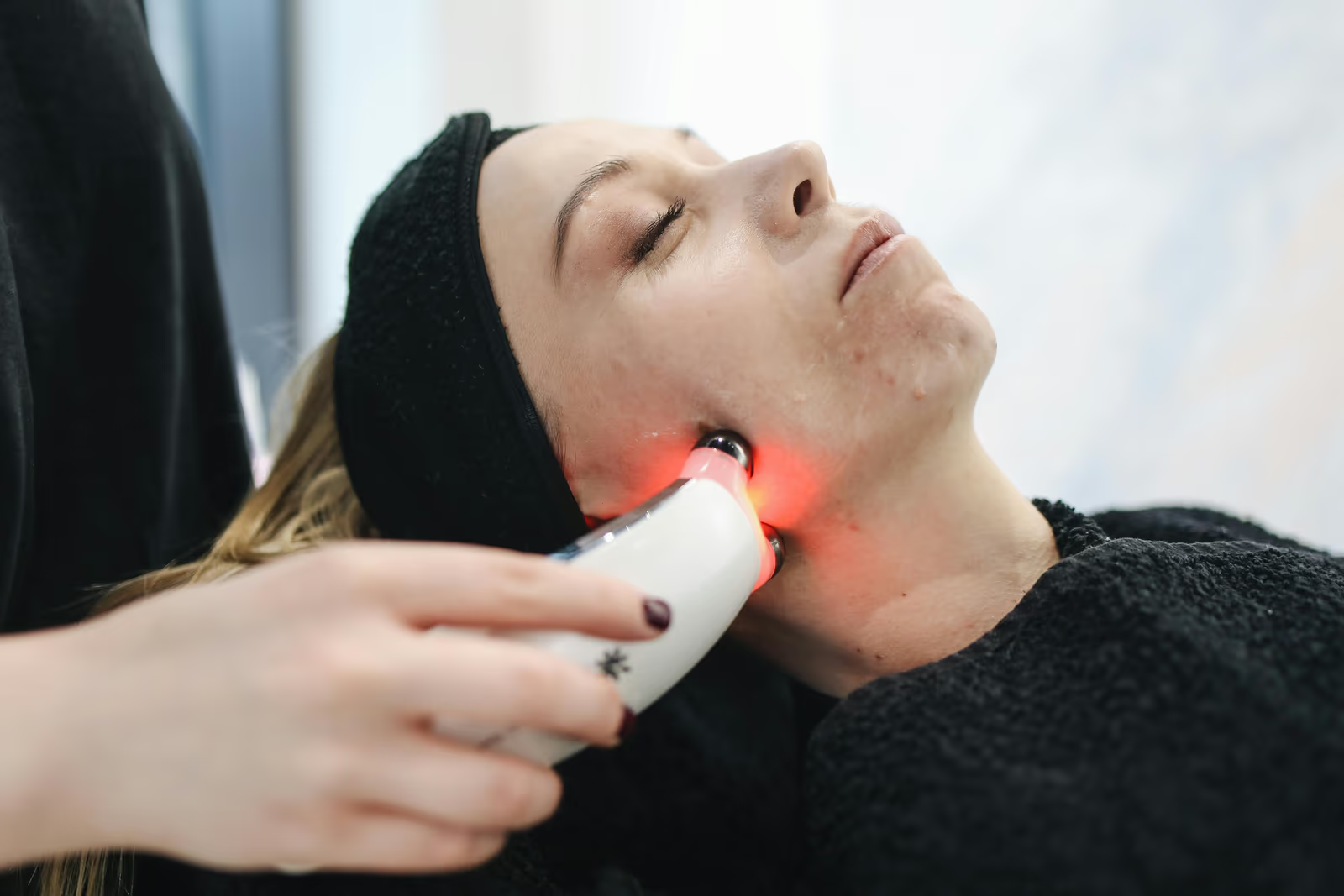
Laser treatments
Laser therapy can target pigmentation and stimulate collagen production, reducing dark circles.
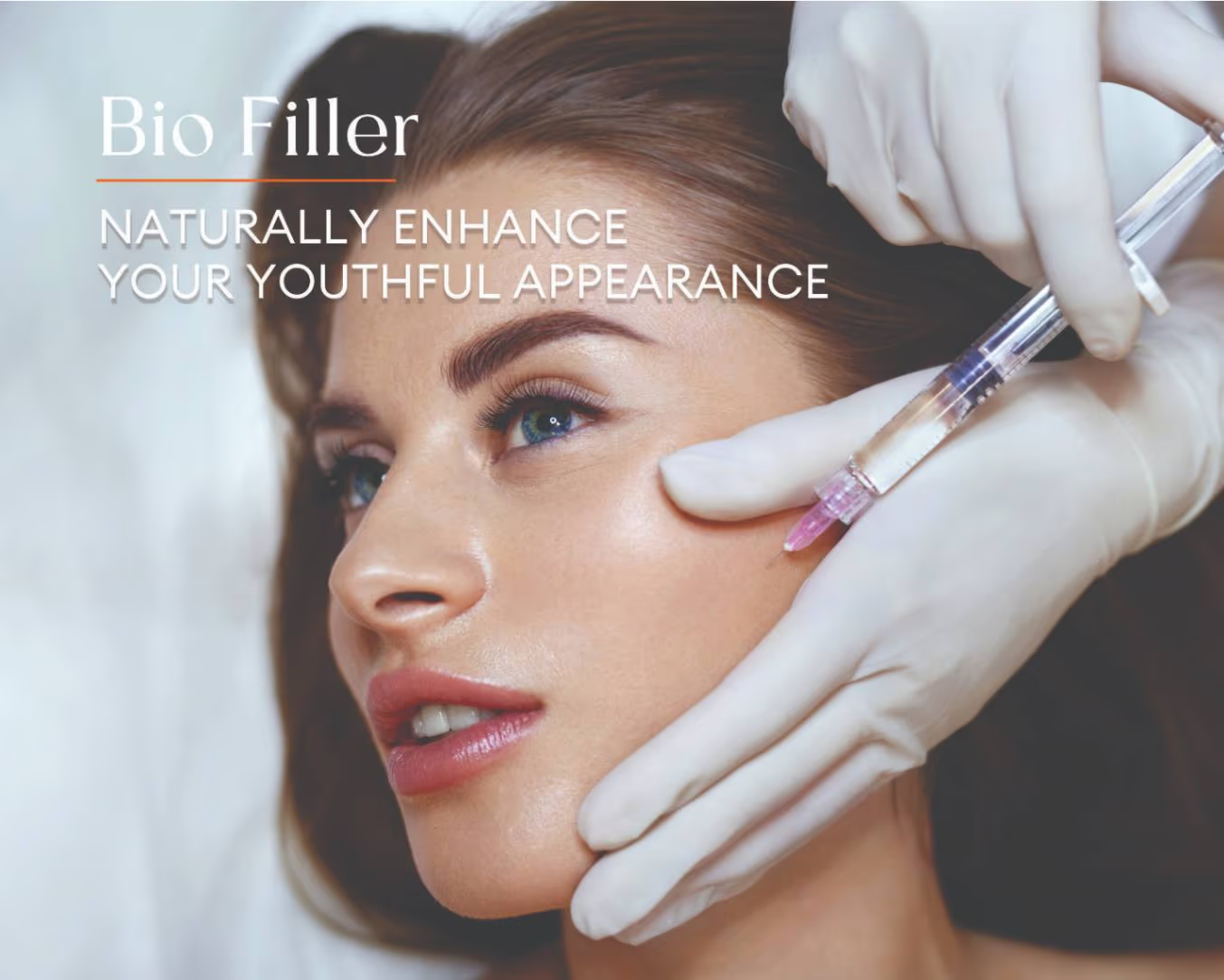
Dermal fillers
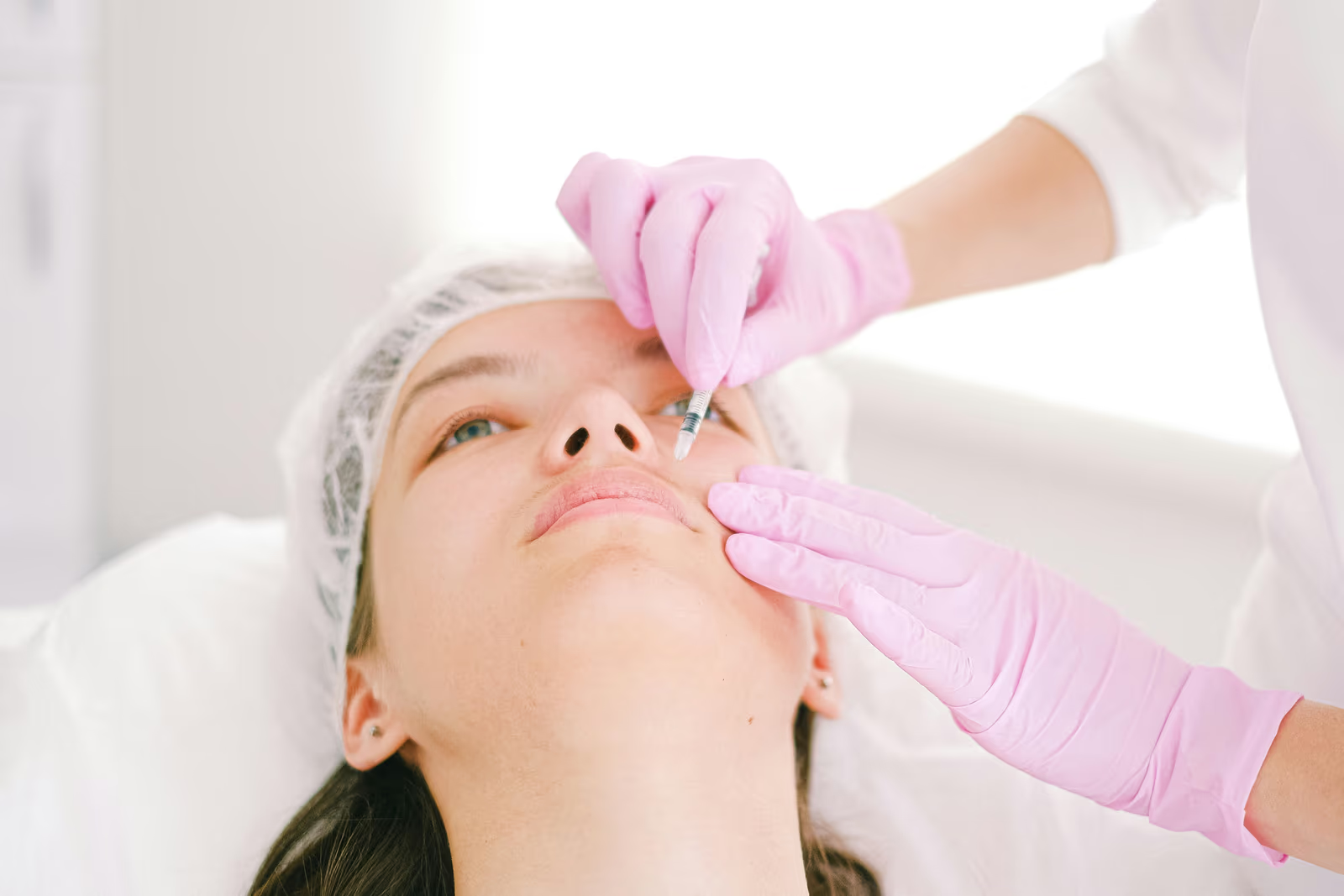
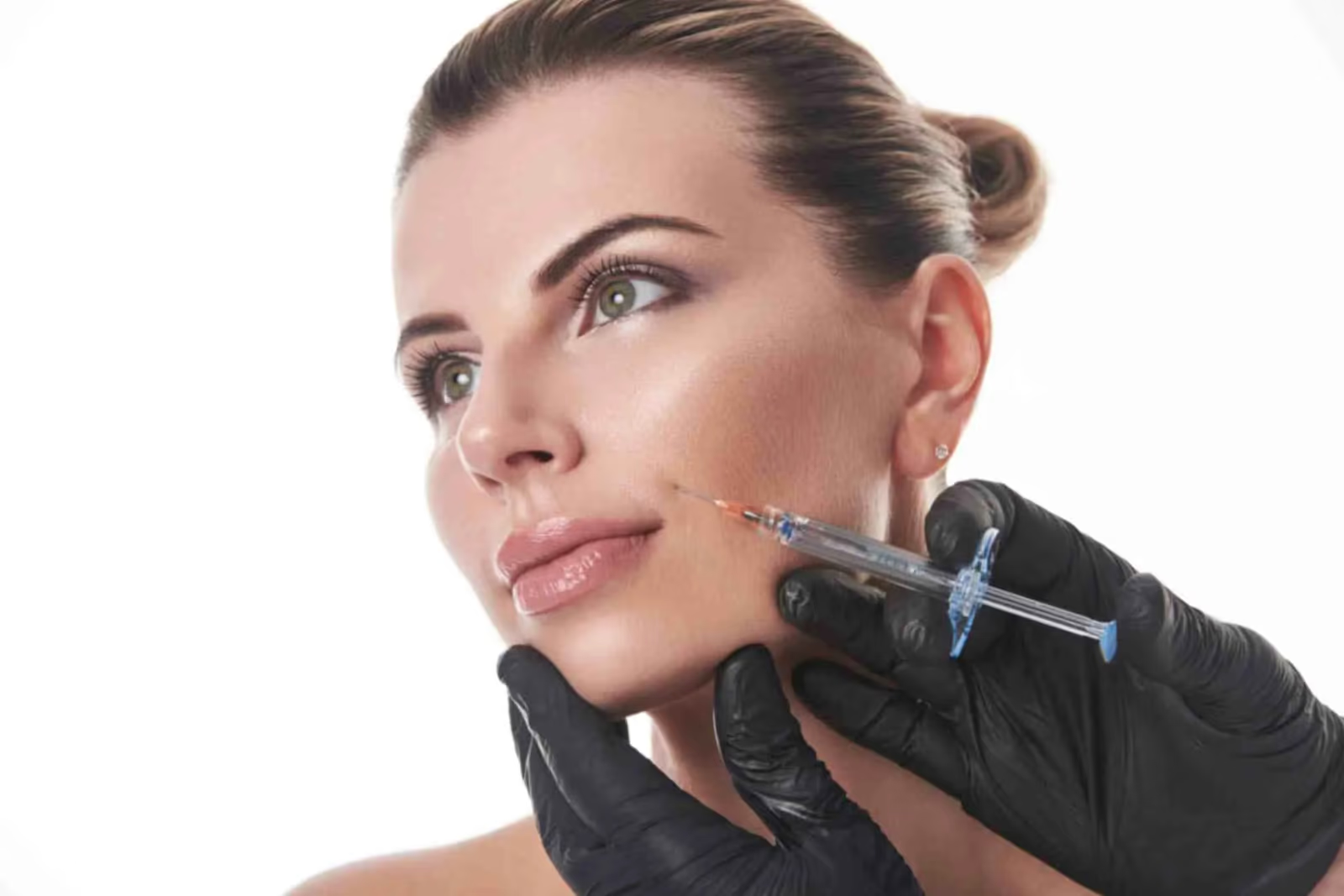
Fillers can add volume to hollow areas under the eyes, reducing the shadowing effect.
Surgical options
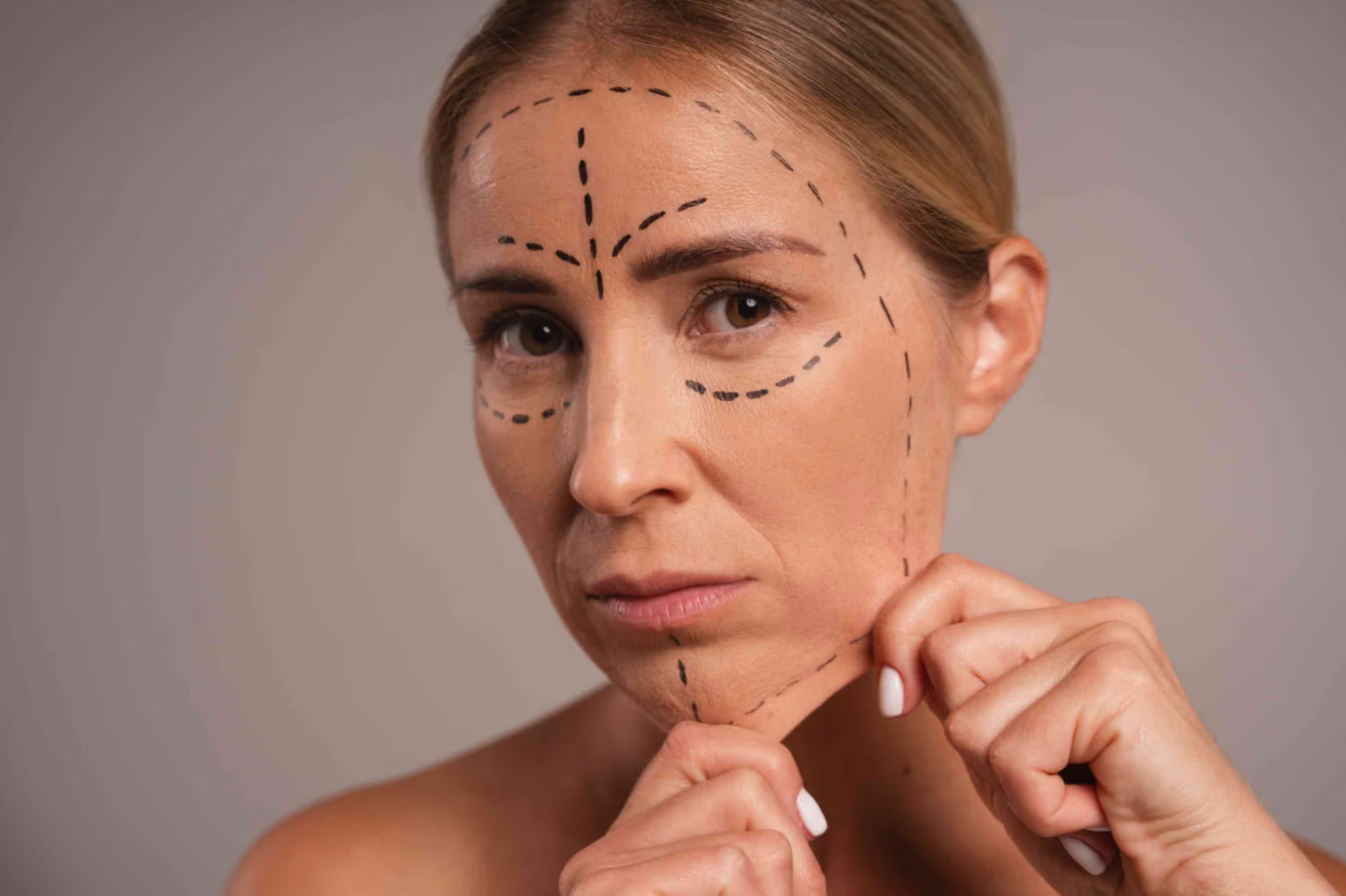
In severe cases, lower eyelid blepharoplasty can remove excess skin and fat, though it requires recovery time.
Here are some home remedies to manage dark circles:
Cucumber slices
Chilled cucumber slices can reduce puffiness and soothe the area.
Tea bags
Used tea bags, particularly green or black, help decrease dark circles by constricting blood vessels.
Cold spoons
Chilled spoons applied to the under-eye area can reduce puffiness and provide temporary relief.
Medical conditions like anemia and eczema are known to worsen dark circles in the patient. Anemia makes the skin pale thereby highlighting the darker blood vessels beneath, while eczema causes pigmentation changes around the eyes.