

About
What is Eye Bags?
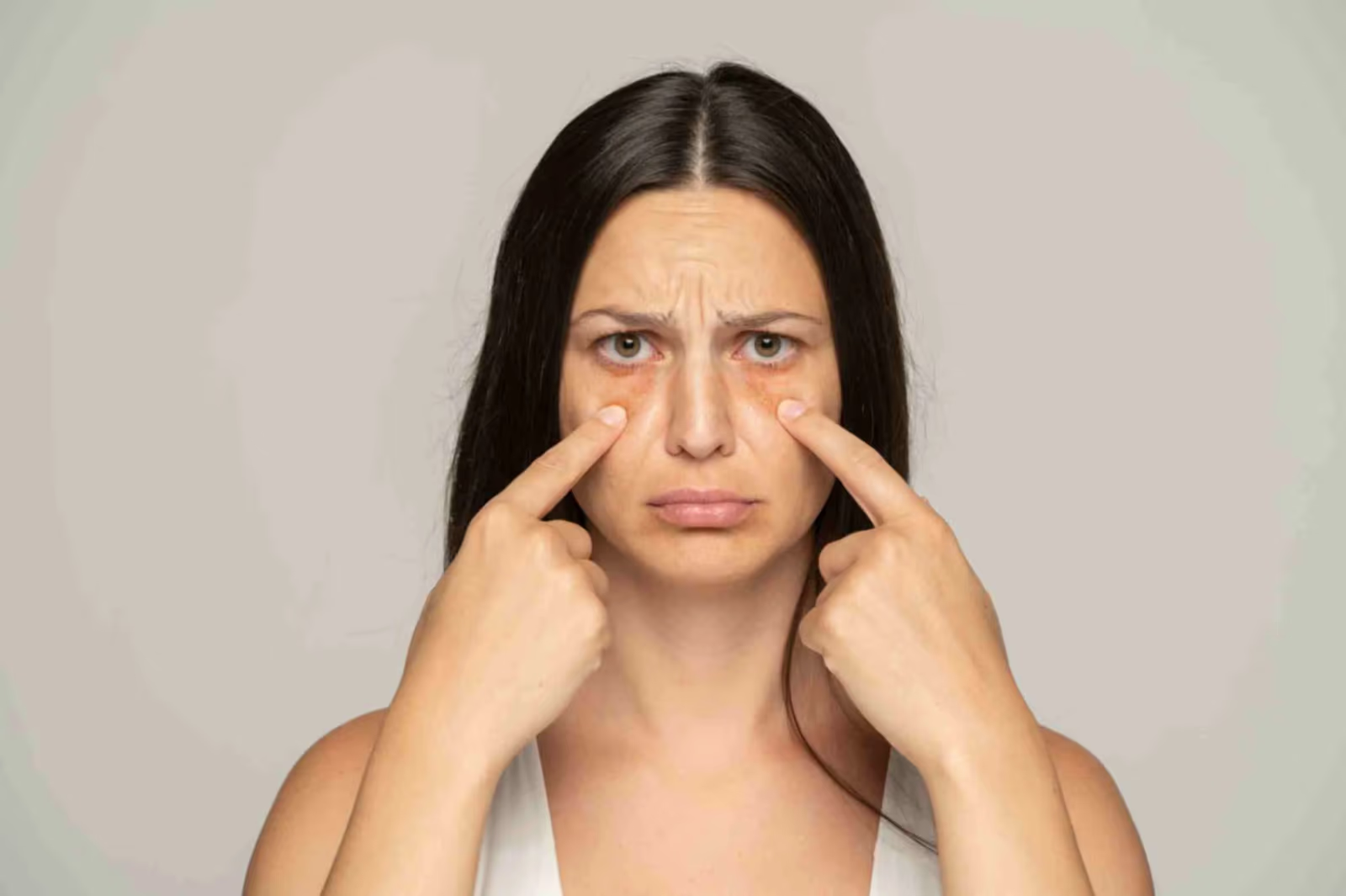
Eye bags, or the puffiness under the eyes, can be more than just a cosmetic nuisance. They often signal issues such as aging, lifestyle factors, or health concerns. Addressing them effectively requires understanding their causes and exploring various treatment options. Eye bags rather appear as swelling beneath the eyes which can ruin your overall look! Known to be typically harmless, eye bags may be exacerbated by dehydration or excessive sun exposure. Targeted treatments aim to reduce puffiness and restore a youthful look, combating not only eyebags but other concerning signs of ageing too.
Root Cause
Eye bags can be caused by several factors, and identifying the underlying reason can help in choosing the right treatment. Here’s a look at common causes:
Aging
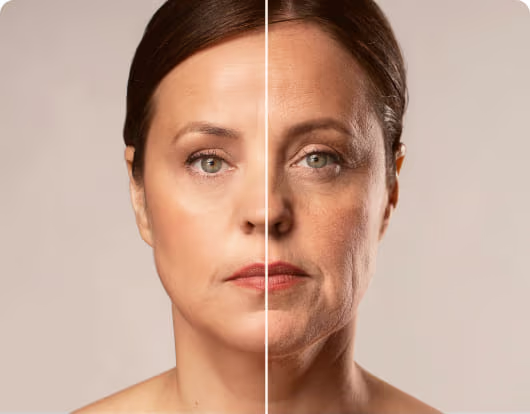
As we age, the skin loses collagen and elasticity, leading to sagging. Fat that usually cushions the eyes may shift or protrude, resulting in puffiness.
Fluid retention
Excessive salt intake, hormonal changes, or other factors can cause fluid retention, leading to swelling under the eyes.
Sleep issues
Poor or insufficient sleep can lead to fluid accumulation under the eyes, creating a puffy appearance.
Allergies
Allergic reactions can cause inflammation and fluid buildup around the eyes, resulting in bags.
Genetics
Family history plays a significant role; some people are more prone to developing eye bags due to genetic factors.
Dehydration
Dehydration can cause the skin to appear dull and exacerbate the appearance of eye bags.
Sun exposure
Excessive sun exposure can weaken the skin around the eyes, making it more prone to sagging and puffiness.
The Science Behind the Cause
When muscles and connective tissues supporting the eyelids weaken with age, It leads to fat and fluid accumulation in the under-eye area. The underlying fat pads are shifted forward due to the loss of collagen with age and hence the puffiness. Other factors include lack of sleep, stress, allergies, genetics, and lifestyle habits like smoking and poor diet. Fluid retention from foods containing too much salts or medical conditions where hormonal imbalances occur also contribute to swelling. Moreover, the lack of elasticity in the skin with age results in sagging, further causing the eye bags to develop naturally.
Prevention & Management
To help prevent eye bags from developing or worsening, consider the following lifestyle changes:
Get adequate sleep
Ensure you get 7-9 hours of quality sleep each night.
Cold compresses
Applying a cold compress or chilled tea bags to the eyes can reduce swelling and constrict blood vessels for temporary relief.
Sleep improvements
Ensuring you get adequate sleep and elevating your head with extra pillows can prevent fluid accumulation and reduce eye bags.
Hydration
Drinking plenty of water keeps the skin hydrated and can help reduce puffiness caused by fluid retention.
Allergy management
Treating allergies with antihistamines or avoiding allergens can reduce inflammation and fluid buildup around the eyes.
Dietary adjustments
Reducing salt intake helps prevent fluid retention and decreases puffiness.
Use sunscreen
Protect the delicate skin around your eyes from sun damage.
Here are natural home remedies that can prevent eye bags:
Cucumber slices
Chilled cucumber slices can reduce puffiness due to their cooling and anti-inflammatory effects.
Tea bags
Used tea bags, especially green or black, can help decrease swelling. The caffeine and antioxidants help constrict blood vessels.
Aloe vera
Applying aloe vera gel to the under-eye area can soothe and hydrate the skin, reducing puffiness.
Potato slices
Chilled raw potato slices may help reduce swelling and lighten dark circles due to their enzymes and antioxidants. Apply for 10-15 minutes.
Several effective treatments can help prevent eye bags:
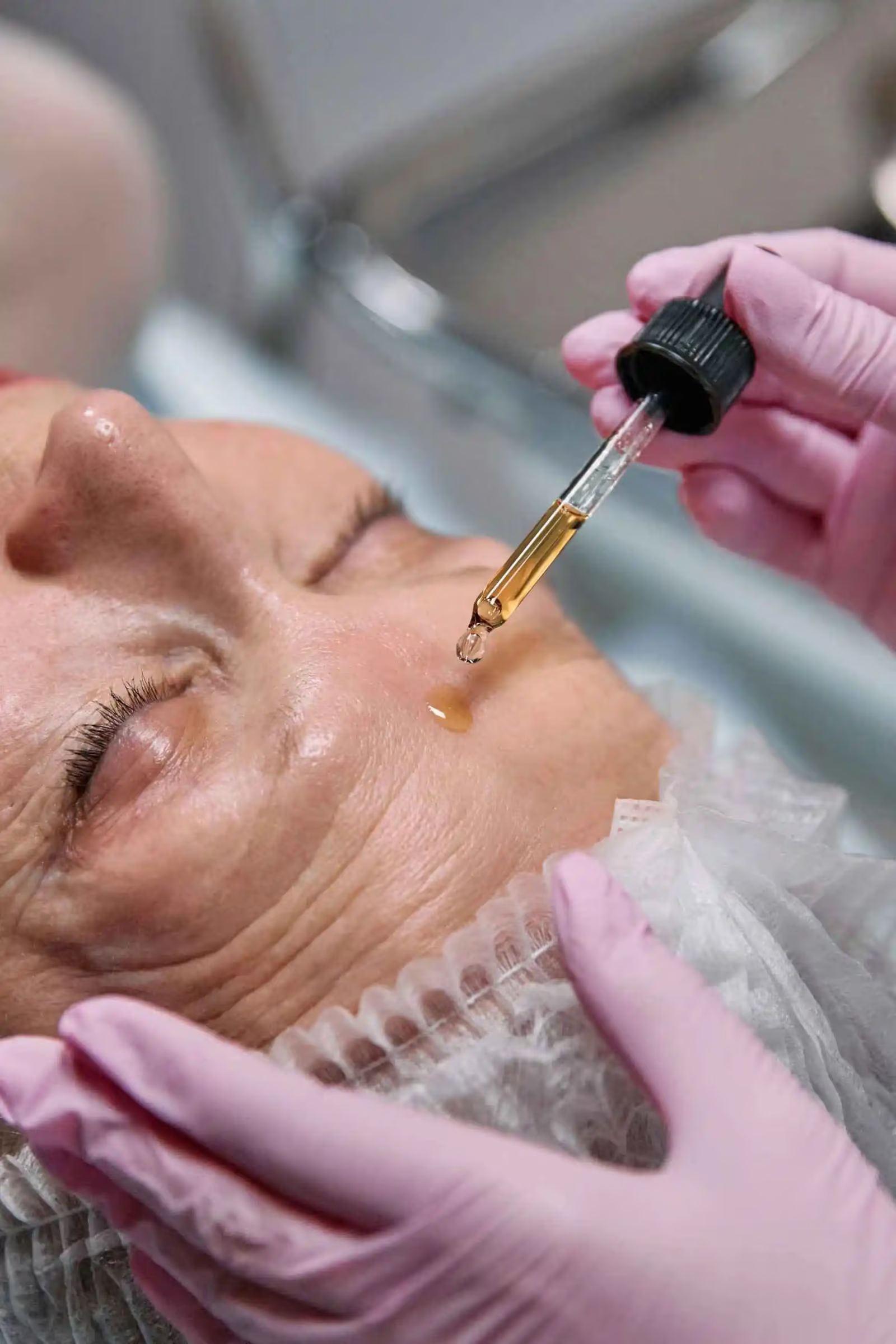
Topical creams
Creams with caffeine, retinol, or peptides can help reduce puffiness and improve skin firmness around the eyes.
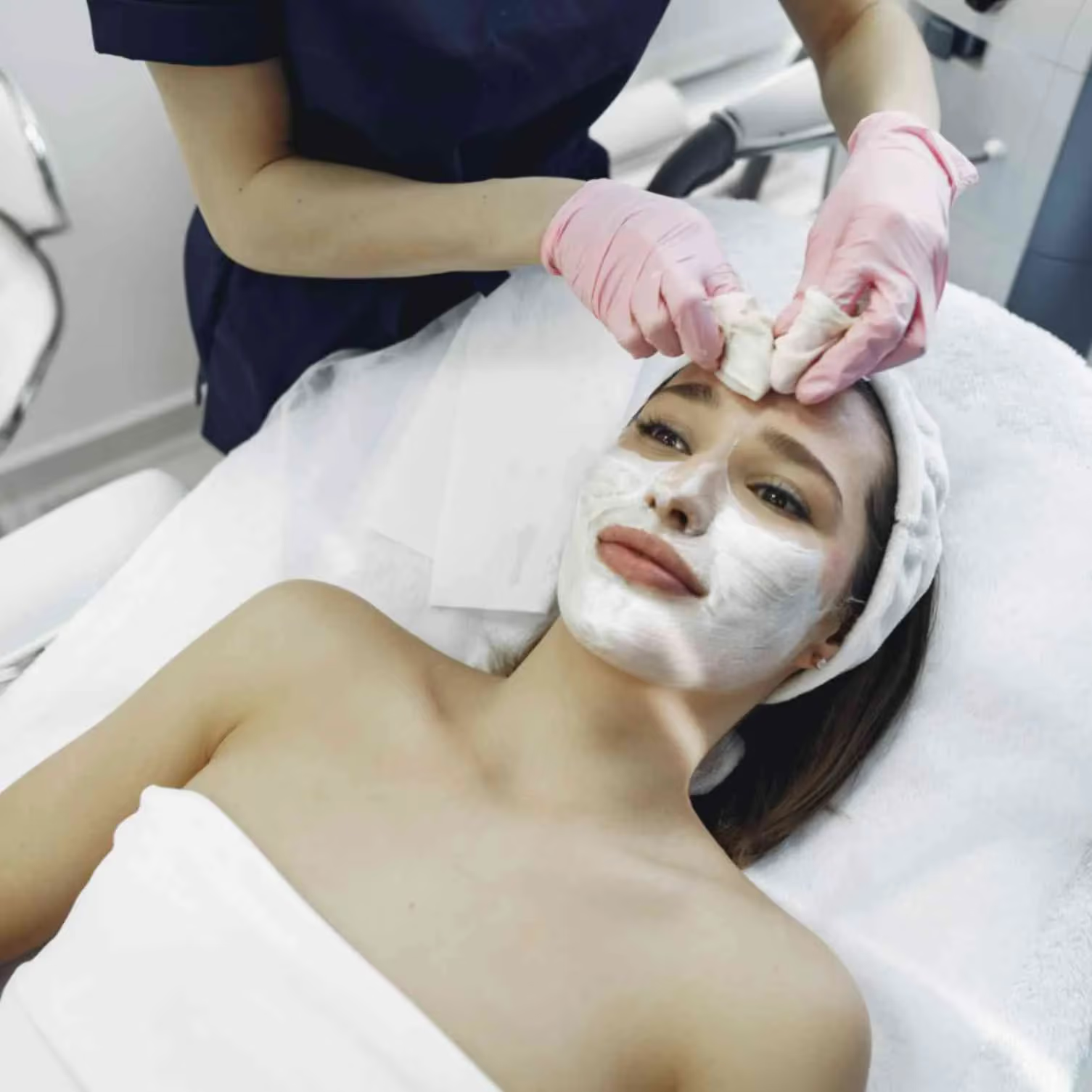
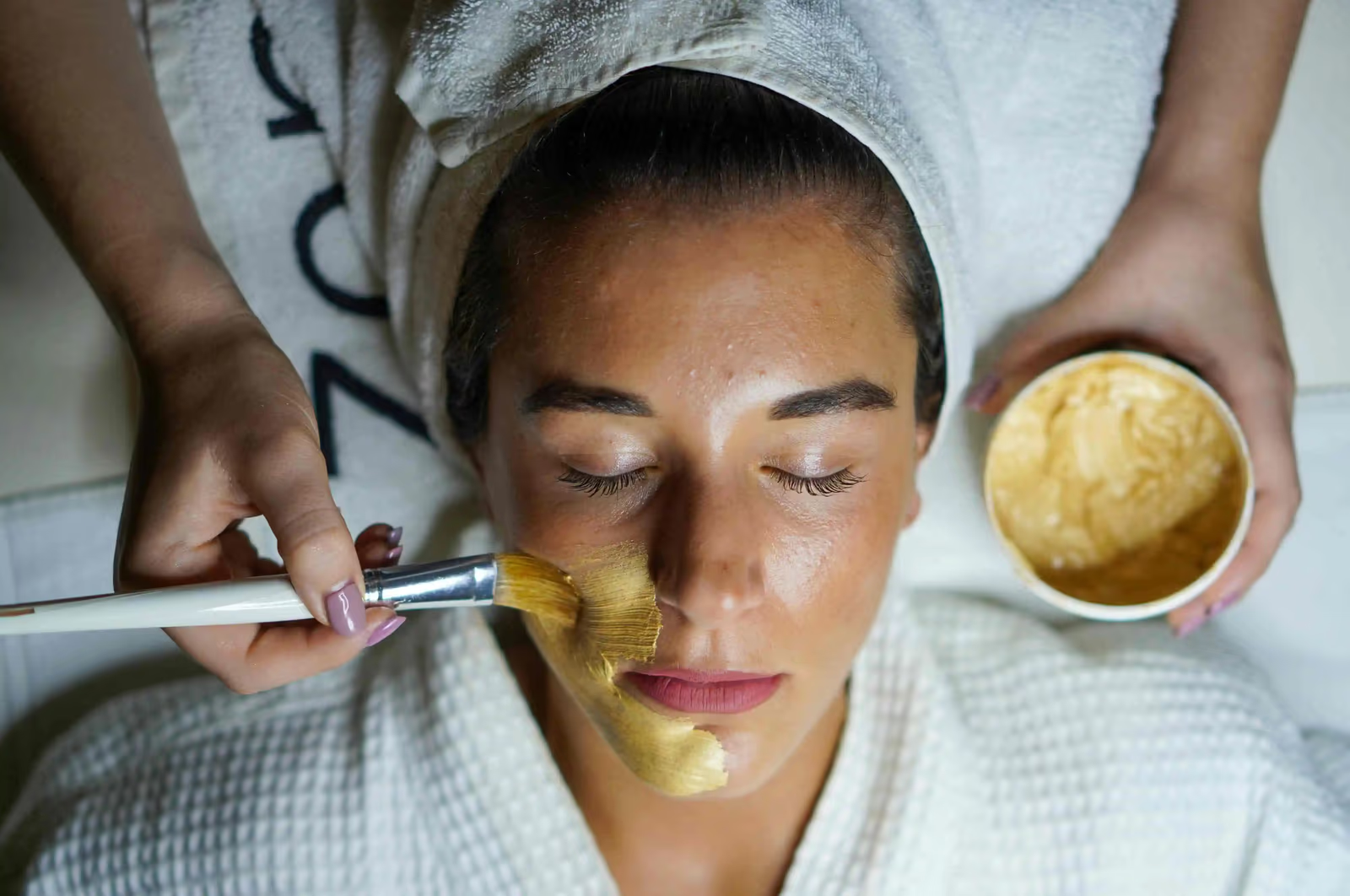
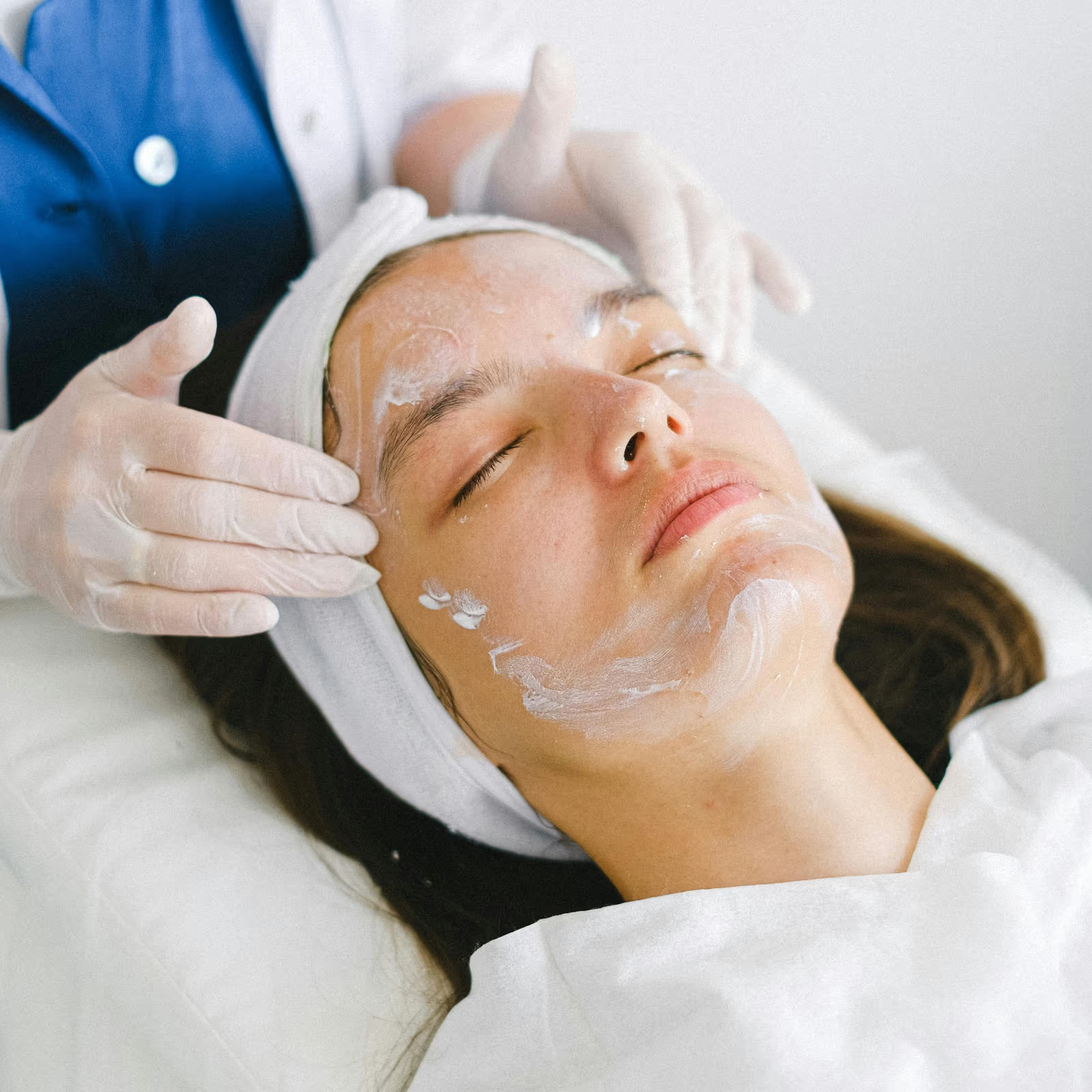
Chemical peels
Mild chemical peels improve skin texture and reduce discoloration around the eyes, though they are less effective for puffiness.
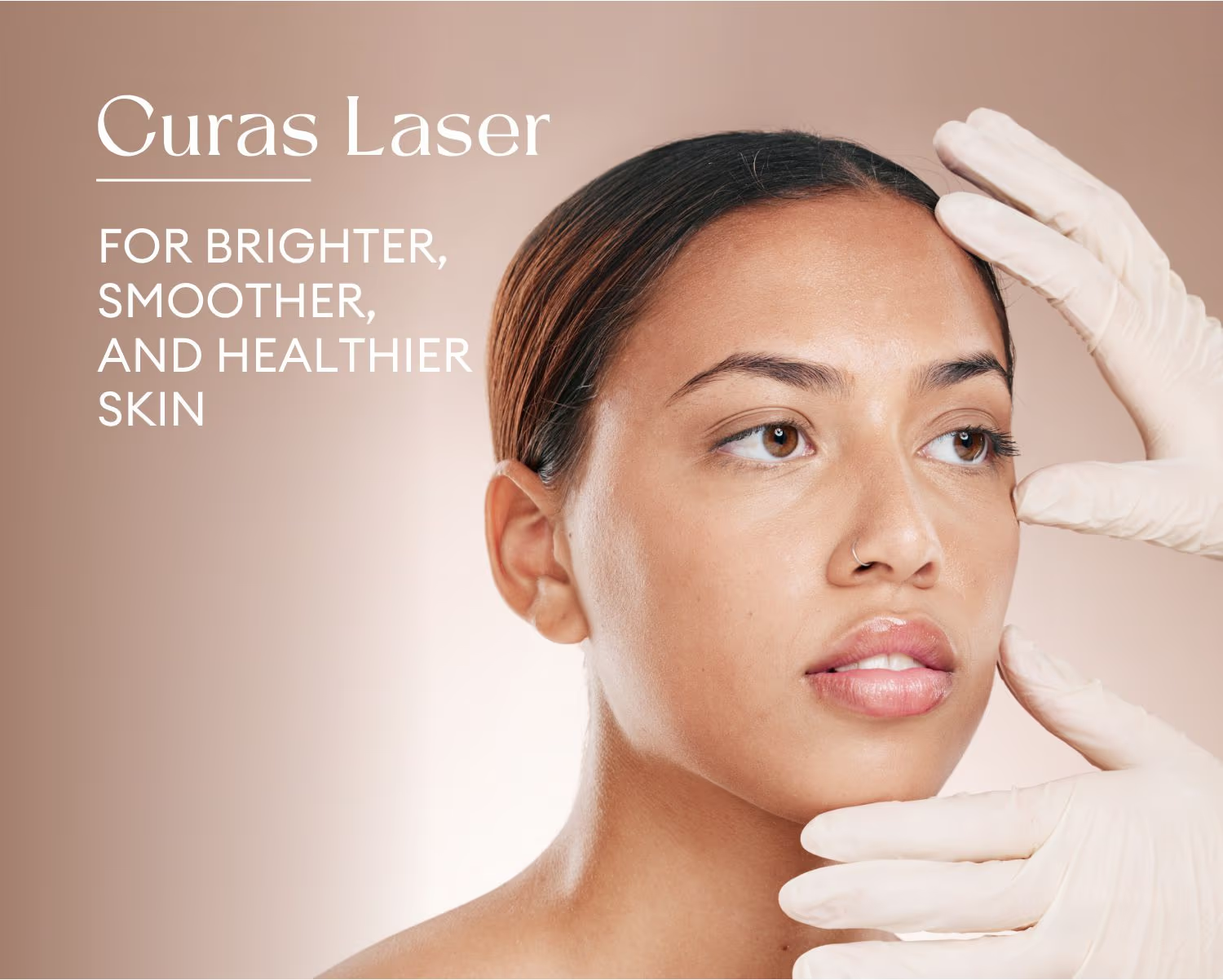
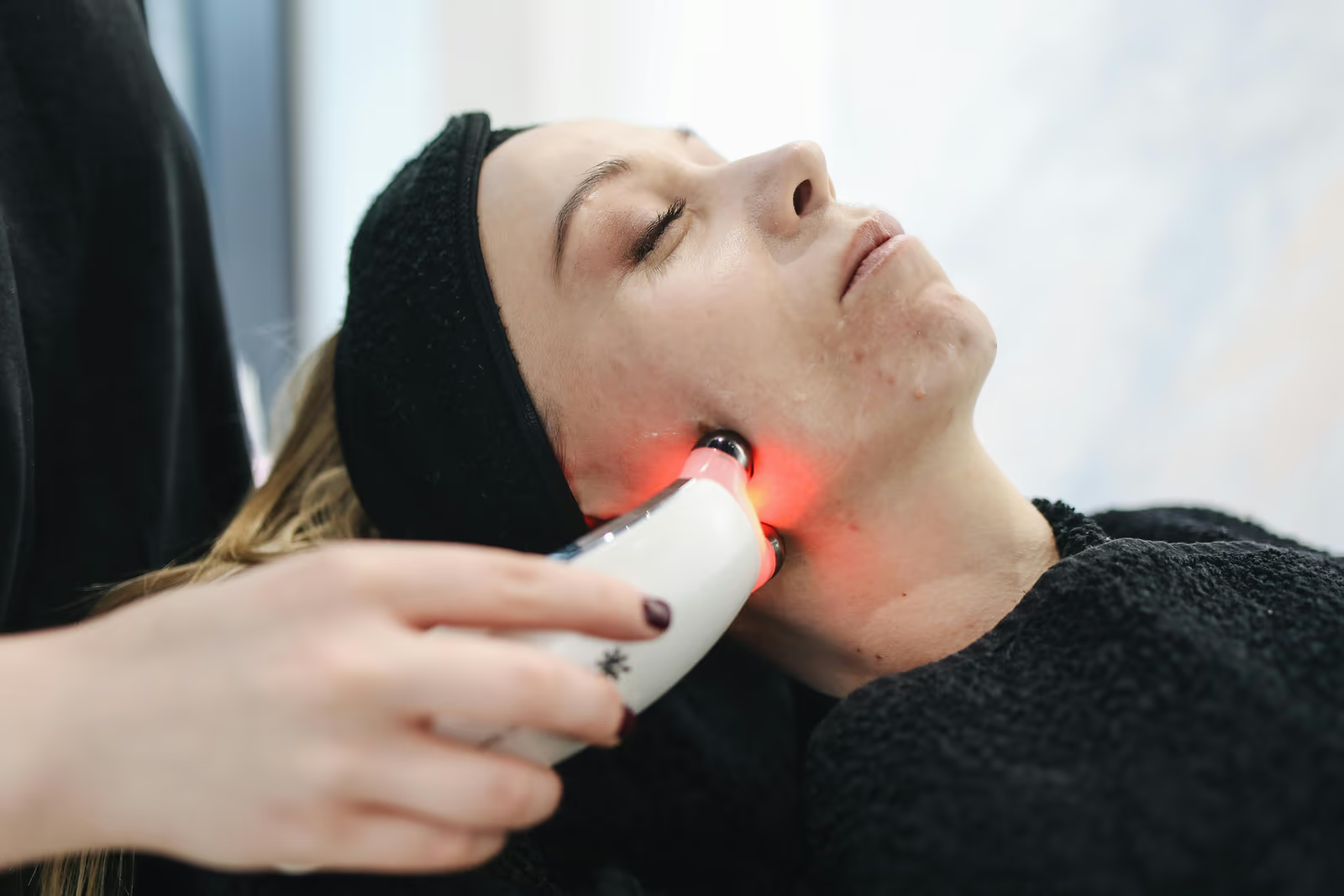
Laser treatments
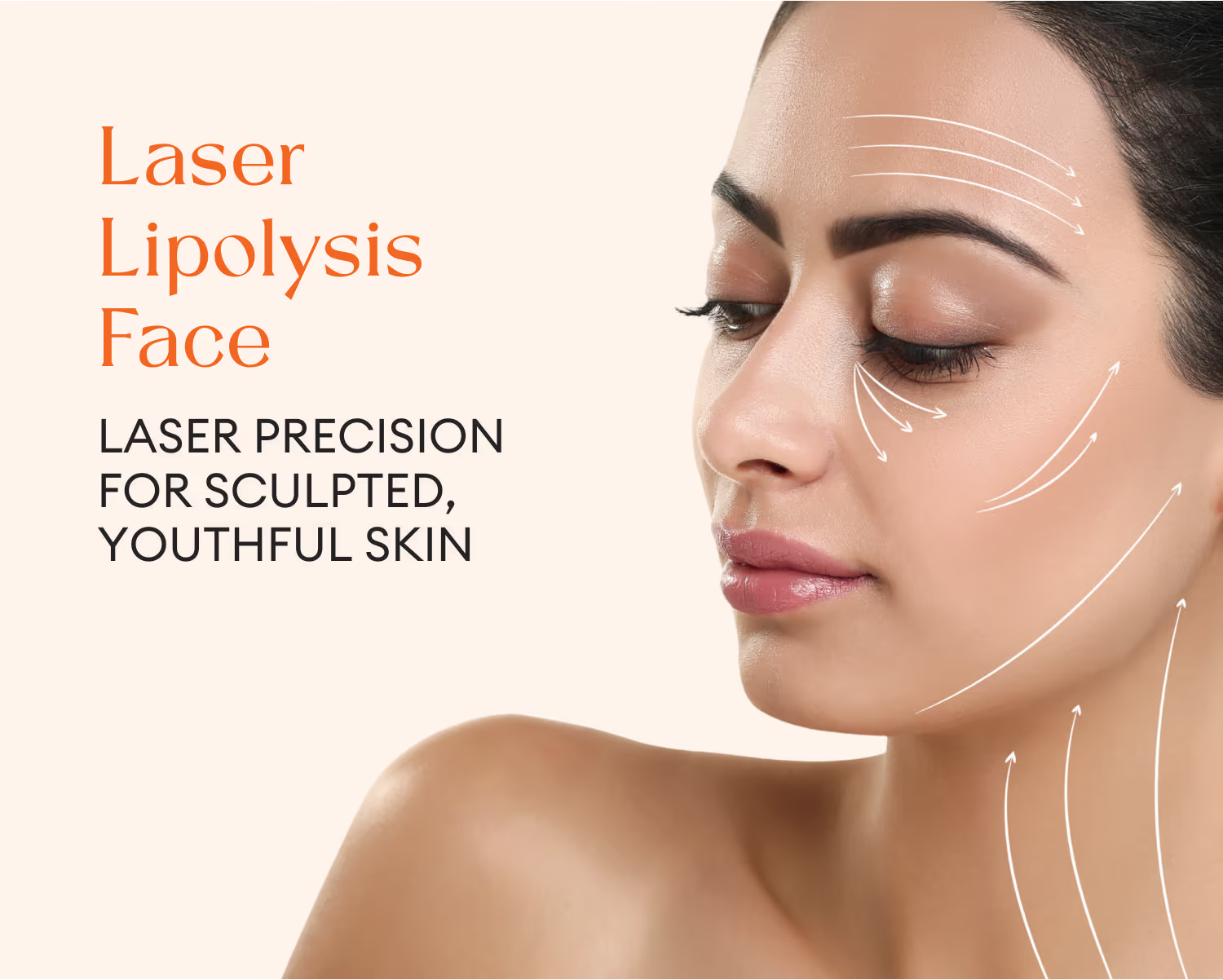
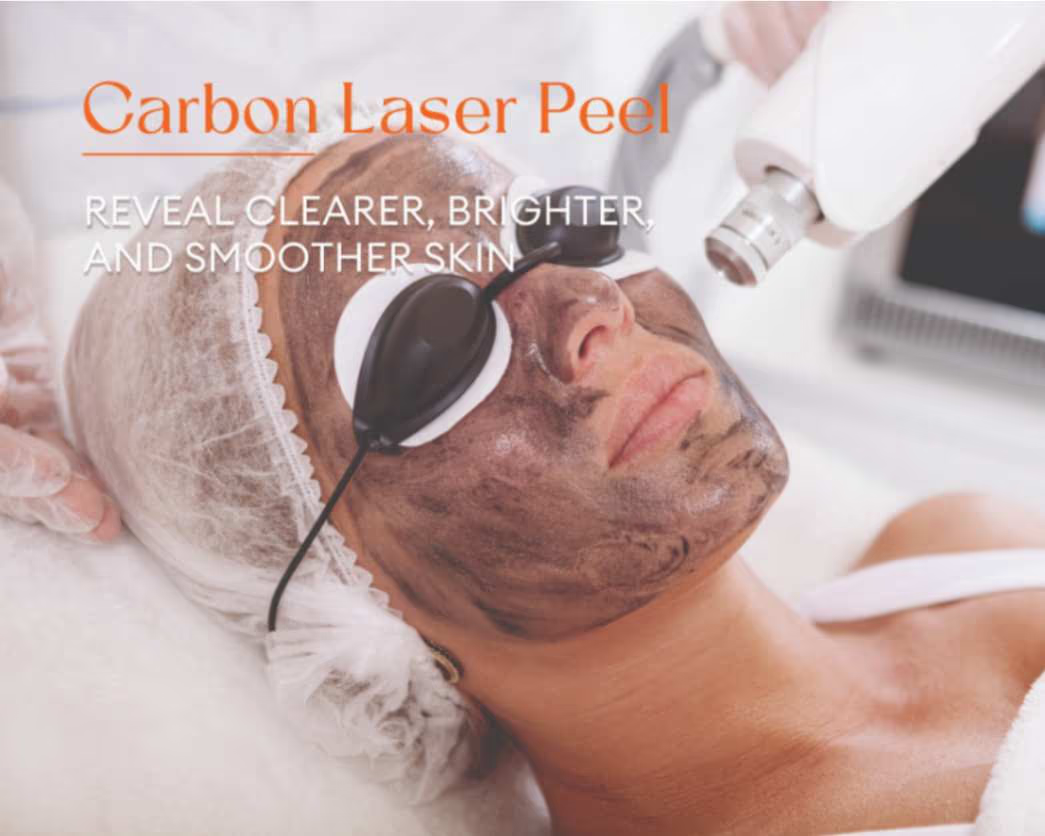
Laser therapy tightens the skin and stimulates collagen production, addressing both puffiness and sagging.
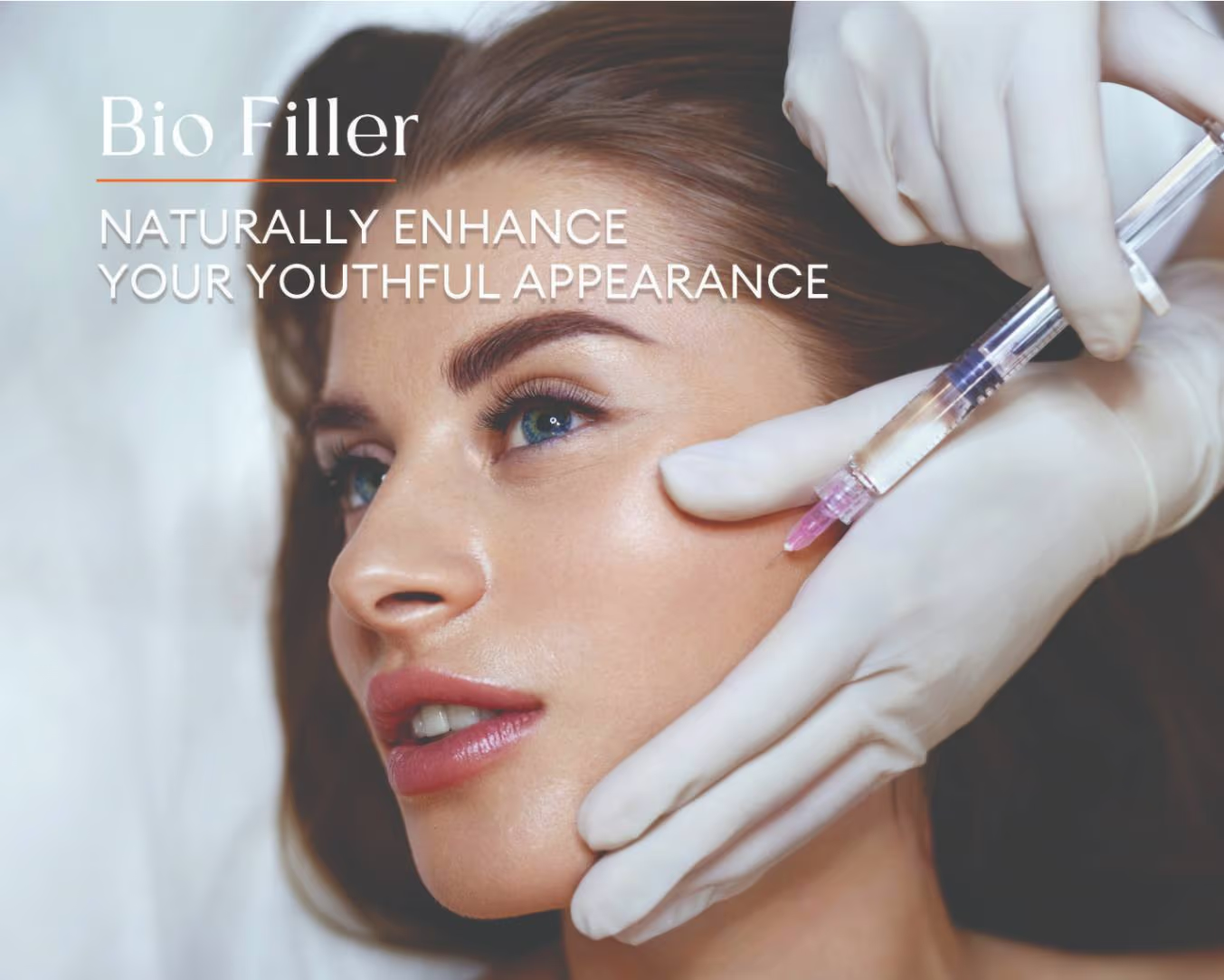
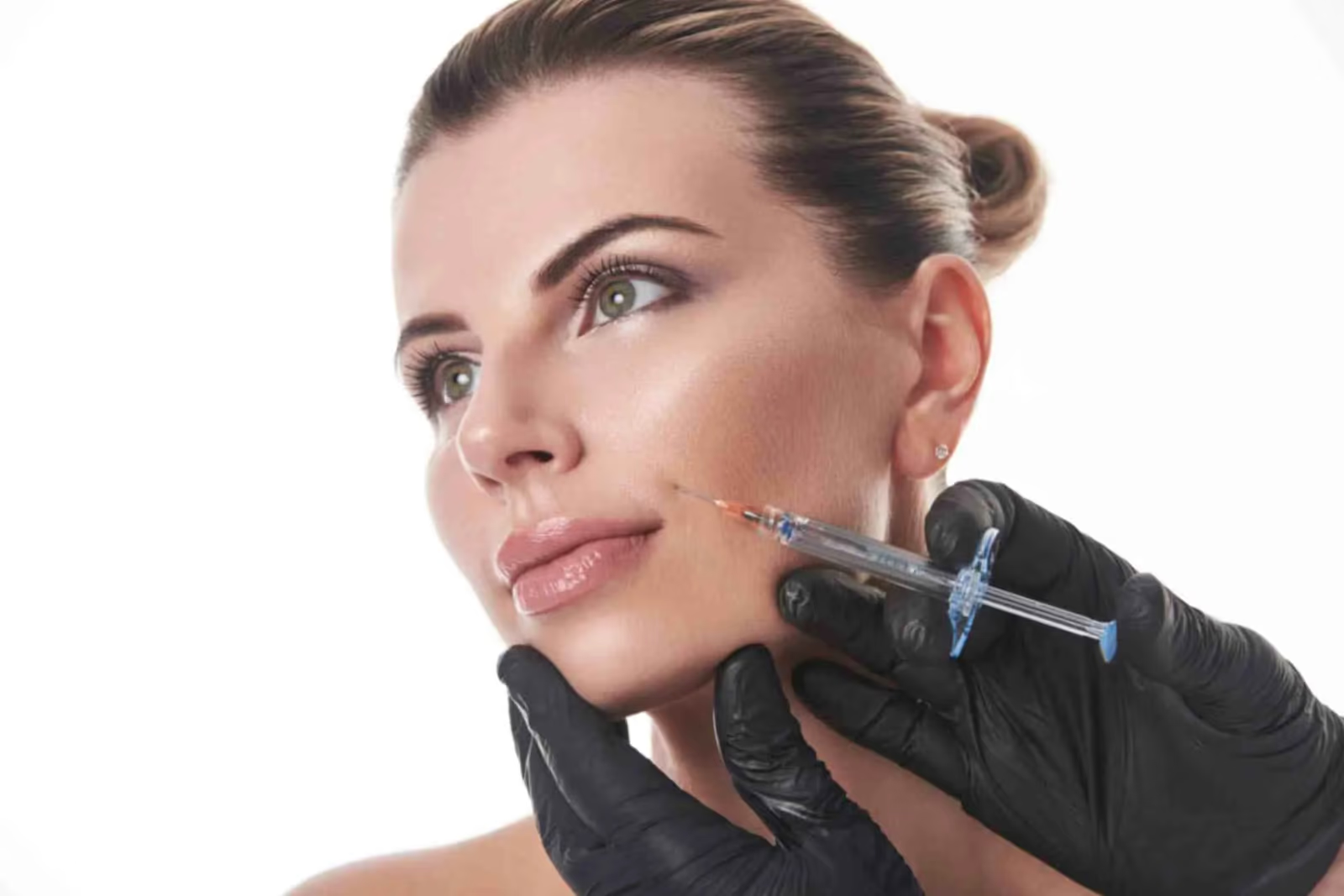
Dermal fillers
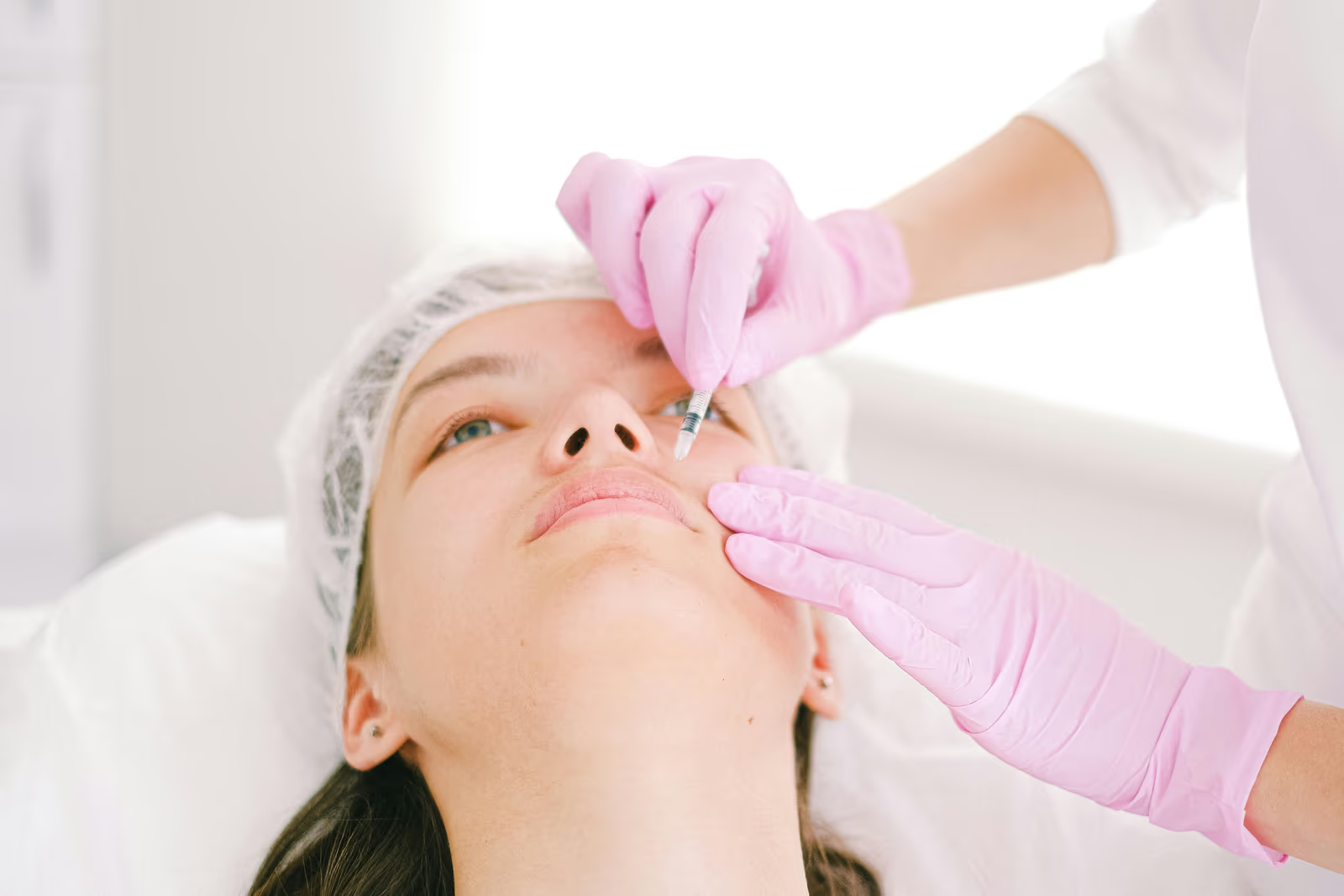
Fillers can add volume and smooth out the area under the eyes, reducing the appearance of bags.
Surgical options
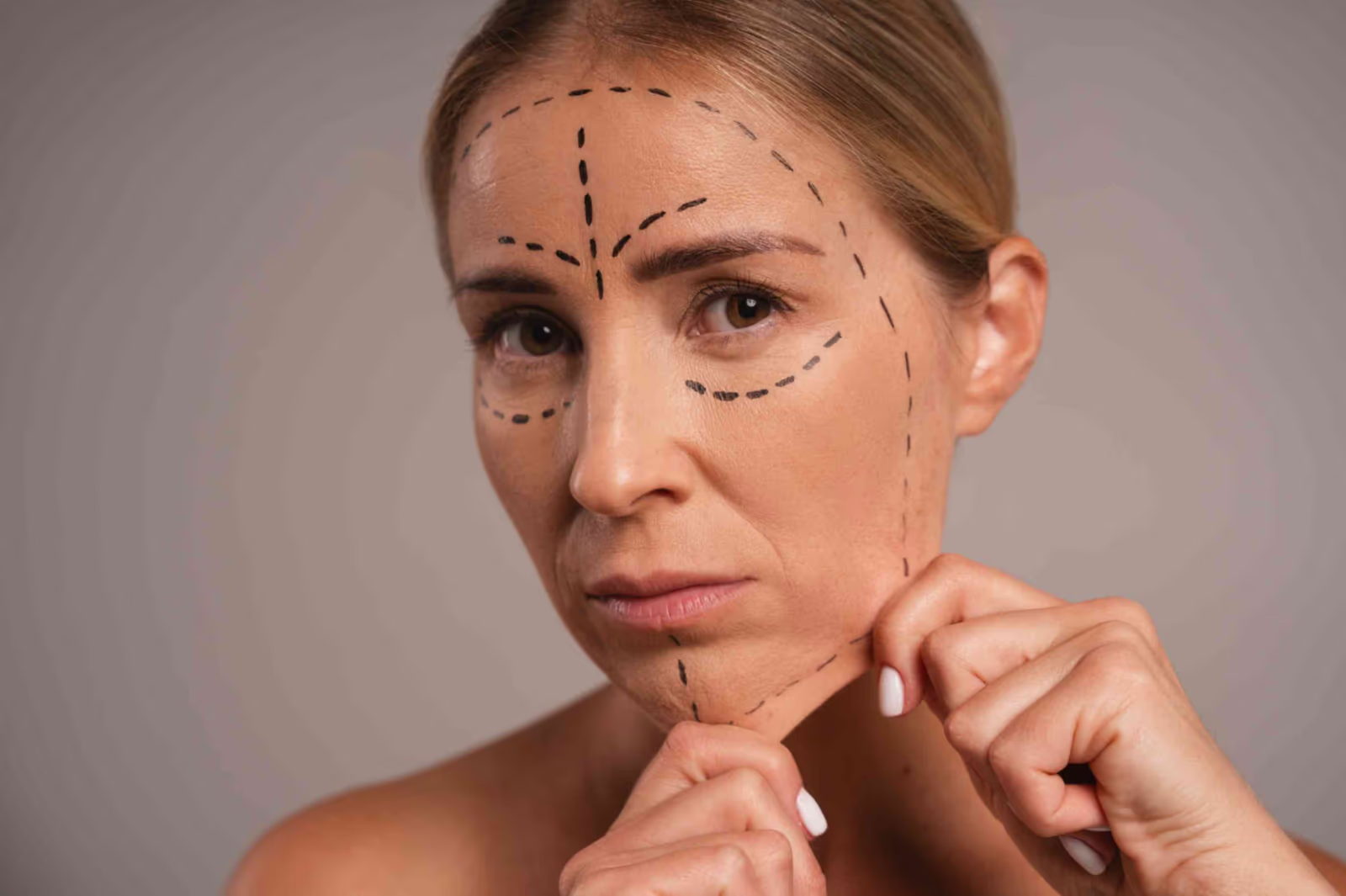
In severe cases, surgical procedures like blepharoplasty can remove excess skin and fat, offering a more permanent solution.