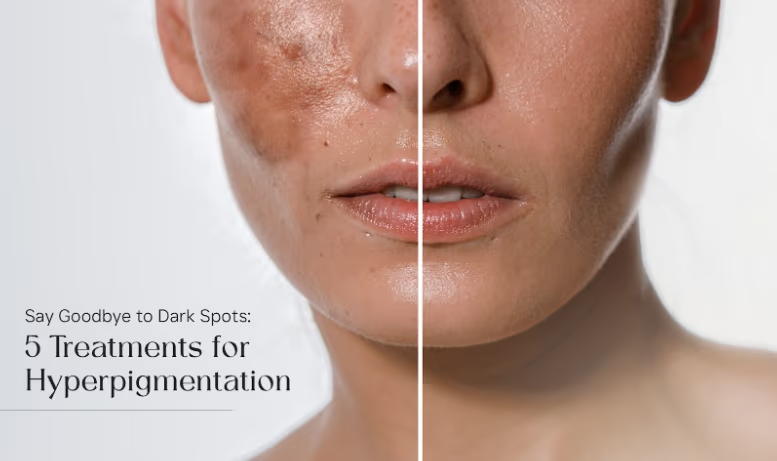
What if removing acne, wrinkles, and age spots was a matter of a few painless sessions? Yes, you read that right. Thanks to science, people are now able to tackle pigmentation, blemishes, acne scars, and fine lines in ways easier than year-long medications. While exfoliation is a process to remove dead skin cells on the epidermis—the outermost layer of the face, chemical peels remove the whole epidermis and other layers of the skin.
To understand the concept of chemical peels, think of the face having layers akin to an onion. We unravel the layers of an onion to reveal a clean surface. Chemical peels treat our face similar to an onion. When the outer layer is removed, surface-level spots disappear along with it and leave smoother, even-toned skin. When the scars are deeper and more prominent, another inner layer is removed to reveal a scarless face.
So, what exactly is the process of a chemical peel?
First and foremost, consult a skin doctor to understand your skin needs. If you have skin conditions like psoriasis, it’s better not to experiment with chemical peels. Other than that, pregnant and lactating women should avoid peels too. But if you have generally healthy skin, you are more than eligible for a chemical peel!
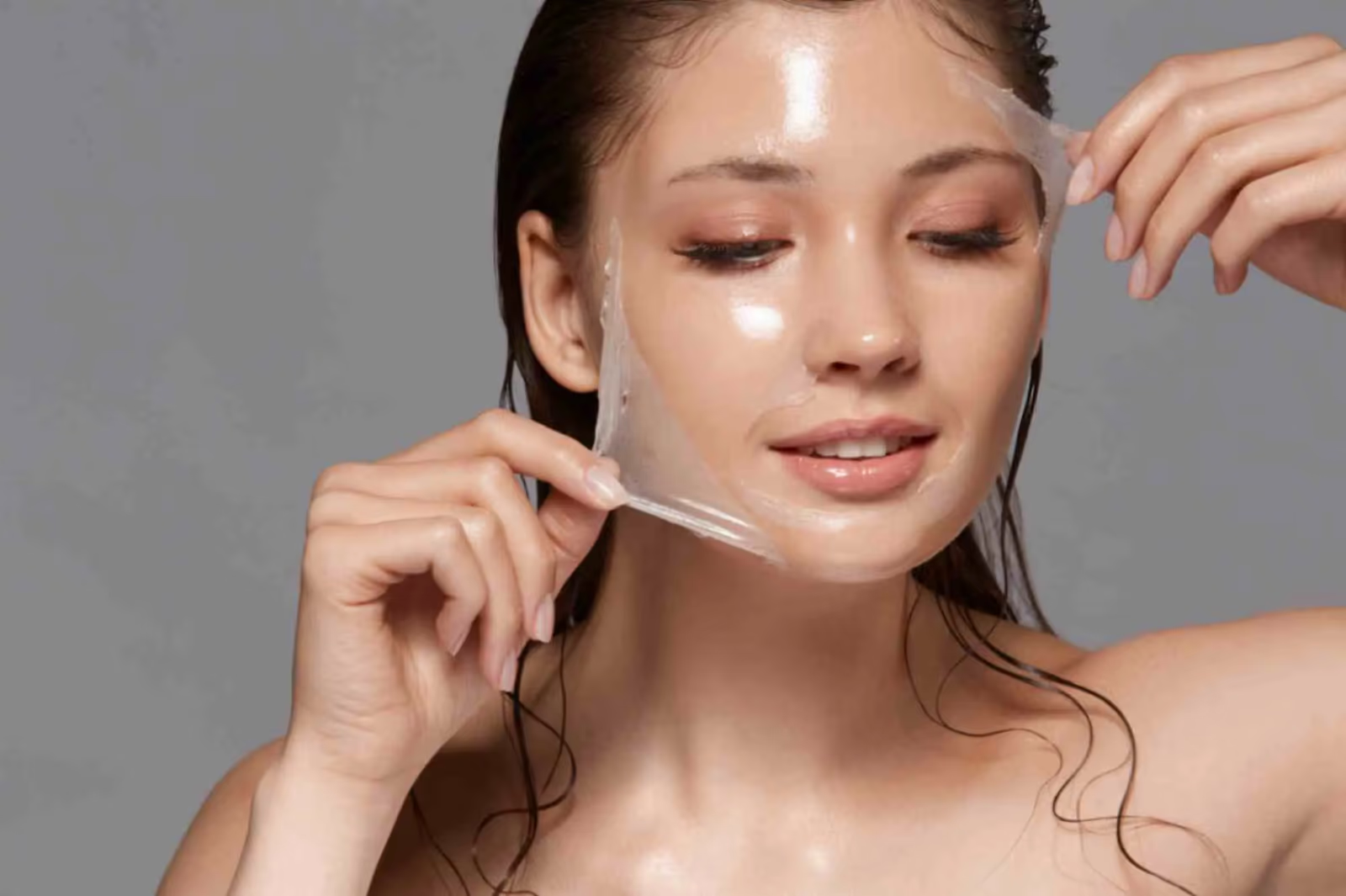
Chemical peels make use of cleansing and healing acids like salicylic acid, jasmonic acid, and chemicals like potassium iodide to reach deep inside the skin. The face of the client is thoroughly cleaned to ensure that the ingredients seep inside effectively, after which, a small patch is applied on the skin to look out for any sensitive reactions.
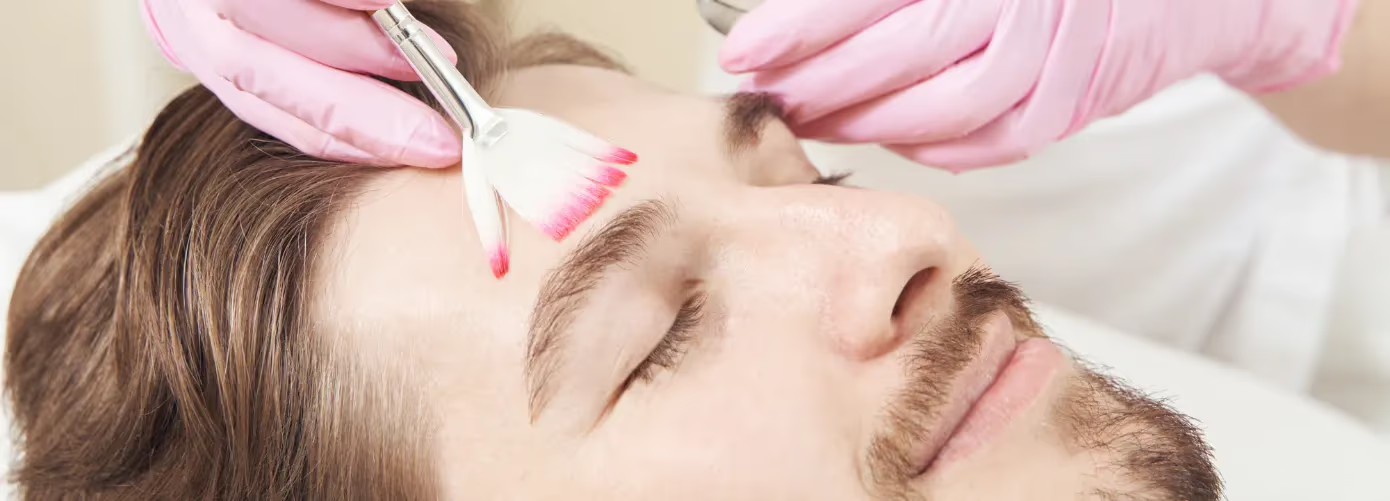
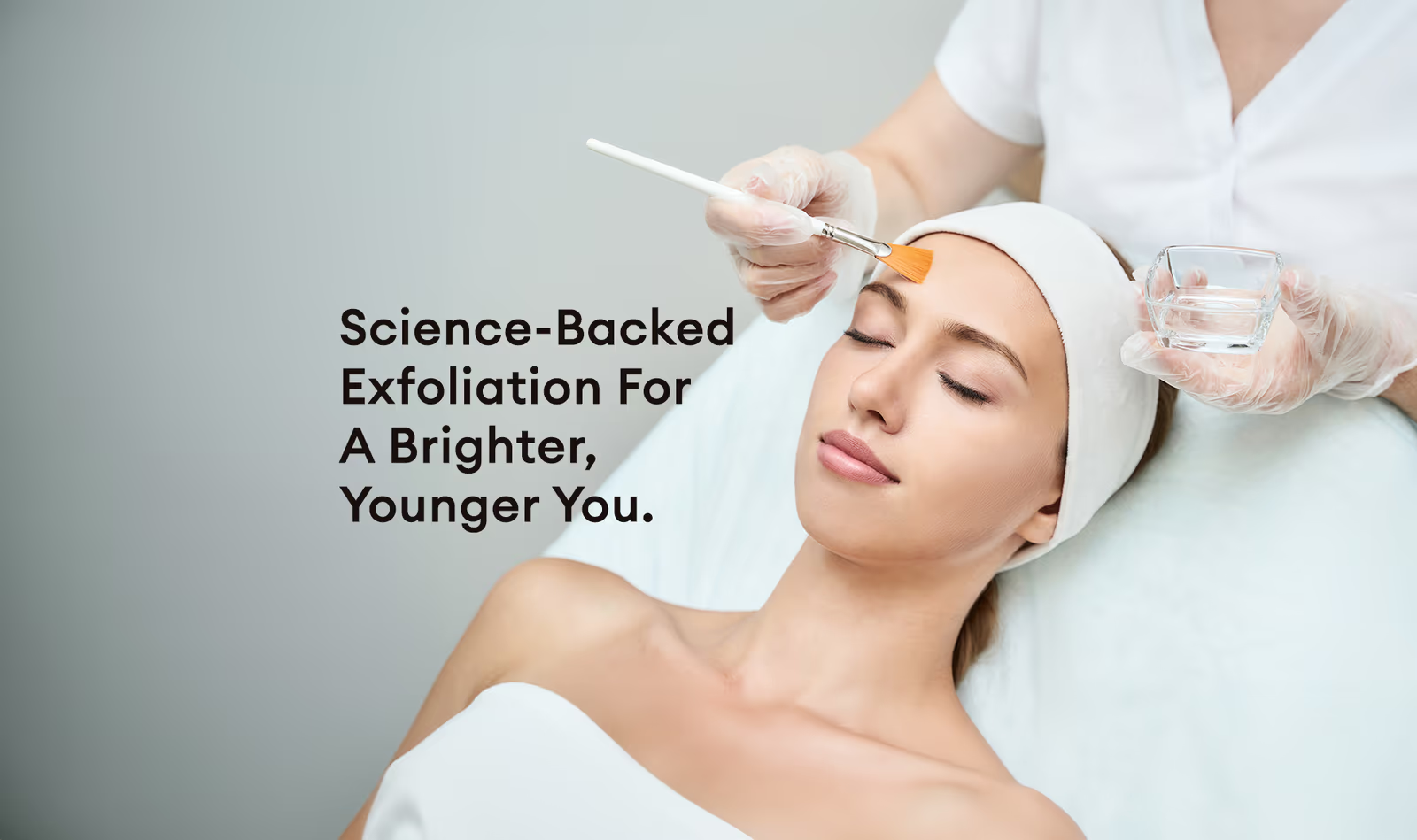
The next step is to apply the peel on the face using a brush. Once done, the peel is neutralized to prevent it from seeping too deep, well obviously, after it has done its work on the skin.
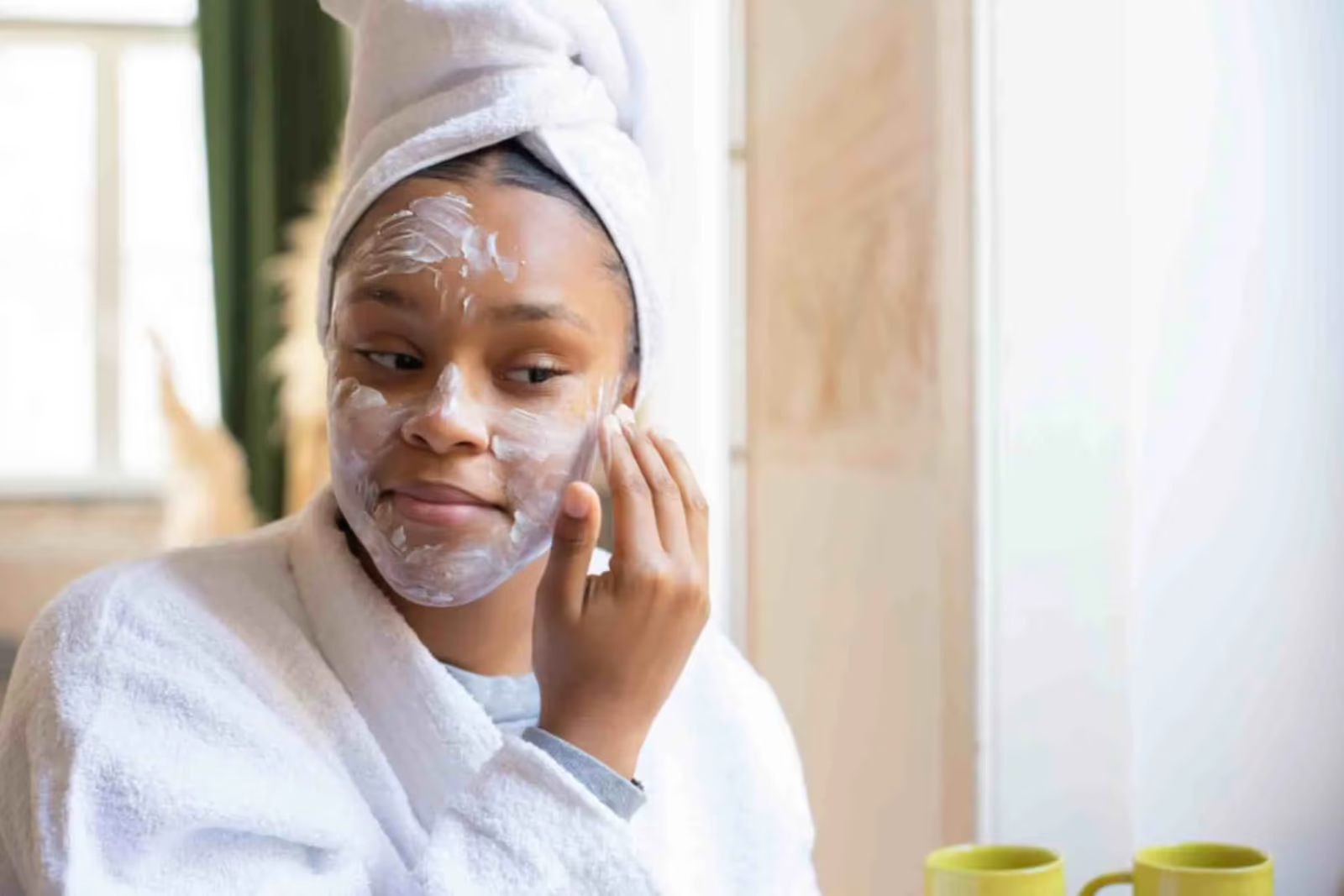
The after-care is essentially important and is done with delicate care keeping in mind the vulnerability of the skin. The first step in the after-care process is moisturising the skin with aloe vera gel or any good moisturising ointment.
For neutralisation, a simple post-peel neutralising spray is used along with a pore sealing gel shield for better protection. It is absolutely necessary to apply sunscreen after this last step as the sun may cause harm to the newly exposed skin.
Now that you have become familiar with the chemical peel procedure, there arises the question—What are the various types of chemical peels?
It has three basic types as per the three skin layers:
- Light
This one is pretty mild as it only removes the top layer of the skin, the epidermis. It wipes away surface-level blemishes and acne scars and very effectively tackles uneven skin tone, hence providing a smooth finish. People who struggle with dry skin can get their cure easily with a light chemical peel. One can go for a session every three-four week for good results.