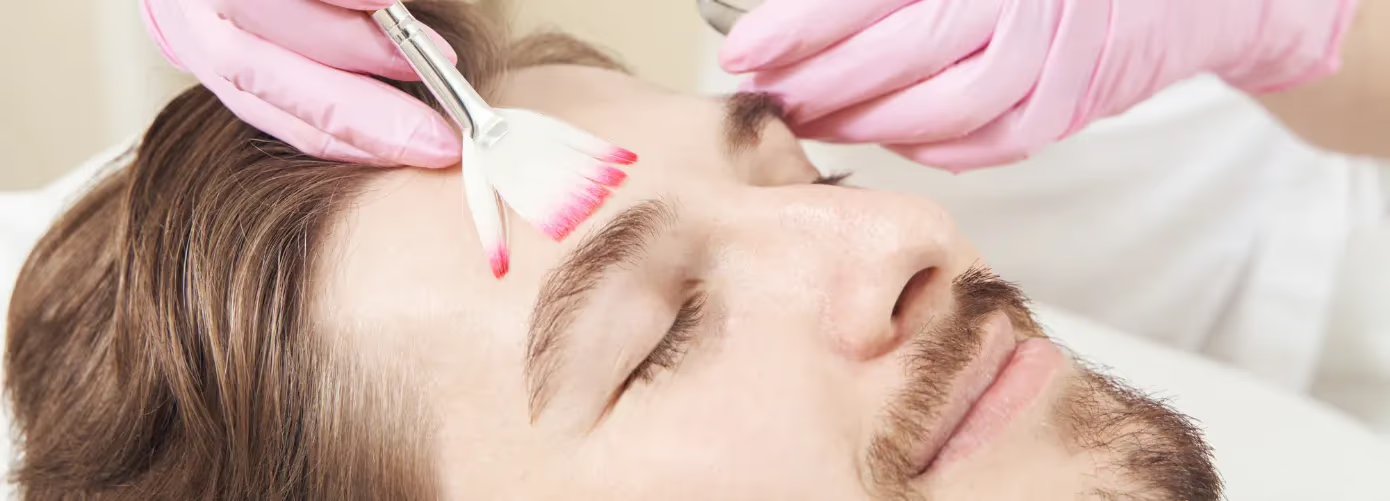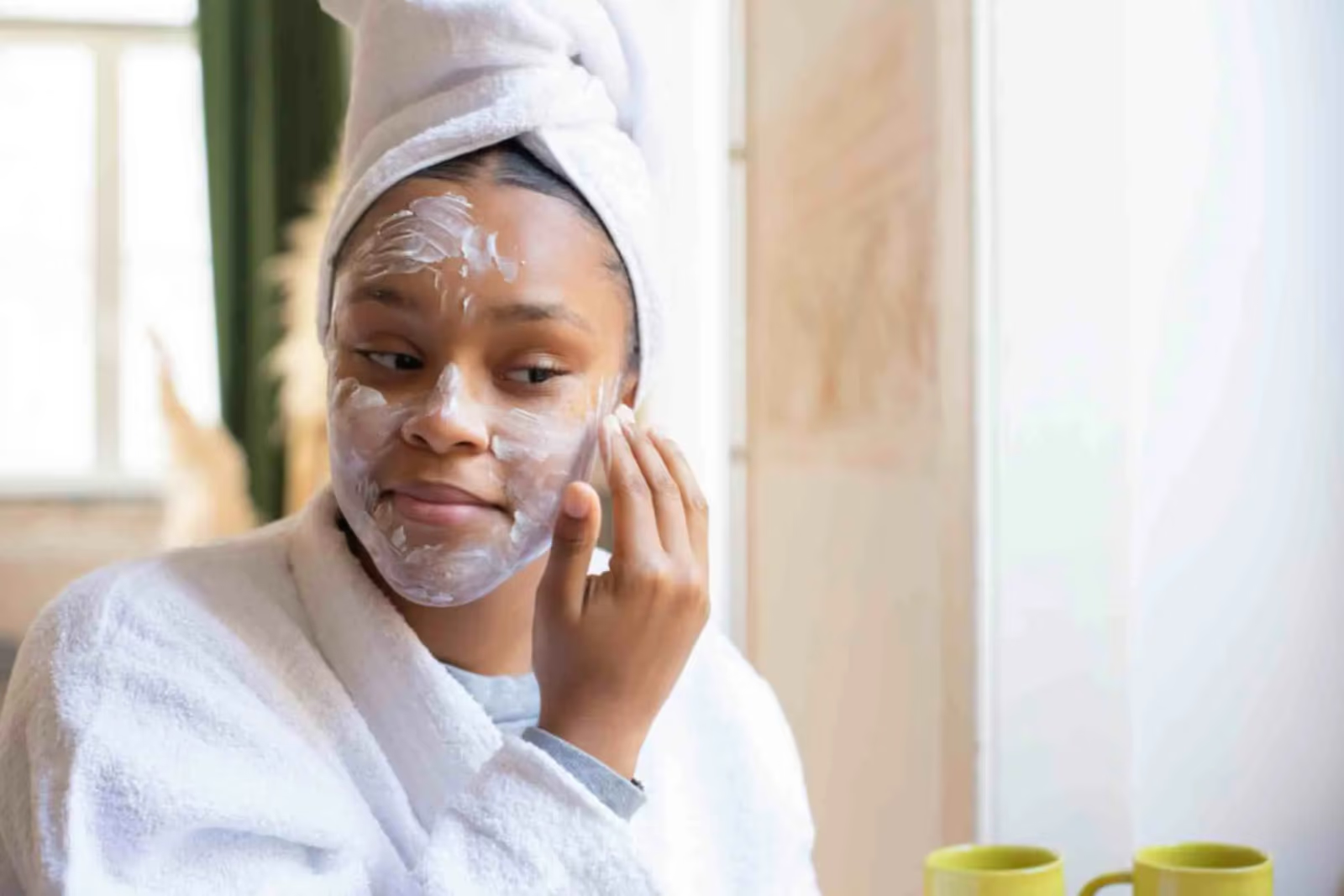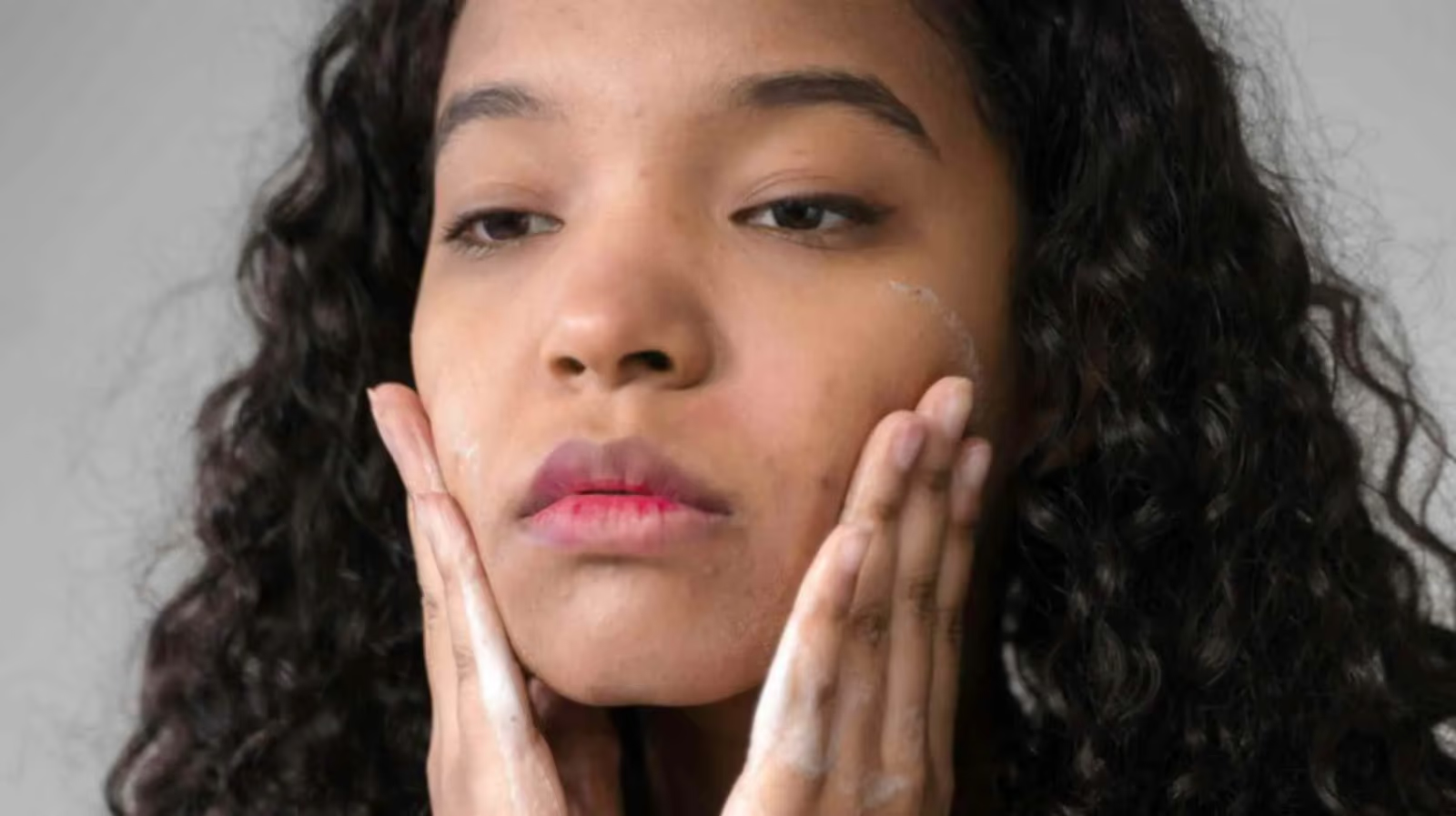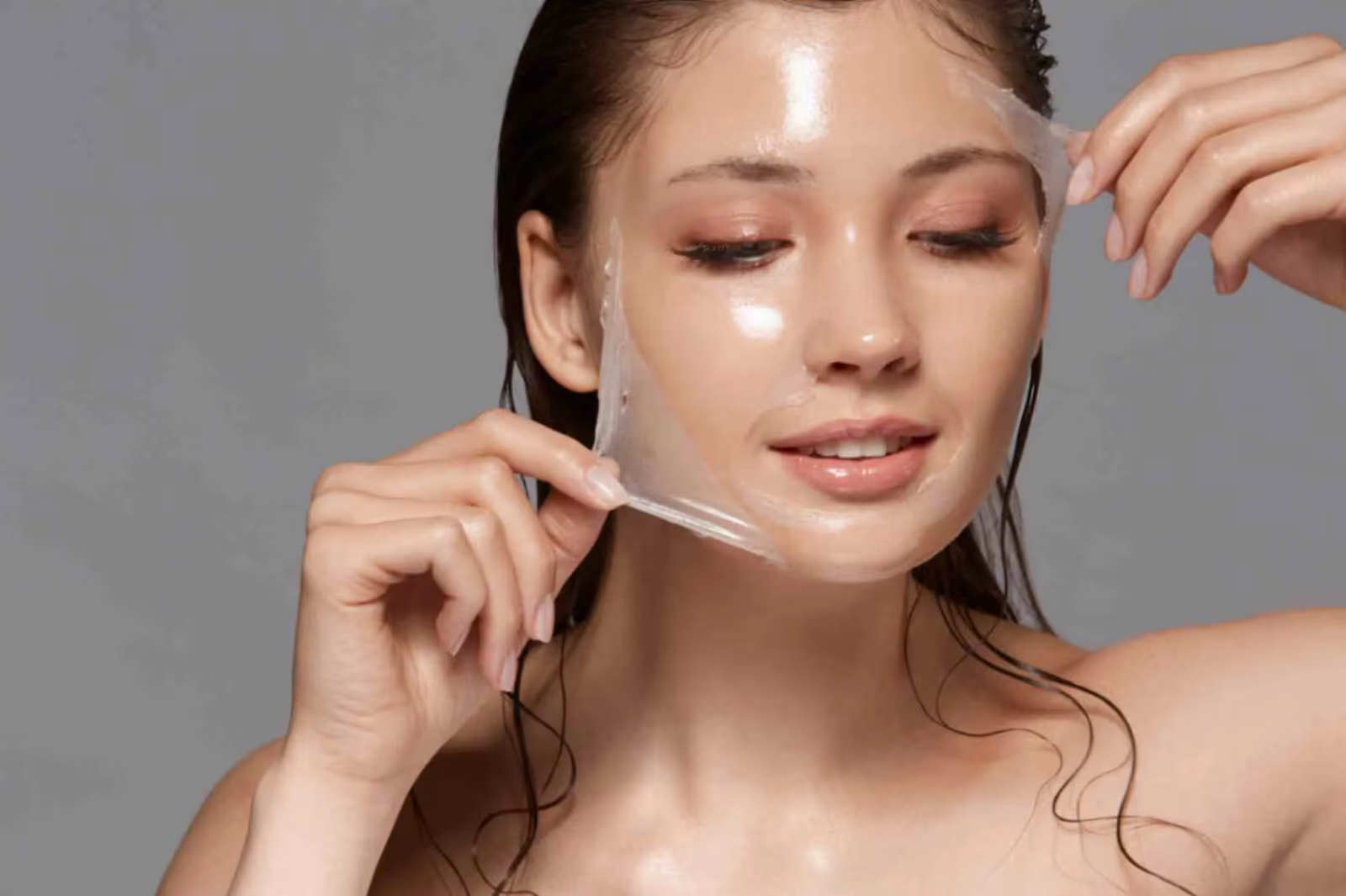
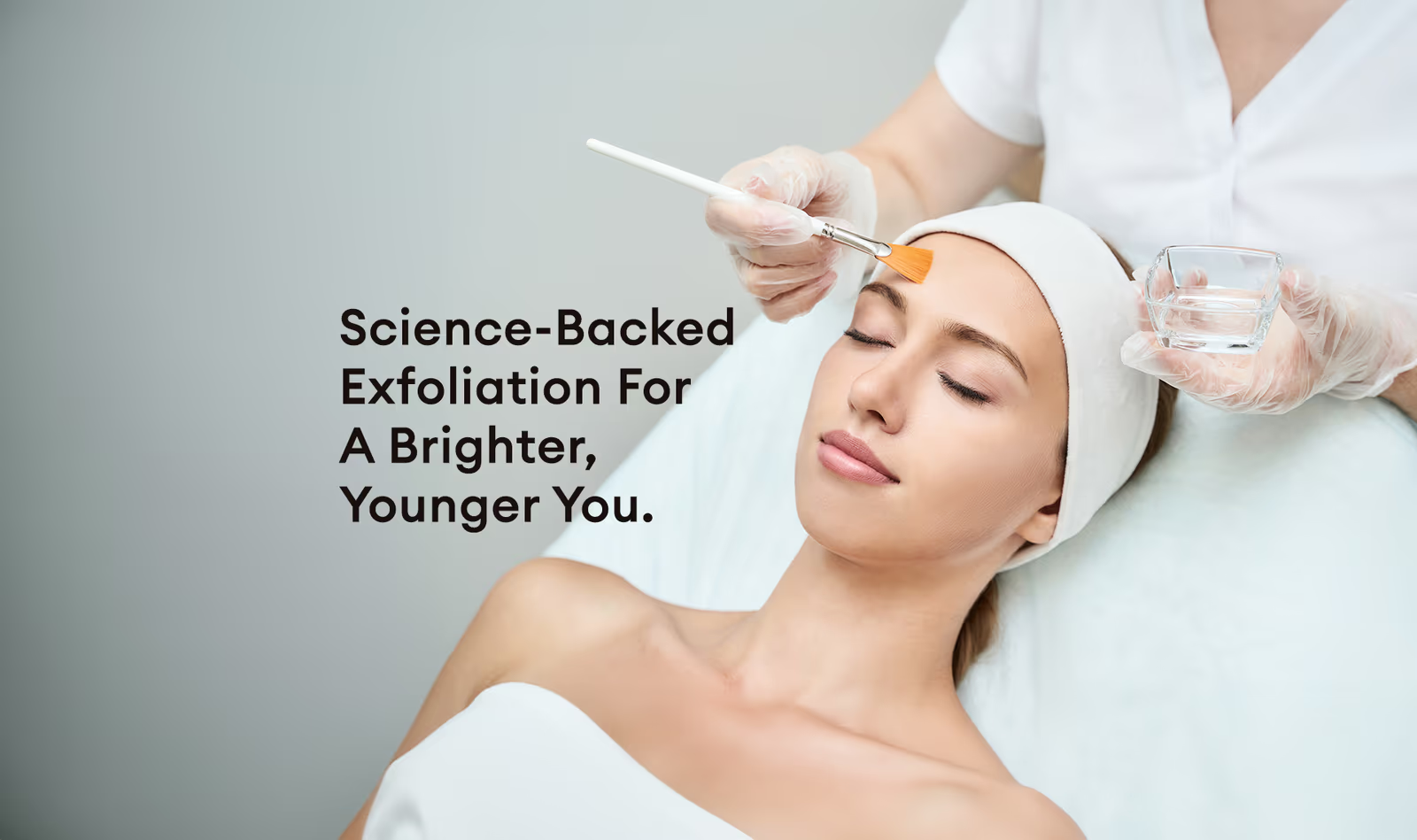
Skin peels have become a popular skincare treatment for achieving radiant, smooth, and youthful skin. These treatments involve applying a chemical solution to the skin, which causes the top layers to exfoliate and eventually peel off.
In most cases, the regenerated skin is smoother and less wrinkled than the original skin. Celebrities like Gwyneth Paltrow and Jennifer Aniston have been seen on Instagram flaunting their post-peel glow, sparking a renewed interest in these transformative treatments.
This article delves into the science behind skin peels and introduces three effective types offered by VLCC: Salicylic Acid Peel, Acnelan Peel, and Black Peel.
How Do Skin Peels Work?
Skin peels work by applying a chemical solution that exfoliates the outer layers of the skin. Depending on the type and strength of the peel, it can target different skin depths.
The process triggers the body’s natural healing response, stimulating the production of new skin cells and collagen, leading to smoother, clearer, and more youthful-looking skin.
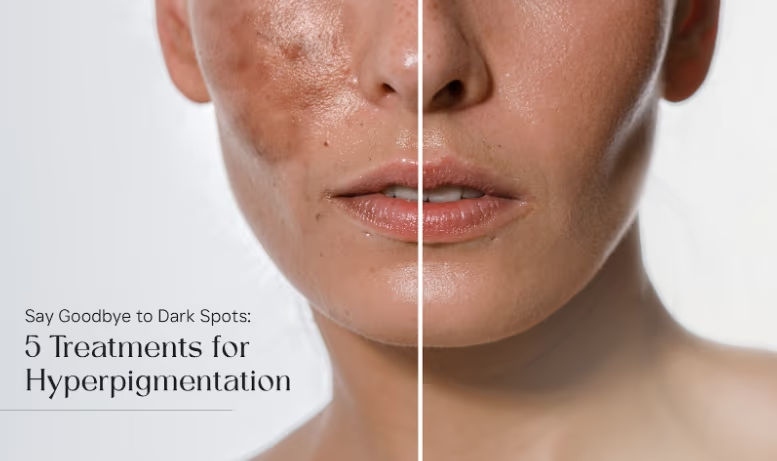
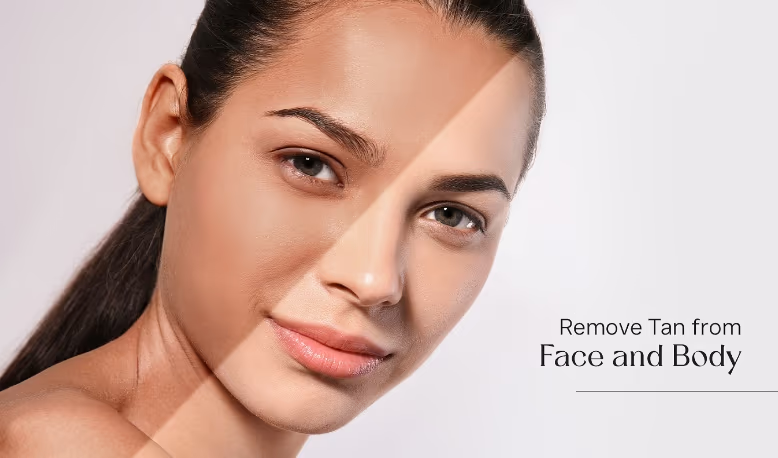
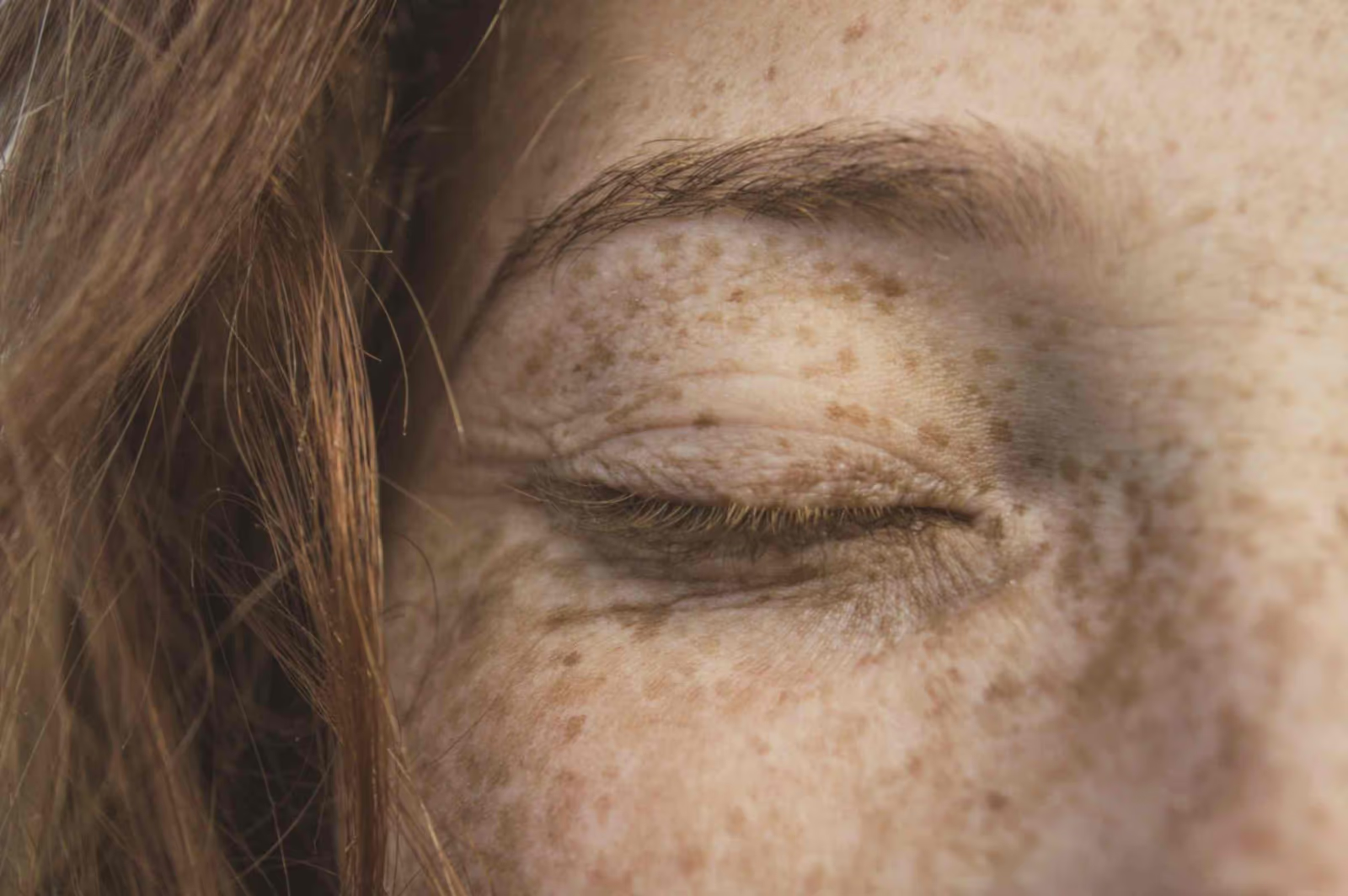
Peels can address various skin concerns such as acne, pigmentation, fine lines, and uneven skin texture.
What Are the 3 Different Skin Peels You Should Try?
Salicylic Acid Peel
Salicylic acid is a Beta Hydroxy Acid (BHA) that is oil-soluble, making it ideal for penetrating oily skin and cleansing pores. It slows down the shedding of cells inside the follicles, preventing clogging and providing a deep clean that helps combat acne. This peel is highly effective for treating acne-prone skin, blackheads, and whiteheads.
Acnelan Peel
Acnelan is a professional treatment designed specifically for acne-prone and seborrheic skin. It inhibits bacterial growth, reduces oil production, clears blocked pores, and soothes inflammation. Acnelan not only addresses active acne but also helps prevent new breakouts, improves skin texture, and reduces post-acne pigmentation.
Black Peel
Derived from black vinegar, Black Peel contains salicylic acid, jasmonic acid, and potassium iodide. This combination makes it excellent for pore cleansing, preventing clogging, and aiding in wound recovery. It is also effective in reducing pigmentation and improving overall skin texture.