Effective Skin Tan Removal Treatment: Benefits, Procedure, and Cost | VLCC | VLCC
Chemical Peels
Skin Tan Removal Treatment: Benefits, Procedure and Cost
V
VLCC
Nov 4, 2024·5 min read
Tanning is one of the major skin problems around the world. Though it is not life-threatening, very long sun exposure without adequate protection does cause damage to the skin. Several tan removal treatments will help you improve your skin tone.
At VLCC, we have customized solutions for tan removal for men and women that address issues like uneven tone, sun damage, and so much more.
What exactly is tanning?
Tan is a natural skin reaction, but unwanted tanning, uneven skin coloration, and lackluster complexion can be associated with sun exposure. In VLCC, we believe that everyone needs to have glowing, even-toned skin. That's why we at VLCC offer advanced tan removal treatments customized specifically for each individual.
Understanding Tan Formation
Tanning happens when your skin produces melanin after being exposed to UV rays, giving you that sun-kissed glow many people love. In moderation, tanning has its benefits—like helping your body make vitamin D, which is great for your bones, mood, and immunity. It can also make your skin look healthier and more defined. Some people even find it helps with certain skin issues, like psoriasis, and improves circulation. But too much sun can cause damage, irritation, and long-term problems like dark spots. That’s why tan removal is so important for both men and women to keep their skin clear, bright, and healthy.
What is the cause of Sun Tan?
Sun rays contain UV rays, and excessive and prolonged exposure may damage the skin cells by disrupting our cell function. The melanin in our skin can absorb part of this UV light and shield the cells. However, if it overextends its protection of the skin, the body promotes more production of melanin. This excess melanin darkens the color of our skin and is referred to as tanning. Dark-skinned people produce more melanin and thus tend to get tanned more than light-skinned people.
The UV rays are of three wavelengths - UVA, UVB, and UVC.
UVA rays: UVA rays are the most dangerous type of UV light as they can penetrate the innermost layers of the skin, harm cells, and directly stimulate melanocytes to cause a rise in tanning.
UVB rays: UVB rays do not reach the inner skin. They only penetrate up to the superficial layers of the skin. Therefore, they cannot directly influence melanocytes, meaning they will not be able to directly influence melanin production. But UVB can cause skin burns and erythema through the unwinding of DNA in non-melanocytic cells, which increases melanin to soothe the body from getting burnt again.
In contrast, the quantity is lesser in the case of UVC rays, and these can directly interact with melanocytes to result in tanning.
Why Should You Treat Tanned Skin?
Long-term exposure to sunlight can bleach the skin but can cause serious health issues beyond your appearance. Here is why you need to start treating your tanned skin:
Sunburn
Sunburns are the painful aftereffects of tanning. It gets your outer skin damaged, resulting in inflammation, redness, and tenderness caused by increased blood supply to the affected area. The affected skin peels off within days to reveal new skin; however, sunburns cause permanent damage when done repeatedly.
Risk of Skin Cancer
UV light will damage some of the DNA in your skin, which makes it more likely to lead to skin cancers. There are two primary forms: melanomas, which originate from pigment-producing cells, and non-melanomas, like basal cell carcinoma and squamous cell carcinoma, which both occur from normal skin cells. Areas exposed to sunlight become more prone to these cancers, and repeated exposure does nothing but increase the risks.
Premature Skin Aging
This is known as photoaging, one of the more apparent long-term effects of exposure to the sun. UV rays degrade collagen and elastin, two proteins that are very important in giving your skin a firmness and smooth texture. It will slowly weaken the skin, causing wrinkled, dark-spotted, and leathery skin, making you seem older than you are.
Actinic Keratosis
These tough, scaly lesions form on sun-damaged skin, and they can become cancer. Actinic keratosis is a condition that is directly associated with several decades of sun damage and must not be ignored, as it can become malignant.
Immune System Weakening
Overexposure to the sun leaves you vulnerable to infections such as herpes. Moreover, overexposure exposes you to germs, reducing the effectiveness of vaccinations. It can also augment your risk of developing cancer.
Eye Disorders
Exposure to UV can cause damage to the cornea, and such conditions may include photokeratitis, essentially a sunburn of the cornea. Ultimately, UV exposure may also result in cataracts, where your eye's lens becomes cloudy and your vision dim.
These health risks can only be treated if your skin is treated for tanning. Proper skincare recovers the actual tone of your skin and protects it against damage caused by long-term exposure to sunlight.
How To Remove Sun Tan From Face And Body?
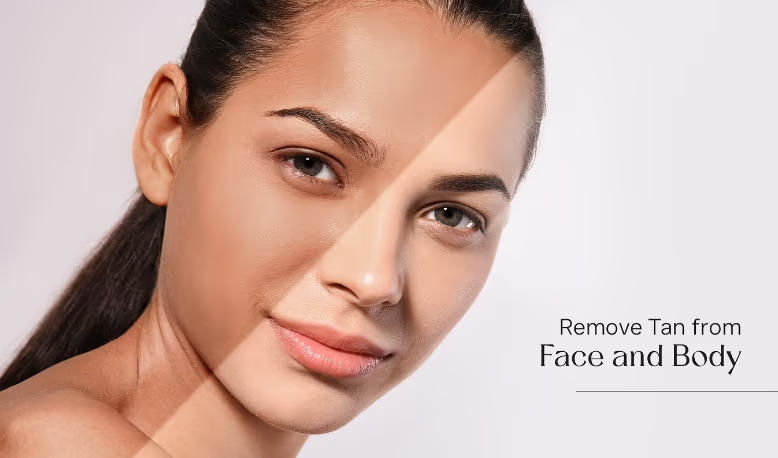
It has been one of the common notions that sun tanning is permanent, however it is not a fact. Sun tan removal is possible. At VLCC, there are several products, tan removal treatments for men and women, and solutions available to decrease pigmentation and other skin problems. Any sort of treatment to treat tan involves exfoliation of the top skin layer that removes excess melanin, provides uniform skin tone, and reduces premature aging signs. Given below are some of the best VLCC treatments for removing tan from your face, neck, hands, feet, and arms.
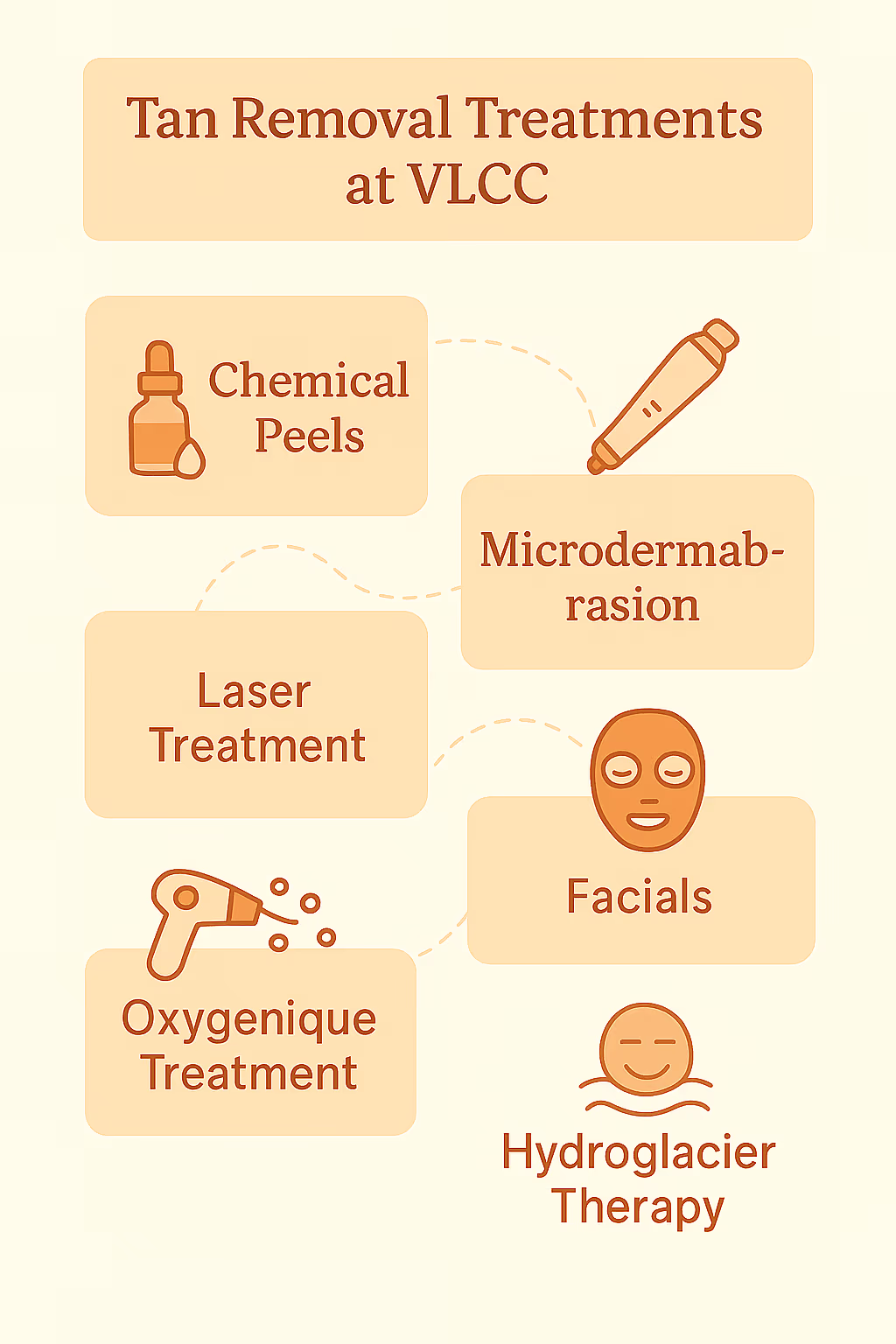
Tan Removal Treatments at VLCC
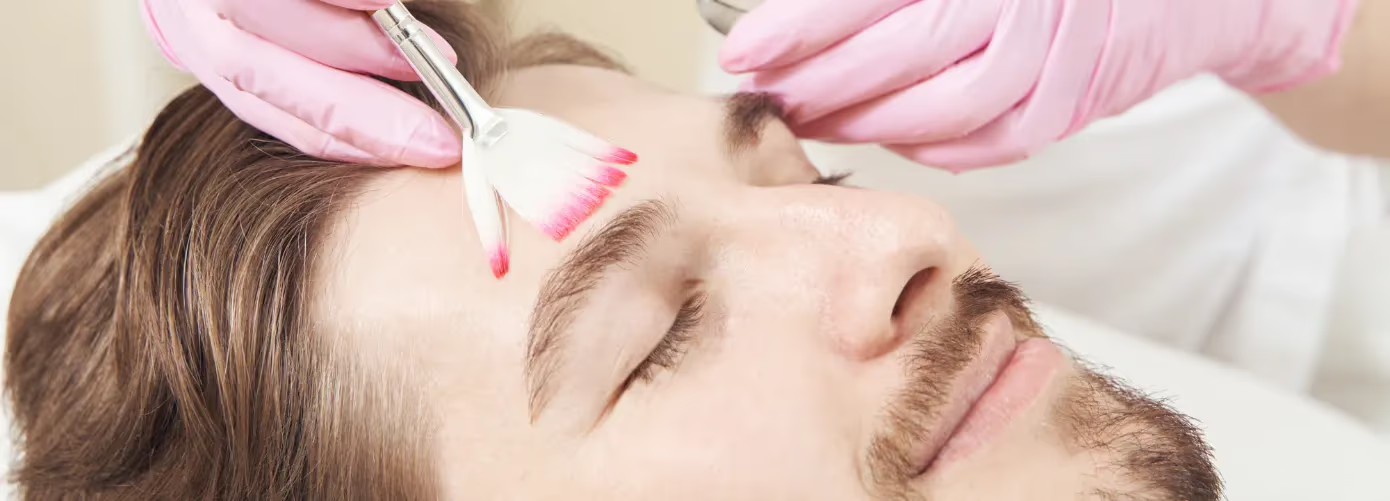
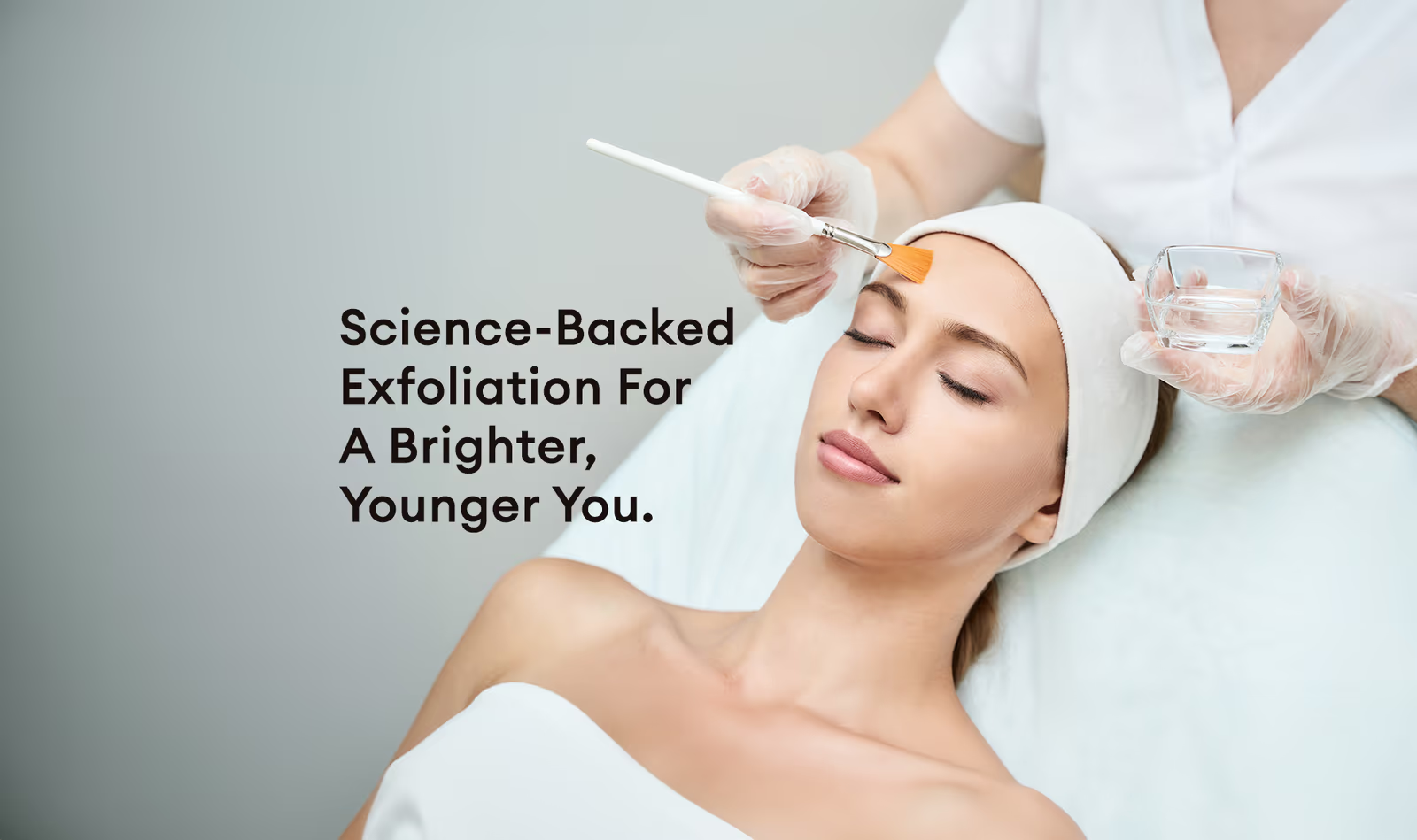
Chemical Peels: Chemical peeling is one of the most widely used tan removal treatments. Here, a liquid solution is used that, when put on the skin, cleans the outer layer and opens the way for new cell growth. This peel treatment reduces the tan on the skin and further enhances its texture and tone. The VLCC uses only gentle chemical formulations so that they are safe as well as effective.
Microdermabrasion: Microdermabrasion is a non-invasive procedure for exfoliating your skin via small crystals. It peels off the dead skin cells and tan, hence providing the skin underneath with the fresh, healthy glow of life. It suits all types of skin and has very minimal downtime, so it's perfect for people who are active in their lifestyles.
Laser Treatment:Laser tan removal is a technologically advanced solution that uses concentrated light to destroy melanin depositions in the skin. Its strengths are short-term outcomes and the drastic decrease of tan and pigmentation can be achieved. The deeper tan responds better to laser treatments and is often adapted to specific needs and problems in the skin.
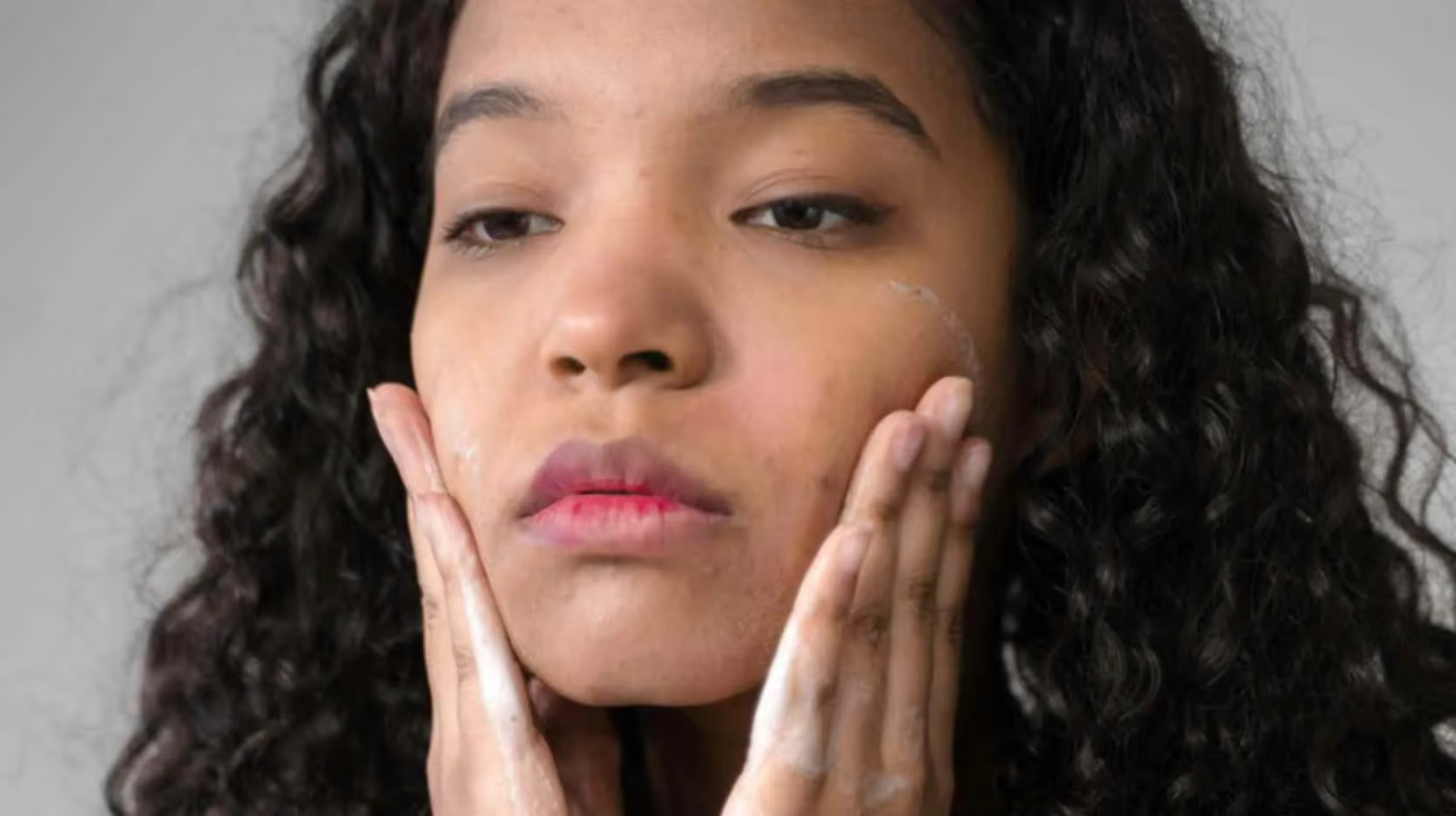
Facials: VLCC specialized facials for tan removal combine cleansing, exfoliation, and hydration. Not only targets tanning but is also one of the most relaxing and rejuvenating facials, thereby making it perfect for a spa day. The treatments include deep cleaning, gentle scrubbing, and nourishing masks to promote radiant complexion.
Oxygenique Treatment: By using pressurized oxygen to enhance oxygen absorption in tissues, Oxygenique Therapy facilitates quicker cellular renewal and regeneration. Antioxidant-infused serums are used to counteract free radicals, shielding the skin from harm and slowing down the aging process.
Hydroglacier Therapy: Cryotherapy is used to promote collagen synthesis, enhance blood circulation, and lessen inflammation. Intensive moisturizing serums are applied topically to the skin. Stimulating microcirculation improves lymphatic and blood flow, which improves skin health in general and promotes cell renewal.
Fermatique Brilliance Essentious: Advanced peptide complexes increase skin elasticity and collagen synthesis. Deep hydration from hyaluronic acid makes skin appear smoother and plumper. In addition to brightening the skin and providing potent antioxidant protection, natural enzymes also exfoliate dead skin cells, encouraging cell turnover and exposing a more youthful, glowing complexion.
Alternative Methods To Remove Sun Tan
Some alternative sun tan removal solutions are as follows:
Tan Removal Creams: These sun tan removal creams and bleaches are present in abundant quantities in the market. However, they only act as a temporary remedy. Tanning penetrates deep into layers of the skin and these creams can act only on the top layers. They are usually prescribed by dermatologists in combination with other solutions.
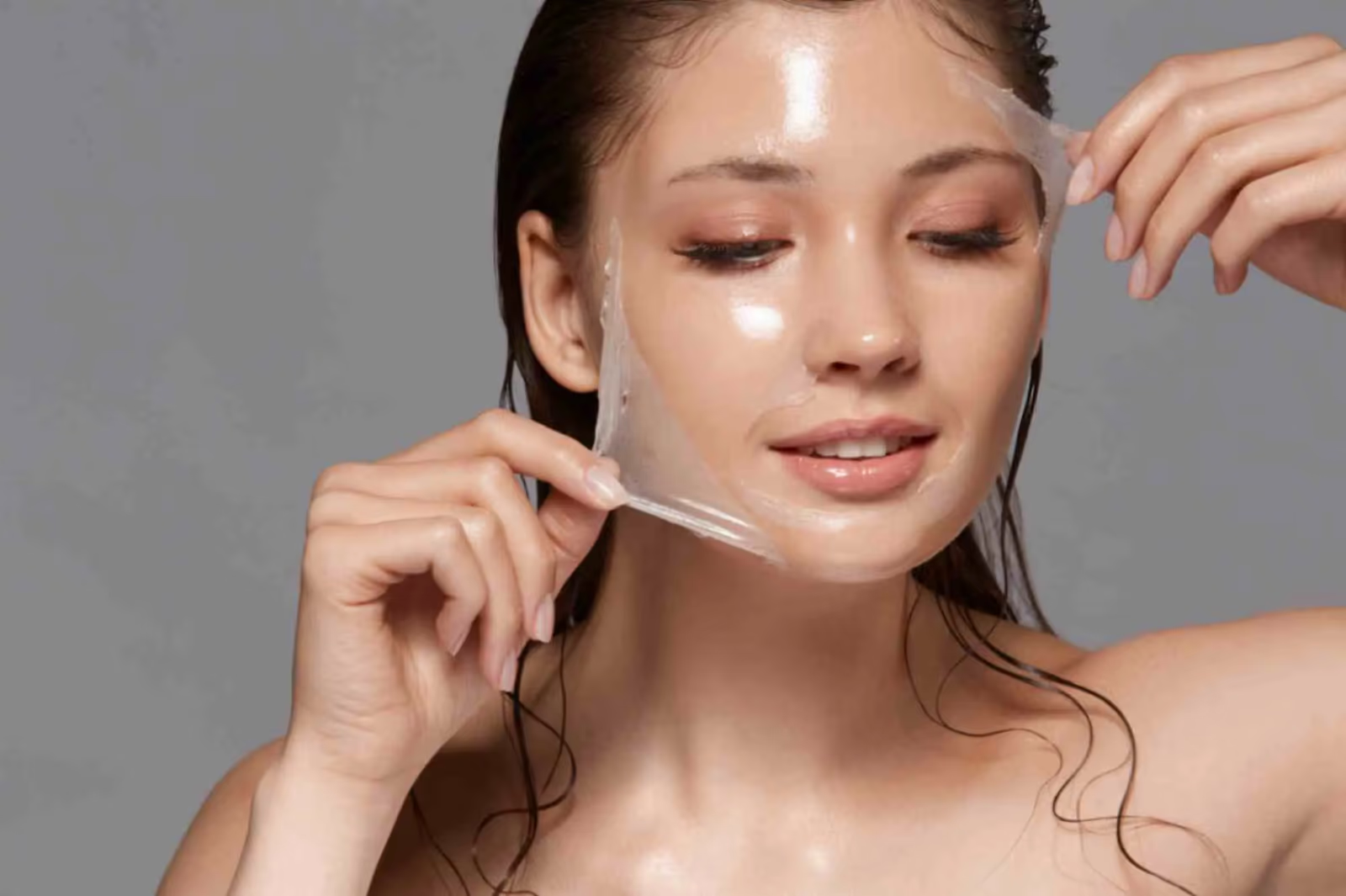
Face Pack, Wax, and Face Wash: There are many cleansers and face packs that promise the removal of tan. But like the creams, the effects are very short-lived and this is because they too treat just the outside layers of the skin. These are shallow treatments and never treat the root causes.
How to Reduce Tan Naturally?
Some popular home remedies help reduce tanning due to active ingredients:
Honey: This is used in homemade face packs for brighter skin as an exfoliant; we, however, need to avoid applying honey regularly as it can over-exfoliate your skin
Lime Juice: It is a rich source of Vitamin C, well-known as a skin-lightening agent with antioxidant activity. However, its direct application on the skin may cause irritation and damage to it. It is safer when mixed with honey or diluted with water.
Aloe Vera: It is widely known for its anti-inflammatory properties. Aloe vera has also reduced excessive melanin production, helping in sunburn and tanning conditions.
Turmeric: Traditionally used in India because it was used to lighten the skin, turmeric is simply amazing for fading the tan, fighting infections, and hydrating the skin. As it stains the skin, it is generally combined with other ingredients in face packs.
Coconut Milk: Coconut milk has vitamin C and natural exfoliating acids that can help in reducing the tan and brighten the complexion.
Besan (Gram Flour): Besan face packs will help this tan fade from your skin and can lighten your tan naturally, making the skin shine bright.
There is nothing wrong with these home remedies since slight relief could be derived from them, but they might not work too well for everyone. Some may end up with irritation and allergic reactions or minimal results. For a safer and better remedy, professional tan removal treatments, we at VLCC provide customized care resulting in lasting outcomes.
Tan Removal Aftercare Tips
After getting a tan removal treatment, it is very important to have proper aftercare to get the best results:
Sun Protection: Sunscreen must be applied with broad-spectrum high SPF so that it does not promote further tanning and UV damage.
Hydration: Moisturize the skin well to ensure that it becomes soft, supple, and replete with radiance.
Avoid Over Exfoliation: Avoid any harsh exfoliants from being used at least seven days post the session because it would only make the skin mend itself.
Follow Professional Advice: It is also recommended to follow any post-treatment home care advised by the VLCC therapist to have ideal results.
Eat foods with antioxidants: Eat seasonal fruits and vegetables that have a lot of vitamins, minerals, and antioxidants in them. It will improve and maintain the health of your skin.
Benefits of using sunscreen to prevent tanning
Sun rays are among the most deadly sources, causing a variety of issues in the skin, from suntan to skin cancer. Sunscreen acts like an umbrella, not letting any bad rays touch your skin.
Causes Delayed Aging: The common effect of frequent intake of exposure from the sun is the acceleration of signs of aging such as wrinkles, fine lines, and sagging as you look older than your age. Applying sunscreen will make your skin look youthful and fresh.
Protects From Sunburn: Excessive exposure to the sun results in sunburns that may lead to peeling off skin and irritation. Suitable and frequent application of sunscreen can prevent that condition. Causes of such pigmentation problems as tan, freckles, age spots, and melasma are as a result of exposure to UV rays. Continued and routine use of sunscreen will serve to prevent pigmentation and stay bright, lively, and youthful-looking.
Prevents Skin Cancer: Unprotected prolonged exposure of the skin to UV rays may cause skin cancers including melanoma and squamous cell carcinoma. The risk of developing these forms of cancer can be avoided through the constant use of sunscreen on body parts that are exposed.
Cost of Tan Removal Treatments
Tan removal treatments can be costly. Here's what determines the cost:
Type of Treatment
Variations in price range with different tan removal treatments. Chemical peels, laser treatments, microdermabrasion, and advanced facials like HydraFacial vary with pricing as they are simple or complex procedures.
Skin Condition and Tan Severity
A deeper or wider tan may necessitate more sessions or intense treatments, which translates into higher overall costs. Another factor is the sensitivity of the skin and previous medical conditions, which could determine the form of treatment needed if these might be costly due to specialized procedures.
Clinic Reputation and Expertise
The cost also varies based on where you go to get the treatment. High-end clinics with a good dermatologist and updated equipment tend to cost more than smaller, lesser-known establishments.
Location
Price may vary based on location. In cities, the cost of removing tan might be on the higher side because of the higher demand and living.
For instance, some treatments can be tailored by adding other skin care procedures or high-end products best suited to your skin, which subsequently removes a bit more.
No. of Sessions and Duration
Most tan removal treatments require a series of sessions to be effective. The no. of sessions needed can significantly vary to cost the final result. These will allow you to better budget your tan removal treatment while also delivering the best result to your skin. At VLCC, tan removal treatments typically start from ₹1,500 and can go up to ₹5,000 depending on the treatment type and customization.
How Much Time Will Tan Take To Go Away?
The duration of a sun tan removal treatment varies on the region that needs to be treated as well as the type of therapy.
Chemical Peels: Following a chemical peel treatment, which typically takes 1-2 sessions, you will see a noticeable decrease in the tan line on your skin. Dermatologists typically employ chemical peels to eliminate sunburn from the face; to see desired outcomes, they may advise 4-6 sessions.
Laser Therapy: You will see a noticeable reduction in tan lines as soon as you get your laser toning treatment. You can need four to six sessions, depending on the body part.
Microneedling: To see a noticeable decrease in wrinkles, you might need to have 4-6 sessions of the procedure.
Why Choose VLCC for Tan Removal?
VLCC is a popular beauty and wellness brand, but in real terms, it provides specialized skincare treatments that are designed to target different skin issues. We guarantee safe tan removal services with trained experts. Here's why you should choose VLCC for your tan removal services:
Expertise: Our team consists of very experienced dermatologists and beauty therapists with knowledge of different skin types and concerns.
We give you customized solutions depending on your skin type, tanning level, and desired results. We use quality products enriched with natural ingredients that nourish the skin while removing tan.
VLCC offers a variety of treatments to remove tan and regain that bright, tanning-free complexion. Our treatments can range from herbal solutions to advanced laser techniques, and rejuvenating facials. You do not have to let tan seize the day for you to get back your confidence in the skin. Are you ready to get the glow back on your skin? Contact VLCC today and learn more about our tan removal treatments for men and women. Fix a date now! Let us shine bright for you, every time!
FAQs
1. Which is the best tan removal treatment?
This depends on your skin type and the degree of tanning. Chemical peels as well as laser treatments are used for a darker tan, but microneedling and herbal treatments make out to be best for lighter tans. The most appropriate one can be determined after consulting a VLCC expert.
2. What is the quickest tan removal method?
Laser treatments can be regarded as the fastest way to remove tan, where results are noticed in a minimum number of sessions, though the results seem different on every individual basis depending on the skin conditions and treatment plans.
3. Can tan be removed permanently?
Well, though it significantly reduces tan, complete permanent removal would demand maintenance. Continued application of sunscreen and avoidance of excessive sun exposure would prevent tanning.
4. How Can I Remove Tanned skin?
While you can manage to get away with tanned skin through various treatments, you will never remove the color entirely. With many treatments combined with great skincare, you could renew the shine of your skin.