
You might be in that place where you have an event coming up, a wedding, a reunion, a holiday, and you want to feel light, confident, and energised. Maybe you just want to shed a few kilos to feel like yourself again. Losing 5 kg in two weeks isn’t about starving yourself or doing anything extreme. When you combine a clean, structured eating plan (including a short-term 1000-calorie plan if you're ready for it) with simple daily movement, good hydration, and a few science-backed fat-loss treatments, the process becomes surprisingly doable. This guide pulls all of that together so you can follow a clear plan, stay consistent, and see real changes in just 14 days.
And honestly, once you take the first step, everything starts feeling a little easier, your energy comes back, your motivation improves, and you actually enjoy the process. Let’s start that reset today.
What Losing 5 Kg in 14 Days Really Means
When people hear “5 kg in 14 days,” it sounds big, almost unrealistic. But when you understand the maths and the science behind it, the picture becomes clearer. Let’s break it down properly. Losing 1 kg of body fat requires you to burn roughly 7,700 calories. So for 5 kg, the total deficit needed is around 38,500 calories.
Now, if you spread this across 14 days, it comes to almost 2,700–2,800 calories per day. Of course, this entire deficit cannot come from dieting alone, nor can it come only from exercise. It’s created through a combination of smart choices. Here’s how this typically works in a realistic, healthy way:
1. Eating Cleaner & Slightly Lower Than Usual
For two weeks, the focus is on a simple, light, and clean diet. People usually stay on a short-term calorie deficit, around 1,000 calories less than they normally eat. This helps your body start using stored fat for energy without putting you into starvation mode.
2. Burning Extra Calories Through Movement
You don’t need extreme workouts, but you do need daily movement like walking, light workouts, strength training, and home exercises. Every bit counts. This helps increase your daily burn and contributes to the overall deficit.
3. Reducing Water Retention & Bloating
A big part of early weight loss comes from: eating less salt, drinking more water, having potassium-rich foods, avoiding packaged snacks, and reducing sugar. This helps release stored water, lowers inflammation, and makes your body feel lighter and more active.
4. Glycogen Release (The stored fuel in your muscles)
Your muscles and liver store carbohydrates as glycogen, which also holds water. 1 gram of glycogen = 3–4 grams of water
So when you lower carbs:
- Glycogen reduces
- Water stored with it is released
- Your weight drops
- Your stomach feels lighter
This alone can contribute 0.5–1.2 kg of change. This is why the first week ALWAYS shows faster results.
4. Reduced Inflammation
If your body is inflamed (due to junk, stress, sugars, irregular timings), you constantly feel heavy, sluggish, tired, puffy. A clean 14-day plan: reduces inflammatory foods, improves gut health, stabilises blood sugar, and lowers cortisol.
And the body reduces internal swelling. This itself leads to 0.7–1 kg weight difference.
5. Better Digestion + Less Waste Retention
Many people carry 200–800 grams of undigested food, especially if they: eat late, sleep immediately after dinner, eat heavy meals, have constipation, eat a lot of refined foods. Once your meals become cleaner, lighter, and fibre-rich: bowel movements improve, digestion gets faster, stomach bloating disappears This gives you another 0.3–0.7 kg drop.
So How Does All This Add Up to 5 Kg?
Here is the realistic combination during a 14-day fat-loss phase:
Component | Approx. Weight Loss |
Fat loss | 2–2.5 kg |
Water loss | 1.5–2.5 kg |
Glycogen reduction | 0.5–1.2 kg |
Digestion + inflammation improvement | 0.5–1 kg |
Total: 5–6.5 kg
Outcome: Visible change. Real inch loss. Lightness. Energy. Sharper face. Better digestion. This is why 14-day transformations look dramatic, because it is NEVER just fat.
Your 14-Day Meal Plan
Losing weight within a short period requires clarity, discipline, and a strategic approach. A two-week transformation is not about starving yourself or following extreme crash diets. Instead, it focuses on a structured, balanced meal pattern that supports fat loss while maintaining energy, metabolism, and overall health.
When people ask “How to lose 5 kgs in 2 weeks?”, the real answer lies in maintaining a calorie deficit while still fuelling your body with high-quality nutrients. A well-designed plan focuses on high-protein meals, low-glycaemic carbohydrates, fibre-rich vegetables, and controlled amounts of healthy fats. This combination helps reduce water retention, manage cravings, stabilise blood sugar levels, and improve digestion, all essential during a short, results-oriented program. Below is the foundation of the best diet for fast weight loss in 2 weeks, built to support visible and measurable progress.
What to Eat for the Next 14 Days
Before we talk about specific food groups, it’s important to understand how your daily meals should balance energy, nutrients, and satiety. The right combination of foods can support steady weight loss without leaving you tired or hungry.
Lean protein is the most important part of your daily meals. Foods like chicken breast, fish (salmon, rohu, tilapia), eggs, lentils, beans, chickpeas, tofu, paneer, and low-fat dairy help control hunger and reduce unnecessary snacking. Protein also protects your muscle mass during a calorie deficit, which keeps your metabolism active and supports healthy weight loss.
Vegetables add bulk to your meals without adding excess calories. Whether it’s leafy greens like spinach, fenugreek, lettuce or vegetables like broccoli, cauliflower, bell peppers, carrots, beans, zucchini, and cucumber, they provide fibre, improve digestion, and help you stay full for longer. Having a variety of vegetables across the day makes your meals lighter but more satisfying.
Many people avoid carbs, but whole grains in moderate quantities actually help maintain steady energy. Brown rice, oats, quinoa, and multigrain rotis digest slowly, prevent sudden hunger spikes, and keep you active through the day. The key is portion control and choosing unrefined grains.
Healthy fats also play an essential role. Small amounts of olive oil, avocado, almonds, chia seeds, or flaxseeds support hormonal balance and make meals more satisfying. They digest slowly and help control appetite, but must be eaten in controlled portions because they are calorie-dense.
Fruits like apples, berries, oranges, and pomegranate add natural fibre and antioxidants to your diet. They help curb cravings for sweets and offer quick, clean energy. Having two to four servings a day works well for most people. For plant-based eaters, legumes such as black beans, chickpeas, rajma, and moong dal provide filling protein, fibre, and slow-digesting carbs. They keep you full for longer without relying on heavy cooking or excessive oil.
Finally, low-fat dairy, skimmed milk, low-fat yogurt, and cottage cheese, supports digestion, bone health, and protein intake. Adding these in balanced portions helps complete your daily nutrition without increasing calories.
Foods to Avoid Completely for 14 Days
For your 14 days diet plan, removing certain foods is non-negotiable. These items increase inflammation, spike blood sugar, cause cravings, and delay fat loss. Completely Avoid:
- Soft drinks, fruit juices, energy drinks
- White bread, pasta, bakery items
- Packaged snacks and refined carbs
- Fried foods and foods containing trans fats
- Sweets, chocolates, desserts
- Sugary cereals
- Full-fat cheese, heavy cream, butter-based desserts
This restriction phase lasts only for two weeks to help your body reset and respond effectively.
Complete 14-Day Diet Plan (Veg + Non-Veg Options)
This 14 days diet plan to lose 5 kgs is structured to give you clarity, consistency, and the right balance of protein, fibre, and micronutrients. Each day includes both vegetarian and non-vegetarian options, so you can easily choose based on your preference. Keep meals light but filling, focus on high-protein + high-fibre foods, avoid sugar, refined carbs, and heavy cooking methods, and support a safe and consistent calorie deficit.
WEEK 1: Days 1–7
Below is the detailed plan with small explanations so you understand the logic behind each day.
Average target: 1,000–1,200 calories/day
Water: 2.5–3 litres/day
Steps: 8,000–10,000/day
Workouts: 20–25 min (light strength + stretching)
Week 1 focuses on resetting your digestion, reducing bloating, stabilising appetite, and pushing the body into a controlled calorie deficit. Meals are simple, clean, and easy to prepare so you stay consistent through all seven days.
Day | Breakfast (Calories) | Lunch (Calories) | Snack (Calories) | Dinner (Calories) | Daily Total | Notes |
Day 1 | Vegetable oats + paneer (250) | Moong dal khichdi + veggies (350) | Roasted chana + green tea (120) | Clear vegetable/chicken soup (180) | 900–1,000 | Very easy start, supports gut reset |
Day 2 | Besan chilla (230) | Rajma + brown rice + salad (380) | Apple + 8 almonds (160) | Vegetable stir-fry / broth (200) | 1,000 | High-fibre day to control cravings |
Day 3 | Poha with vegetables (250) | Grilled protein + sautéed vegetables (350) | Buttermilk (80) | Clear soup + salad (200) | 900–1,000 | Lightest digestion day |
Day 4 | Upma with veggies (260) | Dal + 2 rotis + sabzi (380) | Coconut water (60) | Vegetable khichdi (220) | 1,000–1,100 | Balanced carbs + protein |
Day 5 | Smoothie bowl (fruit + yogurt) (240) | Rice bowl with dal + veggies (360) | Sprouts bowl (120) | Grilled protein + sautéed veggies (250) | 1,000 | High micronutrient day |
WEEK 2: Accelerated Fat Loss (Days 8–14)
Average target: 1,100–1,300 calories/day
Water: 2.5–3 litres/day
Steps: 10,000–12,000/day
Workouts: 25–30 min (strength + low-impact cardio)
Week 2 introduces slightly more calories and more variety, so the metabolism stays active and fat burning doesn’t slow down. This helps prevent the typical plateau that happens in the second week of aggressive dieting.
Day | Breakfast (Calories) | Lunch (Calories) | Snack (Calories) | Dinner (Calories) | Total | Notes |
Day 8 | Overnight oats (260) | Dal + rice bowl + veggies (380) | Buttermilk (80) | Clear soup + salad (220) | 1,000–1,100 | Gentle start to Week 2 |
Day 9 | Vegetable paratha + curd (300) | Protein bowl + sautéed veggies (350) | Fruit + nuts (150) | Khichdi (220) | 1,100 | Slightly higher carbs for energy |
Day 10 | Smoothie (fruit + yogurt) (250) | 2 rotis + sabzi + dal (400) | Roasted seeds mix (120) | Vegetable stir-fry (220) | 1,000–1,100 | High fibre, stable appetite |
Day 11 | Dalia or oats (250) | Rice + dal + veggies (360) | Coconut water (60) | Light pulao + salad (250) | 1,000–1,100 | Anti-inflammatory focus |
Day 12 | Scrambled eggs/tofu (250) | Quinoa bowl + lentils (380) | Dark chocolate square (70) | Clear soup + protein (230) | 1,000 | Balanced macro day |
Day 13 |
1000-Calorie Diet
The 1000-calorie diet is intense, but when done correctly for just 10–14 days, it creates a strong calorie deficit and delivers visible, fast results. If you normally burn 2,000–2,200 calories a day and consume only 1,000, you create a deficit of about 1,000 calories daily. Over two weeks, that’s roughly 1.8 kg of fat loss, plus 1–2 kg from water and glycogen. Combined with movement and hydration, many people see 3–4 kg of visible reduction.
Safety Notes
- Follow only for 10–14 days max
- Not suitable if you’re pregnant, breastfeeding, under 18, or have medical conditions
- Ensure enough protein, fibre, vitamins, and minerals
Sample 1000-Calorie Day
- Early Morning: Warm lemon water with cinnamon
- Breakfast: 2 boiled eggs + a small apple (~220 cal)
- Mid-Morning: Cucumber + 5 almonds (~100 cal)
- Lunch: 1 multigrain roti + moong dal + sautéed veggies (~300 cal)
- Evening Snack: Herbal tea + makhana or fruit (~100–120 cal)
- Dinner: Veg soup + grilled paneer/tofu (~250 cal)
- Before Bed: Warm water or a homemade drink
After Day 14, shift slowly to a 1,200–1,300 calorie intake, stay hydrated, keep protein high, and maintain daily movement to hold your results.
Movement: Workouts You Can Do Without a Gym
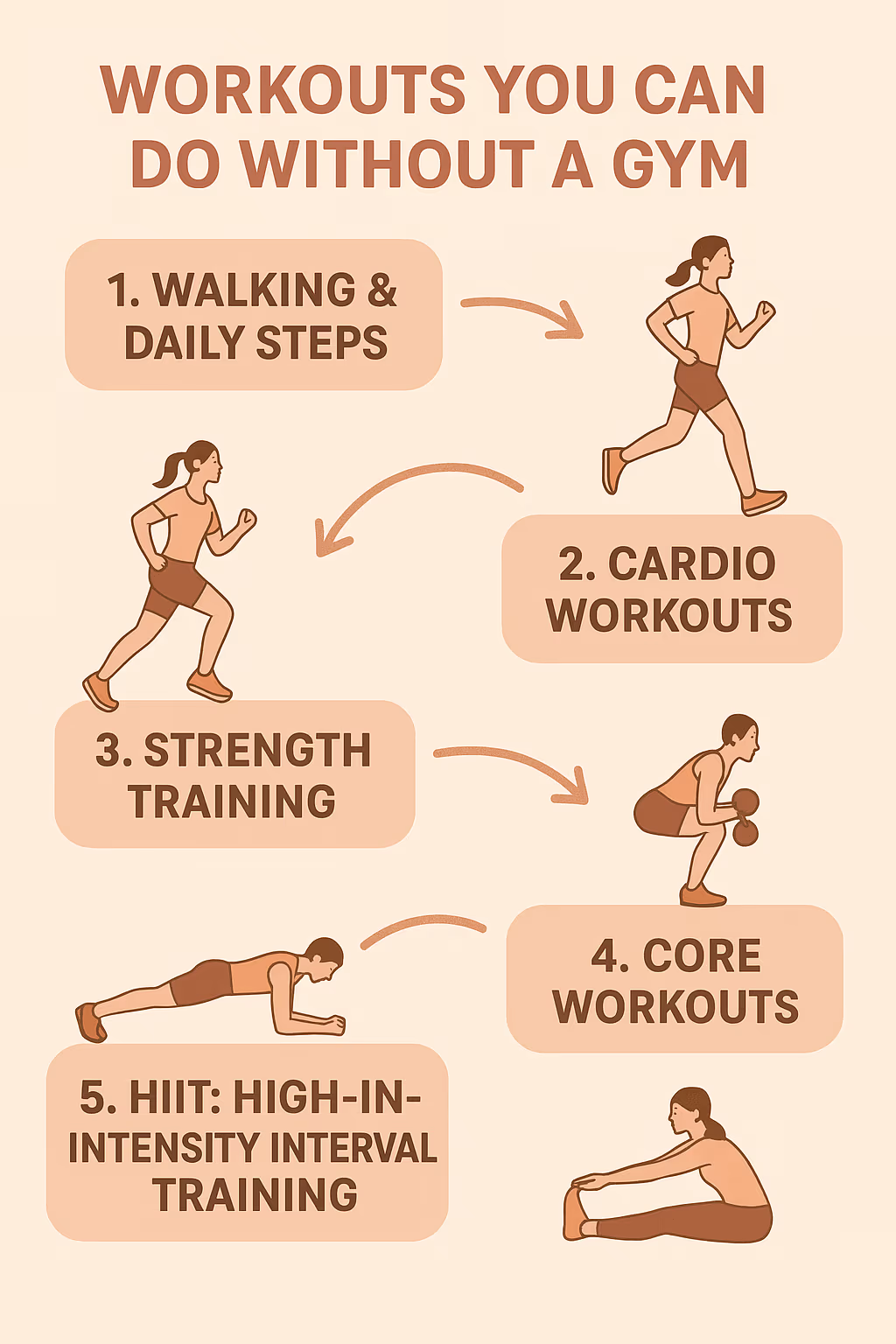
You don’t need machines. You just need 30–45 minutes daily. This movement plan is divided into cardio, strength training, and core, along with weekly progressions to ensure your body does not adapt too quickly.
1. Walking & Daily Steps
Walking is one of the simplest and most effective fat-loss tools. It keeps your heart rate in the fat-burning zone without straining your joints.
Daily target:
- Aim for 8,000 steps in Week 1
- Increase to 10,000–12,000 steps in Week 2
How to reach your target:
Walk immediately after breakfast, lunch, or dinner to improve digestion and prevent fat storage. Use stairs instead of lifts whenever possible. Pace around your room or workspace while on calls. Take a 10–12-minute walk every time you feel lethargic or bloated. Even small movements add up over the day and significantly contribute to your calorie burn.
2. Cardio Workouts
Cardio helps increase your daily calorie expenditure and removes the sluggishness that often comes with a calorie-restricted diet. The following options require no gym equipment and can be done indoors or outdoors.
Running
Run for 30 minutes, 4–5 times a week. If you want results faster, try interval running:
- 30 seconds fast running
- 60 seconds light jogging
- Repeat for 10–15 minutes
This variation increases metabolic rate and enhances fat oxidation even after the workout ends (afterburn effect).
Swimming
Swim for 45 minutes, 3 times a week. Swimming burns 400–500 calories per session. For maximum impact, choose strokes that engage more muscles such as freestyle or butterfly. Because water resistance works your entire body, swimming is excellent for people who want fast results without high-impact strain.
Cycling
Cycle for 30–45 minutes, 4 times a week. Each session burns 250–400 calories. You can ride outdoors or use a stationary bike at home. If your schedule is tight, keep a stationary bike in your room to stay consistent. Cycling boosts leg strength, improves cardiovascular fitness, and helps burn belly fat effectively.
Walking (as structured cardio)
Walk for 45–60 minutes daily in addition to your step count. This can burn up to 250 calories per session. Brisk walking after meals helps manage blood sugar levels and reduces fat storage around the abdomen.
3. Strength Training
Strength training is essential because fat loss without supporting muscle leads to weakness, slower metabolism, and plateau. You simply need your body weight and a small space at home.
Frequency: 30 minutes, 3–4 times a week
Benefits:
- Preserves muscle mass during calorie deficit
- Increases metabolism
- Improves posture, mobility, and daily energy levels
Exercises you can alternate across sessions:
- Squats
- Lunges
- Push-ups
- Glute bridges
- Bent-over bodyweight rows (if you have a resistance band or towel)
- Side planks
- Supermans for back strength
Focus on slow, controlled form instead of speed. Quality matters more than quantity.
4. Core Workouts:
A strong core improves posture, stabilises your spine, and enhances performance in all your workouts. Suggested core circuit:
- Mountain climbers — 30 seconds × 2 rounds
- Crunches — 20 reps × 2 rounds
- Leg raises — 15–20 reps × 2 rounds
- Side planks — 20–30 seconds each side
- Flutter kicks — 30 seconds
You can perform this routine 3–4 times a week, ideally on days when you are not doing full-body strength training.
5. HIIT: High-Intensity Interval Training
HIIT is one of the fastest ways to burn fat in a short period. It pushes your heart rate up quickly, increases calorie burn, and keeps your metabolism elevated for hours.
Recommended format:
- 30 seconds all-out effort
- 15–30 seconds rest
- Repeat for 9–10 minutes (Week 1)
- Increase to 12–15 minutes (Week 2)
HIIT exercise choices: Burpees, High knees, fast mountain climbers, skaters, jump squats.
Weekly frequency: 20 minutes, 3 times a week HIIT is optional for beginners but extremely effective if you want accelerated fat loss within two weeks.
6. Stretching and Mobility (Mandatory)
Stretching helps your muscles recover, prevents stiffness, and lowers the risk of injury. This is crucial when you are following a lower-calorie diet, as your body may feel tighter than usual.
Do this after every session:
- 3–5 minutes of dynamic stretches before exercise
- 5–7 minutes of static stretches after exercise
Focus on hamstrings, hips, lower back, chest, shoulders, and calves.
Weekly Movement Structure
Week | Activity Plan |
Week 1 | • 8,000 steps daily• 30–40 minutes light cardio (walking/jogging)• 2 days strength training• 2 core routines• 1 short HIIT session (optional)• Stretching every day |
Week 2 | • 10,000–12,000 steps daily• 40–45 minutes mixed cardio (running, cycling, swimming, or power walking)• 3 days strength training• 3 core routines• 2–3 HIIT sessions• Stretching every day |
Also checkout 15 Exercises to Reduce Belly Fat
When Diet & Workouts Aren’t Enough: Try These VLCC Fat-Loss Treatments
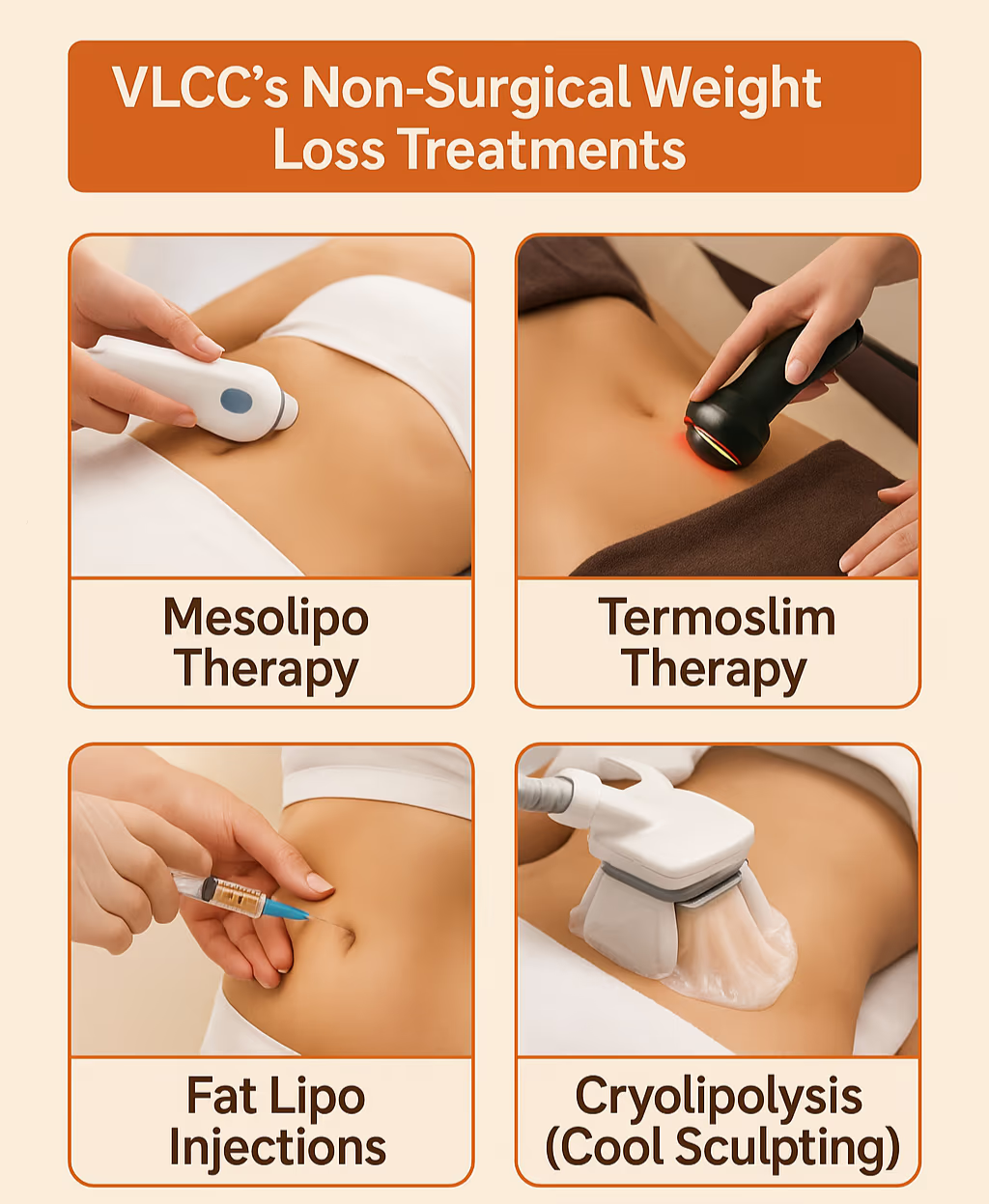
Stubborn fat around the stomach, thighs, arms, back, or face can be difficult to reduce even when you follow a disciplined diet and exercise routine. This happens due to factors like genetics, hormonal imbalance, stress, or slow metabolism. In such cases, adding professional body-contouring treatments can accelerate inch-loss and improve visible results within a short period. VLCC offers advanced, non-surgical solutions that target these persistent fat pockets safely and effectively.
1. Mesolipo Treatment

Mesolipo is a highly focused fat-reduction treatment that targets stubborn fat pockets resistant to diet and exercise. Unlike general weight-loss methods, Mesolipo works best for spot-reduction, places like a double chin, lower tummy pouch, side bulges, or inner thighs that don’t respond easily to a calorie deficit. When you combine it with a clean diet and consistent movement, it helps speed up visual results, especially during short transformation periods like a 14-day plan. It doesn’t replace healthy habits, but it definitely adds a visible boost when you need faster shaping in specific areas..
The treatment uses micro-injections of a fat-melting solution delivered directly under the skin. This solution breaks down fat cell membranes, releasing stored fat. Over the next few days, your body metabolises and flushes out these fat cells naturally, leading to visible inch-loss in the treated area.
Step-by-Step Process:
- Consultation & Assessment: Body examined, target areas identified, and treatment zones marked.
- Preparation: Skin cleansed and prepped; mild numbing may be applied for comfort.
- Injection: Multiple tiny injections deliver the fat-melting solution; mild pricking or warmth is normal.
- Post-Treatment: No downtime, resume activities immediately; slight redness or tenderness may appear.
- Recovery & Results: Body flushes fat naturally; noticeable inch reduction often seen after a few sessions, with optimal results after 3–6 sessions.
Cost: The cost of Mesolipo depends on the area being treated, how much fat there is, and how many sessions you need. On average:
- Small areas (e.g., double chin or arms): ₹6,000–₹10,000 per session
- Medium areas (e.g., lower tummy or thighs): ₹10,000–₹15,000 per session
- Larger or multiple areas: may go higher depending on the number of injections and sessions
For best results, you might need 3–6 sessions, so the total cost for a full treatment plan typically ranges between ₹30,000 and ₹90,000. Always ask for a detailed quote during your consultation.
2. Termoslim Therapy
Termoslim is a warm, soothing body-contouring treatment designed to reduce inch-gain caused by fat, water retention, and sluggish circulation. It uses herbal pastes, wraps, and controlled heat to gently stimulate blood flow, promote detoxification, and soften tissues, which helps your body release trapped water and fat more effectively. The treatment feels more like a relaxing spa therapy than a medical procedure.
How It Works:
The heat from Termoslim penetrates the skin and targets fat-laden tissues. This boosts circulation, encourages the lymphatic system to flush out toxins, and aids in inch-loss. It also helps improve skin tone and reduce puffiness, giving a smoother and firmer appearance.
Process (Step by Step):
- Consultation & Assessment: Your body is examined, and the target areas are identified.
- Preparation: Herbal paste is applied to the skin, and the area is wrapped for optimal heat absorption.
- Heat Activation: Controlled warmth is applied to the wrapped area, stimulating circulation and tissue relaxation.
- Treatment Duration: Typically 30–45 minutes, during which you can relax.
- Post-Treatment: No downtime; many feel lighter and less bloated immediately.
- Recovery: Inch-loss and smoother skin become noticeable after a few sessions.
Are You an Ideal Candidate?
Best suited for adults with mild to moderate inch-gain, water retention, or cellulite. Not recommended for pregnant or breastfeeding women, or those with skin conditions or severe cardiovascular issues.
Cost:
- Single area: ₹3,500–₹6,000 per session
- Multiple areas: ₹6,000–₹12,000 per session
Typically, 5–8 sessions are recommended for optimal results, with total costs ranging ₹20,000–₹50,000 depending on areas treated.
3. Fat Loss Zerona Laser Treatment
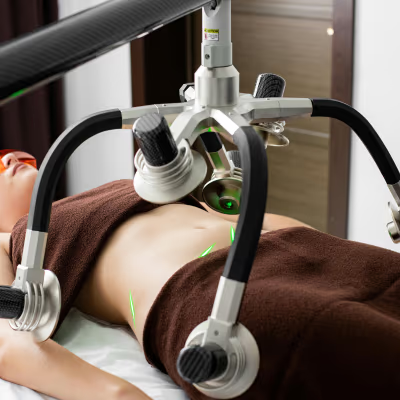
Zerona is a non-invasive, pain-free laser therapy that helps reduce stubborn fat by stimulating fat cells to release their contents naturally. Unlike traditional laser or surgical treatments, Zerona does not heat, freeze, or damage the skin, making it safe and comfortable. It’s particularly effective for areas like the abdomen, flanks, back, and thighs.
How It Works:
The low-level laser penetrates the skin and signals fat cells to release stored fat into the lymphatic system. The body then flushes it out over several days, gradually reducing inches in treated areas. This process is painless and supports visible inch-loss when combined with a healthy diet and movement.
Process (Step by Step):
- Consultation & Assessment: Body areas are evaluated, and treatment zones are marked.
- Preparation: You lie down comfortably while the device is positioned over target areas.
- Laser Application: Cool, low-level laser beams are directed at fat-laden regions for 20–40 minutes per session.
- Monitoring: A therapist monitors the process; you can relax completely.
- Post-Treatment: No downtime; you can resume normal activities immediately.
- Recovery: Fat is naturally processed by the body, and results appear gradually over several sessions.
Are You an Ideal Candidate?
Suitable for adults with localized stubborn fat, healthy weight, and realistic expectations. Not ideal for pregnant women, people with severe liver/kidney issues, or those with pacemakers.
Cost:
- Per session: ₹6,000–₹12,000, depending on areas treated
- Full course: 6–10 sessions recommended, total cost around ₹40,000–₹80,000
CoolSculpting (Cryolipolysis)
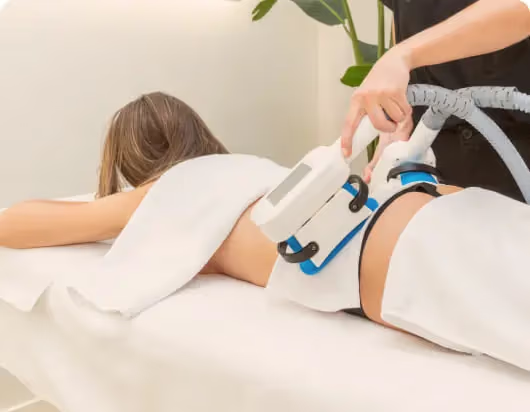
CoolSculpting is a non-surgical fat-freezing treatment that targets stubborn fat by using controlled cooling to crystallize and eliminate fat cells. Over time, the body naturally processes and removes the destroyed fat, leaving a more sculpted appearance. It’s FDA-approved and effective for areas like the abdomen, flanks, thighs, arms, and double chin.
How It Works:
The targeted cooling freezes fat cells without harming surrounding tissue. Once crystallised, these fat cells die and are gradually eliminated by the lymphatic system. Results become visible over 2–3 months, with a smoother, contoured look.
Process (Step by Step):
- Consultation & Assessment: Your body is assessed to determine eligible areas for treatment.
- Preparation: A gel pad and applicator are placed on the target area.
- Fat Freezing: The applicator delivers controlled cooling for 35–60 minutes per area.
- Massage: After treatment, the area is gently massaged to enhance fat cell breakdown.
- Post-Treatment: Minimal discomfort, no downtime; you can resume daily activities.
- Recovery: Fat cells are gradually eliminated; full results typically appear after 8–12 weeks.
Are You an Ideal Candidate?
Best for adults close to their ideal weight with pinchable fat pockets. Not suitable for pregnant or breastfeeding women, people with cryoglobulinemia or cold-induced conditions, or severe health issues.
Cost:
- Small area (e.g., double chin or arms): ₹12,000–₹20,000 per session
- Medium area (e.g., abdomen, flanks): ₹20,000–₹40,000 per session
- Multiple areas: 2–4 sessions may be needed, total cost ₹40,000–₹1,00,000
V-Fit Belly Fat Loss Treatment
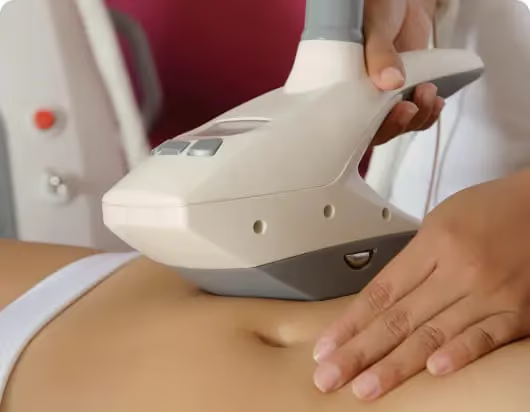
V-Fit is a targeted belly fat reduction treatment designed to help you achieve a flatter, toned abdomen by focusing specifically on stubborn belly fat. It combines advanced non-invasive techniques with professional guidance to break down fat cells, improve metabolism, and contour the midsection. Unlike general workouts or diets, V-Fit zeroes in on the belly area for faster, visible inch-loss results.
How It Works:
V-Fit uses a combination of technologies like ultrasound, radiofrequency, and massage to target subcutaneous fat. These methods loosen fat cells, stimulate local circulation, and encourage natural fat elimination through the lymphatic system. By focusing on the belly, the treatment helps smooth out bulges and tighten the skin for a firmer appearance.
Process (Step by Step):
- Consultation & Assessment: Your abdomen is examined, and pinchable fat areas are identified. Treatment zones are marked.
- Preparation: Skin is cleaned, and a gel or cooling pad is applied depending on the device used.
- Fat Reduction Treatment: The applicator or device is moved across the belly, delivering targeted energy to break down fat cells.
- Massage & Activation: Post-treatment massage or gentle stimulation enhances fat cell elimination and circulation.
- Post-Treatment: You can resume normal activities immediately. Some may feel slight warmth, tingling, or temporary redness.
- Recovery & Results: Fat is gradually eliminated by the body, and results become visible over a few sessions, typically smoother, tighter, and slimmer abdominal contours.
Are You an Ideal Candidate?
- Age Group: Adults aged 20–50 years generally see optimal results.
- Adequate Pinchable Fat: Works best if you have a moderate amount of subcutaneous belly fat that can be pinched.
- Gender: Suitable for both men and women.
- Sessions: Usually 6–10 sessions, depending on the amount of belly fat and desired results.
Cost:
- Per session: ₹4,000–₹8,000
- Full course: Typically 6–10 sessions, total cost ₹25,000–₹70,000 depending on area and number of sessions.
Why VLCC Stands Out for These Procedures
When it comes to inch-loss and body-shaping treatments like Mesolipo, Termoslim, or Zerona Laser, choosing the right centre makes all the difference. VLCC doesn’t just offer these services, we personalise them. Every session is planned after checking your body type, stubborn fat areas, metabolism, and how your body responds to treatments. This ensures you’re not getting a generic solution but a targeted approach that actually works.
✔ Medically Supervised Procedures
All treatments are guided by trained professionals and follow strict safety protocols. Whether it’s injections, ultrasound heat, or laser-based fat release, everything is monitored to make sure your body responds safely and effectively.
✔ Advanced, International-Standard Technology
VLCC uses clinically researched machines and formulations that are known for inch-loss and fat-cell reduction. These aren’t random salon devices, they’re medical-grade, result-driven systems.
✔ Personalised Fat-Loss Plans
The team combines treatments with the right food plan, hydration, and movement guidelines, so your results don’t depend on machines alone. This blend is what speeds up visual changes in just 10–14 days.
✔ Focus on Visible, Natural-Looking Results
The goal isn’t to shrink you unrealistically, it’s to smoothen, contour, and reduce inches where you genuinely need it. The change looks natural and matches your body shape. Curious to try one? Book a consultation at VLCC today and let’s shape your journey, naturally and effectively.
Frequently Asked Questions
You’ve gone through the full 14-day plan, the science, the food choices, and even the optional treatments. Now let’s clear the common doubts people usually have during fast-track weight-loss journeys.
1. Can a beginner really lose 5 kg in 14 days?
Yes, a beginner can lose 5 kg if they follow the meal plan, maintain daily movement, and stay consistent. The early days bring water loss, glycogen drop, and reduced bloating, which together make the weight move faster.
2. Is losing 5 kg in 2 weeks safe guidance?
Losing 5 kg in 2 weeks is possible, but it’s only safe when you follow proper guidance, keep nutrition balanced, and treat it as a short-term plan. Rapid weight loss should always be done mindfully, with adequate protein, hydration, rest, and regular monitoring. If you have medical conditions or fall into special categories (pregnant, breastfeeding, under 18), it’s best to avoid fast-loss plans and consult a professional first.
3. Will I feel weak while following this plan?
Not if you follow the structure properly. The diet focuses on protein, fibre, hydration, and balanced meals. However, a little tiredness in the first 2–3 days is normal as your body adjusts.
4. What if I’m unable to complete 10,000 steps daily?
That’s okay, do whatever is manageable. Even 6,000–8,000 steps plus 20 minutes of focused exercise can support healthy weight loss. Movement is flexible; consistency is the key. You can break it into smaller sessions throughout the day, a short walk after meals, a quick stretch, or climbing stairs counts too. The goal is to keep your body active and your metabolism engaged rather than hitting an exact number.
5. How fast will I see results?
Most people feel lighter within 3–4 days as water retention reduces. Visible inch loss usually begins around Day 5–7, and the biggest changes often show in Week 2.
6. Can I drink tea or coffee during this plan?
Yes, plain tea, black tea, green tea, and black coffee are allowed. Just avoid sugar, packaged creamers, and heavy milk-based drinks that stall weight loss. It’s best to have them in moderation, ideally without disrupting your meals or hydration. Also, avoid late-evening coffee to ensure your sleep and recovery aren’t affected.
7. What should I do if I feel hungry between meals?
Hydrate first, most cravings are dehydration. If hunger stays, choose small options like cucumber slices, buttermilk, 4–5 nuts, or herbal tea. Avoid mindless snacking.
8. Can I follow this plan if I’m vegetarian?
Absolutely. Every day includes veg options like dal, paneer, tofu, legumes, sprouts, quinoa, and yogurt that keep protein and fibre high. You can easily swap non-veg proteins for these vegetarian sources without affecting results. Just ensure portion control and variety to meet your daily nutrient needs.
9. Will this plan cause hair fall or weakness later?
Not if done correctly for only 14 days. The plan includes nutrient-dense foods to keep energy and protein levels adequate. Extending it beyond two weeks without professional guidance may lead to deficiencies, fatigue, or hair thinning, so it’s important to transition gradually to a balanced maintenance diet afterward.
10. Can I continue the same plan after 14 days?
No, this is a short-term transformation plan. After Day 14, you must shift to a 1,200–1,300 calorie structure with balanced meals to maintain results. Continuing the 1,000-calorie plan long-term can cause nutrient deficiencies, slow metabolism, and fatigue. Instead, gradually reintroduce healthy carbs and fats while keeping protein high to sustain weight loss and energy levels.