Losing weight has always been one of the toughest journeys for many people. Everyone wants quick results, but at the same time, no one wants to harm their health. From skipping meals to following new internet trends, so many diets come and go. Some work for a short time, some don’t work at all, and some end up doing more damage than good.
Amidst all this, there is one method that doctors sometimes recommend for people who are struggling with obesity or need to lose weight very quickly for medical reasons. This is called the Very Low Calorie Diet, or VLCD in short. It is not a regular diet that anyone can just start at home. Instead, it is a medically supervised plan where the body is given very few calories, generally 800 calories or less per day.
Sounds extreme? It is. But at the same time, it has helped many people lose weight rapidly when nothing else worked. The key is that it is meant only for special cases and always under professional supervision.
Before jumping deeper into how this diet works, who it is meant for, and why it can be both effective and risky, let’s slowly break it down step by step in the simplest way possible.
What Exactly is a Very Low Calorie Diet (VLCD)?
The name itself gives a clear hint. A Very Low Calorie Diet is a special eating plan where the total calories eaten in a day are kept extremely low, around 800 or even less. To put this in perspective, an average adult usually needs anywhere between 1,800 to 2,200 calories a day to maintain normal weight and energy levels. In the VLCD diet plan, this number is cut down to less than half.
Now, this doesn’t mean people are told to eat just a plate of salad and survive. Instead, the diet usually includes special meal replacement products like shakes, soups, or bars. These are carefully designed so that even though the calories are very few, the body still gets the essential proteins, vitamins, and minerals it requires to function.
The goal is not just to eat less, but to create a massive calorie deficit so that the body is forced to burn its stored fat for energy. That’s why VLCD is often used in cases where rapid weight loss is necessary, for example, before weight-loss surgery, or when someone is dealing with severe obesity and related health issues like diabetes or high blood pressure.
But here’s the important part: VLCD is not a casual diet. It is never recommended without medical supervision. Doctors and dietitians usually monitor the entire process, checking health parameters regularly. Without this guidance, it can become risky.
In short, a VLCD is not about “eating less to look slim.” It is a medical nutrition strategy designed for very specific situations, not a quick hack for everyday weight loss.
To understand the VLCD diet plan, it’s important to know how the body normally uses energy. Every day, the food eaten is broken down into calories, which fuel everything the body does, from breathing and walking to thinking and even sleeping. When calories eaten and calories burned balance out, weight usually stays the same.
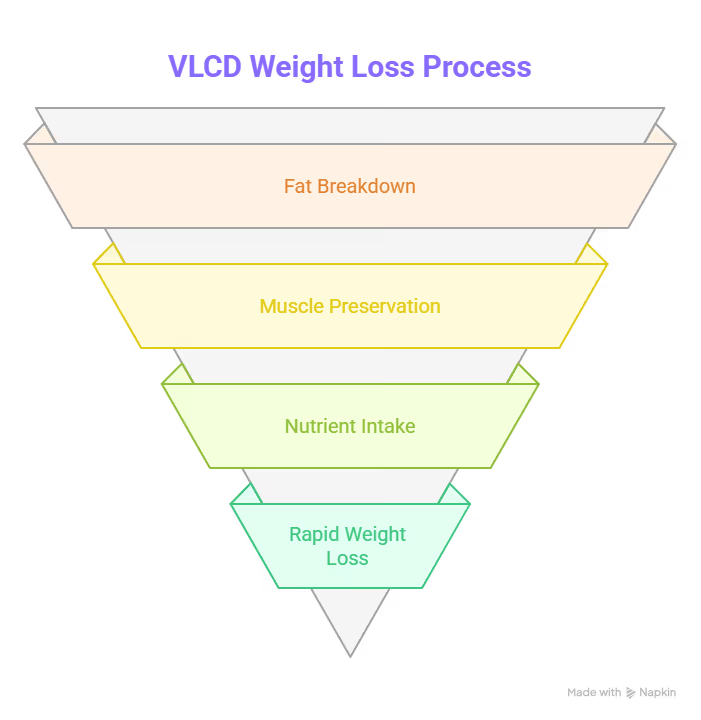
But when calories are cut drastically, as in a VLCD, the body doesn’t have enough from daily food to run its functions. So, it naturally turns to stored fat for energy. This is where weight loss starts happening.
Now, here’s the catch. If someone simply eats very little food without planning, the body might start breaking down muscle tissue along with fat. That’s not healthy at all. To prevent this, VLCDs are designed with high protein meal replacements and added nutrients. This ensures that while fat is burned, muscle mass is largely preserved, and the body still gets essential vitamins, minerals, and electrolytes.
Another reason VLCD works is because of its rapid calorie deficit. A regular low-calorie diet (around 1,200–1,500 calories per day) may lead to slow and steady weight loss. But with VLCD, weight loss is often much faster, sometimes 1.5 to 2.5 kg per week under medical guidance. This quick change can also improve health markers like blood sugar levels and blood pressure, which is why doctors sometimes prescribe it before surgeries or for patients with high risk due to obesity.
In simple words: VLCD puts the body into a state where it has no option but to use up fat reserves for fuel. And with the right nutrients given through shakes or meal replacements, it becomes a medically managed way of losing weight quickly.
But while the science sounds promising, there are always two sides to the story. So, the next step is to see who should actually follow a VLCD, and who should stay away from it.
Who Should Consider a VLCD?
A Very Low Calorie Diet is not for everyone. It is not like a new weight loss trend where anyone can wake up one morning and decide to follow it. In fact, health experts make it very clear: VLCD is meant only for specific groups of people, and always under strict medical supervision.
So, who exactly qualifies?
People with severe obesity
Usually, doctors suggest VLCD to people with a Body Mass Index (BMI) of 30 or more. At this stage, obesity is not just about appearance, it increases the risk of heart disease, diabetes, high blood pressure, sleep apnoea, and other serious conditions. Losing weight quickly in such cases can help reduce health risks faster.
Patients preparing for surgery
Sometimes, before weight-loss surgery or other medical procedures, doctors may recommend VLCD for a few weeks. Rapid weight loss in this period can make surgery safer by reducing fat around organs like the liver and heart.
People with obesity-related health conditions
Conditions such as type 2 diabetes, high blood pressure, and severe joint problems may improve significantly if a person loses weight quickly. Under careful monitoring, VLCD can be used to achieve these improvements.
But equally important is to know who should not follow VLCD:
Children and teenagers (except in rare medical cases with professional guidance).
Pregnant or breastfeeding women.
People with eating disorders or severe mental health issues.
Anyone planning to do it on their own without doctor’s supervision.
The main idea is that VLCD is a medical tool, not a lifestyle diet. It is meant for those who genuinely need it for health reasons and are under constant monitoring by professionals.
Benefits of VLCD – What Research Shows
When done the right way and under medical supervision, a Very Low Calorie Diet can bring several noticeable benefits.
That’s the reason doctors sometimes use it as a short-term tool for patients struggling with severe obesity or related health conditions.
Here are some of the main benefits:
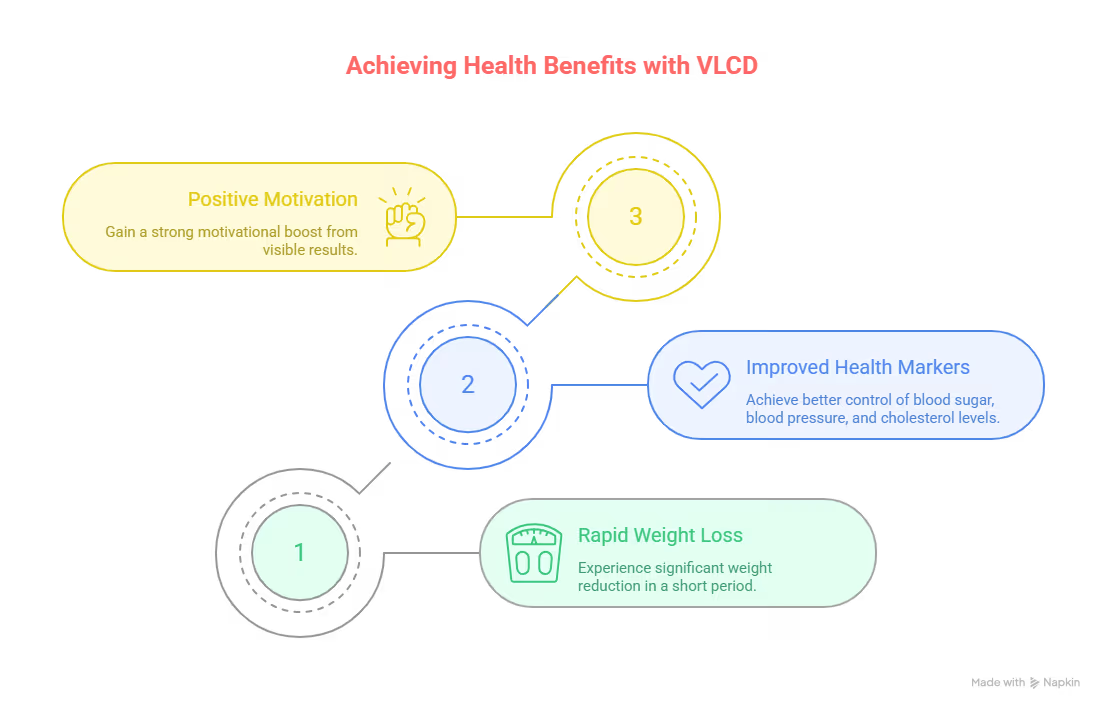
1. Rapid Weight Loss
One of the most obvious outcomes of VLCD is fast weight loss. Since the body is suddenly given far fewer calories, it starts burning stored fat quickly. On average, people may lose 1.5 to 2.5 kg per week during the initial phase of this diet. Over a period of 12–16 weeks, the total weight loss can reach around 15–20 kg, depending on the person’s condition and supervision plan.
A clinical trial published in the Journal of the American Medical Association (JAMA) reported that participants on VLCD lost significantly more weight compared to those on standard low-calorie diets (JAMA Study).
2. Improvement in Health Markers
Weight loss is not just about appearance; it’s closely linked to health. Studies have shown that VLCD can lead to better control of blood sugar levels in people with type 2 diabetes, reduced blood pressure, and improvement in cholesterol levels. This means that apart from weight, the overall health risks linked to obesity start going down.
A recent 2025 study published in Diabetology & Metabolic Syndrome found that VLCD improved insulin resistance and metabolic function in obese patients who were preparing for bariatric surgery (Springer Link).
3. Positive Impact on Motivation
Rapid results often act as a strong motivational boost. For many people who have tried multiple diets and failed, VLCD offers visible changes in just a few weeks. This can give a sense of achievement and push them to stay committed to long-term health goals.
Of course, these benefits don’t mean VLCD is for everyone or that it can be followed casually. But under proper monitoring, it can truly help people kick-start their weight loss journey, especially when urgent health improvement is needed.
Risks and Realistic Drawbacks of VLCD
Every strong medicine has side effects, and the same applies to VLCD. While it delivers fast results, it also comes with challenges and possible risks if not handled carefully. That’s why doctors always insist on medical supervision.
1. Common Side Effects
When the calorie intake is reduced so drastically, the body may react in different ways. Some common issues reported include:
Headaches and fatigue
Constipation
Nausea or dizziness
Bad breath (due to a state called ketosis)
Temporary hair thinning
These usually appear in the first few weeks and may settle down later, but they can make the diet tough to continue without proper guidance.
2. Gallstones and Nutrient Deficiency
One major concern is the risk of gallstones. Rapid weight loss can increase the chances of developing gallbladder problems. Also, if the diet is not properly formulated, there is a chance of missing out on important nutrients. That’s why medically designed shakes and supplements are used instead of random low-calorie meals.
3. Psychological Impact
Food is not just about energy, it’s also linked to emotions and social life. Being on such a restrictive plan can sometimes lead to mood swings, frustration, or even depressive feelings. A study highlighted in the Times of India reported that extreme calorie restriction can increase the risk of depression, especially in men and overweight individuals (TOI Report).
4. Weight Regain
Another big challenge is what happens after the diet ends. If someone loses weight quickly but doesn’t have a proper plan for maintaining it, the weight often comes back. This effect is frustrating and unhealthy. That’s why VLCD should always be followed by a maintenance phase, where regular balanced eating and physical activity are introduced.
5. History of Safety Concerns
In the past, some unsafe versions of VLCD (using poorly formulated liquid diets in the 1970s) even led to deaths. Modern versions are much safer because they are nutritionally balanced, but the lesson remains clear: never try a VLCD without professional monitoring.
In short, VLCD is like a strong tool, it can fix a serious issue quickly, but only when handled by the right hands. For someone trying to copy it at home without guidance, the risks can easily outweigh the benefits.
How is it Different from Regular Dieting?
Many diets today, low-carb, keto, intermittent fasting, still allow people to eat a wide variety of foods, just with certain restrictions. VLCD is different. It’s extremely structured, carefully monitored, and leaves almost no space for flexibility.
Here’s how it stands apart:
Calorie count: Normal weight-loss diets cut about 500–700 calories a day from regular intake. VLCD goes way beyond that, limiting it to 400–800 calories total.
Food choices: Instead of normal home-cooked meals, most of the food comes from specially formulated replacements.
Supervision: Unlike regular dieting, VLCD is almost always done under medical supervision.
Duration: It is usually followed only for a few weeks to a few months, not as a lifestyle plan.
This makes it clear that VLCD is not about casual slimming down before a wedding or a vacation. It’s more of a medically guided tool for those who need urgent results.
Sample VLCD Meal Examples
Here’s how a Very Low Calorie Diet (VLCD) can look in real life. Each day is designed to keep calories between 700–800 kcal, with a focus on protein, fibre, and hydration. Remember, this is just an example meal plan, always consult your doctor before starting.
Day 1 – (Approx. 700 kcal)
Breakfast (150 kcal): 1 boiled egg + 1 small apple
Mid-Morning (80 kcal): 1 cup green tea + 2 digestive biscuits
Lunch (220 kcal): Grilled chicken breast (80g) with sautéed spinach and mushrooms
Evening Snack (70 kcal): 1 cup clear vegetable soup (no cream)
Dinner (180 kcal): 1 small bowl dal + cucumber salad
Mid-Morning (70 kcal): 1 cup green tea + 2 khakhras
Lunch (230 kcal): Grilled paneer (80g) with sautéed spinach
Evening Snack (80 kcal): 1 cup tomato soup
Dinner (200 kcal): 1 small bowl dal + ½ chapati + cucumber salad
This is just a sample plan to give you clarity. The exact meals will vary depending on your health, goals, and doctor’s advice.
Important Note:
VLCDs are usually not followed for more than 12–16 weeks, and mostly under medical guidance. The reason? Eating so few calories can lead to deficiencies, dizziness, and muscle loss if not properly balanced with supplements and supervision.
Frequently Asked Questions on VLCD
Before getting into the common doubts, let’s be honest: VLCD is not something most people hear about every day. So naturally, there are plenty of questions in mind, ranging from “Is it safe?” to “Can it really work for me?”. Here are some clear, no-nonsense answers.
1. Is VLCD safe for everyone?
Not really. VLCD is usually recommended only for people who are obese or facing serious health risks due to excess weight. It must be supervised by a doctor or dietitian. For healthy individuals with moderate weight issues, safer options like balanced diets and regular workouts are better.
2. How many calories are allowed in a VLCD?
Typically, a VLCD provides 400 to 800 calories per day. These calories mostly come from meal-replacement shakes, soups, or bars that are nutritionally balanced to avoid deficiencies.
3. How much weight can be lost on a VLCD?
Research suggests that people can lose 1.5 to 2.5 kg per week on a properly supervised VLCD. However, results depend on age, gender, body type, and overall health.
4. Can VLCD be done at home without medical help?
No, it is strongly discouraged. Such a restrictive diet can cause nutrient deficiencies, muscle loss, and other complications if not monitored. Medical supervision ensures safety and correct adjustments.
5. Is VLCD the same as intermittent fasting?
Not at all. Intermittent fasting focuses on eating during specific time windows, but total calories can still be normal. VLCD, on the other hand, drastically cuts down calorie intake every single day.
6. Can VLCD reverse diabetes or other health issues?
VLCD can improve blood sugar control and sometimes even help in diabetes remission. But it is not a cure. Long-term lifestyle changes are still necessary to maintain results.
7. How long can someone stay on a VLCD?
Usually, doctors recommend following it for 8 to 12 weeks. Staying on it longer without professional monitoring can be risky.
8. What happens after stopping VLCD?
This is where many people struggle. If old eating habits return, weight gain is likely. That’s why doctors usually suggest a structured transition to a low-calorie maintenance diet after VLCD.
9. Does VLCD cause weakness or hair loss?
It can, if not supervised properly. Since calorie intake is extremely low, some people experience fatigue, dizziness, or hair thinning. Supplements are often prescribed to balance nutrition.
10. Who should completely avoid VLCD?
Pregnant or breastfeeding women, children, teenagers, and people with eating disorders should strictly avoid VLCD. Even adults with health conditions must consult a doctor before considering it.
Conclusion: Is VLCD the Right Choice?
Losing weight is never just about a number on the weighing scale, it’s about feeling healthier, more confident, and more in control of life. A Very Low Calorie Diet (VLCD) may sound like a quick fix, but it is far from an “easy way out.” It’s a structured medical approach designed to bring rapid results for those who genuinely need it, especially when other methods fail. The biggest takeaway? VLCD works, but it works best under supervision. It is not meant to be a lifelong eating pattern but a short-term reset for the body. Think of it as a stepping stone, a way to break through barriers, kickstart progress, and then gradually move towards a more balanced, sustainable lifestyle. At the end of the day, health is not about starving, it’s about nourishing the body in the right way. If considering VLCD, the wisest move is to consult a healthcare professional, understand the risks and benefits, and then take it forward safely. Because while quick results are motivating, only sustainable habits will keep the weight off and the health intact.