
About
What is Belly Fat Reduction?
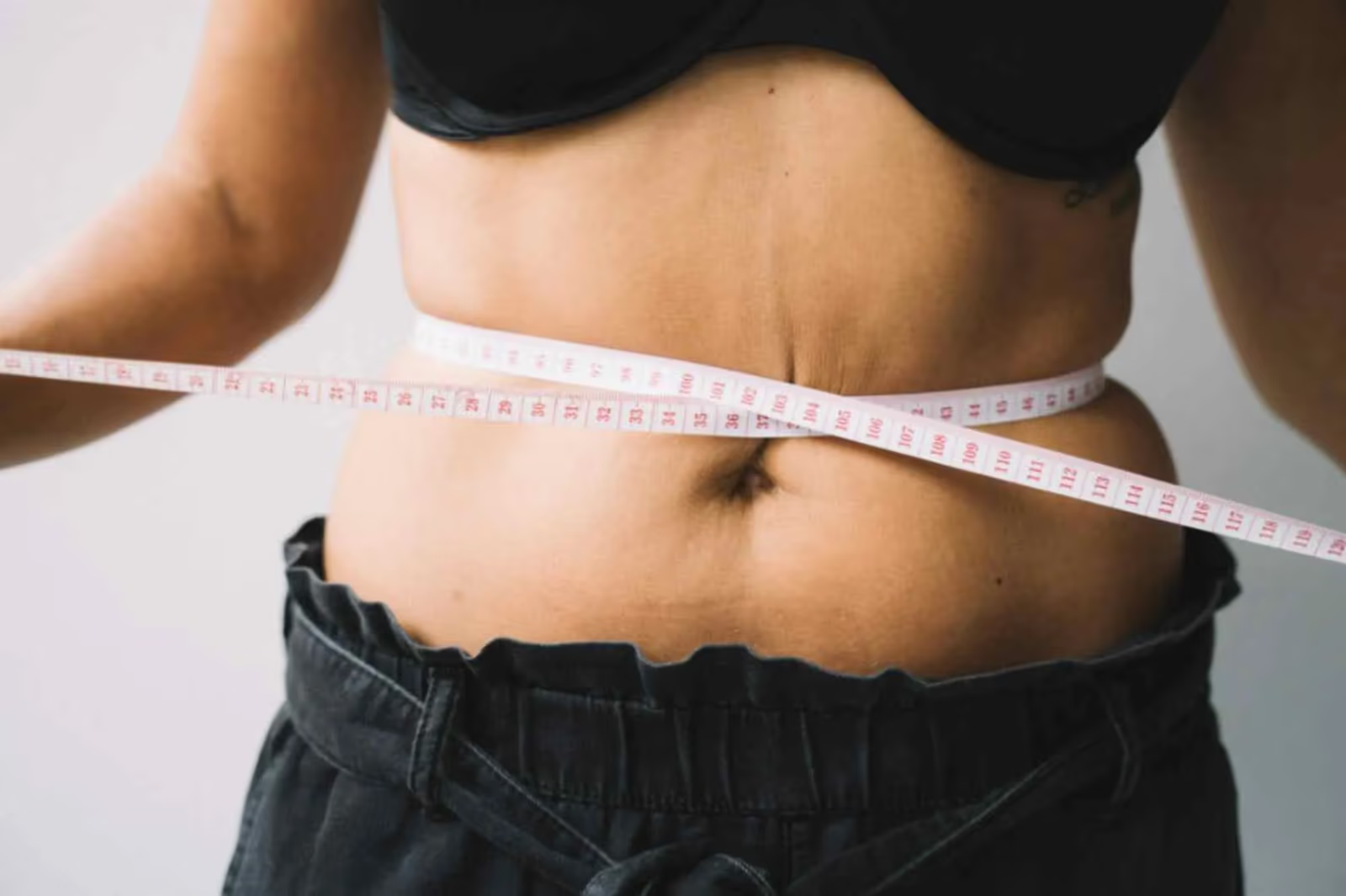
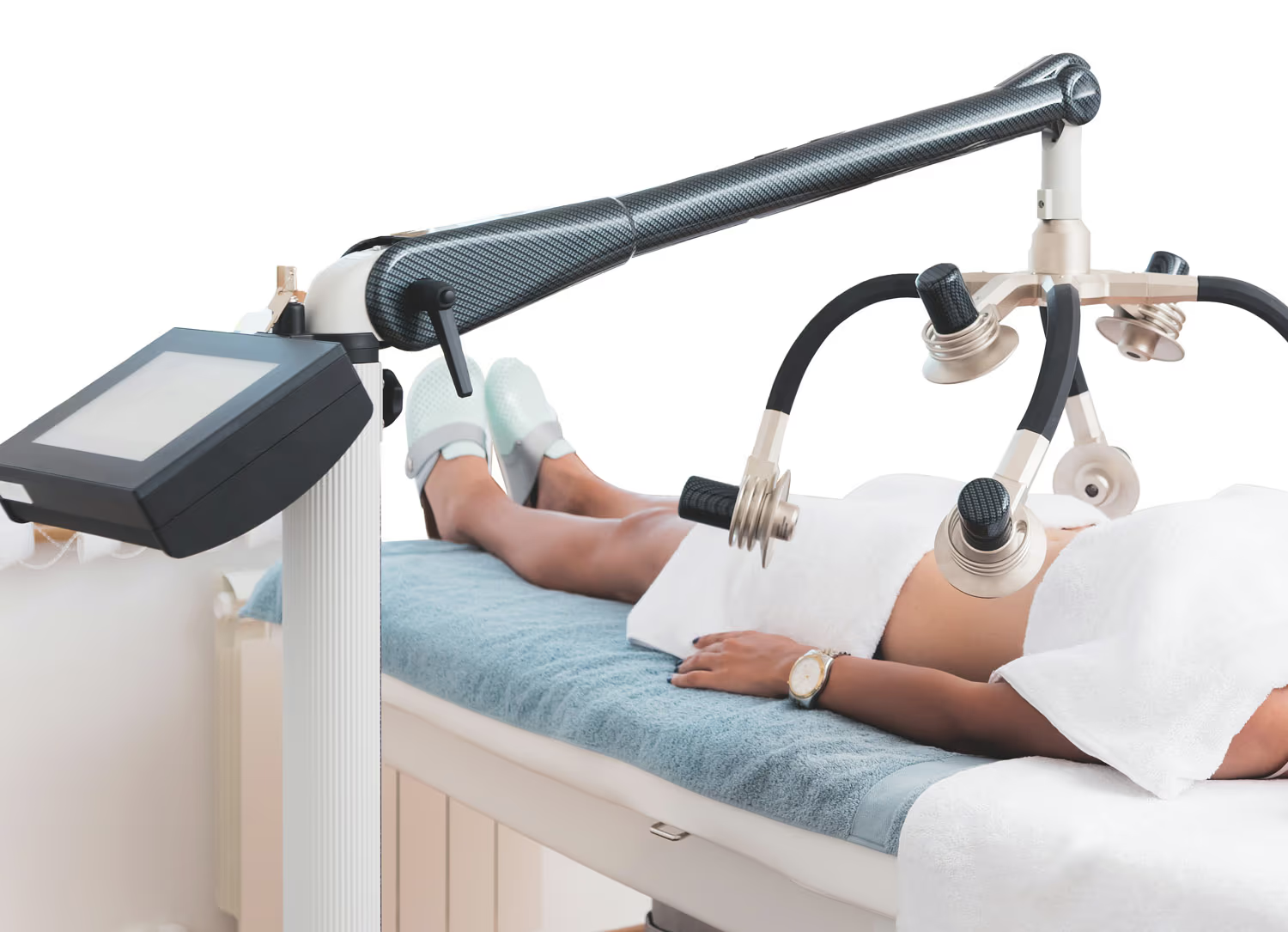
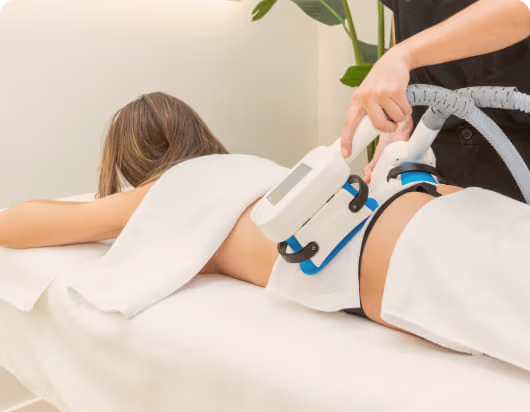
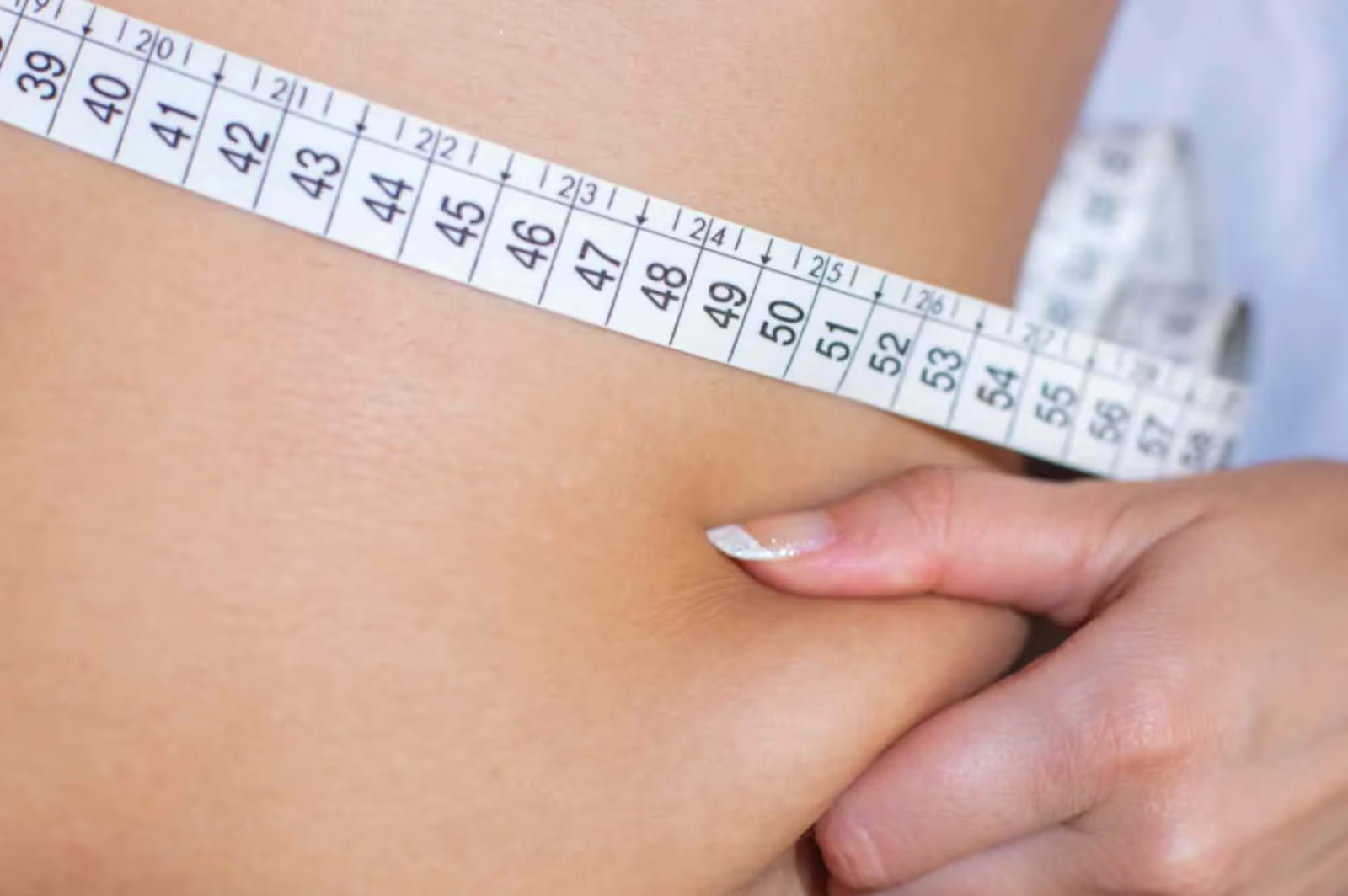
Belly fat loss and reduction refers to the process of targeting and eliminating excess fat from the abdominal area. Belly fat can be classified into two types. One type is subcutaneous fat, which lies just beneath the skin, and the other is visceral fat, which surrounds the internal organs. From diet and exercise to belly fat reduction treatments, there are numerous methods designed to address both superficial and deep visceral fat that contributes to a bulging stomach. Individuals seeking non-surgical belly fat removal often opt for non-invasive treatments like cryolipolysis, radiofrequency, or laser therapies. The primary goal of belly fat reduction is to improve both appearance and health by targeting the fat in the abdominal region. Many individuals seek to reduce belly fat for aesthetic reasons, wanting to fit better into clothing, enhance body confidence, or achieve a more proportionate figure.
Root Cause
Diet and Nutrition
A diet high in sugar, refined carbohydrates, and unhealthy fats contributes to fat storage in the abdominal region. Consuming excess calories can lead to weight gain, which often manifests as belly fat.
Sedentary Lifestyle
Lack of physical activity plays a major role in the accumulation of belly fat. Without regular exercise, the body stores excess calories as fat, particularly around the midsection.
Hormonal Imbalances
Hormones, particularly cortisol and insulin, play a significant role in fat distribution. Elevated cortisol levels, often due to stress, can lead to increased belly fat, while insulin resistance can cause the body to store fat more easily in the abdomen.
Genetics
Some individuals are predisposed to storing fat in the abdominal area due to their genetic makeup. This can make stomach fat reduction more challenging for some people compared to others.
Ageing
As we age, metabolism slows down, and muscle mass decreases, making it easier to accumulate fat, especially in the belly area.
The Science Behind the Cause
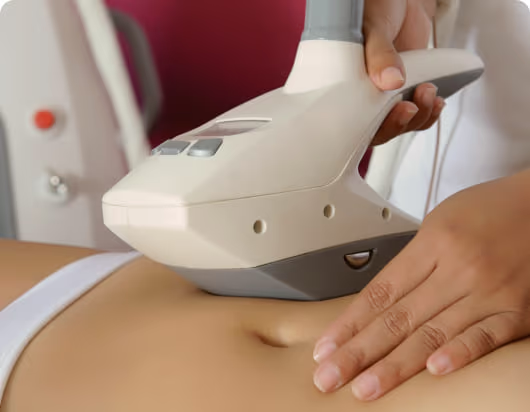
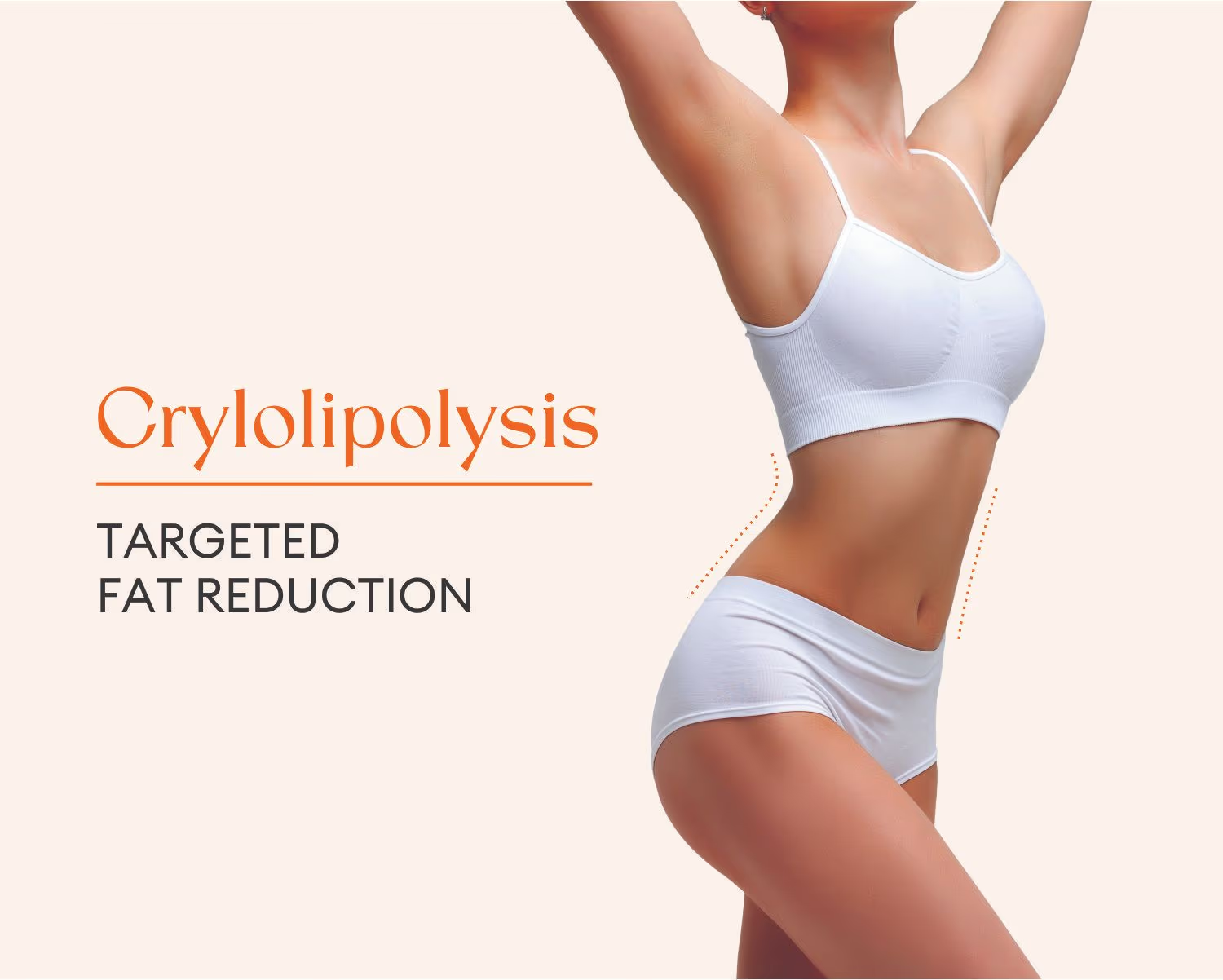
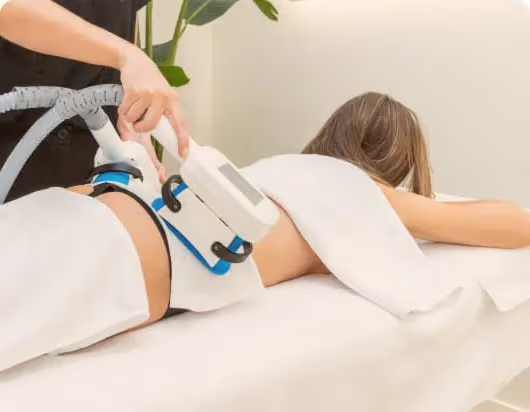
One of the most popular non-invasive methods for belly fat removal is cryolipolysis (CoolSculpting), which uses cold temperatures to freeze and destroy fat cells. These cells are gradually eliminated by the body’s lymphatic system, resulting in a slimmer abdomen.
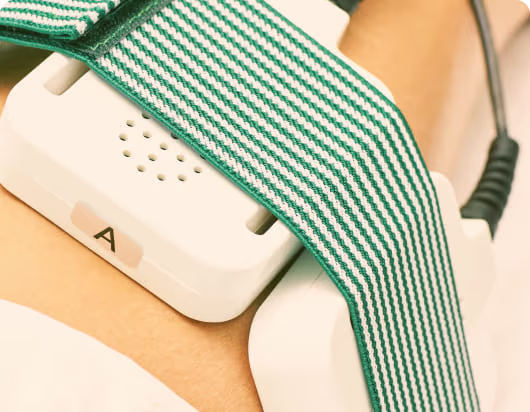
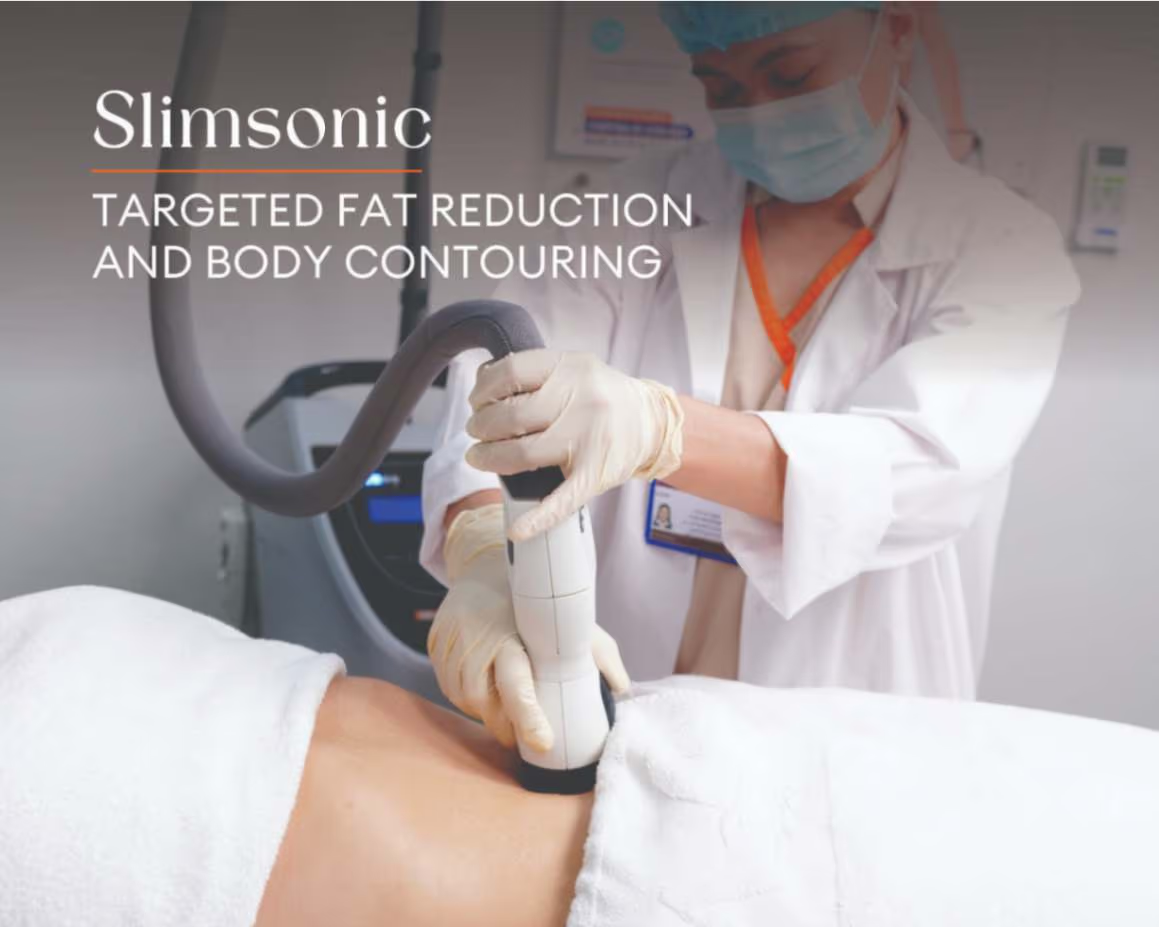
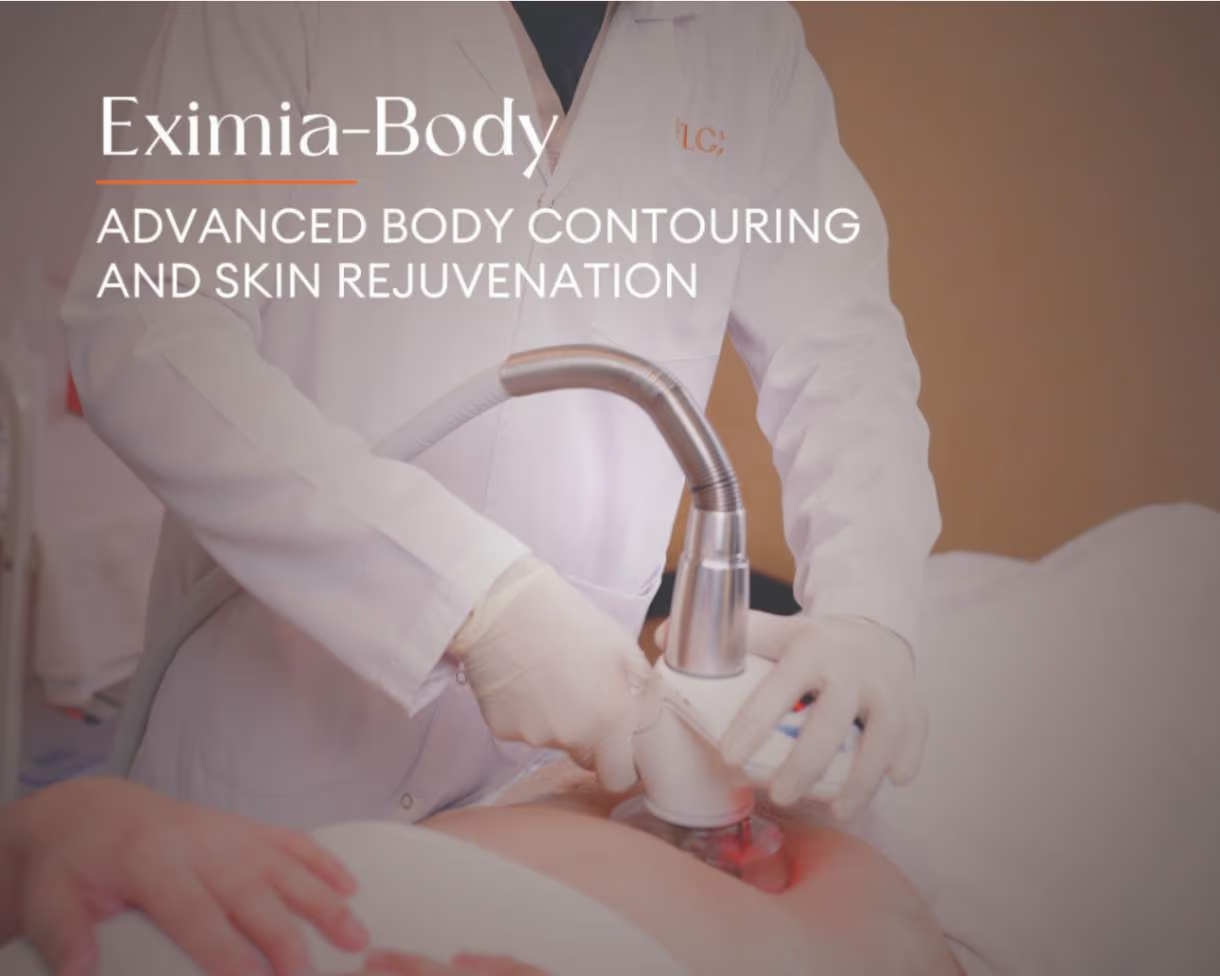
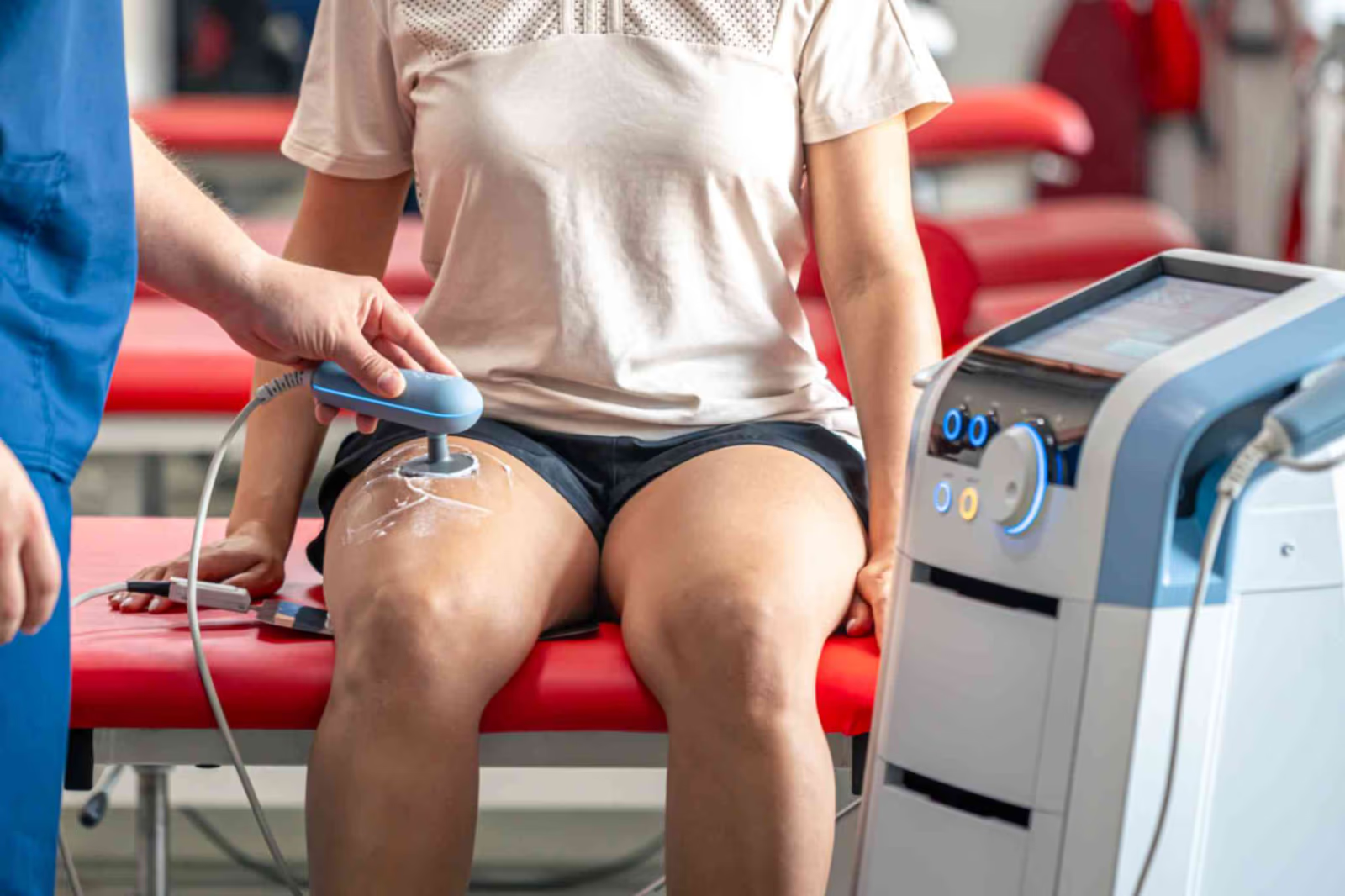
Another approach, radiofrequency (RF) therapy, utilizes heat energy to break down fat cells while also promoting collagen production, which helps tighten the skin in the treatment area. Laser lipolysis is another non-surgical option that employs laser energy to liquefy fat cells, which are then naturally removed by the body. These non-invasive techniques have been proven effective in reducing stomach fat with minimal downtime and recovery.
In addition to medical treatments, lifestyle modifications play a crucial role in belly fat reduction. Cardiovascular exercises like running, cycling, and swimming are effective at burning visceral fat, while strength training helps build muscle, which boosts metabolism and supports long-term fat loss. A combination of these scientific methods—both technological and lifestyle-based—provides a comprehensive approach to reducing belly fat and improving overall body composition.
Symptoms & Indicators
You may want to consider belly fat reduction if you experience:
- A bulging stomach or "love handles" may indicate an accumulation of both subcutaneous and visceral fat.
- Some people find it harder to lose fat in their belly compared to other parts of their body, even with diet and exercise.
- High levels of belly fat can be a sign of metabolic syndrome, a condition that increases the risk of heart disease, diabetes, and stroke.
Prevention & Management
Prevention
Preventing belly fat from accumulating is possible with the following lifestyle habits:
- A diet rich in whole foods, fibre, and lean protein, while limiting sugar, refined carbs, and unhealthy fats, can prevent the buildup of fat around the abdomen.
- Cardiovascular exercises, along with strength training, help burn calories and increase muscle mass, which in turn boosts metabolism and prevents fat accumulation.
- Reducing stress can help manage cortisol levels, preventing the accumulation of belly fat caused by stress-induced eating.
Management
- Whether you’ve undergone a surgical or non-surgical procedure, it’s crucial to adhere to all aftercare instructions to ensure optimal healing and long-term results.
- Maintain a balanced diet and stay active to prevent fat from accumulating again in the abdominal area.
- Keep an eye on your abdominal area for any changes or signs of weight gain, and make adjustments to your diet or exercise routine as necessary.
Research from the Journal of Dermatologic Surgery shows that non-surgical treatments like radiofrequency (RF) and laser lipolysis effectively reduce fat deposits while tightening the skin. These methods can decrease fat in treated areas by up to 24% over a few months without the need for surgery.