About
What is Face Fat Reduction?
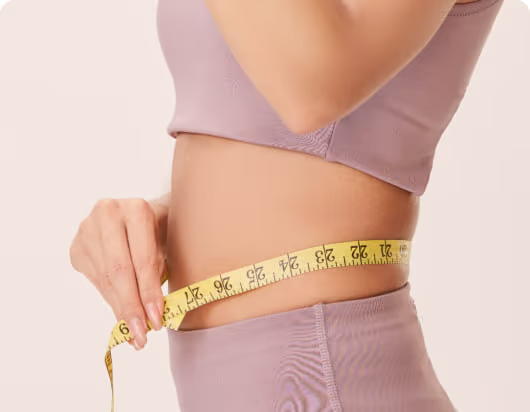
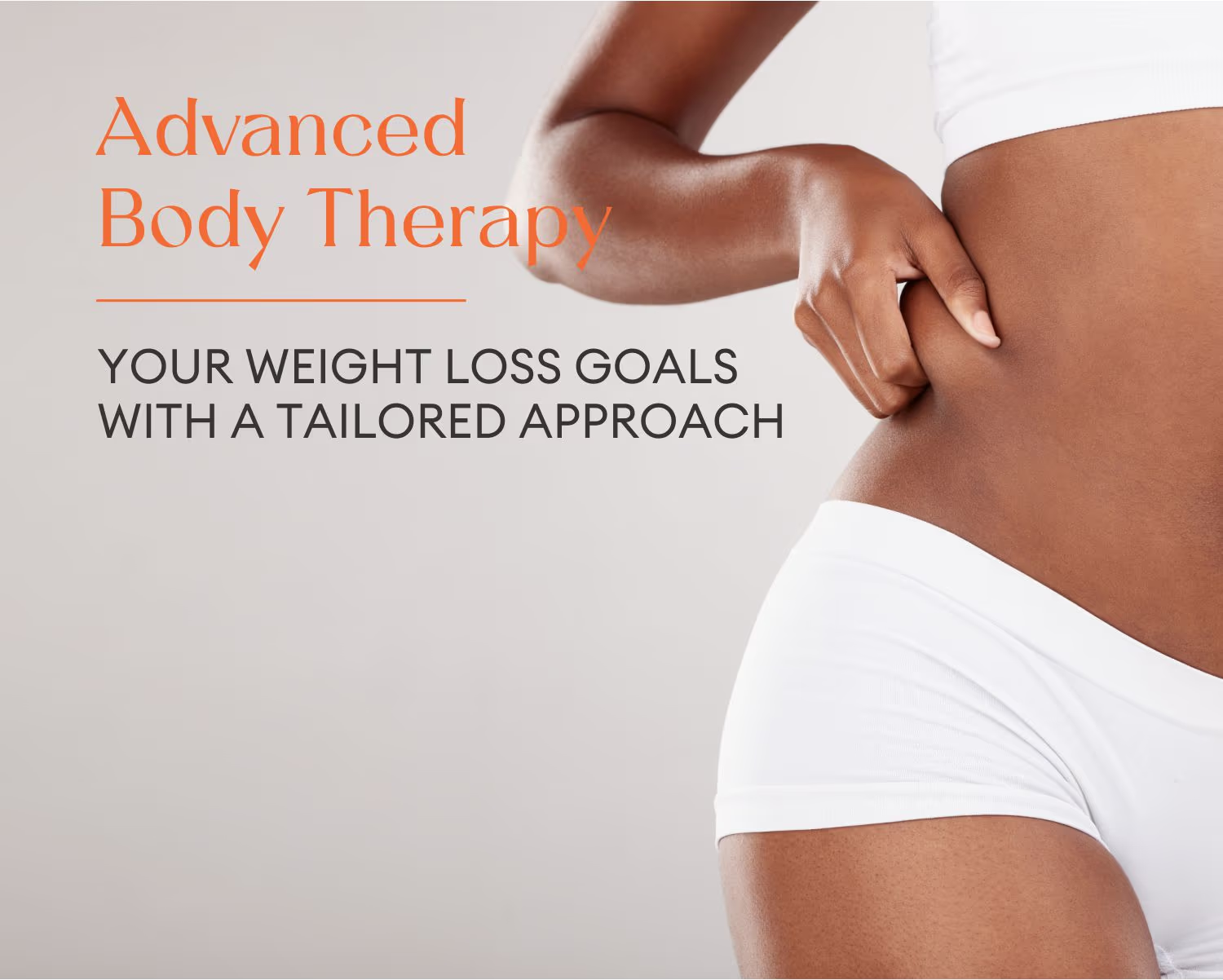
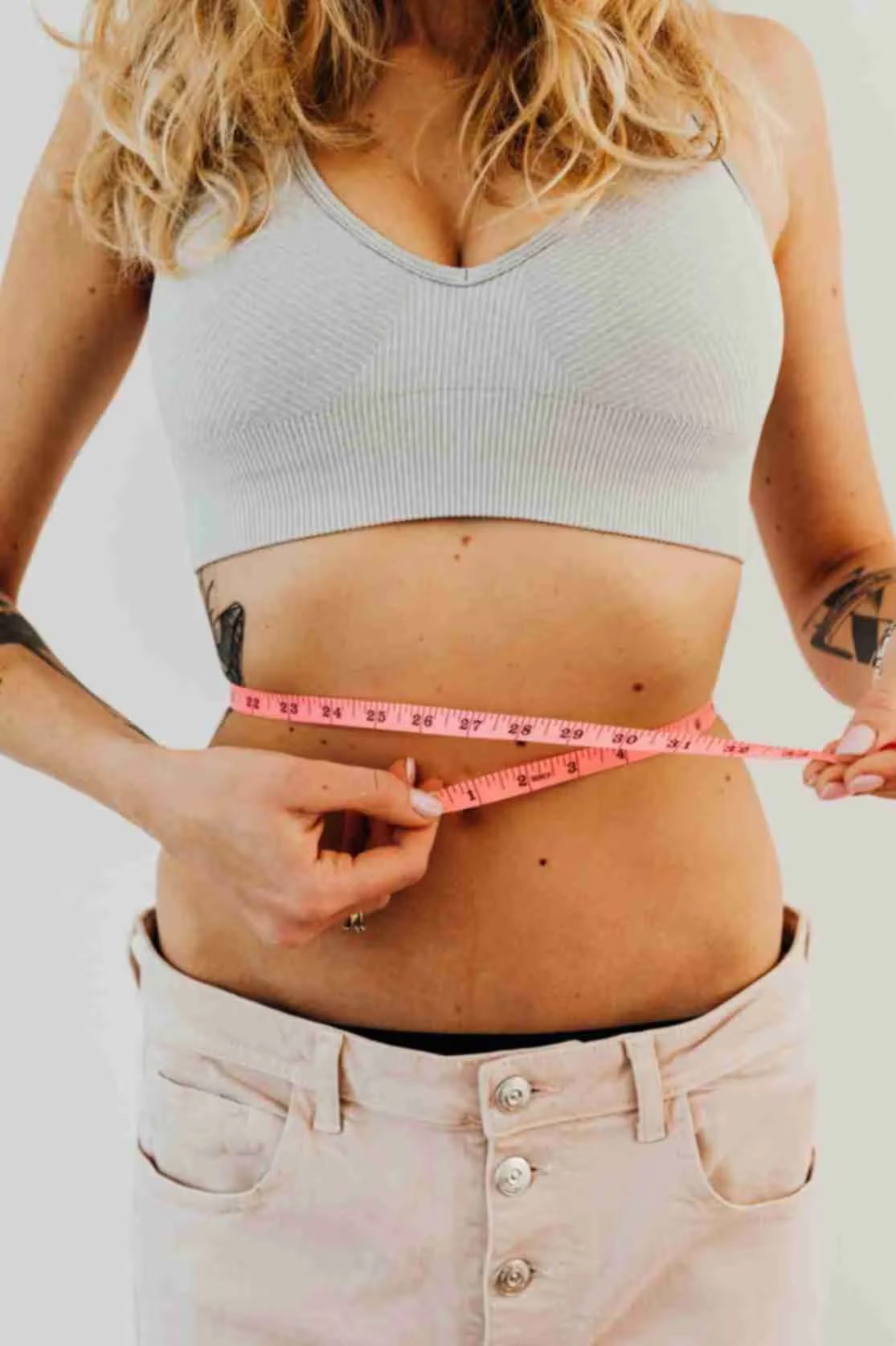
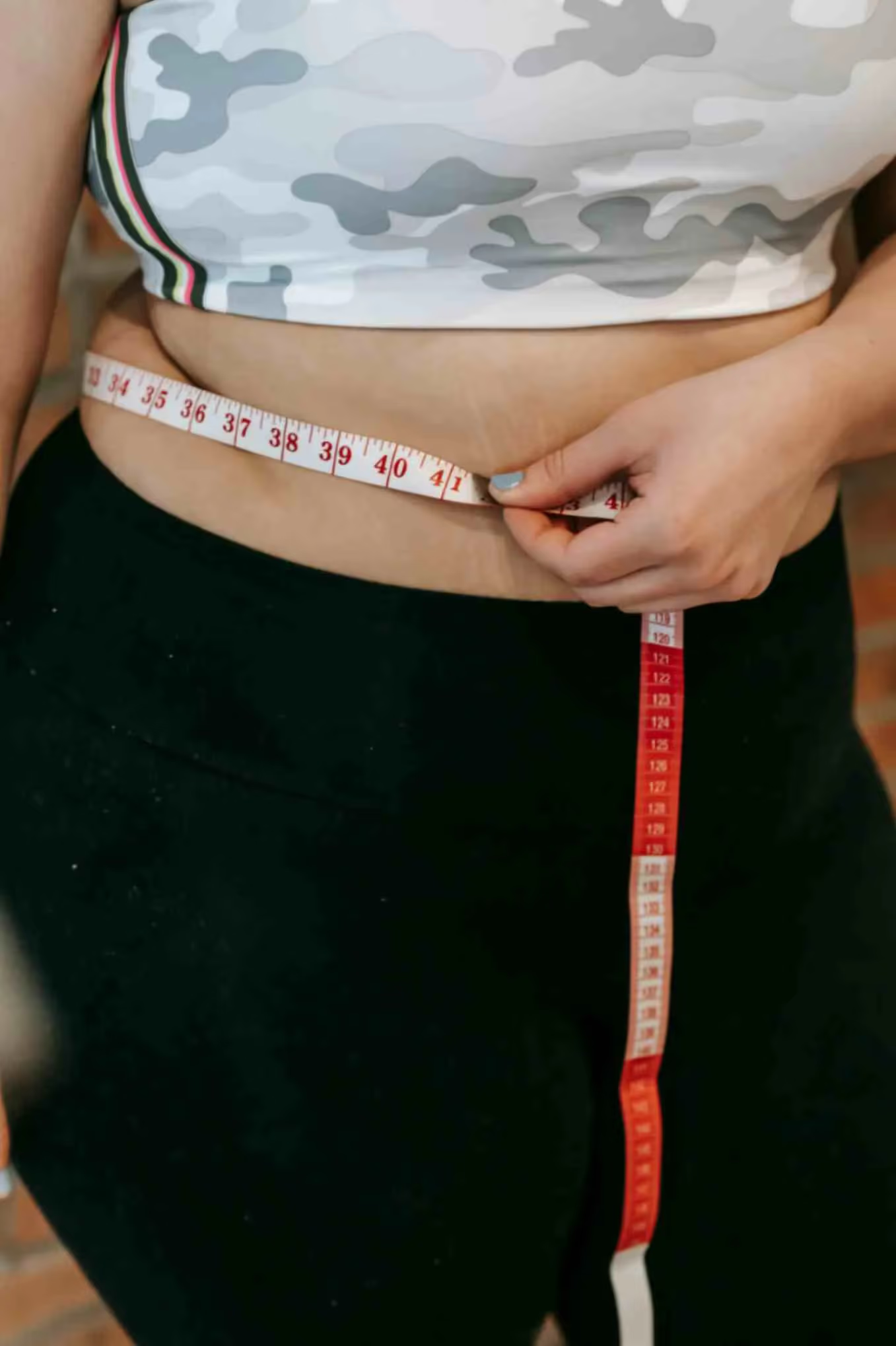
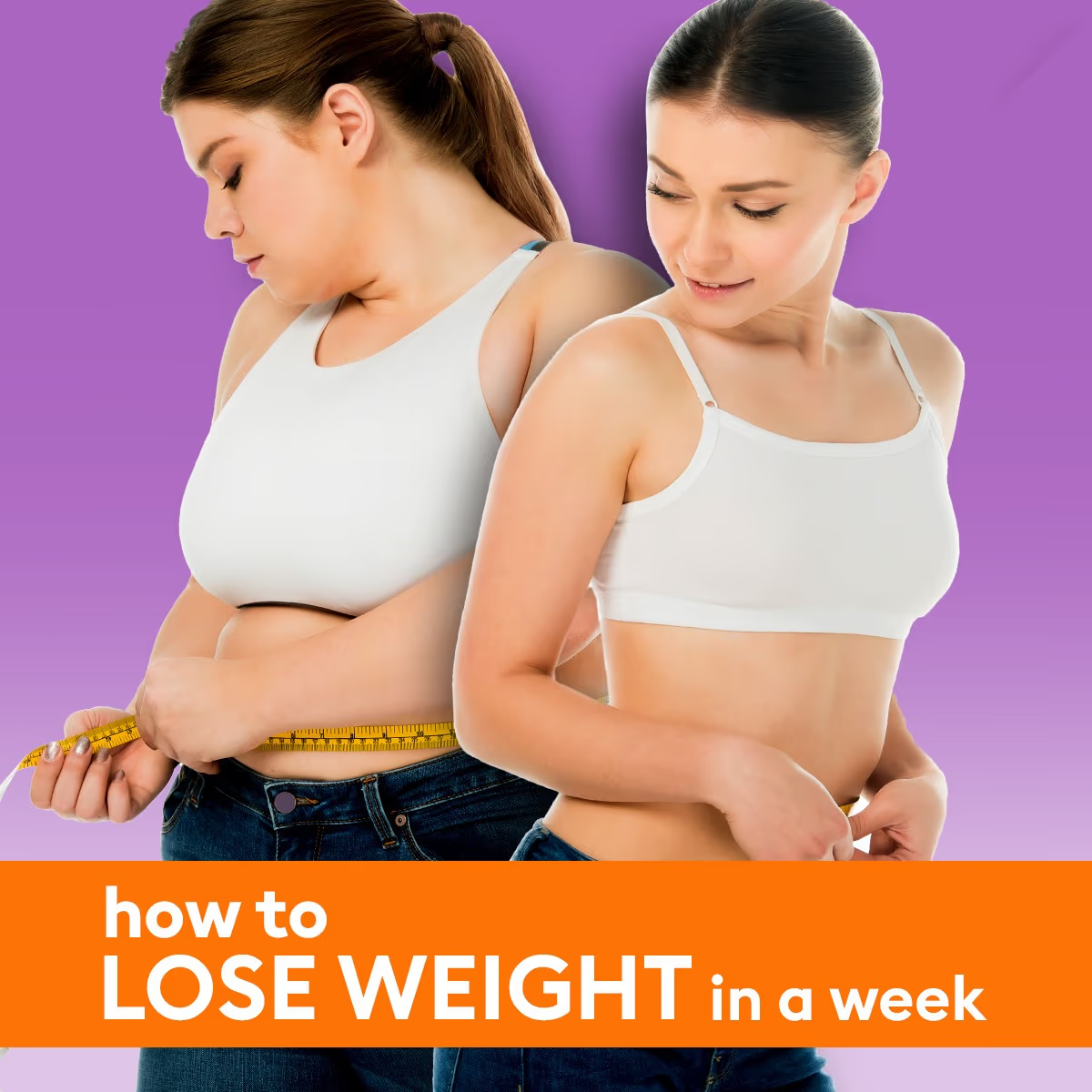
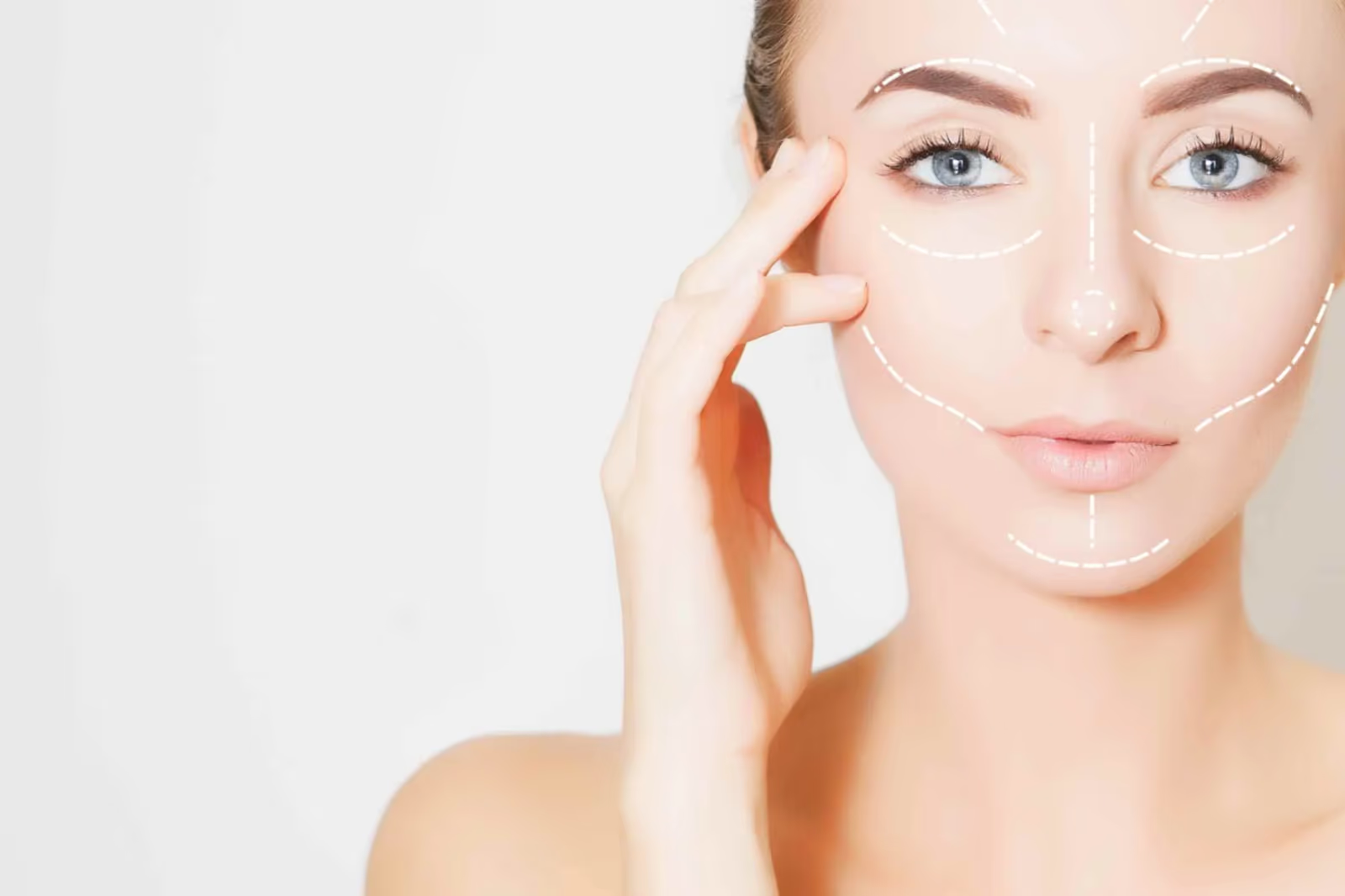
Face fat reduction refers to the process of minimising excess fat in specific areas of the face, such as the cheeks, jawline, or under the chin, to create a more defined and contoured appearance. Fat accumulation in the face can result in a rounder, fuller look, sometimes referred to as "chubby cheeks" or a "double chin." This can be influenced by several factors, including genetics, weight gain, ageing, and hormonal changes. The goal of face fat reduction is to enhance the natural contours of your face, creating sharper jawlines, slimmer cheeks, and a more balanced appearance. Many individuals share stories of face fat transformation, showcasing their progress face before and after weight loss and how it has improved their confidence.
Root Cause
Genetics
Your genetic makeup may predispose you to store fat in certain areas, including the face. If your family members have rounder faces, you may be more likely to accumulate fat there.
Weight gain
General weight gain often leads to an increase in facial fat. As you put on body fat, some of it is likely to be stored in your face.
Hormonal changes
Hormonal imbalances can affect fat distribution in the body, including the face.
Lifestyle factors
Poor diet, lack of sleep, and insufficient physical activity can contribute to face fat
The Science Behind the Cause
Unlike targeting body fat through exercise alone, face fat reduction requires an overall reduction in body fat, as spot reduction isn’t scientifically proven. The primary way to lose face fat is through a caloric deficit—burning more calories than you consume—leading the body to tap into fat stores for energy, including those in the face.
Hydration plays a significant role as well. When the body is dehydrated, it tends to retain water, causing puffiness in the face. Staying hydrated prevents water retention and can make the face appear slimmer.
Hormonal imbalances, such as elevated cortisol levels due to stress or changes in insulin and estrogen, can affect how fat is distributed, making it harder to lose facial fat in some cases.
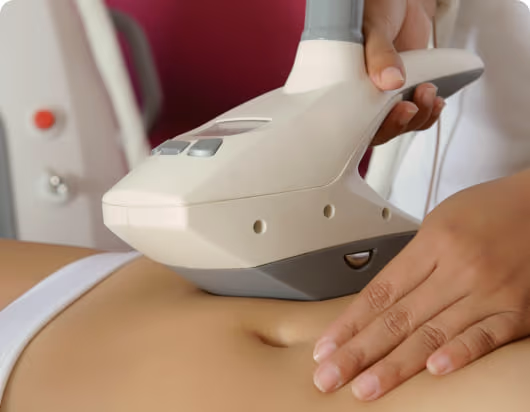
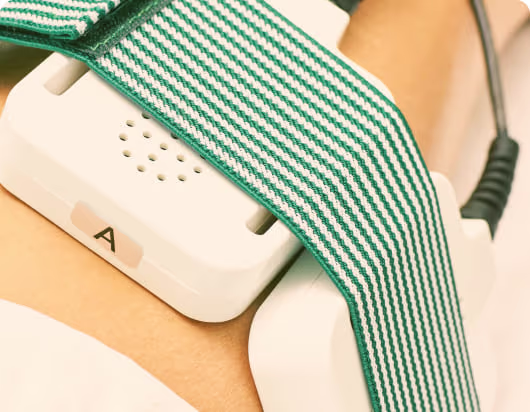
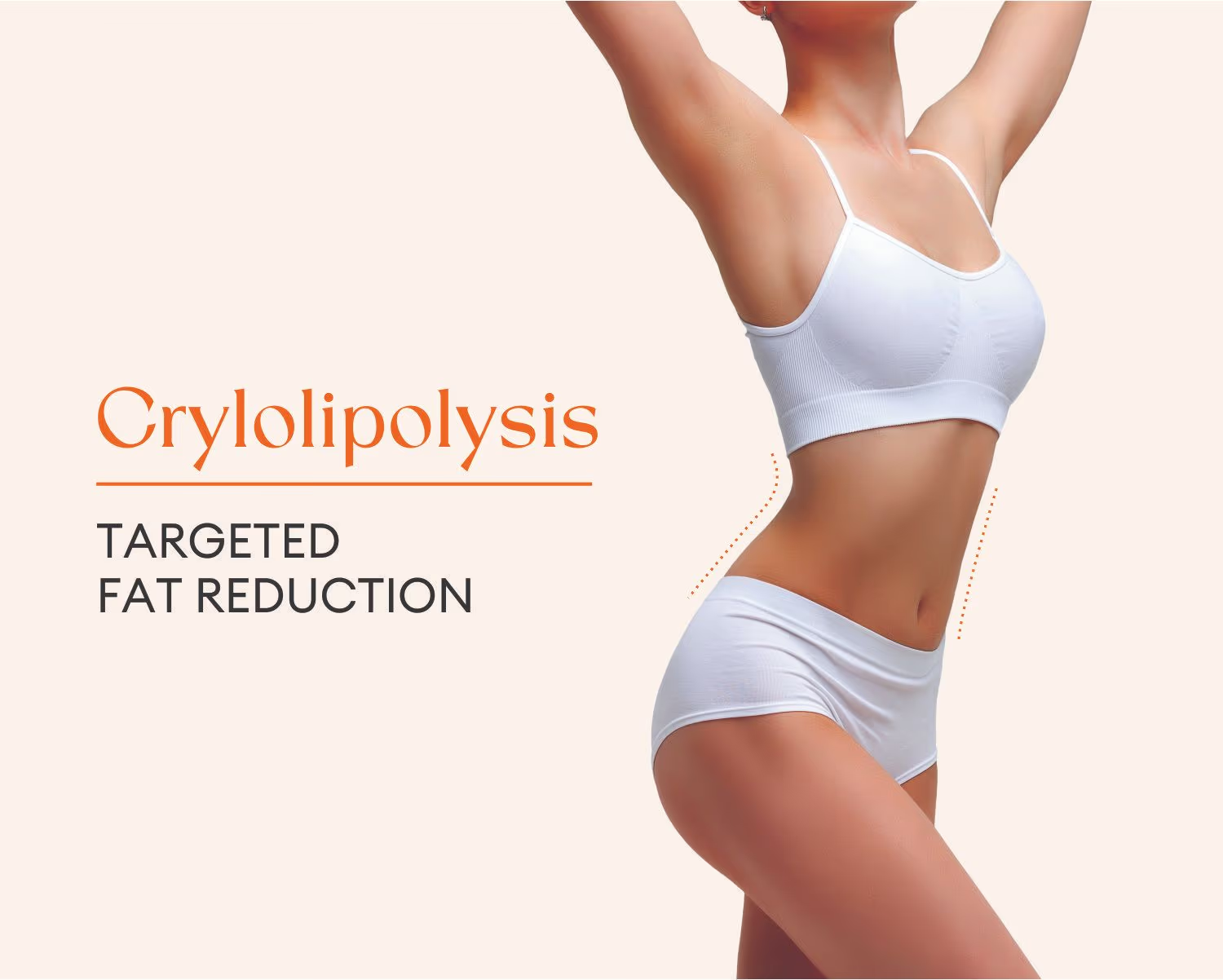
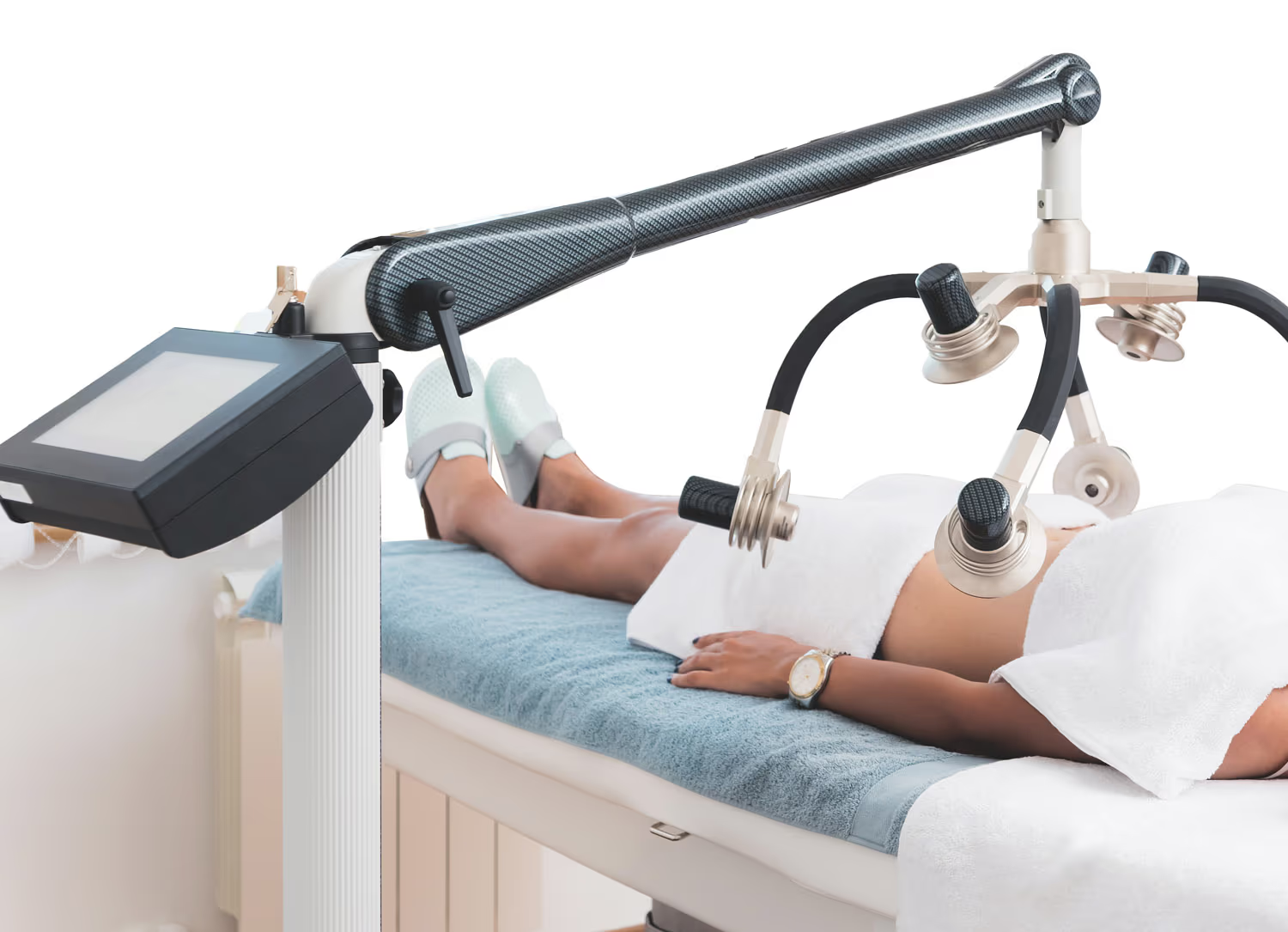
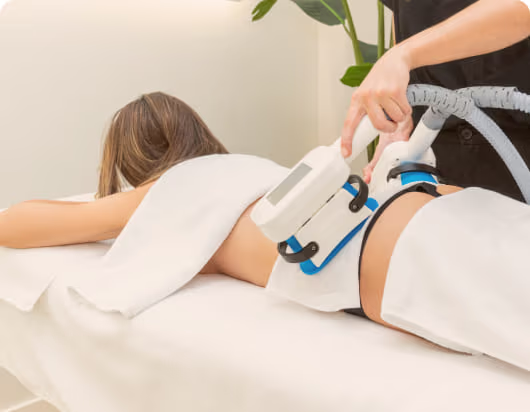
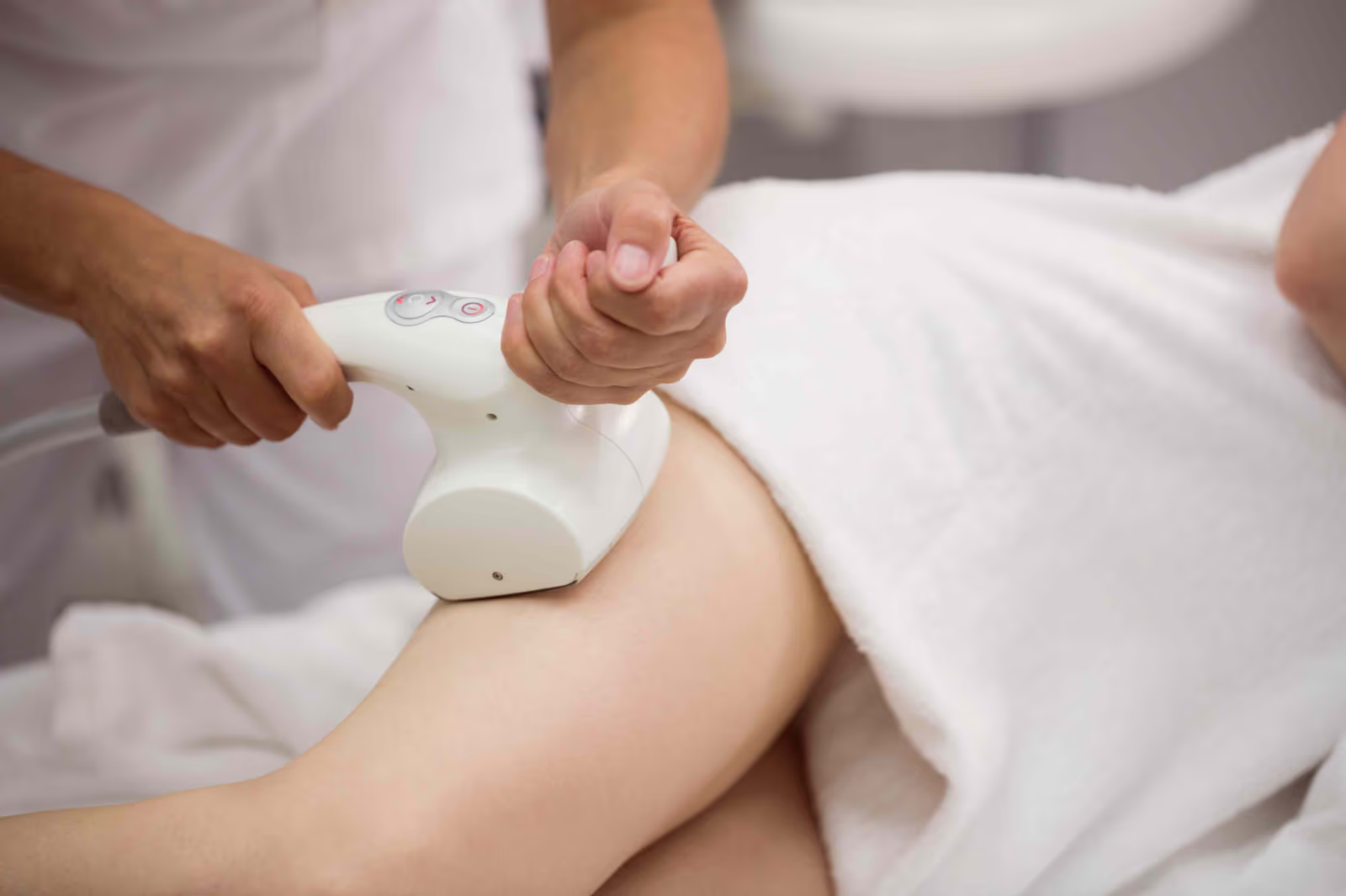
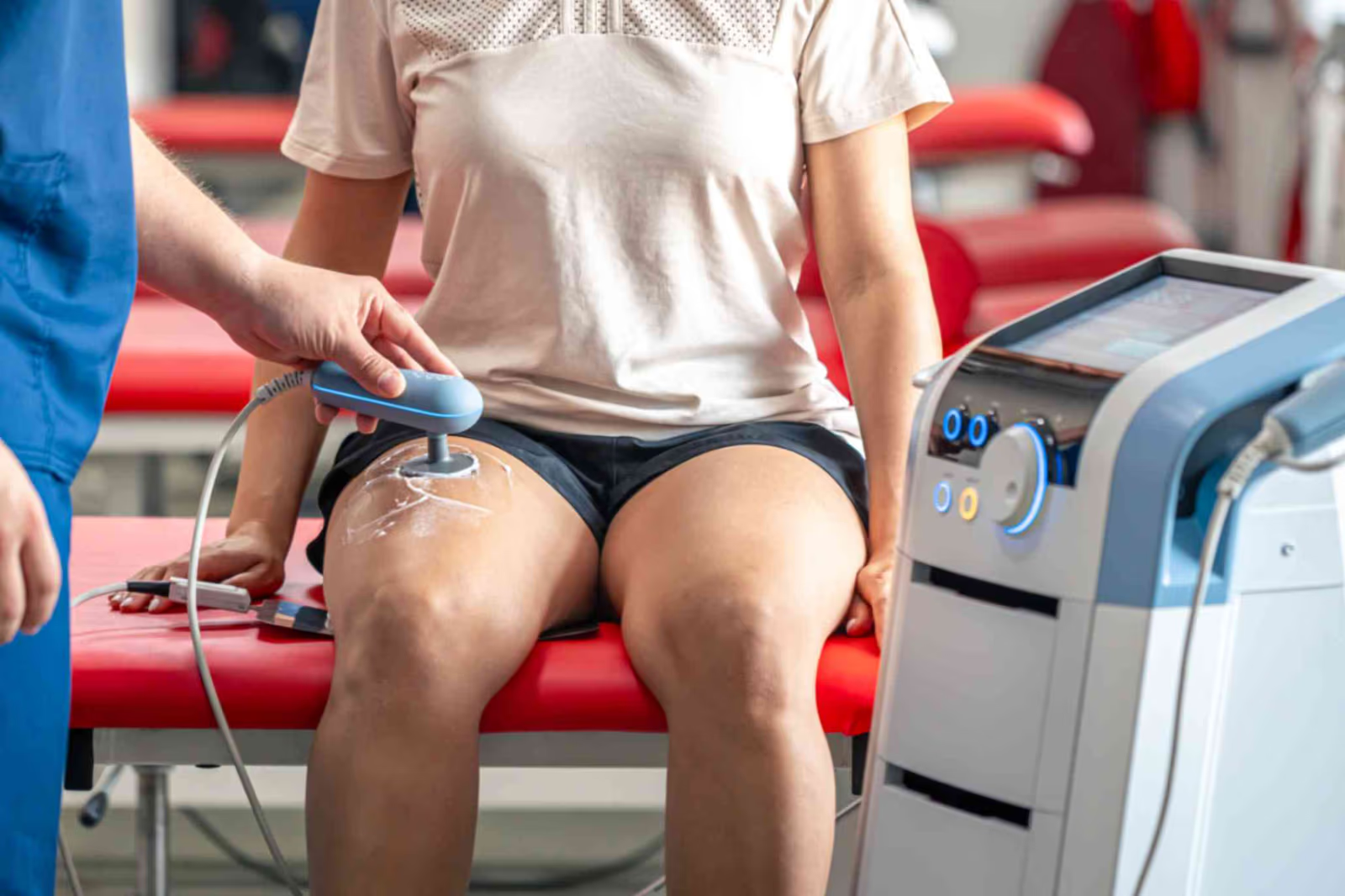
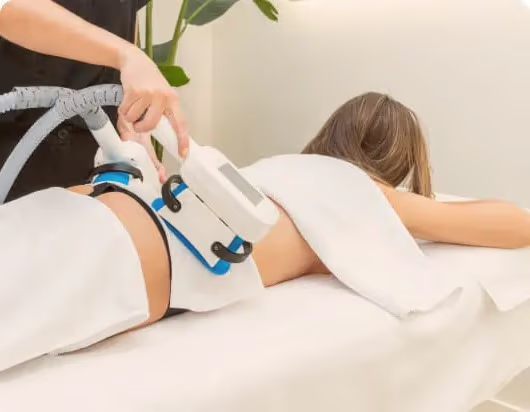
For those seeking faster results, non-surgical treatments like cryolipolysis (fat freezing) or laser-based options can specifically target facial fat. These treatments work by destroying fat cells, which are then naturally eliminated by the body over time.
Symptoms & Indicators
If you have the following characteristics, then you will surely benefit from face fat reduction treatment:
Full cheeks or puffy appearance
Extra fat in the cheeks, often referred to as "chubby cheeks," may indicate facial fat accumulation.
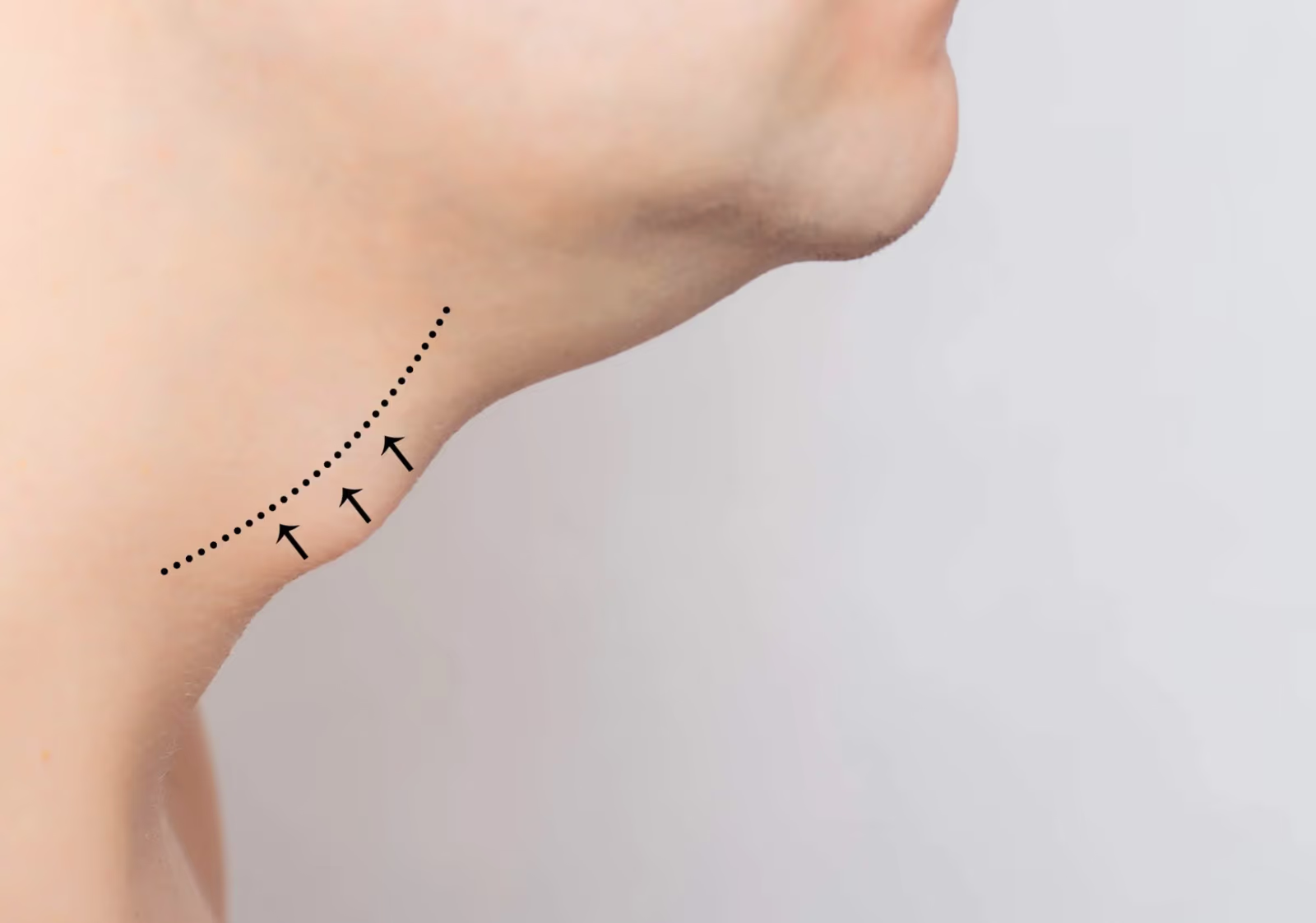
Double chin
Excess fat beneath the chin, forming a double chin, is a common sign of facial fat buildup.
Loss of jawline definition
Fat deposits can obscure the natural contours of the jawline, making it appear less defined.
Prevention & Management
Prevention
To prevent excessive face fat, consider the following face fat reduction tips:
- Incorporate plenty of fruits, vegetables, lean proteins, and whole grains into your meals. Avoid sugary and processed foods, which can contribute to weight gain and facial fat accumulation.
- Drink at least eight glasses of water daily to prevent water retention, which can cause facial puffiness. Herbal teas and infused water can also be beneficial for hydration.
- Aim for at least 150 minutes of moderate aerobic activity each week, combined with strength training. This helps in overall fat loss, including facial fat.
- Strive for 7-8 hours of quality sleep each night to help regulate hormones related to appetite and fat storage.
- Reducing alcohol intake can help decrease bloating and improve the appearance of your face.
Management
To effectively manage face fat and enhance results from treatments, consider the following:
- Adhere to any post-treatment care instructions provided by professionals to maximise results and minimise side effects. This might include avoiding certain foods or activities that could lead to water retention or fat accumulation.
- To retain the effects of non-surgical fat reduction treatments, consider scheduling maintenance sessions as necessary. VLCC offers various treatments aimed at managing face fat and is available in 126 cities across the country. Simply search the web for: ‘VLCC centre near me’ to find a location and book your appointment.
- Document changes in your weight loss face before after to stay motivated and informed.
- Proper after-care is essential in preventing issues such as puffiness or uneven skin tone. This includes staying hydrated, avoiding excessive sodium intake, and continuing recommended facial exercises.
According to clinical research in the Journal of Clinical, Cosmetic and Investigational Dermatology, non-surgical treatments like cryolipolysis can reduce localized fat by 20-25% in treated areas, making it a popular choice for achieving noticeable weight loss face transformations.