Affordable Medical Weight Loss Options: A Realistic Guide | VLCC
Weight Loss/Kg
Affordable Medical Weight Loss Options: A Realistic Guide
V
VLCC
Sep 1, 2025·25 min read
Every morning, many people stand in front of the mirror and make the same silent promise: “From today, I’ll eat less.” But by afternoon, that promise often crumbles at the sight of snacks in the office or evening cravings at home. It’s not about weak willpower, it’s simply how everyday life works. Long work hours, family demands, stress, and easy access to packaged or fried food quietly add up to extra kilos.
Weight gain rarely announces itself with a big moment. It slips in slowly, first, jeans feel tighter, then climbing stairs feels heavier, and soon the scale shows numbers that cause a shock. Excuses come easily: “It’s just age,” or “Everyone in my family is like this.” But underneath, there’s real concern about health, energy, and confidence.
In a world overflowing with “perfect body” posts, fad diets, and flashy fitness trends, the pressure to lose weight is intense. Yet most quick fixes don’t work. Crash diets fail, gyms feel intimidating, and those trendy detox products empty wallets faster than they burn fat. That’s why more and more people are looking at medical weight loss, safe, scientific methods that deliver results without gimmicks.
And here’s the surprise: these options aren’t always expensive. Words like “weight loss injections” or “bariatric surgery” may sound unaffordable, but in reality, many medical approaches are far more cost-friendly than people imagine. In fact, they can even save money in the long run by reducing the need for lifelong medicines for diabetes, heart disease, or blood pressure.
This article explores exactly that, affordable, practical, and effective medical weight loss options that help people take charge of their health without draining their savings..
Why Is Weight Loss So Difficult in Today’s World?
There was a time when people didn’t need gyms or “weight loss programs.” Daily life itself kept them fit. Walking long distances, working in fields, doing household chores without machines, physical activity was naturally part of the day. Food was fresh, home-cooked, and eaten on time. Snacks were seasonal fruits, not packets of chips.
Fast forward to today, and everything has changed. Sedentary jobs, processed food, late-night dinners, and binge-watching shows on screens have created a perfect recipe for weight gain. Add stress, hormonal imbalances, and lack of sleep to the mix, and the body starts storing fat more stubbornly than ever.
For many, weight loss isn’t just about vanity anymore. It’s about survival. Extra kilos increase the risk of diabetes, PCOS, fatty liver, high blood pressure, joint pain, and even some cancers. This isn’t a small issue; it’s a health crisis.
And yet, when people try the traditional way, eating less and exercising more, the results are often disappointing. Why? Because the body resists. Metabolism slows down. Hormones play spoilsport. Stress hormones like cortisol make fat cling on, especially around the belly. That’s when medical help becomes not just useful but necessary.
What Is Medical Weight Loss?
Medical weight loss is more than just shedding kilos. It’s a comprehensive approach, combining medical supervision, diet guidance, exercise, and sometimes medication or non-invasive treatments.
Unlike fad diets or unverified online trends, medical weight loss:
Focuses on your overall health, not just your weight
Takes into account your age, metabolism, medical conditions, and lifestyle
Is monitored by professionals to avoid risks or side effects
Prioritizes long-term, sustainable results rather than quick fixes
For example, someone with PCOS may struggle to lose weight despite dieting and exercising. A medical weight loss plan would customize its approach, address hormonal imbalances, and combine medications or lifestyle interventions tailored for them.
Why Consider Medical Weight Loss?
You might ask, “Why not just eat less and exercise more?” That works for some, but many factors influence weight: hormones, stress, genetics, sleep patterns, and even medications.
Medical weight loss is worth considering when:
You have tried multiple diets with little to no results
You face health risks like diabetes, high blood pressure, or heart problems
You need professional guidance to avoid dangerous weight loss practices
You want long-term results rather than short-term fixes
It’s essentially about smart work, not just hard work. By understanding your body’s needs, a medical weight loss plan can help you lose weight safely, efficiently, and sustainably.
Setting the Stage for Affordable Medical Options
So where does one start? There’s no single “magic option.” The right choice depends on age, health condition, budget, and weight loss goals. Some need structured programs, others benefit from medicines, and in severe cases, surgery becomes the best investment for long-term health.
The beauty is that all these options exist today, not just in fancy private clinics but also in government hospitals, trusted healthcare centers, and even through digital platforms.
In the next section, we’ll break down each option in detail, its costs, effectiveness, pros and cons, and who they are best suited for.
Affordable Medical Weight Loss Options: Breaking It Down
When people hear the phrase “medical weight loss,” the first thought is usually something fancy, complicated, or expensive. But in reality, medical options cover a wide range, from simple doctor-supervised diet programs to advanced surgeries. The best part is, not all of these are heavy on the pocket. Let’s go through them one by one.
1. Supervised Medical Weight Loss Programs
Imagine this: instead of randomly following a YouTube diet, you sit with a qualified doctor and nutritionist who first check your blood tests, your lifestyle, your job timings, even your sleeping pattern. Then, they design a plan that’s not a crash diet but something practical. That’s what a medical weight loss program feels like.
These programs usually include:
A complete health check-up (to rule out thyroid, PCOS, diabetes, etc.)
Personalized diet plan (balanced, not extreme)
Exercise recommendations suited to your age and stamina
Counseling sessions to tackle stress eating
Regular monitoring and changes based on your progress
Why it works:
Most fad diets fail because they’re copied from someone else’s routine. Supervised programs are tailored, making them realistic and sustainable.
Cost:
Private clinics: ₹7,000 – ₹15,000 per month
Government setups: Sometimes as low as ₹5,000
Many clinics offer 3- or 6-month packages, which are cheaper than paying monthly.
Who should consider:
People with mild to moderate weight gain
Those who don’t want medicines or surgery
Anyone looking for safe, step-by-step progress
Choose a clinic/hospital with a multidisciplinary team (doctor + dietitian + psychologist). It costs slightly more but saves money in the long run by preventing yo-yo weight gain.
2. Affordable Prescription Medications
Sometimes, despite diet and exercise, the scale doesn’t move. That’s when doctors may prescribe medicines to support weight loss. These are not over-the-counter pills or shady “slimming capsules” but approved medications backed by research.
Common ones available:
Orlistat – Blocks the absorption of fat from food. Affordable and widely used.
Liraglutide / Semaglutide (brand names like Saxenda, Wegovy) – Reduce appetite and help feel full faster.
Metformin – Primarily for diabetes, but often prescribed for overweight patients with insulin resistance or PCOS.
Cost range (per month):
Orlistat: ₹2,500 – ₹3,500
Liraglutide/Semaglutide: ₹17,000 – ₹25,000 (costly, but still cheaper here than in Western countries)
Metformin: ₹100 – ₹250 (one of the cheapest and most effective for insulin resistance cases)
Effectiveness:
Prescription medications, when combined with lifestyle changes, can lead to 5–12% body weight reduction in a year.
Pros:
Non-surgical
Can be started quickly
Useful for people with diabetes or PCOS
Cons:
Some cause side effects like nausea or loose motions
Must be taken under strict medical supervision
Expensive if used long-term
Who benefits most:
People with obesity-related conditions (diabetes, PCOS, and hypertension)
Those who need medical help but cannot go for surgery
3. Bariatric Surgery: Cheaper Than You Think
When weight is extremely high and health conditions are worsening, surgery becomes the most effective long-term solution. Bariatric surgery is often misunderstood as a “celebrity thing,” but more middle-class families are opting for it now because of falling costs and better insurance coverage.
Types of surgeries:
Sleeve Gastrectomy: Removes part of the stomach to reduce capacity.
Gastric Bypass: Alters the digestive route so fewer calories are absorbed.
Mini Gastric Bypass: A shorter version, less complex.
Adjustable Banding: Rare now, but still used in some cases.
Cost range:
Private hospitals: ₹1.8 – ₹5 lakh
Government hospitals: Sometimes 40–50% cheaper
Abroad (US/UK): ₹15–20 lakh, making local options a bargain
Effectiveness:
Patients usually lose 50–70% of excess body weight in 1–2 years. It also improves type 2 diabetes, sleep apnea, joint pain, and PCOS symptoms.
Who should consider:
BMI above 35 with health problems
People who tried medicines and programs but saw little success
Patients with diabetes and uncontrolled weight issues
Reality check:
It’s not “quick and easy” — lifestyle changes are still needed.
Recovery takes time, but the results are life-changing.
Many insurance companies now cover bariatric surgery if medically necessary.
4. Lifestyle Therapy with Medical Monitoring
This is the middle ground between “just dieting” and “going for surgery.” Lifestyle therapy under medical supervision focuses on:
Personalized diet plans (not restrictive, but balanced)
Guided exercise routines
Counseling sessions for emotional eating and motivation
Regular monitoring of progress through check-ups
Why it’s affordable:
Costs ₹5,000 – ₹12,000 per month
Cheaper than long-term medication use
Flexible, can be adjusted as per budget
Effectiveness:
Results are slow but sustainable. Losing 0.5–1 kg per week may not sound dramatic, but over a year, it can transform health.
Who benefits most:
People who regain weight after dieting
Those who struggle with consistency
Anyone who wants permanent, gradual results without medicines.
5. Hospital-Based Weight Loss Packages
Many hospitals now offer fixed packages that include doctor consultations, nutritionist guidance, exercise counseling, and follow-ups. These are especially helpful because the cost is transparent.
Examples:
₹20,000 for a 3-month structured plan
₹40,000–₹50,000 for a 6-month package in big hospitals
Government hospitals sometimes offer even cheaper options, starting at ₹5,000 for a basic package
Advantages:
Saves money compared to paying per session
Keeps you accountable
Easier to track results with one team
6. Natural & Traditional Aids (As Medical Support)
While not a substitute for proper medical treatment, some natural remedies are often recommended by doctors as supportive measures:
1. Fenugreek seeds (Methi water):
Soaked overnight and taken in the morning, fenugreek seeds are known to slow down carbohydrate absorption, reduce post-meal sugar spikes, and also keep you full for longer.
2. Okra (Ladyfinger water):
Soaking sliced ladyfingers in water overnight and drinking them in the morning is believed to help control blood sugar. The sticky fiber in okra slows sugar absorption.
3. Curry leaves:
Chewing fresh curry leaves in the morning or adding them to meals is thought to support fat metabolism and prevent cholesterol buildup.
4. Green tea:
A favorite among weight watchers, green tea boosts metabolism, provides antioxidants, and acts as a mild fat-burning aid.
5. Cinnamon (Dalchini):
A pinch of cinnamon powder in warm water or sprinkled on porridge may improve insulin sensitivity and reduce blood sugar fluctuations.
6. Bitter gourd (Karela juice):
Not the tastiest option, but karela juice is well-known in Ayurveda for lowering blood glucose levels and aiding weight management.
7. Aloe vera juice:
Some studies suggest aloe vera juice may help lower fasting blood sugar and improve digestive health.
8. Amla (Indian gooseberry):
Rich in Vitamin C and antioxidants, amla juice is believed to strengthen the pancreas and support better insulin function.
9. Flaxseeds (Alsi):
High in omega-3 fatty acids and fiber, flaxseeds improve satiety, support digestion, and may help reduce cholesterol.
10. Neem leaves:
Traditionally chewed in the morning for blood purification, neem is also believed to support healthy sugar levels.
11. Tulsi (Holy Basil leaves):
A few fresh leaves daily are said to reduce oxidative stress and support glucose regulation.
12. Black jamun seeds powder:
Powdered jamun seeds have been used in Ayurveda for centuries to manage sugar control and improve digestion.
Cost:
Almost negligible, a few hundred rupees a month at most.
Reality check:
They cannot replace medical treatments, but work well alongside them.
7. Digital & App-Based Medical Weight Loss Support
In today’s tech-driven world, even weight loss has gone digital. Apps now connect users to doctors, dietitians, and therapists virtually.
Why it’s affordable:
Online consultations cost less than physical visits
Many apps offer monthly subscriptions starting at ₹2,000–₹3,000
Useful for people in smaller towns with no specialist clinics nearby
Examples of features:
Daily calorie tracking
Video consultations with dietitians
Group challenges for motivation
Reminders for medicines and exercise
8. Non-Surgical Treatments
Not everyone is ready for surgery or medicines. Sometimes, stubborn fat just doesn’t budge despite all the diet and workouts. That’s where non-surgical treatments come in. Modern techniques can target specific areas like the tummy, thighs, or arms, helping the body contour itself naturally.
Some popular options include:
Cryolipolysis (CoolSculpting): Freezes fat in problem areas. Over a few weeks, the body naturally eliminates the frozen fat, leaving a slimmer appearance.
Mesolipo: Injects fat-dissolving solution into stubborn areas, gradually reducing fat and tightening skin for a contoured look.
Lipo Laser: Targets localized fat and helps sculpt the body for better contours.
These treatments are not quick gimmicks. When done under expert supervision, they are safe, effective, and comfortable, especially for people who want gradual and visible improvements without going under the knife.
Why VLCC Stands Out for Non-Surgical Treatments
When it comes to body transformation, safety and guidance matter more than flashy machines. VLCC has built a reputation for combining science, technology, and expert care. Unlike clinics that offer a one-size-fits-all approach, VLCC customizes treatments according to individual needs and body types.
Their trained experts ensure that every session, whether it’s fat freezing, skin tightening, or body contouring, is done safely and effectively. Over decades, VLCC has helped countless people achieve their goals, not just in terms of weight but in overall confidence and wellness.
So, if stubborn inches are refusing to leave, non-surgical treatments can be a smart, affordable, and safe choice. With guidance from trained professionals, it’s not just about losing fat; it’s about gaining confidence, feeling healthier, and seeing real results.
Start with a consultation to understand which treatment suits your body best. Gradual, monitored fat reduction often gives more sustainable and natural-looking results.
Insights: Why Affordable Options Matter More Than Ever
Weight loss has often been treated like a luxury. Expensive gyms, diet plans that cost thousands, and treatments available only in high-end clinics made it seem out of reach for many. But today, the story is changing. Medical weight loss is no longer just for celebrities or the wealthy; it is becoming more accessible and affordable for regular people.
Healthcare experts note that obesity is now one of the biggest health concerns worldwide. According to the World Health Organization (WHO), over 1 billion people globally are obese (650 million adults, 340 million adolescents, and 39 million children) [Source]. The rise is linked to lifestyle changes, stress, and unhealthy eating habits. But the good news is that affordable medical weight loss solutions can reduce long-term health risks without burning a hole in the pocket.
Another insight is the role of technology and telehealth. Online consultations, mobile health apps, and home-based monitoring devices are making doctor-supervised weight loss programs cheaper and easier. No more frequent clinic visits or long travel hours — medical help is reaching people where they are.
This shift shows a clear message: weight loss doesn’t have to be expensive to be effective. What matters is guidance, consistency, and choosing the right method that works for the body and budget.
Comparisons: What Works Best for Whom?
Different methods suit different lifestyles, body types, and budgets. Here’s a comparison to make the choice simpler:
1. Prescription Medication vs. Dietitian-led Programs
Medication works faster in some cases, especially for people struggling with obesity-related conditions like diabetes or high blood pressure. But medicines may have side effects, and continuous monitoring is needed.
Dietitian-led programs focus more on long-term lifestyle changes. They are safer, cost less in the long run, and build sustainable habits.
Best for: Those who prefer gradual, natural results with fewer medical risks.
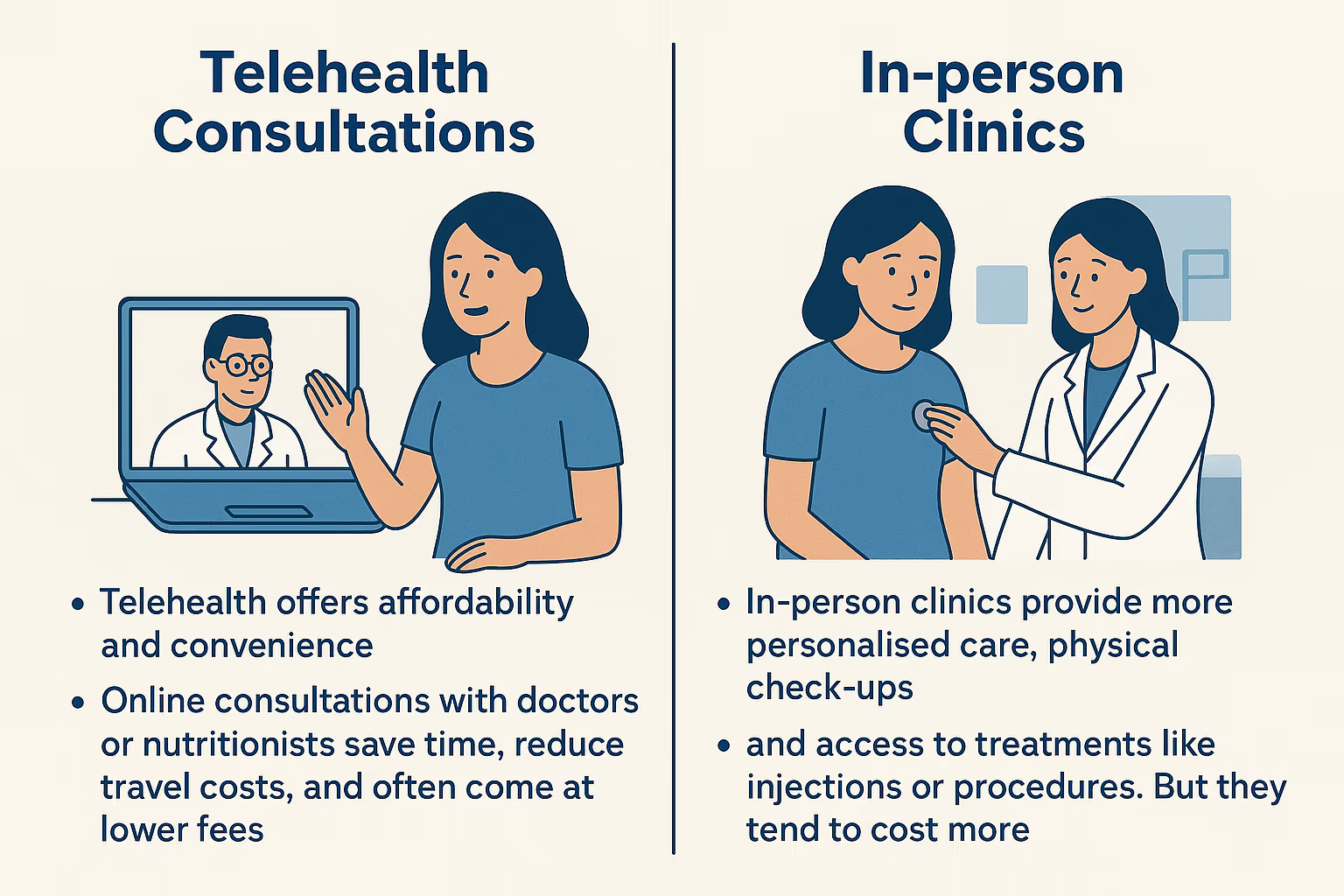
2. Telehealth Consultations vs. In-person Clinics
Telehealth offers affordability and convenience. Online consultations with doctors or nutritionists save time, reduce travel costs, and often come at lower fees.
In-person clinics provide more personalised care, physical check-ups, and access to treatments like injections or procedures. But they tend to cost more.
Best for: Busy professionals or those living in areas with fewer medical facilities.
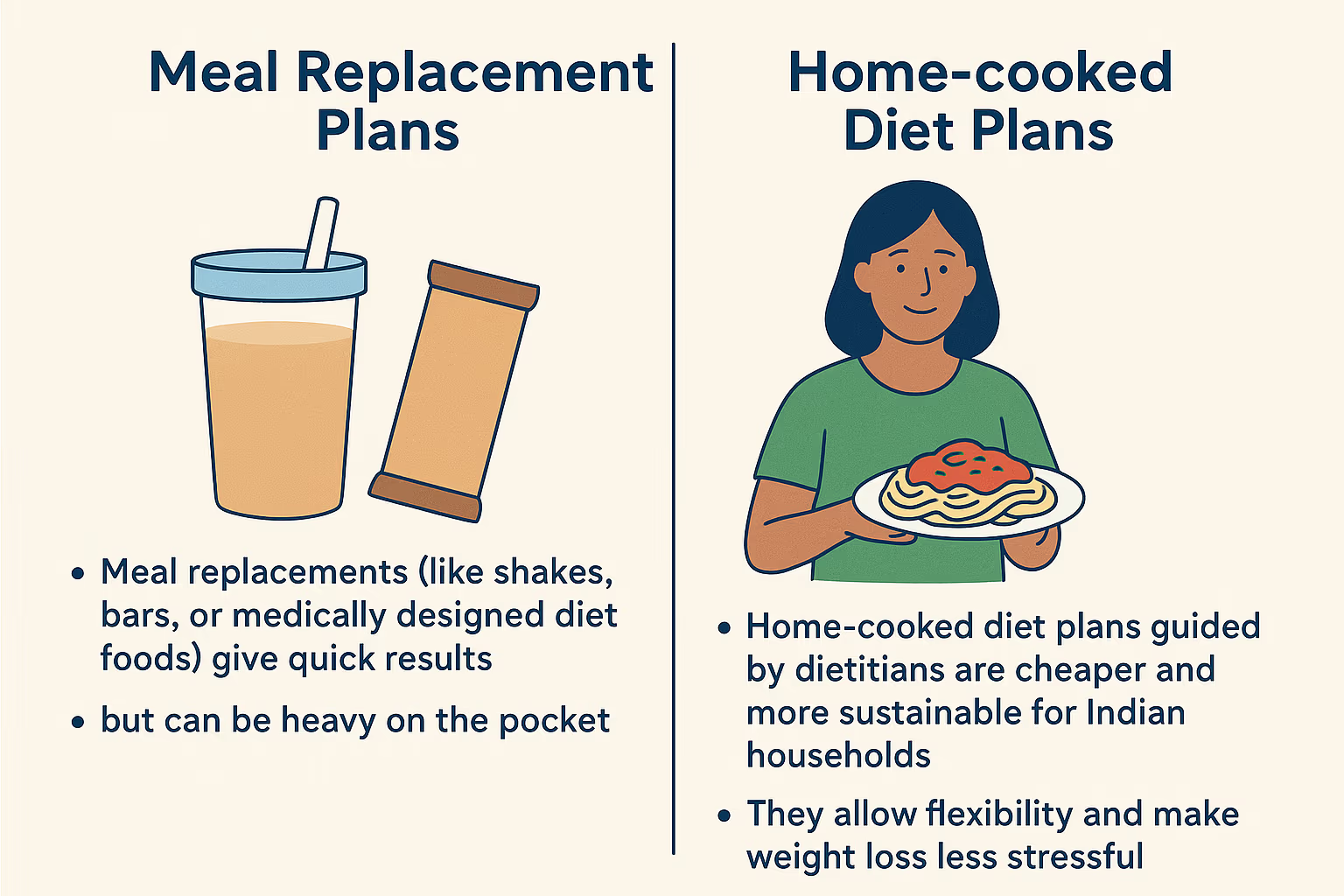
3. Meal Replacement Plans vs. Home-cooked Diet Plans
Meal replacements (like shakes, bars, or medically designed diet foods) give quick results but can be heavy on the pocket.
Home-cooked diet plans guided by dietitians are cheaper and more sustainable for Indian households. They allow flexibility and make weight loss less stressful.
Best for: Families and individuals who want realistic, long-term solutions without spending too much.
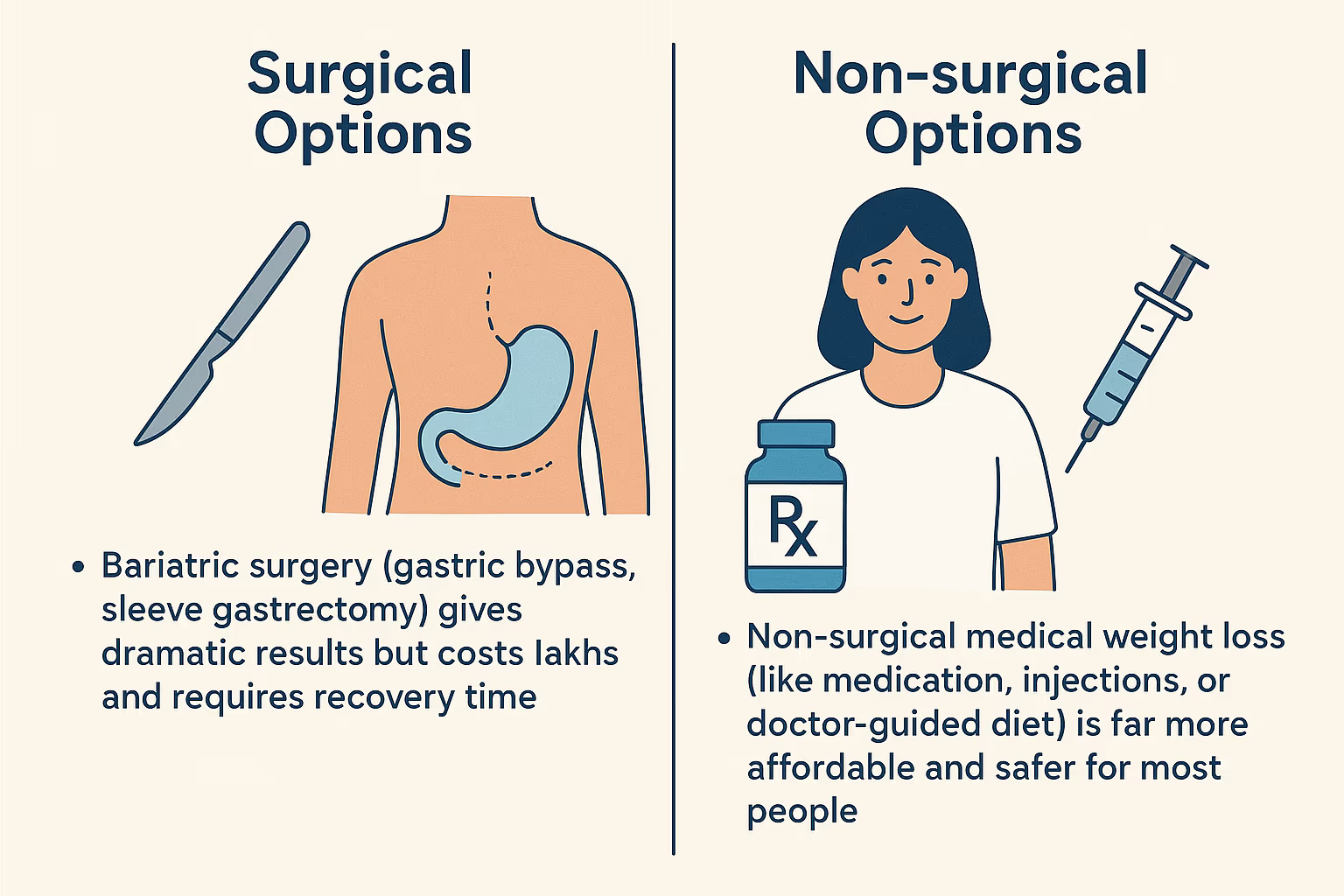
4. Surgical Options vs. Non-surgical Options
Bariatric surgery (gastric bypass, sleeve gastrectomy) gives dramatic results but costs lakhs and requires recovery time.
Non-surgical medical weight loss (like medication, injections, or doctor-guided diet) is far more affordable and safer for most people.
Best for: Those who don’t qualify for surgery or cannot afford it but still want medical support.
FAQs on Affordable Medical Weight Loss
Q1. Can affordable medical weight loss really work as well as expensive programs?
Yes. Effectiveness depends more on consistency, expert guidance, and discipline than on price. Affordable options like doctor-guided diet plans, telehealth consultations, and generic medications have shown excellent results when followed regularly.
Q2. Are generic medications safe for weight loss?
Generic medications are equally effective as branded ones since they contain the same active ingredients. However, they should only be taken under medical supervision to avoid side effects or complications.
Q3. Is surgery the only long-term solution for severe obesity?
Not always. Surgery is recommended for extreme cases where other treatments fail. Many people manage obesity successfully through affordable, non-surgical programs like diet plans, exercise, and medication.
Q4. How much does an affordable doctor-supervised weight loss program cost?
Depending on the city and doctor, such programs may start as low as ₹1,000–₹2,500 per month, especially through telehealth. This is much cheaper than high-end clinics charging ₹20,000–₹50,000 monthly.
Q5. Are these affordable options safe for people with health conditions like diabetes or thyroid?
Yes, if done under proper medical supervision. In fact, doctor-supervised weight loss plans are especially designed for people with such conditions, making them safer than self-diets.
Q6. How soon can results be seen with affordable medical weight loss?
On average, people may start noticing results in 6–8 weeks if the plan is followed sincerely. Slow but steady progress ensures long-term weight maintenance.
Making Weight Loss Accessible for All
Weight loss is not just about looking slim; it’s about living healthier, reducing risks of chronic diseases, and improving overall quality of life. The idea that medical weight loss has to be expensive is outdated. With growing telehealth services, affordable dietitian plans, generic medications, and safe non-surgical approaches, achieving a healthy weight is now within reach for everyone.The journey may require patience and consistency, but the availability of cost-effective solutions means no one needs to be left behind. Whether it’s a busy working professional, a homemaker, or someone managing long-term health conditions, there is an affordable weight loss plan out there.At the end of the day, the real investment is not in money but in commitment. And when the body feels lighter, the energy improves, and health risks go down, that’s a return no expensive program can beat.