Healthy Indian Dinner Recipes for Weight Loss | VLCC
Weight Loss/Kg
Healthy Indian Dinner Recipes for Weight Loss
V
VLCC
Sep 3, 2025·25 min read
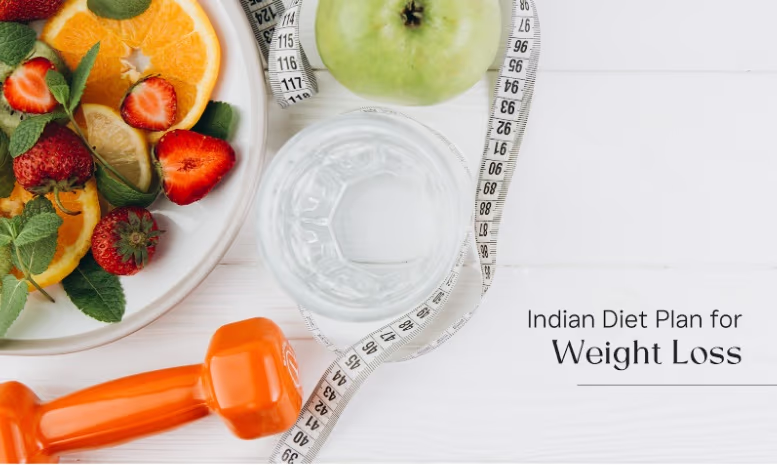
Dinner, being the last meal of the day, has an important impact on your overall health and weight loss journey. While breakfast often gets the spotlight as the “most important meal of the day,” dinner is equally important because it impacts your digestion, metabolism, and even the quality of your sleep. Many people usually skip meals during the day due to busy schedules and then overeat at night, which can lead to indigestion, bloating, and weight gain. Eating heavy, oily, or processed foods late at night not only disrupts digestion but demands more effort from your body when it’s supposed to slow down. Take your weight-loss results further with non-surgical fat reduction treatments at VLCC.
The good news is that with mindful weight loss dinner recipes, your meal can be both nourishing and light. Indian cuisine, for example, offers a variety of healthy recipes that balance flavor and nutrition perfectly. Dishes like moong dal khichdi, palak tofu with bajra roti, or vegetable dalia are excellent options as they are easy to digest, rich in protein, and packed with essential nutrients. Choosing whole grains like brown rice, bajra, or oats, along with fresh vegetables and lean proteins, ensures that your body gets the right fuel without unnecessary calories.
Simple cooking methods such as steaming, grilling, or sauteing in minimal oil further enhance the health benefits. Pairing dinner with a bowl of salad, a light soup, or a glass of buttermilk can aid digestion and keep you full without overeating. By making smarter choices and practicing portion control, dinner can become a key ally in achieving weight-loss goals while still being delicious and satisfying.
The Importance of Dinner in Weight Loss
As part of your weight loss program, many dietitians recommend having dinner at least 2–3 hours before bedtime. This ensures that your body has enough time to digest food before you sleep. When you eat a large meal before going to bed, your body has trouble digesting it, which causes you to store fat, feel bloated, and have trouble sleeping.
Rich in plant-based protein, supporting muscle repair and growth
Packed with dietary fiber that aids digestion and keeps you full longer
Gluten-free and easy to digest, making it gut-friendly
Provides complex, slow-digesting carbohydrates for sustained energy
Contains antioxidants and vitamins from garlic and tomatoes for immunity
Method:
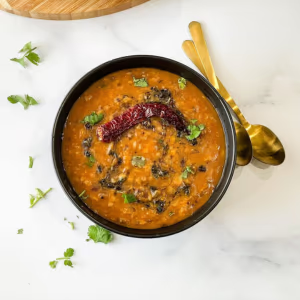
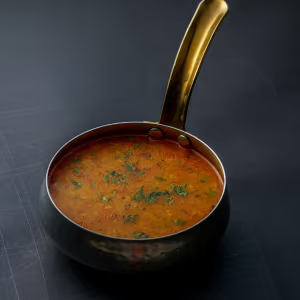
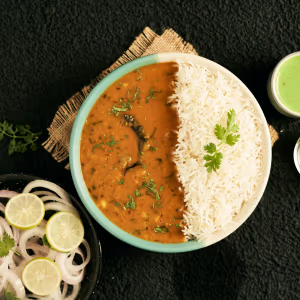
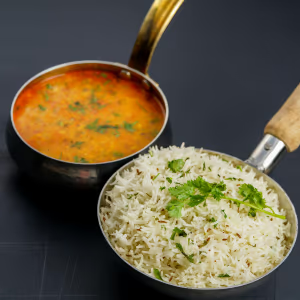
Pressure cook masoor dal with turmeric and salt.
Temper with garlic, cumin, and tomatoes.
Serve with 2 wheat chapatis.
Nutrition: 320 calories | 14 g protein | 8 g Fiber
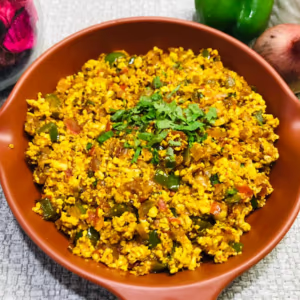
11. Paneer Bhurji with Multigrain Roti
Ingredients: Paneer, onion, tomato, green chillies, capsicum.
Why it’s healthy:
Rich in Protein: Paneer provides a high dose of vegetarian protein, essential for muscle repair and weight management.
High in Fiber: Multigrain roti and vegetables like onion, tomato, and capsicum add fiber for better digestion.
Low in Calories: Light on the stomach yet filling, making it perfect for dinner.
Packed with Nutrients: Tomatoes and capsicum provide vitamins A, C, and antioxidants to boost immunity. Quick and Fresh: Uses minimal oil and fresh ingredients, making it a wholesome, quick-cooking meal.
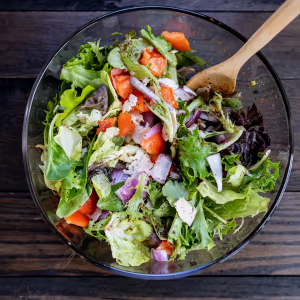
Loaded with fibre, which keeps you full and aids digestion
Provides a mix of essential vitamins and minerals
Low in calories, making it perfect for weight management
Rich in antioxidants that fight inflammation
Hydrating and refreshing, great for evening or dinner
Easy to digest and light on the stomach
Method:
Chop cucumber, tomato, carrot, lettuce, onion.
Squeeze lemon, sprinkle salt and pepper.
Toss well.
Nutrition: 100 calories | 3 g protein | 5 g Fiber
Sample 7-Day Healthy Dinner Plan
Here’s a weekly plan you can try:
Day 1: Moong Dal Khichdi with Salad
A light and comforting option, moong dal khichdi is easy to digest, rich in protein, and provides the right balance of carbs and fiber. Pair it with a fresh salad of cucumber, tomato, and carrot for added crunch and nutrients.
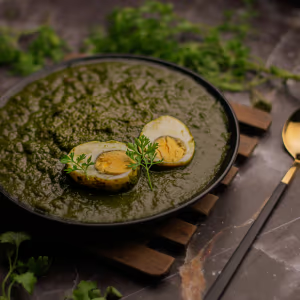
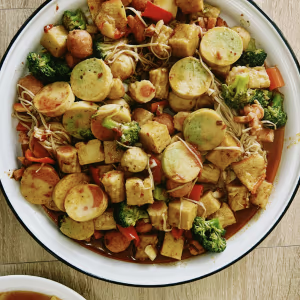
Day 2: Palak Tofu with Bajra Roti
Palak tofu combines the goodness of iron-rich spinach with protein-packed tofu. Serve it with bajra roti for a filling meal that’s high in fiber and perfect for keeping blood sugar levels stable.
Day 3: Vegetable Oats Upma with Curd
Made with oats, seasonal veggies, and mild spices, this dish is rich in fiber and helps you stay fuller for longer. Add a bowl of plain curd on the side for probiotics and extra protein.
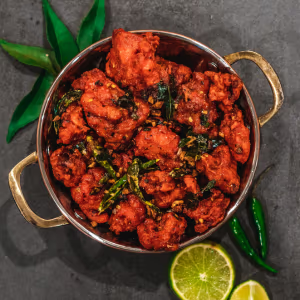
Day 4: Grilled Chicken with Sautéed Vegetables
A protein-rich dinner option, grilled chicken is low in fat and high in nutrients. Serve it with lightly sautéed vegetables like broccoli, beans, and zucchini for a colorful, balanced plate.
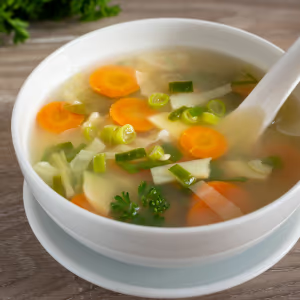
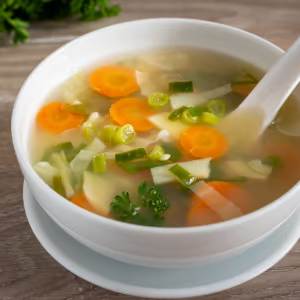
Day 5: Vegetable Dalia with Soup
Vegetable dalia is a wholesome mix of broken wheat, lentils, and vegetables that keeps digestion smooth and provides slow-releasing energy. Pair it with a warm bowl of clear vegetable soup for extra nourishment.
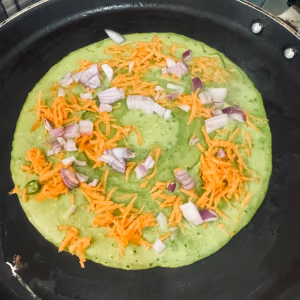
Day 6: Besan Chilla with Chutney and Salad
Made from gram flour, besan chilla is a protein-rich pancake that’s light yet filling. Enjoy it with a mint-coriander chutney and a fresh salad for a complete, nutritious dinner.
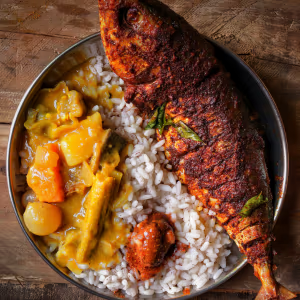
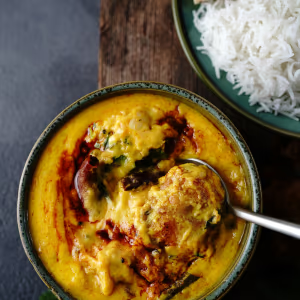
Day 7: Fish Curry with Brown Rice and Cucumber Raita
Opt for a light, home-style fish curry cooked with minimal oil and spices. Serve it with fiber-rich brown rice and a cooling cucumber raita to end the week on a healthy, refreshing note.
This 7-day plan offers variety, keeps your meals interesting, and ensures you get the right balance of proteins, carbs, fiber, and healthy fats, all while supporting weight loss.
Extra Tips for Healthy Dinners
Making your dinner healthier isn’t just about what you eat, but also about how you eat. One of the simplest habits to adopt is avoiding sugary drinks and desserts after dinner. These not only add empty calories but also interfere with digestion and sleep quality. Instead, sip on warm water or a cup of calming herbal tea like chamomile, tulsi, or peppermint to support digestion and prevent late-night cravings.
It’s also important to practice mindful eating. Don’t overeat—listen to your body’s hunger cues and stop eating when you feel satisfied, not stuffed. A simple way to ensure balanced nutrition is to keep your plate colourful with a mix of vegetables, whole grains, and protein. Whenever possible, choose freshly cooked homemade meals over takeaways or processed food, as they allow you to control ingredients, portion sizes, and cooking methods. With these small yet effective changes, you’ll find that your dinners can become both nourishing and enjoyable while supporting your overall health goals.
Conclusion
Weight loss does not mean giving up your favorite Indian dishes or eating less. With the right balance of wholesome ingredients, smart cooking techniques, and mindful portion control, Indian dinners can actually be both delicious and healthy. Dishes like moong dal khichdi, palak tofu curry, grilled chicken, vegetable dalia, and fish curry provide the perfect mix of proteins, fibers, and essential nutrients that help burn fat while keeping you full and energized. So, instead of following rigid diet plans, focus on making smarter food choices that suit your lifestyle. By including these healthy Indian recipes in your dinner routine, you can nourish your body, support your fitness journey, and enjoy your meals guilt-free. Remember, lasting weight loss is about sustainability, not restriction.