Pregnancy changes everything: your body, routine, sleep, and even your sense of self. Once the baby arrives, the pressure to “bounce back” can feel overwhelming.
But you know what? You just spent nine months growing up. You’re healing, adjusting, and learning how to be a mother.
Missing your old energy, clothes, or body is okay. But post-pregnancy isn’t about going back, it’s about becoming the healthiest, happiest version of who you are now. And that starts with nourishing your body the right way.
This isn’t just a diet chart for post-pregnancy weight loss. It’s a realistic, caring guide to help you heal, regain strength, and feel like you again, one meal at a time.
Why Postpartum Weight Gain Happens (Even After Delivery)
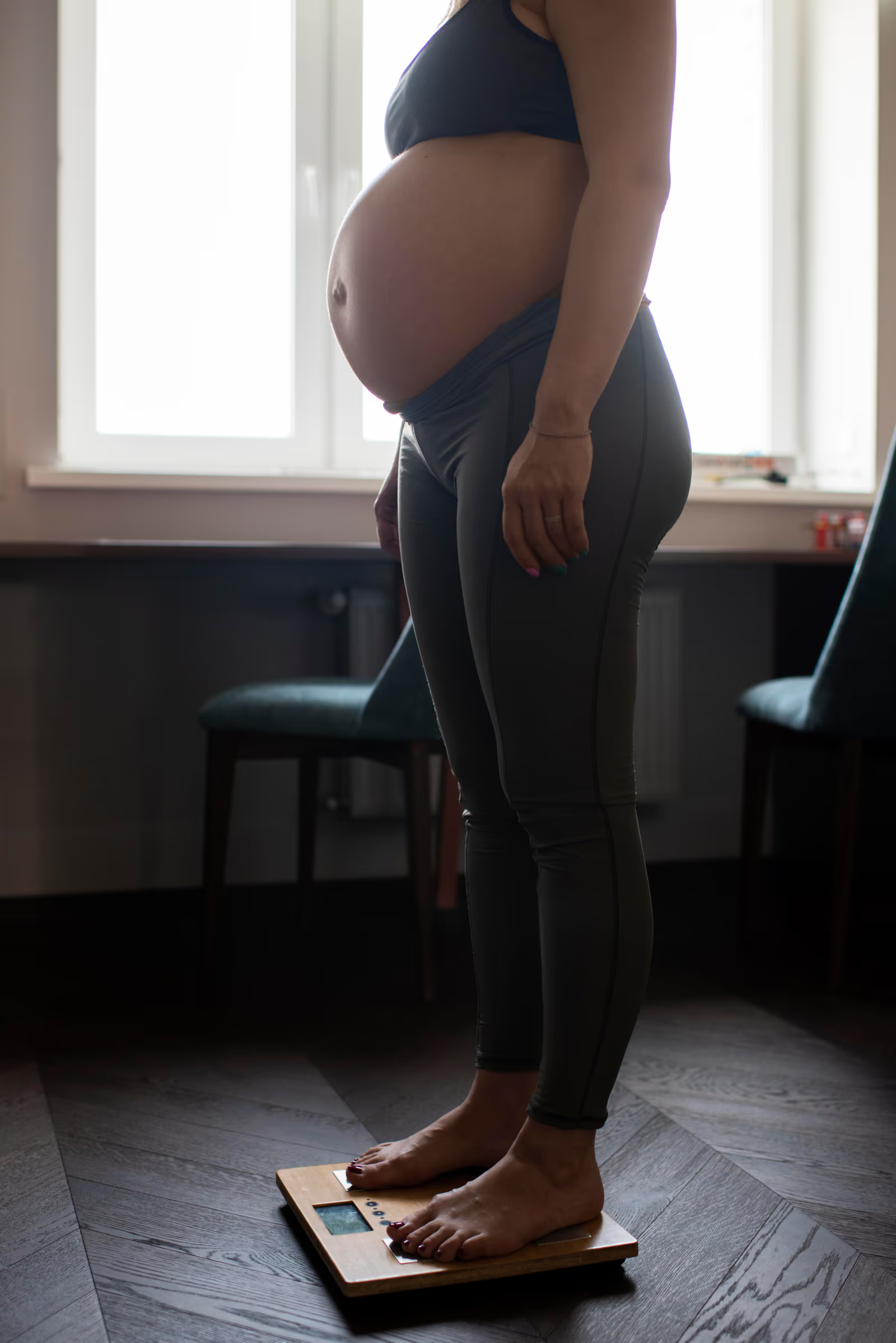
Most new moms are shocked to find out they still look pregnant days, even weeks, after delivery. It’s normal. And no, it’s not just “leftover baby weight.”
Let’s break it down. During pregnancy, you gain weight from:
The baby itself
The placenta
Amniotic fluid
Increased blood volume
Extra breast tissue
A larger uterus
And stored fat
This fat storage isn’t random. Your body deliberately holds onto it to help support breastfeeding and postpartum recovery. So if you’re still carrying extra weight after giving birth, it’s not a sign of laziness or failure, it’s biology.
On top of that, a few more things tend to happen:
Hormonal fluctuations make it harder to lose fat easily.
Cortisol levels rise due to stress, broken sleep, and anxiety, slowing down metabolism.
Activity levels drop in those early months when rest and healing take priority.
Eating patterns become irregular, especially when you're nursing around the clock.
Water retention (especially after C-sections or medications) may take weeks to settle.
So if you feel stuck with the weight, trust that it’s not your fault. Your body is doing its best to stabilise itself, and soon, with a little gentle effort, it will start responding again.
When Should You Start Thinking About Losing Weight?
Here’s where it gets tricky.
There’s a lot of pressure to lose the baby weight fast, but very few talk about what your body really needs after birth: time, nourishment, and rest.
In the first few weeks after delivery, your only job should be to:
Recover from birth
Learn to breastfeed (if you're choosing to)
Sleep as much as possible
Hydrate well
Eat wholesome, comforting food
Whether you’ve had a normal delivery or a C-section, your body has gone through a major event. Think about it, your uterus alone takes around six weeks to shrink back to its pre-pregnancy size. Your abdominal muscles, pelvic floor, and even your digestive system need healing time.
That’s why most experts recommend waiting for at least six to eight weeks postpartum before beginning any intentional weight loss plan. It gives your body time to rebalance, and by then, your milk supply stabilises, your energy levels start improving, and you’re emotionally better equipped to plan meals or reintroduce movement.
If you're breastfeeding, you'll also need to be more mindful about not cutting calories too soon or too drastically. A hungry, underfed body won’t produce enough milk, and it'll feel more tired and anxious. That’s the opposite of what you need right now.
So, give yourself permission to take it slow. Rest first. Diet later.
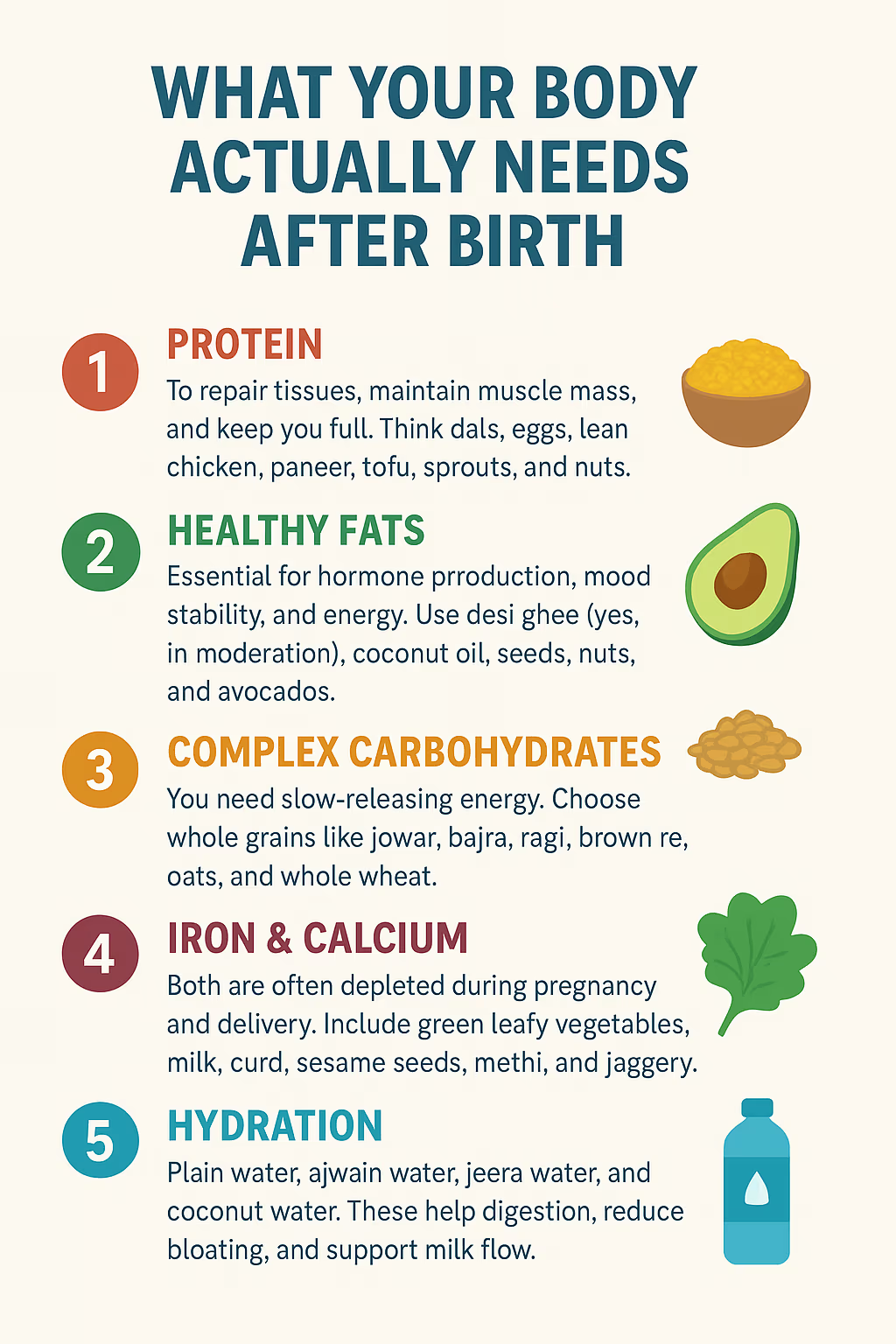
What Your Body Actually Needs After Birth
Postpartum nutrition is not about eating less. It’s about eating right.
Your body has just gone through enormous changes and will now continue to work hard, whether you're breastfeeding or not. It needs fuel to heal, fight fatigue, produce milk, balance hormones, and support emotional stability.
Here’s what a post pregnancy weight loss diet should focus on:
1. Protein - To repair tissues, maintain muscle mass, and keep you full. Think dals, eggs, lean chicken, paneer, tofu, sprouts, and nuts.
2. Healthy fats - Essential for hormone production, mood stability, and energy. Use desi ghee (yes, in moderation), coconut oil, seeds, nuts, and avocados.
3. Complex carbohydrates - You need slow-releasing energy. Choose whole grains like jowar, bajra, ragi, brown rice, oats, and whole wheat.
4. Iron & calcium - Both are often depleted during pregnancy and delivery. Include green leafy vegetables, milk, curd, sesame seeds, methi, and jaggery.
5. Hydration - Plain water, ajwain water, jeera water, and coconut water. These help digestion, reduce bloating, and support milk flow.
Avoid empty calories, but never starve yourself. You should be eating five to six small meals a day, spaced out to avoid extreme hunger or over-snacking.
Sample Diet Chart for Post Pregnancy Weight Loss
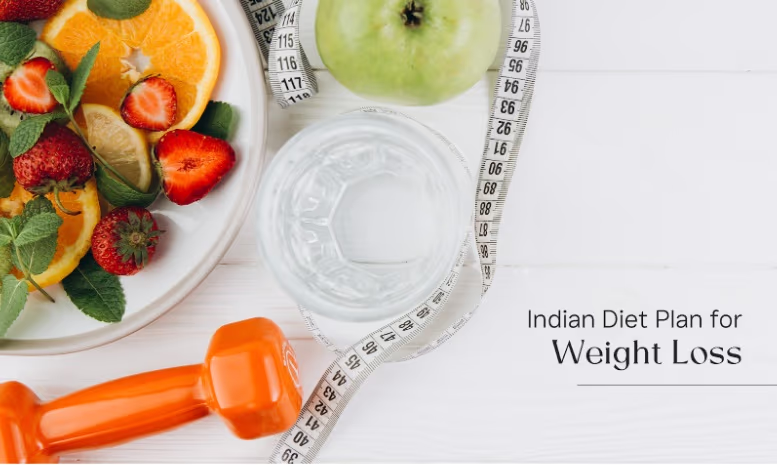
Here’s a realistic, balanced, Indian-style full-day diet chart for post pregnancy weight loss. It’s flexible, simple, and supportive of breastfeeding too.
Early Morning (7:00–7:30 AM)
1 glass warm jeera water or ajwain water
5 soaked almonds + 2 walnuts
Breakfast (8:30–9:00 AM)
Options:
Vegetable dalia with curd
1 boiled egg + 1 multigrain toast + fruit
Moong cheela with mint chutney
Include protein + complex carbs here. Don’t skip breakfast.
Avoid too much rice at night if your digestion is slow
Before Bed (Optional – if hungry)
A cup of turmeric milk or chamomile tea
This is just a framework. The goal is not to restrict, but to keep meals frequent, easy to digest, and nutrient-rich.
Breastfeeding and Weight Loss: Can You Do Both?
One of the biggest concerns for new moms is, Can I lose weight without affecting my milk supply? Yes, you absolutely can.
In fact, breastfeeding helps burn 400 to 500 extra calories every day. That’s like doing a light workout without even trying. Your body works hard to produce milk, and that process uses up a lot of energy. So if you're nursing your baby, you're already on your way to gradual fat loss.
But you need to eat enough to support that milk production. Cutting calories too drastically can backfire, leading to fatigue, mood swings, and even reduced milk supply.
The key is balance. You can aim to lose weight slowly, about 1 to 2 kilos per month, while eating well, staying hydrated, and avoiding crash diets. It’s not about eating less, it’s about eating smarter.
Include foods like:
Methi (fenugreek) to boost milk supply
Ajwain water for digestion
Dalia, oats, and bajra for energy and milk production
Protein-rich foods to stay full and support tissue repair
If you're not breastfeeding, that’s okay too. Your diet can still follow the same structure, just with slightly fewer calories and more focus on activity.
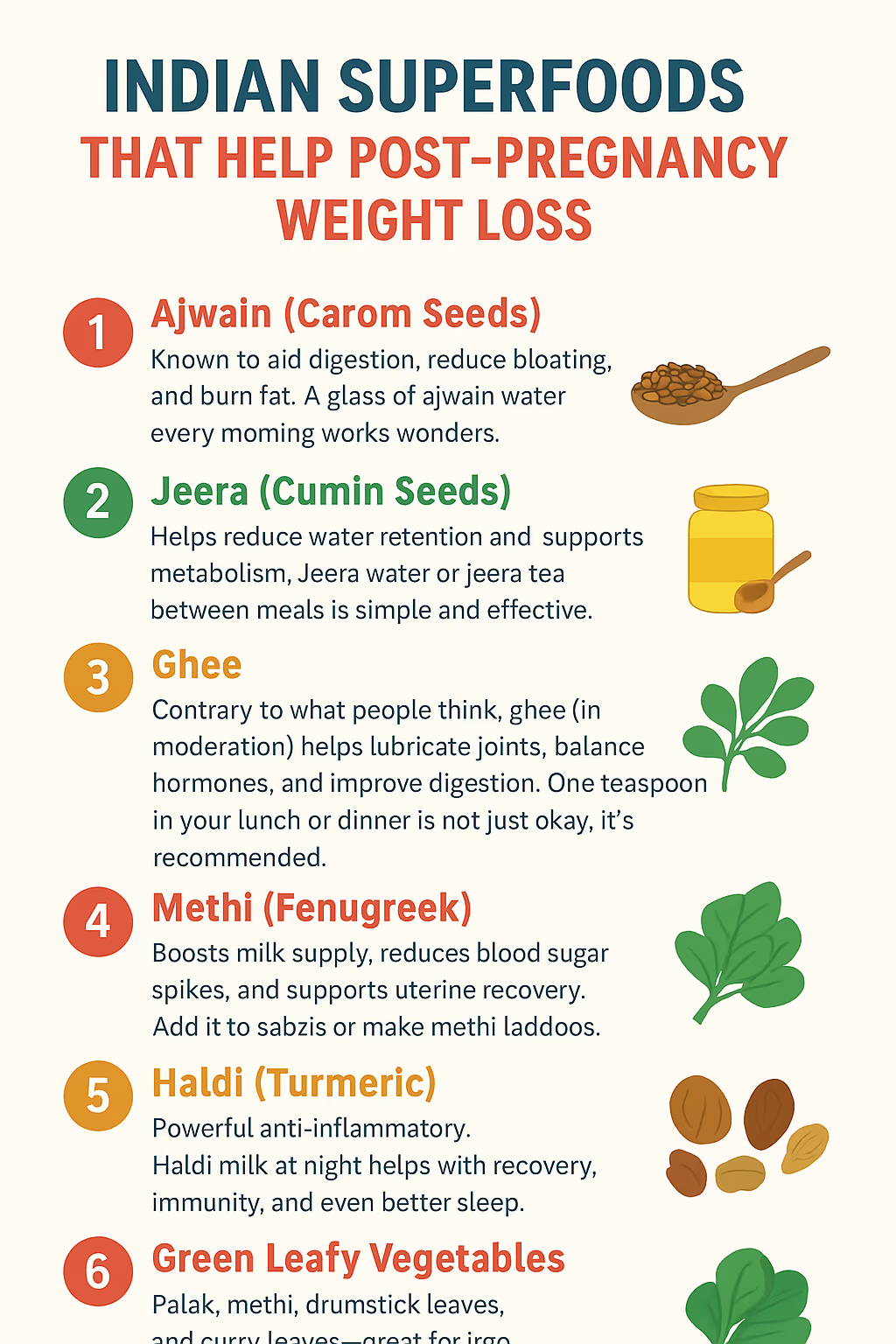
Indian Superfoods That Help Post-Pregnancy Weight Loss
Here are some everyday Indian superfoods that support healthy fat loss after delivery:
1. Ajwain (Carom Seeds)
Known to aid digestion, reduce bloating, and burn fat. A glass of ajwain water every morning works wonders.
2. Jeera (Cumin Seeds)
Helps reduce water retention and supports metabolism. Jeera water or jeera tea between meals is simple and effective.
3. Ghee
Contrary to what people think, ghee (in moderation) helps lubricate joints, balance hormones, and improve digestion. One teaspoon in your lunch or dinner is not just okay, it’s recommended.
4. Methi (Fenugreek)
Boosts milk supply, reduces blood sugar spikes, and supports uterine recovery. Add it to sabzis or make methi laddoos.
5. Haldi (Turmeric)
Powerful anti-inflammatory. Haldi milk at night helps with recovery, immunity, and even better sleep.
6. Dry Fruits (in moderation)
Almonds, walnuts, dates, and raisins provide healthy fats and natural energy. Best had in the morning or before an evening snack.
7. Green Leafy Vegetables
Palak, methi, drumstick leaves, and curry leaves—great for iron, calcium, and post-delivery recovery.
8. Dalia, Ragi, Bajra, and Jowar
Better than refined carbs, these grains keep you full longer, digest slowly, and help manage insulin.
Use these traditional foods daily, rotate them, mix them, and listen to how your body feels with each.
Foods to Avoid During Postpartum Weight Loss
Just as important as what to eat is what not to. Here are foods that slow down your fat loss, mess with your energy, or affect your recovery:
Fried snacks and namkeen: High in bad fats, cause bloating and lethargy
Refined sugar: Found in biscuits, packaged cereals, sweets—leads to energy crashes
Maida-based foods: Poor digestion and causes unnecessary weight gain
Sweets and desserts: Limit homemade laddoos to one a day; avoid store-bought sweets
Too much dairy: Paneer is great, but avoid too much malai, cheese, or heavy cream
Carbonated drinks and packaged juices: Loaded with sugar
Caffeine in excess: 1–2 cups of tea or coffee are fine, but avoid excess if you're breastfeeding
How to Handle Cravings (Without Compromising)
Sleep-deprived? Stressed? Hormonal? Craving sugar? You're not alone. Postpartum cravings are real, and emotional eating becomes a comfort. But there are ways to manage it smartly, without guilt.
Swap these:
Milk chocolate → dark chocolate (75% and above, 1–2 squares)
Chips → roasted makhana with turmeric and salt
Cookies → homemade oats banana cookies
Ice cream → frozen banana or mango blended into soft serve
Tea with sugar → cinnamon or ginger herbal tea
Craving something sweet after meals? Try:
A piece of jaggery with fennel seeds
Warm haldi milk with a pinch of cinnamon
A date stuffed with almond or peanut butter
Allow yourself a little treat. The idea is to eat mindfully, not restrict so much that you binge later.
Movement: Light, Slow, and Consistent
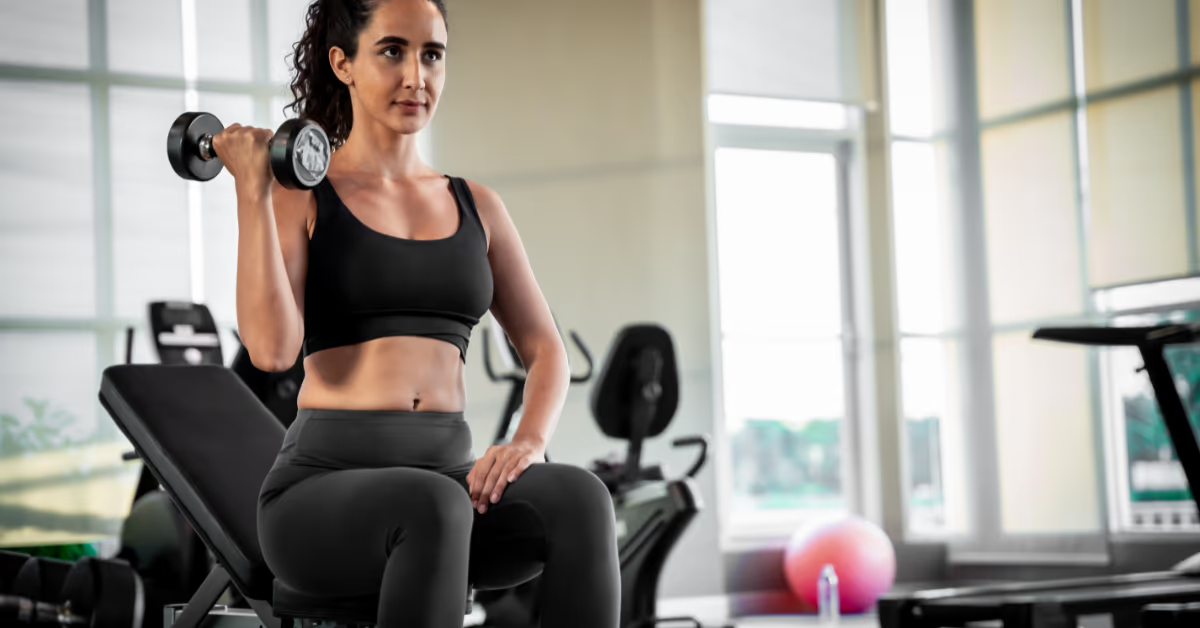
You don’t need a gym to start losing fat. Just move. The goal right now is to gently reconnect with your body. Don’t start running or lifting weights unless you’ve got a green light from your doctor. Instead:
Take walks while pushing your stroller
Do gentle yoga or postpartum stretches at home
Try 10 minutes of deep breathing and pelvic floor work
Use YouTube to find “postnatal fitness” routines that are safe
Even 15 minutes a day makes a difference. The goal is consistency, not intensity.
Sleep and Stress – The Hidden Keys to Weight Loss
Here’s what most diet plans ignore: You can eat perfectly and still not lose weight if you’re stressed and sleep-deprived.
Sleep affects hormones like ghrelin and leptin that control hunger. When you’re tired, you crave sugar and carbs. Cortisol, the stress hormone, makes your body store more fat, especially around the belly.
Try to:
Sleep when your baby sleeps (even if it’s just 20-minute naps)
Say yes to help, let someone else handle chores when possible
Avoid screen time late at night
Keep a warm routine before bed (haldi milk, light reading, deep breaths)
The more rested you are, the better your body will function, and the more responsive it will be to your healthy diet.
What’s a Healthy Weight Loss Timeline?
Post-pregnancy weight loss isn’t a race. It doesn’t happen in 30 days or with some viral challenge.
If you’re losing 0.5 to 1 kilo per week, you’re on the right track. That’s 2 to 4 kilos per month. Even slower is fine; your goal is not just fat loss, but healing and strength.
For most women, it takes 6 to 12 months to return to their pre-pregnancy weight without doing anything extreme. Some lose weight faster if they’re breastfeeding and active, and that’s okay, too.
Closing Thoughts
There’s no perfect timeline, no fixed weight target, and no generic diet plan. What matters most is that you feel better every week, not just physically, but emotionally too.
So take this journey at your own pace. Eat nourishing food. Move gently. Sleep when you can. Ask for help. And above all, be kind to yourself.
Your body has done something extraordinary. Now let it recover with the same love and patience you show your baby.